

On this page
Aicardi syndrome
This condition affects brain and eye development and occurs almost exclusively in females. Clinical features typically appear in the first few months of life and include seizures, developmental delay, and characteristic gaps in the structure connecting the two halves of the brain.
Overview
Aicardi syndrome is a rare neurogenetic condition that affects the central nervous system and eyes. The syndrome was first described by French neurologist Jean Aicardi in 1965, and it remains one of the more distinctive disorders in paediatric neurology due to its specific combination of features. Research suggests the condition arises during early brain development, affecting structures that form in the first trimester of pregnancy. The disorder occurs almost exclusively in individuals assigned female at birth, with only a handful of reported cases in males who typically have an additional X chromosome (47,XXY karyotype). Exact prevalence figures are not well established, but estimates suggest approximately 1 in 100,000 to 1 in 150,000 births may be affected. Because the condition is so rare, most clinical understanding comes from case series and international registries that track affected individuals over time.
Symptoms & clinical features
The hallmark clinical features of Aicardi syndrome typically manifest in early infancy, most commonly between three and five months of age. Infantile spasms represent the most frequent initial presentation, characterised by sudden jerking movements, head drops, or clusters of brief seizures that occur multiple times per day. These seizures are often resistant to standard anti-epileptic medications and may evolve into other seizure types as the child grows older. Developmental delay becomes apparent early, with most affected children experiencing moderate to severe intellectual disability and delayed motor milestones such as sitting, standing, and walking. Vision problems are common due to the characteristic retinal lesions, which appear as pale yellowish spots (chorioretinal lacunae) when the back of the eye is examined. Many children develop additional neurological features including difficulties with muscle tone (which may be either increased or decreased), problems with coordination, and in some cases movement disorders. Some affected individuals also develop scoliosis (curvature of the spine), which may worsen during growth spurts in childhood and adolescence.
Video: Genetics 101
Affected organs
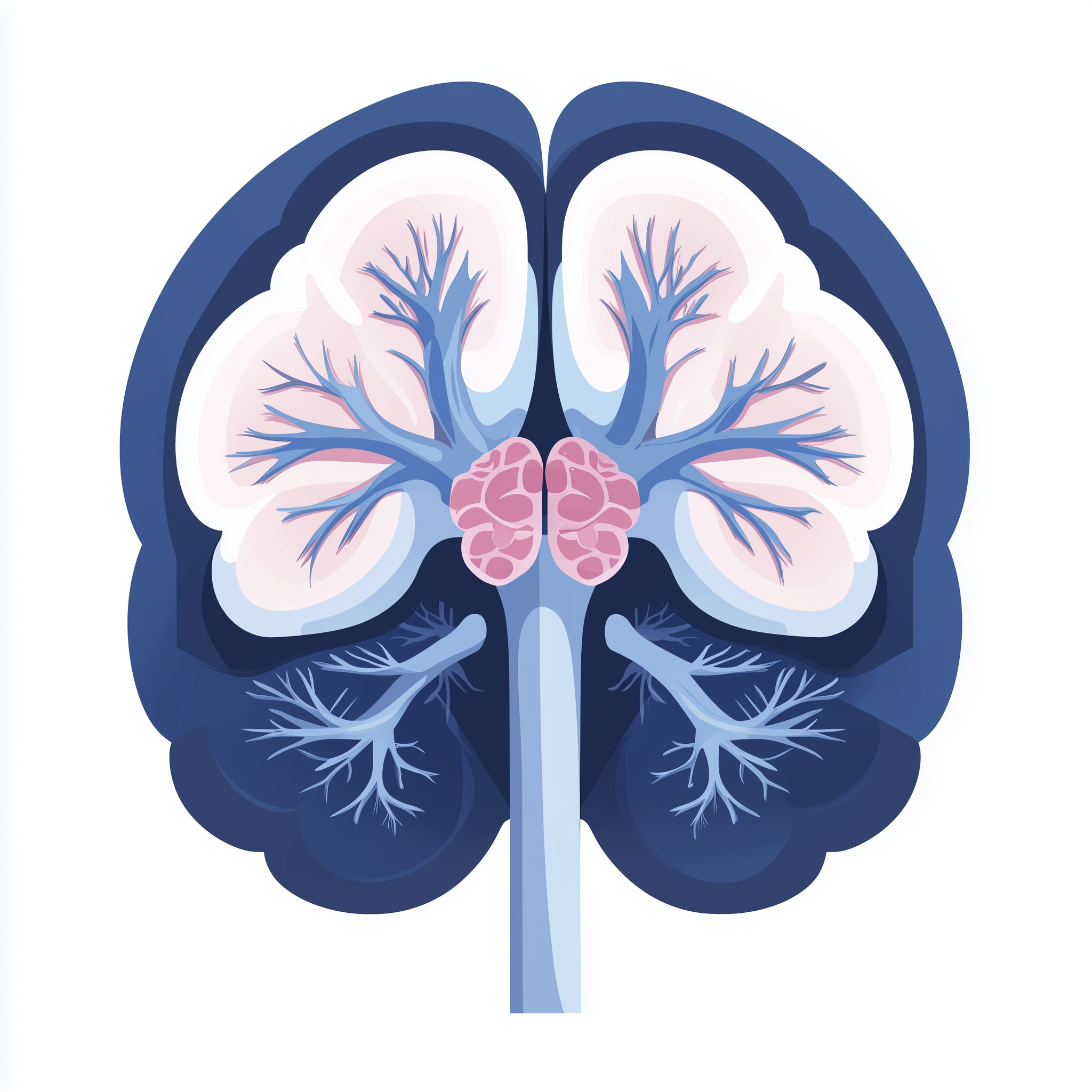
The central nervous system bears the primary impact of Aicardi syndrome. The corpus callosum, the structure of nerve fibres that connects the left and right hemispheres of the brain, is either completely absent (agenesis) or severely underdeveloped (dysgenesis) in nearly all affected individuals. Brain imaging typically reveals additional structural abnormalities including cortical malformations, where the folding pattern of the brain surface did not form properly during development, and periventricular heterotopia, where clusters of nerve cells failed to migrate to their correct positions. The eyes are affected through chorioretinal lacunae, distinctive gaps or holes in the layers at the back of the eye. These lesions do not typically progress but can impair vision depending on their location and extent. Some individuals develop additional eye problems including microphthalmia (small eyes), colobomas (gaps in eye structures), or optic nerve abnormalities. Other body systems may show features including skeletal abnormalities such as fused or missing ribs, and facial features that may be subtly distinctive though not always apparent.

Risks & severity
Aicardi syndrome represents a lifelong condition with significant impact on quality of life and development. Severity varies considerably between affected individuals, though most experience moderate to severe impairment. Seizure control remains challenging throughout life, with many individuals requiring multiple anti-epileptic medications and some continuing to have frequent seizures despite treatment. Developmental outcomes range from profound intellectual disability with minimal functional skills to moderate disability with some capacity for communication and self-care, though independent living is uncommon. Life expectancy is reduced compared to the general population, though some affected individuals survive into their twenties, thirties, or beyond. Common health complications include recurrent respiratory infections, feeding difficulties that may require gastrostomy tube placement, and orthopaedic problems related to scoliosis or limited mobility. The risk of sudden unexpected death in epilepsy (SUDEP) may be elevated due to the severity and persistence of seizures in this population.
Genetic causes
The underlying genetic cause of Aicardi syndrome has not been definitively identified, despite decades of research effort. The pattern of inheritance and clinical observations strongly suggest the condition results from a pathogenic variant on the X chromosome, likely in a gene that is essential for survival in males (explaining why affected individuals are almost exclusively female). Evidence suggests the causative genetic change probably occurs as a new (de novo) event during the formation of the egg or sperm, or very early in embryonic development, rather than being inherited from parents. The extremely rare occurrence in males with 47,XXY karyotype supports X-linked inheritance, as these individuals have two X chromosomes like typical females. Current research focuses on identifying the specific gene through advanced sequencing techniques and comparison of affected individuals' genetic profiles. Until the gene is identified, the precise molecular mechanism by which normal brain development is disrupted remains uncertain, though the consistent pattern of malformations suggests the gene plays a critical role in midline brain structure formation and cortical organisation during the first trimester.
Inheritance pattern
Aicardi syndrome follows an X-linked dominant inheritance pattern, which means a pathogenic variant on the X chromosome can cause the condition even when only one copy is altered. However, virtually all cases represent new genetic changes (de novo variants) that occurred spontaneously, rather than being inherited from a parent. This means parents of an affected child typically have an extremely low risk of having another affected child, though precise recurrence risk should be discussed with a clinical genetics service. The condition occurs almost exclusively in females because the causative genetic change is thought to be lethal in typical males (46,XY), who have only one X chromosome and therefore cannot survive if that single X carries the pathogenic variant. In females (46,XX), who have two X chromosomes, random X-inactivation means each cell uses only one X chromosome, allowing survival despite the genetic change on one copy. The handful of affected males reported in medical literature have had 47,XXY karyotype (Klinefelter syndrome), providing them with a second X chromosome that enables survival. Because the genetic cause remains unidentified, prenatal testing is not currently available, and recurrence risk counselling relies on clinical assessment rather than genetic testing.
X-linked dominant: all daughters of an affected father inherit the altered X and are affected. Sons receive the father's Y and are unaffected.
Diagnosis & testing
Diagnosis of Aicardi syndrome is based on clinical features and brain imaging findings, as no specific genetic test is currently available. The diagnosis requires the presence of the classic triad: infantile spasms, absence or underdevelopment of the corpus callosum, and characteristic chorioretinal lacunae. However, clinicians may make a diagnosis when two of these three features are present along with additional supportive findings. Brain MRI provides detailed visualisation of corpus callosum abnormalities and other brain malformations. Ophthalmological examination by a specialist familiar with the condition is essential to identify the distinctive retinal lesions. EEG (electroencephalogram) typically shows characteristic patterns including asymmetry between the two sides of the brain and suppression-burst patterns during sleep. Within the NHS, children with suspected Aicardi syndrome are typically referred to paediatric neurology services and subsequently to clinical genetics for comprehensive evaluation and family counselling. Though no genetic test confirms the diagnosis currently, chromosomal microarray and other genetic tests may be offered to exclude other conditions with overlapping features.
UK care pathway
Families affected by Aicardi syndrome access care through multiple NHS specialties in a coordinated approach. Initial referral typically occurs through paediatric neurology when infantile spasms or developmental concerns arise in early infancy. Clinical genetics services provide diagnostic evaluation, counselling about recurrence risks, and coordination with other specialists. Because the genetic cause remains unidentified, testing focuses on excluding other conditions rather than confirming Aicardi syndrome through molecular diagnosis. Referral to genetic counselling services helps families understand the condition, its implications for future pregnancies, and available support resources. The multidisciplinary approach typically involves paediatric neurology for seizure management, ophthalmology for monitoring vision and retinal changes, orthopaedics for scoliosis management, and community paediatrics or developmental specialists for coordinating therapies and educational support.
Frequently asked questions
Why does Aicardi syndrome affect almost exclusively girls?
The condition follows X-linked dominant inheritance, and research suggests the genetic change is likely lethal in typical males who have only one X chromosome. Females have two X chromosomes, so cells can use the unaffected copy through a process called X-inactivation, allowing survival. The extremely rare affected males reported have had an extra X chromosome (47,XXY).
Will my other children or future children have Aicardi syndrome?
Nearly all cases arise from new genetic changes that occurred spontaneously, meaning the recurrence risk for siblings is very low. However, because the specific gene has not been identified, precise risk figures cannot be provided. Clinical genetics services can discuss your family's specific situation and provide personalised counselling about future pregnancies.
Can the seizures in Aicardi syndrome be controlled with medication?
Seizure control remains challenging in most individuals with Aicardi syndrome, and many continue to experience seizures despite trying multiple anti-epileptic medications. However, treatment may reduce seizure frequency and severity. Your child's paediatric neurologist will work with you to find the most effective treatment approach, which may include combinations of medications and other therapies.
What support is available for families affected by Aicardi syndrome in the UK?
NHS services provide coordinated multidisciplinary care including neurology, ophthalmology, genetics, and developmental support. Many families benefit from connecting with support organisations and other affected families. Your clinical team can direct you to relevant patient organisations, and local authority services can provide assessments for educational support, therapies, and respite care through children's disability services.
References
- Adam MP, Bick S, Mirzaa GM. Aicardi Syndrome. 1993. PMID: 20301555
- Aicardi J. Aicardi syndrome. Brain & development. 2005. PMID: 15737696
- Ahmed AK, Cohen AR. Intracranial arachnoid cysts. Child's nervous system : ChNS : official journal of the International Society for Pediatric Neurosurgery. 2023. PMID: 37466684
- Rosser T. Aicardi syndrome. Archives of neurology. 2003. PMID: 14568821
- Zupanc ML. Infantile spasms. Expert opinion on pharmacotherapy. 2003. PMID: 14596657
- Law JC, Breazzano MP, Eliott D. Aicardi Syndrome. Journal of pediatric ophthalmology and strabismus. 2018. PMID: 30231182
- Marques PT, Kaka N, Zulfiqar Ali Q. Women With Genetic Epilepsies. Neurology. Genetics. 2025. PMID: 39944415
- Singh P, Goraya JS, Saggar K. Aicardi syndrome. Singapore medical journal. 2012. PMID: 22815034