

On this page
ALS/FTD (C9orf72)
This condition can manifest as motor neuron disease (ALS), which affects nerve cells controlling voluntary muscles, or frontotemporal dementia (FTD), impacting personality, behaviour, and language. It is generally progressive and affects adults.
Overview
Amyotrophic Lateral Sclerosis (ALS) and Frontotemporal Dementia (FTD) associated with the C9orf72 gene represents a spectrum of neurodegenerative disorders. ALS, also known as motor neuron disease (MND), primarily affects the nerve cells in the brain and spinal cord that control voluntary muscle movement. FTD is a form of dementia that mainly impacts the frontal and temporal lobes of the brain, leading to changes in behaviour, personality, and language abilities. Sometimes, individuals may experience features of both conditions [PMID:33604043].
Genetic changes in the C9orf72 gene are the most common known genetic cause of both familial ALS and familial FTD. While some individuals inherit the condition, it can also appear without a prior family history, though this is less common. The condition typically develops in adulthood, mostly between the ages of 40 and 70.
Symptoms & clinical features
The symptoms of ALS/FTD (C9orf72) can vary widely, even within the same family. If ALS is the predominant presentation, early symptoms may include muscle weakness, stiffness (spasticity), muscle twitching (fasciculations), and difficulty speaking (dysarthria) or swallowing (dysphagia). These symptoms often worsen over time, leading to increasing loss of muscle control.
When FTD is the main presentation, individuals may first notice subtle changes in personality or behaviour, such as apathy, disinhibition, or loss of empathy. Language difficulties, including trouble finding words or understanding speech, can also be prominent. In some cases, cognitive decline and executive dysfunction (problems with planning and decision-making) might be seen. Some individuals might experience a combination of both ALS and FTD symptoms.
Video: Genetics 101
Affected organs
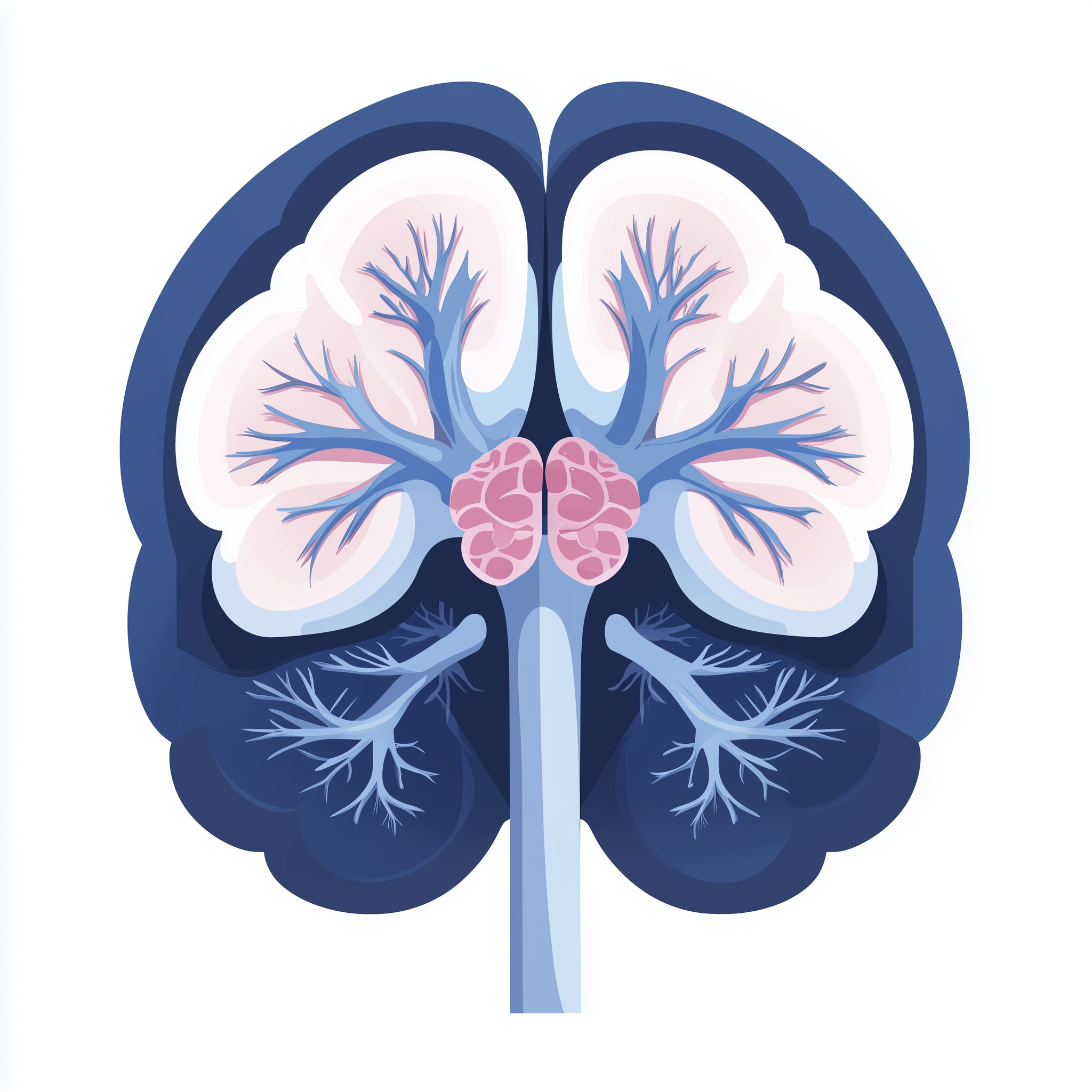
ALS/FTD (C9orf72) primarily affects the brain and central nervous system. In ALS, the motor neurons - nerve cells in the brainstem and spinal cord responsible for sending signals to muscles - are progressively damaged. This leads to muscle weakness and wasting throughout the body. In FTD, the frontal and temporal lobes of the brain are most affected, which are crucial for personality, behaviour, and language processing [PMID:24220556]. Accumulation of abnormal proteins within these nerve cells is a characteristic feature of the condition.

Risks & severity
The severity of ALS/FTD (C9orf72) can differ significantly among affected individuals, even within the same family. The condition is progressive, meaning symptoms generally worsen over time. The age of onset usually ranges from 40 to 70 years, but earlier or later onset has been reported. The lifetime risk of developing either ALS or FTD is substantially increased for individuals who carry a pathogenic C9orf72 variant. Not everyone with a C9orf72 expansion will develop symptoms, a concept known as incomplete penetrance, although the exact proportion is not fully understood [PMID:22956688].
Genetic causes
ALS/FTD (C9orf72) is caused by a specific type of genetic change in the C9orf72 gene. This gene provides instructions for making a protein found in many tissues, including the brain and spinal cord, where it plays a role in various cellular processes, including membrane trafficking and waste removal within cells. The pathogenic change usually involves an abnormally expanded section of DNA composed of a repeated sequence (a hexanucleotide repeat expansion, GGGGCC) within the C9orf72 gene.
Normally, this GGGGCC sequence is repeated a small number of times. However, in individuals with ALS/FTD (C9orf72), this sequence is repeated many more times than usual. This expansion disrupts the normal functioning of the C9orf72 gene, leading to the production of abnormal proteins and RNA molecules that can become toxic to nerve cells. This cellular toxicity contributes to the neurodegeneration seen in ALS and FTD.
- C9orf72 C9orf72-SMCR8 complex subunit
Inheritance pattern
The inheritance pattern for ALS/FTD (C9orf72) is autosomal dominant. This means that a person only needs to inherit one copy of the altered C9orf72 gene from one parent to be at an increased risk of developing the condition. Each child of an affected individual has a 50% chance of inheriting the expanded gene and, therefore, being at increased risk. The condition affects males and females equally.
It is important to remember that having the genetic change does not guarantee that an individual will develop symptoms, due to incomplete penetrance, but it significantly increases the likelihood.
Each child has a 50% chance of inheriting the pathogenic variant, regardless of sex.
Diagnosis & testing
Diagnosis of ALS/FTD (C9orf72) typically begins with a clinical evaluation by a neurologist, who assesses symptoms and conducts neurological examinations. If there is a suspicion of a genetic cause, particularly with a family history of ALS or FTD, genetic testing is usually recommended. Genetic testing for C9orf72 expansions involves a blood sample and is carried out by specialist laboratories.
In the UK, genetic testing for ALS and FTD is available through the NHS Genomic Medicine Service (GMS). Referrals for testing are typically made by a clinical geneticist or a neurologist. Relevant NHS National Genomic Test Directory R-codes may include R86 (Motor neuron disease) or R79 (Early onset dementia or rapidly progressive dementia) depending on the primary presentation. Genetic counselling is often offered before and after testing to discuss the implications for the individual and their family.
Management & lifestyle
While there is currently no cure for ALS/FTD (C9orf72), management focuses on reducing symptoms and improving quality of life. This usually involves a multidisciplinary team approach including neurologists, speech and language therapists, occupational therapists, physiotherapists, dietitians, and palliative care specialists. Medications may be prescribed to help manage specific symptoms like muscle cramps, spasticity, or behavioural changes. Non-invasive ventilation can assist with breathing difficulties in ALS.
For FTD symptoms, behavioural interventions and support for caregivers are crucial. Regular follow-up appointments with the care team are important to monitor disease progression and adjust management strategies as needed. Psychological support and genetic counselling are also vital resources for individuals and their families to help cope with the challenges of the condition.
UK care pathway
In the UK, individuals suspected of having a genetic neurodegenerative condition like ALS/FTD (C9orf72) are typically referred through the NHS Genomic Medicine Service. A clinical geneticist or neurologist can initiate genetic testing under the National Genomic Test Directory, using R-codes like R86 for motor neuron disease or R79 for dementia. Following diagnosis, care is usually coordinated by a neurologist, often working within an MND or dementia specialist clinic. Genetic counsellors play a key role in explaining the inheritance patterns, testing options for family members, and providing support.
Frequently asked questions
What is the difference between ALS and FTD?
ALS primarily affects motor neurons, leading to muscle weakness and paralysis, whereas FTD mainly impacts brain regions controlling personality, behaviour, and language. In ALS/FTD (C9orf72), individuals can experience symptoms of either or both conditions.
If someone in my family has ALS/FTD (C9orf72), what is my risk?
Because ALS/FTD (C9orf72) is autosomal dominant, each child of an affected individual has a 50% chance of inheriting the expanded C9orf72 gene. However, not everyone who inherits the gene will develop symptoms (incomplete penetrance).
Can children inherit ALS/FTD (C9orf72)?
Yes, children of an affected parent have a 50% chance of inheriting the genetic change. However, due to the adult onset nature of the condition, symptoms typically appear later in life, usually from ages 40-70.
Is there a cure for ALS/FTD (C9orf72)?
Currently, there is no cure for ALS/FTD (C9orf72). Management focuses on treating symptoms, slowing progression where possible, and supporting individuals and families through a multidisciplinary care team.
How is genetic testing for C9orf72 performed?
Genetic testing for C9orf72 involves taking a blood sample, which is then analysed in a specialised laboratory to look for the characteristic expanded repeat sequence in the gene. This test is typically arranged through a neurologist or clinical geneticist.