

On this page
Autosomal dominant nocturnal frontal lobe epilepsy
ADNFLE is a type of epilepsy where individuals experience seizures, often brief and clustered, predominantly at night. It is caused by changes in certain genes and affects individuals from early childhood onwards, with a varying impact on daily life.
Overview
Autosomal dominant nocturnal frontal lobe epilepsy (ADNFLE) is a rare form of epilepsy that typically causes seizures during sleep [PMID:33671286]. These seizures are often brief, sometimes lasting less than a minute, and tend to occur in clusters. Despite being called 'frontal lobe epilepsy', the origin of the seizures can sometimes be difficult to pinpoint precisely, as they often spread rapidly. The condition is inherited in an autosomal dominant pattern, meaning a single altered copy of a specific gene can lead to the condition.
ADNFLE can manifest differently between individuals, even within the same family. Symptoms usually begin in childhood, sometimes as early as infancy, but can also appear later in life. While the primary feature is nocturnal seizures, some individuals may also experience seizures during wakefulness, though this is less common. Understanding ADNFLE is important for appropriate diagnosis and management to improve quality of life.
Symptoms & clinical features
The main symptom of ADNFLE is the occurrence of motor seizures during sleep [PMID:10729792]. These seizures can present in various ways, but often involve sudden, involuntary movements. Individuals may experience jerking or stiffening of the limbs, thrashing, or complex behaviours like bicycling movements of the legs. Vocalisations such as crying or screaming can also occur during seizures. Consciousness may be impaired or preserved during an event.
Seizures in ADNFLE are typically brief, often lasting only a few seconds to a minute, and can occur multiple times within a single night, sometimes in clusters. Although called 'nocturnal', some individuals might experience occasional seizures while awake. While the seizures themselves are often the primary concern, frequent sleep disruption can also lead to tiredness or difficulties with concentration during the day.
Video: Genetics 101
Affected organs
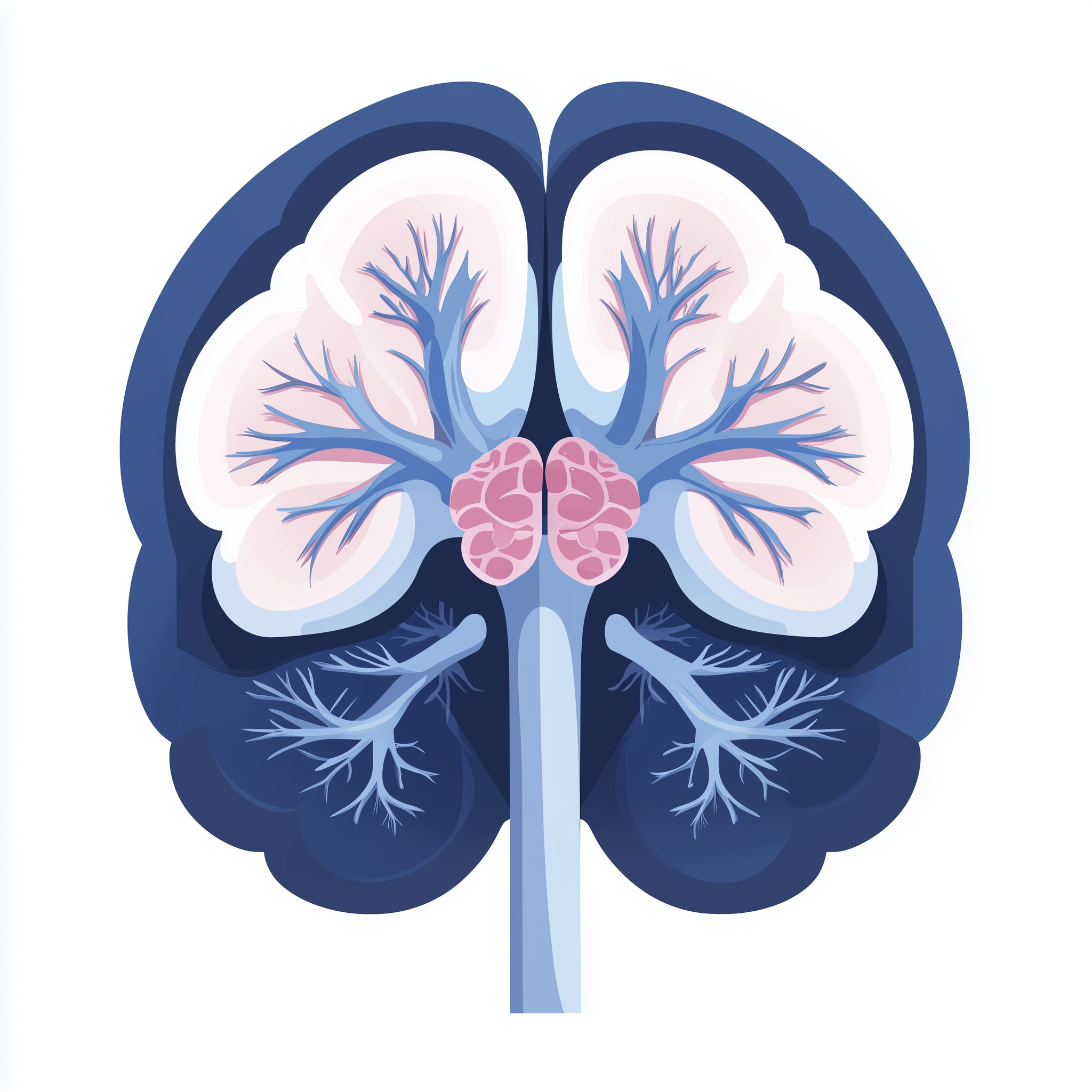
ADNFLE primarily affects the brain, which is the organ responsible for controlling all body functions, including sleep, movement, and consciousness. The seizures originate from areas within the brain, particularly pathways related to sleep-wake cycles. There are no specific abnormal changes seen in other organs of the body due to ADNFLE.

Risks & severity
The severity of ADNFLE can vary significantly among affected individuals. Some people may experience infrequent seizures that are well-controlled with medication, allowing them to lead relatively normal lives. Others might have more frequent or severe seizures, which could impact their quality of life, sleep patterns, and daily functioning. The age of onset typically ranges from infancy to early adulthood, with most cases appearing in childhood. While ADNFLE is primarily a seizure disorder, some individuals may also experience psychiatric or behavioural issues, including attention deficit hyperactivity disorder (ADHD), particularly in childhood [PMID:33671286]. There is generally no increased risk of specific life-threatening complications directly associated with ADNFLE beyond those generally seen in epilepsy, such as an elevated risk of sudden unexpected death in epilepsy (SUDEP), although this is rare.
Genetic causes
ADNFLE is caused by pathogenic changes in specific genes; the most commonly identified genes are CHRNA4 and CHRNB2. These genes provide instructions for making parts of nicotinic acetylcholine receptors, which are proteins found on the surface of nerve cells in the brain. These receptors play a crucial role in communication between nerve cells by responding to a chemical messenger called acetylcholine.
Normally, nicotinic acetylcholine receptors help regulate brain activity, including sleep and wakefulness. Pathogenic changes in genes like CHRNA4 and CHRNB2 can alter the function of these receptors, leading to abnormal electrical activity in the brain. This altered function makes nerve cells more excitable, increasing the likelihood of recurrent, unprovoked seizures characteristic of ADNFLE. Other genes have also been implicated in ADNFLE, and in some individuals, the genetic cause remains unknown.
- CHRNA4 cholinergic receptor nicotinic alpha 4 subunit
- CHRNB2 cholinergic receptor nicotinic beta 2 subunit
Inheritance pattern
ADNFLE is inherited in an autosomal dominant pattern. This means that a person only needs one altered copy of a specific gene (such as CHRNA4 or CHRNB2) to develop the condition. If a parent has ADNFLE, there is a 50% chance that each of their children will inherit the pathogenic gene variant and therefore have the condition. This inheritance pattern applies to every pregnancy, regardless of the child's sex.
It is possible for an individual to develop ADNFLE without a family history of the condition. This can happen if the pathogenic gene variant arises spontaneously for the first time in that individual (a 'de novo' variant). However, once such a variant is present, the individual can then pass it on to their children in an autosomal dominant manner.
Each child has a 50% chance of inheriting the pathogenic variant, regardless of sex.
Diagnosis & testing
Diagnosis of ADNFLE typically begins with a detailed clinical assessment, focusing on the individual's seizure history, particularly the timing and characteristics of nocturnal events. Brain imaging, such as an MRI, is usually performed to rule out other causes of seizures. An electroencephalogram (EEG), especially during sleep, can help to identify abnormal brain activity associated with seizures, though routine EEGs may be normal between seizure episodes.
Genetic testing is crucial for confirming a diagnosis of ADNFLE and identifying the specific gene responsible. In the NHS Genomic Medicine Service, genetic testing for epilepsy, including ADNFLE, is often accessed through a clinical genetics service referral. The relevant NHS National Genomic Test Directory R-codes for epilepsies can guide testing decisions. A genetic counsellor can provide support and information throughout the diagnostic process.
Management & lifestyle
Management of ADNFLE primarily focuses on controlling seizures and improving quality of life. Anti-seizure medications are the main treatment approach; several medications can be effective, and the choice depends on the individual's specific seizure types and response to treatment. Medication dosages are often adjusted based on how well seizures are controlled and any side effects experienced.
Lifestyle adjustments, such as maintaining regular sleep patterns and avoiding sleep deprivation, can also be beneficial as these factors may trigger seizures in some individuals. Regular follow-up with a neurologist specialising in epilepsy is important to monitor seizure control, adjust medication as needed, and address any associated concerns. Genetic counsellors can offer support to individuals and families, helping them understand the condition and its inheritance, and discussing family planning options.
UK care pathway
In the UK, individuals suspected of having a genetic epilepsy like ADNFLE would typically be referred to a neurologist and then to a clinical genetics service. Clinical geneticists and genetic counsellors provide comprehensive support, including genetic testing and interpretation of results. The NHS National Genomic Test Directory outlines the available genetic tests for various conditions, including epilepsies, using specific R-codes to guide the testing process. This ensures that individuals receive appropriate and evidence-based genomic investigations as part of their care.
Frequently asked questions
What triggers ADNFLE seizures?
Seizures in ADNFLE often occur during sleep, particularly during non-REM sleep stages. While the exact triggers are not fully understood, factors like sleep deprivation, stress, or caffeine consumption may sometimes contribute to seizure occurrence in some individuals. Maintaining regular sleep patterns can be helpful.
Can ADNFLE be cured?
Currently, there is no cure for ADNFLE. However, symptoms are often well-managed with anti-seizure medications, which can significantly reduce the frequency and severity of seizures. Ongoing research aims to better understand the condition and develop new treatments.
How does ADNFLE affect daily life?
The impact of ADNFLE on daily life varies. For some, seizures are infrequent and well-controlled with medication, allowing them to lead full lives. Others might experience more frequent seizures, sleep disruption, or associated behavioural issues, which can affect education, work, and social activities. Support from medical professionals can help manage these challenges.
Is genetic testing for ADNFLE available on the NHS?
Yes, genetic testing for ADNFLE is available through the NHS, typically following a referral to a clinical genetics service by a neurologist or other specialist. These tests are guided by the NHS National Genomic Test Directory and can help confirm a diagnosis and inform family planning discussions.
Can ADNFLE run in families?
Yes, ADNFLE is an inherited condition that follows an autosomal dominant pattern. This means if one parent has ADNFLE, each of their children has a 50% chance of inheriting the condition. Genetic counselling can provide detailed information about inheritance risks for families.
References
- Adam MP, Bick S, Mirzaa GM. KCNT1-Related Epilepsy. 1993. PMID: 30234941
- Adam MP, Bick S, Mirzaa GM. DEPDC5-Related Epilepsy. 1993. PMID: 27683934
- Engelborghs S, D'Hooge R, De Deyn PP. Pathophysiology of epilepsy. Acta neurologica Belgica. 2000. PMID: 11233674
- Sohn YH, Lee PH. Paroxysmal choreodystonic disorders. Handbook of clinical neurology. 2011. PMID: 21496595
- Bausch SB, McNamara JO. Experimental partial epileptogenesis. Current opinion in neurology. 1999. PMID: 10226754
- Lerche H, Jurkat-Rott K, Lehmann-Horn F. Ion channels and epilepsy. American journal of medical genetics. 2001. PMID: 11579435
- Boillot M, Baulac S. Genetic models of focal epilepsies. Journal of neuroscience methods. 2016. PMID: 26072248
- Adam MP, Bick S, Mirzaa GM. Autosomal Dominant Sleep-Related Hypermotor (Hyperkinetic) Epilepsy. 1993. PMID: 20301348