

On this page
Baraitser-Winter syndrome
This syndrome typically affects individuals from birth, leading to varying degrees of intellectual disability and challenges with development. It is caused by changes in certain genes and is usually identified in early childhood.
Overview
Baraitser-Winter syndrome is a rare genetic condition primarily affecting neurological development and physical appearance. Individuals with the syndrome often experience developmental delays, which can lead to intellectual disability of mild to severe degree. They may also have distinctive facial features and other physical health considerations [PMID:24606240]. The condition was first described in 1988.
Because Baraitser-Winter syndrome is rare, its exact prevalence is not well established. It affects individuals from birth and is typically diagnosed during childhood when developmental milestones are not met or characteristic physical signs become apparent. The severity of the syndrome can vary considerably between individuals, even within the same family.
Symptoms & clinical features
The symptoms of Baraitser-Winter syndrome can vary widely, but typically include developmental delay, affecting areas such as speech, motor skills, and cognitive abilities. Intellectual disability is also a common feature, ranging from mild to significant.
Distinctive facial features are often observed in individuals with Baraitser-Winter syndrome. These can include widely spaced eyes (hypertelorism), droopy eyelids (ptosis), arched eyebrows, and a broad nasal bridge [PMID:24606240]. Other possible features include small head size (microcephaly) or, less commonly, larger head size (macrocephaly). Some individuals may experience hearing impairment, usually sensorineural, and eye abnormalities such as strabismus (crossed eyes) or nystagmus (involuntary eye movements) [PMID:22080344].
Additional physical findings can include joint laxity, particularly affecting the fingers and thumbs, and skeletal abnormalities such as structural changes in the brain or spine. Heart defects and kidney problems have also been reported in some cases, highlighting the variable nature of this syndrome.
Video: Genetics 101
Affected organs
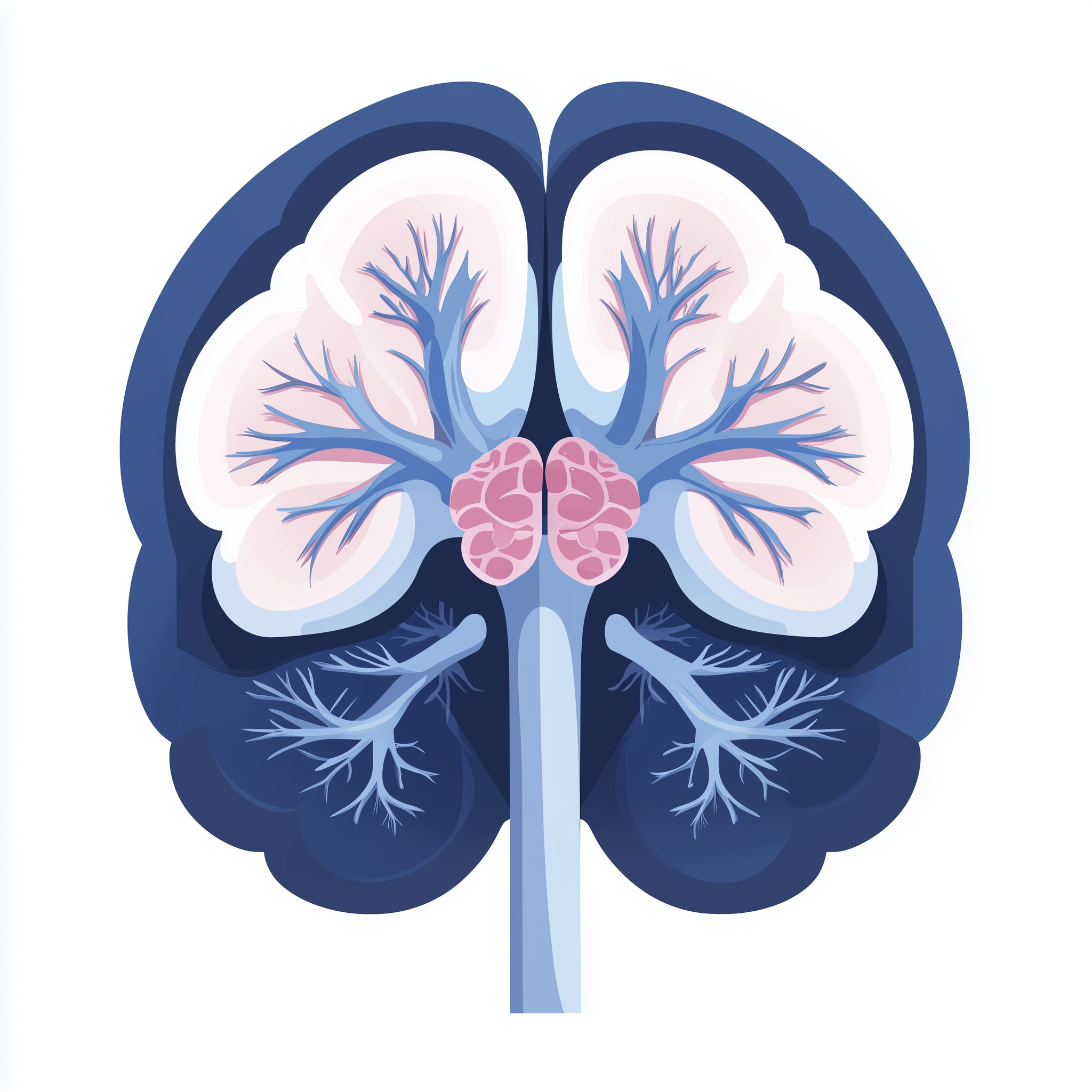
Baraitser-Winter syndrome primarily impacts the brain, leading to developmental delays and intellectual disability. Structural changes in the brain, such as abnormalities of the corpus callosum (the band of fibres connecting the two halves of the brain) or cerebellum, may be present. The eyes are often affected, with features like droopy eyelids, widely spaced eyes, and issues with eye movement being common.
Skeletal structures are also frequently involved, leading to distinctive facial features and potentially joint laxity. Hearing can be affected, primarily due to sensorineural hearing loss. Less commonly, vital organs such as the heart and kidneys may show developmental abnormalities.

Risks & severity
The severity of Baraitser-Winter syndrome varies considerably, even among individuals with the same genetic change. Some individuals may have mild developmental delays, while others experience more significant intellectual disability and profound physical challenges. The exact lifetime risks for specific complications are not well established due to the rarity of the condition and its variable presentation.
Developmental delays are typically noticed in infancy or early childhood. While intellectual disability is common, its degree can range from mild to severe, impacting educational and daily living skills. Ongoing medical monitoring is important to manage potential complications affecting the eyes, hearing, heart, and kidneys, which can vary in their impact on an individual's long-term health and quality of life.
Genetic causes
Baraitser-Winter syndrome is typically caused by genetic changes (pathogenic variants) in the ACTG1 gene. ACTG1 provides instructions for making gamma-actin, one of the many forms of a protein called actin. Actin proteins are fundamental components of the cytoskeleton, the internal scaffolding that provides shape and structure to cells and is crucial for cell movement, division, and signalling [PMID:22080344]. They are particularly important in brain development and function.
When a pathogenic variant occurs in the ACTG1 gene, it can lead to a dysfunctional gamma-actin protein, or an insufficient amount of functional protein. This disruption affects the normal organisation and function of the cell cytoskeleton, particularly in developing tissues. The altered cellular processes are believed to contribute to the developmental delays, intellectual disability, and distinctive physical features observed in individuals with Baraitser-Winter syndrome [PMID:24606240].
- ACTG1 actin gamma 1
Inheritance pattern
Baraitser-Winter syndrome is inherited in an autosomal dominant pattern. This means that a person only needs one copy of an altered gene to develop the condition. In most cases, the genetic change occurs spontaneously (de novo) in the affected individual and is not inherited from either parent. This means neither parent carries the altered gene, and it is a new event in the child.
When a genetic change is de novo, the chance of future children in the same family having the syndrome is generally low. However, if an affected individual has children, each child has a 50% chance of inheriting the altered gene and developing the condition, regardless of their sex. Genetic counselling can provide specific risk assessments and support for families.
Each child has a 50% chance of inheriting the pathogenic variant, regardless of sex.
Diagnosis & testing
Diagnosing Baraitser-Winter syndrome typically involves a combination of clinical evaluation and genetic testing. A paediatrician or clinical geneticist may suspect the condition based on the presence of developmental delays, intellectual disability, and characteristic physical features. Brain imaging, such as an MRI scan, may also help identify structural brain abnormalities.
Confirmation of the diagnosis is usually achieved through molecular genetic testing, which looks for pathogenic variants in causative genes like ACTG1. Under the NHS Genomic Medicine Service, genetic testing for suspected developmental disorders and intellectual disability is available. Referrals for such testing typically originate from a clinical geneticist or specialist paediatrician via an NHS R-code, such as R22 (intellectual disability) or R143 (developmental disorders).
Management & lifestyle
Management for Baraitser-Winter syndrome focuses on addressing individual symptoms and developmental needs. This often involves a multidisciplinary team of healthcare professionals, including paediatricians, neurologists, geneticists, ophthalmologists, audiologists, and physiotherapists. Early intervention programmes are crucial for supporting developmental progress, including speech and language therapy, occupational therapy, and physical therapy.
Regular monitoring is important to detect and manage potential complications affecting vision, hearing, and cardiac or renal function. Educational support should be tailored to the individual's learning needs, which may include special educational provision. Genetic counselling is a vital part of the care pathway, offering information about the condition, inheritance patterns, and support resources for families. The NHS provides comprehensive care pathways for children with complex needs, and local clinical genetics services can guide families through these options.
UK care pathway
In the UK, individuals suspected of having Baraitser-Winter syndrome would typically begin their journey through the NHS via a referral to a paediatrician or clinical geneticist. These specialists can assess clinical features, coordinate necessary investigations, and arrange for genomic testing if appropriate. Genomic testing for developmental disorders and intellectual disability is provided through the NHS Genomic Medicine Service, often utilising specific R-codes like R22 or R143, which are listed in the National Genomic Test Directory.
Once a diagnosis is confirmed, families are supported by a clinical genetics team and often have access to a genetic counsellor. These professionals provide detailed information about the condition, its inheritance, and implications for family planning. They also help navigate the complex healthcare system, ensuring access to multidisciplinary care teams, including allied health professionals, to address the diverse needs associated with Baraitser-Winter syndrome.
Frequently asked questions
What causes Baraitser-Winter syndrome?
Baraitser-Winter syndrome is typically caused by a change (pathogenic variant) in the ACTG1 gene. This gene is vital for making a protein called gamma-actin, which helps cells maintain their structure and function. The genetic change usually happens spontaneously, meaning it's not inherited from the parents.
Is Baraitser-Winter syndrome hereditary?
The syndrome is inherited in an autosomal dominant pattern. While most cases occur as new, spontaneous genetic changes in the affected child, if an individual has the condition, there is a 50% chance for each of their children to inherit the genetic change and develop the syndrome.
How is Baraitser-Winter syndrome diagnosed in the UK?
Diagnosis in the UK usually involves a clinical assessment by a paediatrician or clinical geneticist based on developmental delays and physical features. Genetic testing for variants in genes such as ACTG1 confirms the diagnosis and is available through the NHS Genomic Medicine Service following a referral.
What kind of support is available for families in the UK?
Families in the UK can access support through NHS clinical genetics services, including genetic counselling. Multidisciplinary teams, including therapists and educational specialists, provide ongoing care. Patient support groups can also offer valuable resources and community connection.
What is the expected life expectancy for someone with Baraitser-Winter syndrome?
Life expectancy can vary widely depending on the severity of the condition and presence of associated health problems, such as significant heart defects. Many individuals with Baraitser-Winter syndrome live into adulthood, but regular medical monitoring is important to manage any complications.
References
- Yates TM, Turner CL, Firth HV. Baraitser-Winter cerebrofrontofacial syndrome. Clinical genetics. 2017. PMID: 27625340
- Ghiselli S, Parmeggiani G, Zambonini G. Hearing Loss in Baraitser-Winter Syndrome: Case Reports and Review of the Literature. Journal of clinical medicine. 2024. PMID: 38592426
- Cuvertino S, Stuart HM, Chandler KE. ACTB Loss-of-Function Mutations Result in a Pleiotropic Developmental Disorder. American journal of human genetics. 2017. PMID: 29220674
- Bar-On Z, Reuven O, Lev A. β-Actin Deficiency in Baraitser-Winter Syndrome Type 1 Disrupts T-Cell Function and Immune Regulation: Implications for Targeted Therapy in Actinopathies. Journal of clinical immunology. 2025. PMID: 40748410
- Chentli F, Zellagui H. Baraitser and Winter syndrome with growth hormone deficiency. Journal of pediatric neurosciences. 2014. PMID: 25624931
- Rossi M, Guerrini R, Dobyns WB. Characterization of brain malformations in the Baraitser-Winter syndrome and review of the literature. Neuropediatrics. 2003. PMID: 14681753
- Zechi-Ceide RM, Serigatto HR, Galvanin AL. Missense Variant Met119Val in ACTB in a Patient with Baraitser-Winter Syndrome Type 1 and Mild Intellectual Disability. Molecular syndromology. 2025. PMID: 40771191
- Diab E, Morin G, Hery L. Catatonic syndrome and Baraitser Winter syndrome: Case report and review of the literature. European journal of medical genetics. 2022. PMID: 35803559