

On this page
Benign hereditary chorea
BHC typically presents in early childhood with uncontrolled, dance-like movements. While these movements can be persistent, the condition is often considered 'benign' because it generally does not progress significantly and can sometimes improve over time, or respond to treatment.
Overview
Benign hereditary chorea (BHC) is a neurological condition that primarily affects movement. It falls under a group of disorders known as choreas, which involve involuntary, irregular, and often rapid movements that seem to flow from one body part to another. The term 'benign' in BHC indicates that the condition is generally not progressive and may even improve with age, distinguishing it from many other neurological disorders that worsen over time [PMID:19363076].
BHC typically manifests during early childhood, often before the age of six years. The main feature is chorea, but some individuals may also experience other movement-related issues, or, less commonly, non-movement symptoms. While BHC is considered a rare condition, the exact prevalence in the UK population is not well-established.
Symptoms & clinical features
The hallmark symptom of BHC is chorea, which refers to involuntary, jerky, and dance-like movements that can affect various parts of the body, including the face, trunk, and limbs. These movements can vary in intensity and may be more noticeable when a person is stressed or trying to perform a voluntary action [PMID:19363076].
In addition to chorea, some individuals with BHC may exhibit other neurological features. These can include hypotonia (reduced muscle tone) in infancy, gait disturbances (problems with walking), and dysarthria (difficulty with speech). Less commonly, BHC can be associated with non-movement symptoms such as intellectual disability, learning difficulties, or problems with thyroid function, though these are more often observed when the condition is linked to changes in the NKX2-1 gene [PMID:24075727].
Video: Genetics 101
Affected organs
BHC primarily affects the brain, specifically the areas involved in motor control, leading to the characteristic involuntary movements. The basal ganglia, a group of structures deep within the brain, play a crucial role in regulating movement, and their dysfunction is believed to underlie chorea.
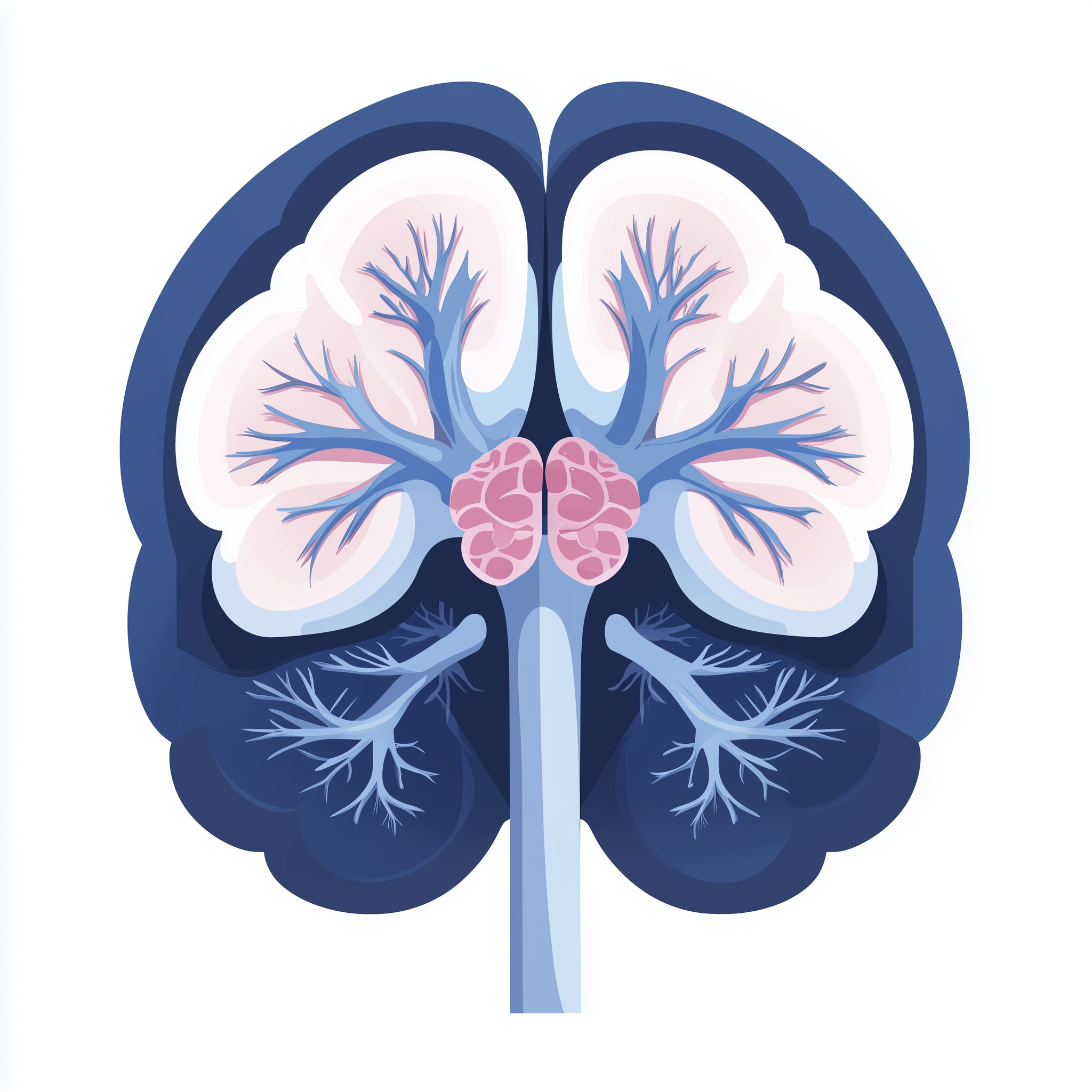
Related to changes in the NKX2-1 gene, BHC can also be part of a broader syndrome sometimes referred to as 'brain-lung-thyroid syndrome'. This highlights that, beyond the brain, the lungs and thyroid gland can occasionally be affected in individuals with specific genetic causes of BHC. However, the primary and most consistent impact remains on motor function involving the central nervous system.

Risks & severity
The severity of chorea in BHC can vary widely among affected individuals, even within the same family. Some people may experience mild, barely noticeable movements, while others might have movements that significantly affect daily activities like walking, eating, or writing. Despite the presence of these movements, BHC is generally considered non-progressive, meaning it typically does not worsen over a person's lifetime. In some cases, the choreiform movements can even improve or resolve spontaneously during adolescence or adulthood.
While the condition is often termed 'benign', meaning not life-threatening, the impact on quality of life can still be significant for some individuals. Symptoms usually appear in early childhood, typically before the age of six. When caused by an NKX2-1 gene variant, there is a small risk of developing other issues such as lung problems or thyroid dysfunction, although these are not universal [PMID:24075727].
Genetic causes
Benign hereditary chorea is most commonly caused by pathogenic variants in the NKX2-1 gene. This gene provides instructions for making a protein known as thyroid transcription factor 1 (TTF-1).
The TTF-1 protein is crucial for the normal development of several organs, including the brain (particularly structures involved in motor control), the lungs, and the thyroid gland. It acts as a transcription factor, which means it helps control the activity of other genes. Pathogenic variants in NKX2-1 can lead to a reduced amount of functional TTF-1 protein, or an altered protein that does not work correctly. This disruption in gene regulation can impair the normal development and function of the affected organs, leading to the symptoms observed in BHC and related conditions [PMID:19363076].
- NKX2-1 NK2 homeobox 1
Inheritance pattern
Benign hereditary chorea is inherited in an autosomal dominant pattern. This means that a person only needs to inherit one copy of the altered NKX2-1 gene from one parent to develop the condition. Each child of an individual with BHC has a 50% chance (one in two) of inheriting the pathogenic variant and therefore the condition.
The condition can also arise from a new, spontaneous (de novo) pathogenic variant in the NKX2-1 gene. In such cases, neither parent has the condition or the genetic variant, but the affected individual has developed a new variant. If a de novo variant is identified, the risk for future children of the affected parents typically returns to a general population risk, although reproductive options like pre-implantation genetic diagnosis can be discussed with a genetics specialist.
Each child has a 50% chance of inheriting the pathogenic variant, regardless of sex.
Diagnosis & testing
Diagnosing benign hereditary chorea typically begins with a clinical evaluation by a paediatrician or neurologist, who will assess the characteristic movement patterns and review the patient's medical history. An important part of the diagnostic process involves genetic testing to identify a pathogenic variant in the NKX2-1 gene.
Genetic testing for BHC is usually performed through a blood sample. In the UK, this testing typically falls under the NHS Genomic Medicine Service (GMS) pathways. Referrals for genetic testing will often come from a clinical geneticist or a specialist paediatrician or neurologist. The relevant NHS National Genomic Test Directory R-code for testing related to chorea within broad neurological panels may be utilised, ensuring a standardised approach to diagnosis. A genetic counsellor can help families understand the testing process and interpret the results.
Management & lifestyle
While there is currently no cure for benign hereditary chorea, management focuses on alleviating symptoms and improving quality of life. Treatment strategies are individualised, depending on the severity of the chorea and any associated symptoms.
Medications such as tetrabenazine or antipsychotics may be used to help control the involuntary movements in some individuals, particularly if they are significantly disruptive. Other supportive therapies may include physiotherapy, occupational therapy, and speech and language therapy to help manage motor difficulties and improve communication. Regular follow-up with a neurologist is important to monitor symptoms and adjust management as needed. For those with NKX2-1-related BHC, monitoring for thyroid and lung issues may also be recommended. Genetic counselling is a key component of care, offering support and information to affected individuals and their families regarding inheritance patterns and family planning.
UK care pathway
In the UK, individuals suspected of having benign hereditary chorea would typically be referred by their GP or specialist (e.g., paediatrician, neurologist) to a Clinical Genetics service. This service provides expert assessment, confirms the diagnosis through genetic testing via the NHS Genomic Medicine Service, and offers genetic counselling. The genetic testing is guided by the National Genomic Test Directory R-codes. Once a diagnosis is confirmed, ongoing care often involves a multidisciplinary team, potentially including neurologists, physiotherapists, and other specialists, coordinated through the NHS.
Frequently asked questions
Is benign hereditary chorea always 'benign'?
While the term 'benign' suggests a non-progressive course and often improvement, the severity of symptoms can still be significant for some individuals. It generally means the condition is not expected to worsen over time, unlike many other neurological disorders.
Will my child's chorea get worse over time?
Typically, benign hereditary chorea is considered non-progressive, and the movements often remain stable or may even lessen or disappear as a child grows into adolescence and adulthood. However, the exact course can vary between individuals.
If I have benign hereditary chorea, will my children also have it?
Benign hereditary chorea is inherited in an autosomal dominant pattern. This means there is a 50% chance (one in two) for each child to inherit the altered gene and develop the condition. Genetic counselling can provide more personalised information.
Are there any treatments for the movements?
There is no cure, but various treatments can help manage the involuntary movements. Medications may be prescribed to reduce chorea, and supportive therapies like physiotherapy or occupational therapy can help improve daily function and quality of life.
What should I do if I suspect my child has BHC?
If you notice persistent involuntary movements or other concerning neurological symptoms in your child, you should consult your GP. They can then refer you to a specialist paediatrician or neurologist for further assessment and potential referral to a clinical genetics service for diagnosis.
References
- Termsarasab P. Chorea. Continuum (Minneapolis, Minn.). 2019. PMID: 31356291
- Kleiner-Fisman G. Benign hereditary chorea. Handbook of clinical neurology. 2011. PMID: 21496579
- Adam MP, Bick S, Mirzaa GM. NKX2-1-Related Disorders. 1993. PMID: 24555207
- Wheeler PG, Weaver DD, Dobyns WB. Benign hereditary chorea. Pediatric neurology. 1993. PMID: 8292207
- Peall KJ, Kurian MA. Benign Hereditary Chorea: An Update. Tremor and other hyperkinetic movements (New York, N.Y.). 2015. PMID: 26196025
- Pérez-Pérez J, Olmedo-Saura G, Martínez-Horta S. Update on Genetic Chorea. European journal of neurology. 2025. PMID: 41104576
- Inzelberg R, Weinberger M, Gak E. Benign hereditary chorea: an update. Parkinsonism & related disorders. 2011. PMID: 21292530
- Millichap JG. ADCY5 Mutations and Benign Hereditary Chorea. Pediatric neurology briefs. 2015. PMID: 26933606