

On this page
Boucher-Neuhäuser syndrome
This syndrome affects the nervous system, reproductive development, and vision. Symptoms typically emerge in childhood or adolescence and progress over time. The condition follows autosomal recessive inheritance, meaning both parents must carry a genetic change for a child to be affected.
Overview
Boucher-Neuhäuser syndrome is a rare neurogenetic disorder that combines three main clinical features: progressive cerebellar ataxia (loss of coordination and balance), hypogonadotropic hypogonadism (incomplete or absent sexual development), and chorioretinal dystrophy (degeneration of the light-sensitive tissue at the back of the eye). The condition was first described in the medical literature in the 1960s and remains extremely uncommon, with only a small number of cases documented worldwide.
Symptoms generally begin during childhood or adolescence, though the age of onset and severity can vary between affected individuals. The progressive nature of the cerebellar features means that mobility and coordination difficulties typically worsen over time. The combination of neurological, hormonal, and visual manifestations distinguishes this syndrome from other forms of inherited ataxia. Because of its rarity, exact prevalence figures are not well established, and many healthcare professionals may encounter the condition infrequently during their careers.
Symptoms & clinical features
The hallmark feature of Boucher-Neuhäuser syndrome is cerebellar ataxia, which manifests as difficulty with balance, coordination, and smooth voluntary movements. Affected individuals may experience unsteady walking, problems with fine motor tasks such as writing or buttoning clothes, and slurred or scanning speech. These symptoms typically emerge in childhood or the teenage years and gradually worsen, though the rate of progression varies.
Hypogonadotropic hypogonadism becomes apparent during puberty, when expected sexual development fails to occur or remains incomplete. In biological males, this may present as absent or incomplete development of secondary sexual characteristics, lack of testicular enlargement, and infertility. In biological females, there may be absent or delayed menstruation and underdevelopment of secondary sexual characteristics. Visual symptoms related to chorioretinal dystrophy can include reduced night vision, progressive loss of peripheral vision, and difficulty with visual acuity, though some affected individuals may have minimal visual complaints despite retinal changes visible on examination.
Video: Genetics 101
Affected organs
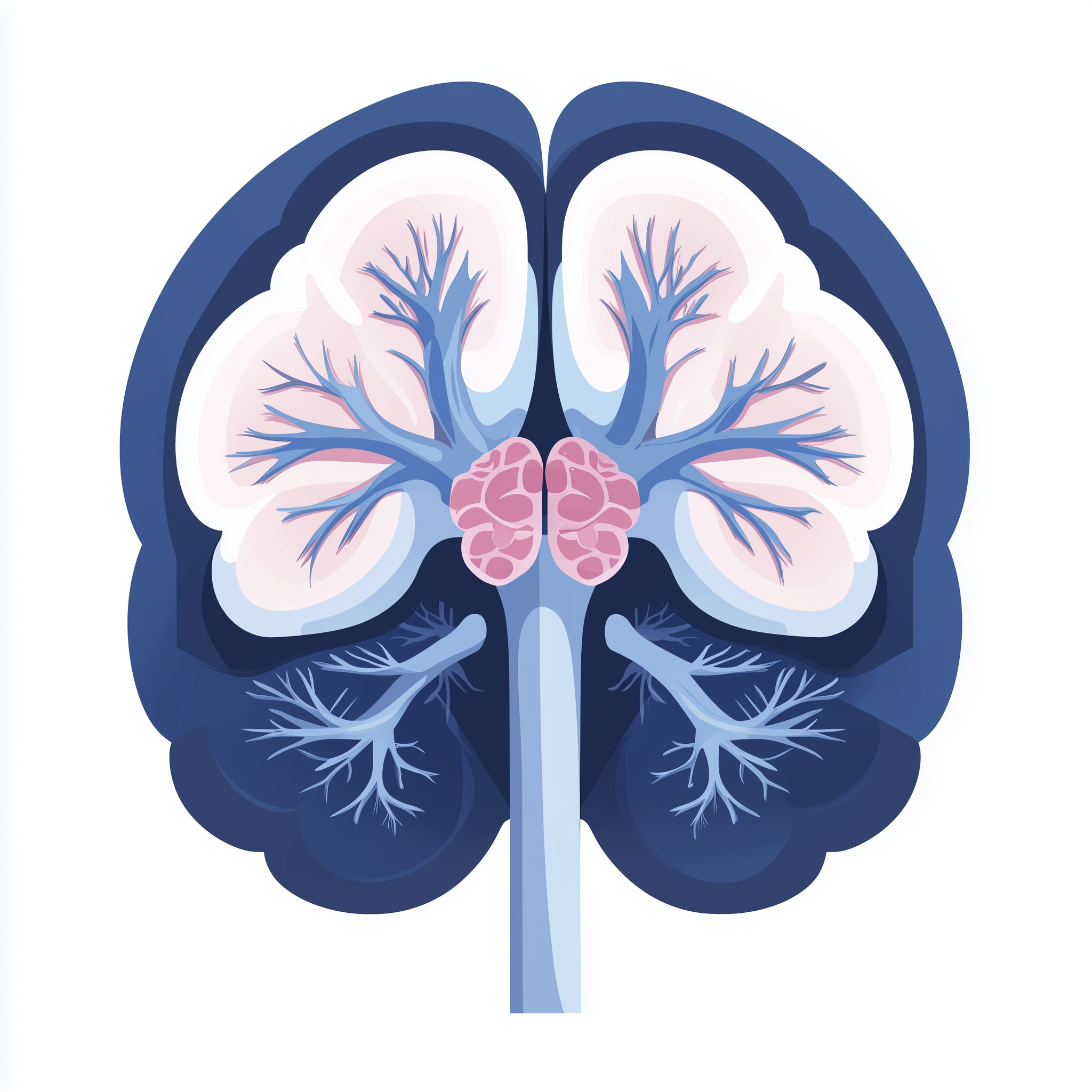
The cerebellum, the region at the back of the brain responsible for coordinating movement and balance, is the primary neurological structure affected. Degeneration of cerebellar tissue leads to the progressive ataxia that characterises this syndrome. The hypothalamic-pituitary axis, which regulates reproductive hormone production, is also disrupted, resulting in insufficient release of hormones needed to stimulate the gonads during puberty.
The eyes are affected through chorioretinal dystrophy, where the choroid (the vascular layer beneath the retina) and the retina itself undergo degenerative changes. These changes can be detected during ophthalmological examination and contribute to the visual difficulties some patients experience. The combination of these three organ systems distinguishes Boucher-Neuhäuser syndrome from conditions affecting only one or two of these areas.

Risks & severity
The severity of Boucher-Neuhäuser syndrome varies between individuals, though all affected people experience some degree of the three cardinal features. The cerebellar ataxia is typically progressive, meaning mobility and coordination continue to decline over the years. Some individuals may eventually require mobility aids such as walking sticks or wheelchairs, whilst others maintain independent walking ability into adulthood with adaptive strategies.
The hypogonadism affects reproductive development and fertility, though hormone replacement therapy may address some aspects of sexual development. Visual impairment severity is variable, with some individuals experiencing significant vision loss whilst others have milder symptoms. Life expectancy does not appear to be significantly reduced in most cases, though the progressive neurological features can substantially affect quality of life and independence. Early recognition and appropriate supportive management may help individuals and families plan for evolving care needs.
Genetic causes
Boucher-Neuhäuser syndrome follows autosomal recessive inheritance, meaning that pathogenic variants in both copies of the responsible gene are required for the condition to develop. Research suggests that variants in the PNPLA6 gene are responsible for some cases of this syndrome, though the genetic basis is not fully characterised across all reported families. The PNPLA6 gene encodes a protein involved in maintaining the health of nerve cells and regulating certain lipid processes within cells.
When both copies of the causative gene carry pathogenic variants, the resulting protein dysfunction appears to affect cerebellar neurons, the hypothalamic-pituitary hormonal regulation centres, and retinal tissue. The precise mechanisms linking these genetic changes to the specific pattern of organ involvement seen in Boucher-Neuhäuser syndrome remain an area of ongoing research.
Inheritance pattern
Boucher-Neuhäuser syndrome is inherited in an autosomal recessive pattern. This means that an affected individual has inherited one pathogenic variant from each parent. Parents of an affected child are typically carriers, possessing one pathogenic variant and one working copy of the gene, and usually show no symptoms themselves.
When both parents are carriers, each pregnancy carries a 25% chance of the child being affected, a 50% chance of the child being a carrier like the parents, and a 25% chance of the child inheriting two working copies. Siblings of an affected individual have a two in three chance of being carriers if they are unaffected. Carriers can pass the variant to their children, though the children would only develop the condition if the other parent also contributes a pathogenic variant in the same gene.
When both parents are carriers, each child has a 25% chance of being affected, 50% of being a carrier, and 25% of being unaffected.
Diagnosis & testing
Diagnosis of Boucher-Neuhäuser syndrome involves recognising the characteristic combination of cerebellar ataxia, hypogonadism, and chorioretinal dystrophy. Clinical assessment includes neurological examination to evaluate coordination and balance, hormonal testing to assess gonadotropin and sex hormone levels, and ophthalmological examination to identify retinal changes. Brain imaging, typically MRI, may reveal cerebellar atrophy.
Genetic testing can confirm the diagnosis when a clinical suspicion exists. In the UK, referral to clinical genetics services through the NHS Genomic Medicine Service enables access to appropriate genetic testing panels. A genetic counsellor can discuss testing options, interpret results, and provide information about implications for family members. Because of the rarity of this condition, specialist input from neurology, endocrinology, and ophthalmology services is often valuable in confirming the diagnosis and excluding alternative explanations for the clinical features.
Management & lifestyle
Management of Boucher-Neuhäuser syndrome focuses on addressing the individual manifestations and supporting quality of life, as there is currently no cure for the underlying condition. Physiotherapy and occupational therapy can help individuals maintain mobility, learn adaptive strategies for daily activities, and safely use mobility aids when needed. Speech and language therapy may assist with communication difficulties related to cerebellar speech problems.
Hormone replacement therapy, guided by endocrinology specialists, can support sexual development and address some consequences of hypogonadism, though fertility challenges typically remain. Regular ophthalmology follow-up allows monitoring of retinal changes, and visual aids or support services may help individuals adapt to vision loss. Multidisciplinary care coordinated through the NHS, often involving neurology, endocrinology, ophthalmology, and rehabilitation services, provides comprehensive support. Genetic counselling is valuable for affected individuals and their families to understand inheritance patterns and inform family planning decisions.
UK care pathway
Individuals suspected of having Boucher-Neuhäuser syndrome are typically referred to clinical genetics services within the NHS Genomic Medicine Service. The pathway generally begins with recognition of the characteristic clinical triad by a neurologist, endocrinologist, or other specialist, who then refers to genetics for confirmation and family counselling.
Genetic counsellors play an important role in explaining the condition, discussing genetic testing options, and supporting families through the diagnostic process. Given the rarity of this syndrome, care often involves multiple specialties working together, and families may be directed to specialist centres with experience managing rare neurogenetic conditions. Access to clinical genetics services across the UK enables testing, family risk assessment, and connection to appropriate support resources.
Frequently asked questions
How quickly does the ataxia in Boucher-Neuhäuser syndrome progress?
The rate of progression varies between individuals. Some people experience relatively slow worsening over many years, whilst others may have more noticeable decline. Regular neurological assessment helps monitor changes and adjust support strategies accordingly.
Can hormone therapy help with fertility in Boucher-Neuhäuser syndrome?
Hormone replacement therapy may support sexual development and some aspects of reproductive function, but fertility challenges often remain significant. Discussing options with an endocrinologist and considering specialist fertility assessment can help clarify individual possibilities.
Will my other children be affected if one child has Boucher-Neuhäuser syndrome?
If both parents are carriers, each pregnancy has a 25% chance of an affected child and a 50% chance of a carrier child. Genetic counselling can discuss testing options for other children and provide personalised risk information for your family.
Is vision loss inevitable in Boucher-Neuhäuser syndrome?
The severity of visual problems varies. Some individuals experience significant vision loss, whilst others have milder symptoms despite retinal changes. Regular ophthalmology monitoring helps detect changes early and access appropriate visual support services when needed.
References
- Adam MP, Bick S, Mirzaa GM. PNPLA6 Disorders. 1993. PMID: 25299038
- Liu J, Hufnagel RB. PNPLA6 disorders: what's in a name? Ophthalmic genetics. 2023. PMID: 37732399
- Liu J, He Y, Lwin C. Neuropathy target esterase activity defines phenotypes among PNPLA6 disorders. Brain : a journal of neurology. 2024. PMID: 38735647
- Lima-Martínez MM, Gil V, Zerpa J. Boucher-Neuhäuser syndrome. Endocrinologia y nutricion : organo de la Sociedad Espanola de Endocrinologia y Nutricion. 2013. PMID: 22704271
- Tarnutzer AA, Gerth-Kahlert C, Timmann D. Boucher-Neuhäuser syndrome: cerebellar degeneration, chorioretinal dystrophy and hypogonadotropic hypogonadism: two novel cases and a review of 40 cases from the literature. Journal of neurology. 2015. PMID: 25359264
- Mahajan S, Mehta S, Singh J. Boucher Neuhäuser Syndrome in Twins: A Rare and Unusual Cause of Cerebellar Ataxia. Movement disorders clinical practice. 2023. PMID: 37070034
- Doğan M, Eröz R, Öztürk E. Chorioretinal dystrophy, hypogonadotropic hypogonadism, and cerebellar ataxia: Boucher-Neuhauser syndrome due to a homozygous (c.3524C>G (p.Ser1175Cys)) variant in PNPLA6 gene. Ophthalmic genetics. 2021. PMID: 33650466
- Merolla S, Borella M, Bassi F. Neuropsychological assessment of Boucher-Neuhäuser syndrome: A case report. The Clinical neuropsychologist. 2022. PMID: 34459356