

On this page
Branchiootorenal syndrome
BOR syndrome typically presents with kidney malformations, hearing impairment, and structural changes affecting the outer ear, middle ear, and the neck region. Its severity can vary significantly among affected individuals, even within the same family.
Overview
Branchiootorenal (BOR) syndrome is a genetic disorder that primarily affects the development of the kidneys, ears, and structures in the neck. The term 'branchio' refers to the branchial arches, structures in a developing embryo that form parts of the head and neck. 'Oto' relates to the ears, and 'renal' refers to the kidneys [PMID:33678508]. Individuals with BOR syndrome can experience a wide range of symptoms, from mild to severe, meaning that some people may have only subtle signs of the condition, while others face more significant health challenges.
BOR syndrome is thought to affect approximately 1 in 40,000 people. It is present from birth, although specific symptoms such as hearing loss might become noticeable later in childhood. The condition is part of a spectrum that includes branchiootic (BO) syndrome, which shares many features but typically does not involve kidney abnormalities. Due to the variable presentation, careful assessment is important for diagnosis.
Symptoms & clinical features
The symptoms of Branchiootorenal syndrome can vary significantly, even among individuals in the same family. Key features often include problems with the kidneys, hearing, and the structure of the ears and neck.
Kidney abnormalities are common and can range from mild to severe. These may include kidneys that are underdeveloped (renal hypoplasia), not properly formed, or, in some cases, complete absence of a kidney (renal agenesis) [PMID:33678508]. These kidney issues can sometimes lead to impaired kidney function or, in rare instances, kidney failure. Hearing loss is another frequent feature, which can be conductive (problems with sound transmission through the outer or middle ear), sensorineural (problems with the inner ear or auditory nerve), or mixed. The hearing loss can also range from mild to profound [PMID:20301327].
Ear and neck anomalies are often present. Outer ear malformations might include abnormally shaped ears, small skin tags (preauricular tags) or pits (preauricular pits) located in front of the ear. Structural changes in the middle and inner ear can also occur, contributing to hearing difficulties. In the neck, individuals may have branchial cleft cysts or fistulas, which are small openings or sacs that can sometimes become infected. Facial features that are subtly different from family members can also be seen in some individuals.
Video: Genetics 101
Affected organs
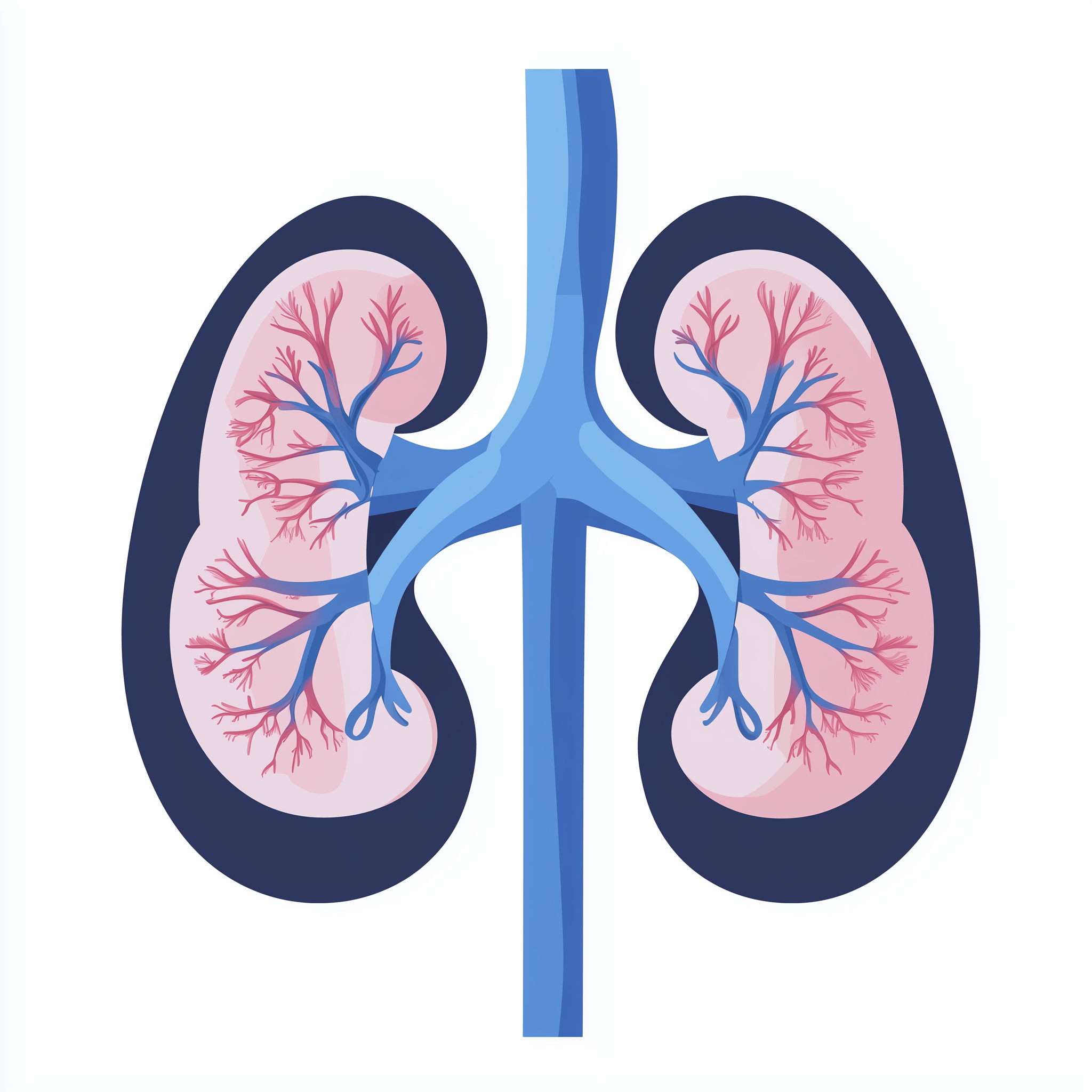
The primary organs affected in Branchiootorenal syndrome are the kidneys and the structures involved in hearing. Kidney involvement can range from minor structural differences to severe malformations like renal agenesis (missing kidney) or severe hypoplasia (underdeveloped kidney), which can impair kidney function. The auditory system can be affected at multiple levels, including the outer ear with cosmetic differences, the middle ear with ossicular chain abnormalities, and the inner ear with cochlear defects, all contributing to hearing impairment.
Additionally, tissues derived from the branchial arches during embryonic development, which form parts of the head and neck, can be affected. This can lead to branchial cleft cysts or fistulas in the neck area. The tear ducts may also be narrower than typical, which can lead to tearing and infections.

Risks & severity
The severity of Branchiootorenal syndrome is highly variable. Some individuals may experience only minor symptoms, such as small skin tags near the ear, while others may have severe kidney disease requiring dialysis or transplantation, alongside profound hearing loss. The degree of kidney involvement does not always correlate with the severity of ear or hearing problems. The age of onset for symptoms is typically from birth; however, conditions like kidney insufficiency may develop or progress over time, and hearing loss might be identified during early childhood screening or following difficulties with speech development.
Approximately two-thirds of individuals with BOR syndrome will have some form of kidney abnormality, and around 80-90% experience hearing loss [PMID:20301327]. The risk of developing end-stage kidney disease requiring intervention is present for those with significant renal involvement. Regular monitoring of kidney function and hearing is generally recommended to manage potential complications effectively.
Genetic causes
Branchiootorenal syndrome is caused by pathogenic variants in specific genes that play crucial roles in early embryonic development. The main genes associated with BOR syndrome are EYA1 and SIX1. These genes are involved in the development of the kidneys, ears, and branchial arches during foetal growth.
The EYA1 gene provides instructions for making a protein that controls the activity of other genes, acting as a transcriptional coactivator. This protein is vital for the proper formation of various tissues and organs, including kidney and ear structures. Pathogenic changes in EYA1 can disrupt its ability to regulate gene expression, leading to the developmental anomalies seen in BOR syndrome [PMID:33678508]. The SIX1 gene also codes for a protein that acts as a transcription factor, meaning it helps turn other genes on or off, and is likewise important for normal organ development. Variants in SIX1 can similarly impact the development of the same organs and structures [PMID:25725208].
- EYA1 EYA transcriptional coactivator and phosphatase 1
- SIX1 SIX homeobox 1
Inheritance pattern
Branchiootorenal syndrome is inherited in an autosomal dominant pattern. This means that a person only needs to inherit one copy of an altered gene (either EYA1 or SIX1) from one parent to develop the condition. If a parent has BOR syndrome, there is a 50% chance with each pregnancy that their child will also inherit the altered gene and therefore the condition.
In some cases, a new (de novo) pathogenic variant can occur in an individual, meaning neither parent carried the altered gene. When a new variant arises, the affected individual can then pass it on to their children in an autosomal dominant manner. Family members, including siblings and parents of an affected individual, may be offered genetic counselling to discuss the risks and potential implications for their own health and future family planning.
Each child has a 50% chance of inheriting the pathogenic variant, regardless of sex.
Diagnosis & testing
Diagnosing Branchiootorenal syndrome typically involves a combination of clinical assessment and genetic testing. A clinical diagnosis is usually considered if an individual presents with two or more of the major features such as branchial anomalies, hearing loss, preauricular pits, structural ear anomalies, and kidney malformations. A family history of BOR syndrome also supports the diagnosis.
Genetic testing is used to confirm the diagnosis by identifying a pathogenic variant in the EYA1 or SIX1 gene [PMID:33678508]. In the UK, genetic testing for BOR syndrome (R-code R115) may be offered through NHS Genomic Medicine Service (GMS) pathways, often following a referral from a GP or specialist to a clinical genetics service. Genetic counsellors can help explain the testing process, its implications, and the results.
Management & lifestyle
Management of Branchiootorenal syndrome focuses on addressing the specific symptoms and potential complications experienced by each individual. As the condition can vary widely, a personalised management plan is generally developed by a multidisciplinary team of specialists.
For hearing loss, management strategies may include hearing aids, cochlear implants for more severe cases, and speech and language therapy [PMID:20301327]. Regular audiology assessments are important to monitor hearing capabilities. Kidney abnormalities require monitoring by a kidney specialist (nephrologist), which may involve regular blood and urine tests, and imaging studies to assess kidney function. In cases of significant kidney impairment, interventions such as medication, dialysis, or kidney transplantation may be considered. Branchial cysts or fistulas may require surgical removal if they cause symptoms or recurrent infections. Regular follow-up appointments with relevant specialists are key to managing the condition effectively within the NHS healthcare framework.
UK care pathway
In the UK, individuals suspected of having Branchiootorenal syndrome would typically be referred by their GP or another specialist to a regional clinical genetics service. This service can provide expert assessment, genetic counselling, and access to genetic testing via the NHS Genomic Medicine Service (GMS) pathways. The relevant R-code for genetic testing for BOR syndrome is R115. A genetic counsellor can provide detailed information about the inheritance patterns, what a diagnosis means for the individual and their family, and discuss options for family planning. Care is generally coordinated through various NHS specialist departments depending on the specific symptoms present.
Frequently asked questions
What is the difference between Branchiootorenal (BOR) syndrome and Branchiootic (BO) syndrome?
BOR and BO syndromes are very similar conditions. The key distinction is that individuals with Branchiootorenal syndrome have kidney abnormalities, whereas those with Branchiootic syndrome typically do not experience kidney problems. Both conditions involve hearing loss and branchial anomalies.
If I have BOR syndrome, will my children definitely inherit it?
No, not definitely. Branchiootorenal syndrome is inherited in an autosomal dominant pattern. This means if you have the condition, there is a 50% chance with each pregnancy that your child will inherit the gene variant and therefore the condition.
Can the symptoms of BOR syndrome get worse over time?
Some symptoms, particularly kidney function, can change or worsen over time, requiring ongoing medical monitoring. Hearing loss may also progress, or its impact become more noticeable with age. Regular check-ups with specialists are important to manage any changes effectively.
Is there a cure for Branchiootorenal syndrome?
Currently, there is no cure for Branchiootorenal syndrome. However, the condition's symptoms can be managed through various medical and surgical interventions. Treatment focuses on alleviating issues such as hearing loss, kidney problems, and any branchial cysts or fistulas, to improve quality of life.
Why is it called Branchiootorenal syndrome?
The name reflects the main affected body parts: 'branchio' refers to developmental anomalies of the branchial arches (structures that form parts of the head and neck), 'oto' relates to the ears and hearing problems, and 'renal' pertains to kidney abnormalities.
References
- Adam MP, Bick S, Mirzaa GM. Branchiootorenal Spectrum Disorder. 1993. PMID: 20301554
- Biggs K, Crundwell G, Metcalfe C. Anatomical and audiological considerations in branchiootorenal syndrome: A systematic review. Laryngoscope investigative otolaryngology. 2022. PMID: 35434312
- Ječmenica J, Bajec-Opančina A. Branchiootorenal and branchiooculofacial syndrome. The Journal of craniofacial surgery. 2015. PMID: 25569411
- Tian L, West N, Cayé-Thomasen P. Cochlear implantation in Branchiootorenal syndrome - case report and review of the literature. Cochlear implants international. 2022. PMID: 34498539
- Chen A, Song J, Acke FRE. Otological manifestations in branchiootorenal spectrum disorder: A systematic review and meta-analysis. Clinical genetics. 2021. PMID: 33624842
- Lewis M, Robson CD, D'Arco F. Syndromic Hearing Loss in Children. Neuroimaging clinics of North America. 2023. PMID: 37741658
- Nasir SB, Ladan SJ, Bemu AN. Branchiootorenal syndrome: A case report. The Nigerian postgraduate medical journal. 2018. PMID: 29676348
- Sewerin S, Aurnhammer C, Skubic C. Mechanisms of pathogenicity and the quest for genetic modifiers of kidney disease in branchiootorenal syndrome. Clinical kidney journal. 2024. PMID: 38213489