

On this page
Congenital sucrase-isomaltase deficiency
CSID is a genetic condition that impacts digestion, primarily in infants and young children. It occurs when the body lacks sufficient sucrase-isomaltase, an enzyme necessary for processing sugars like those found in table sugar and starches. This leads to digestive symptoms such as diarrhoea and abdominal pain.
Overview
Congenital sucrase-isomaltase deficiency (CSID) is a condition that affects how the body processes certain sugars. Individuals with CSID have a reduced ability to digest sucrose (commonly known as table sugar) and some starches, due to a deficiency in an enzyme called sucrase-isomaltase [PMID:33671239]. This enzyme is normally found in the lining of the small intestine and plays a crucial role in breaking down these sugars into simpler forms that the body can absorb.
When sucrose and starches are not properly digested, they remain in the gut and can cause water to be drawn into the bowel, leading to digestive symptoms. CSID typically becomes apparent during infancy or early childhood when foods containing sucrose or starches are introduced into the diet. While its exact prevalence varies globally, it is thought to affect approximately 1 in 5,000 people in Greenland, and may be less common in other populations.
Symptoms & clinical features
The symptoms of CSID usually appear when sucrose or starch-containing foods are introduced into an infant's diet, such as fruit juices, cereals, or solid foods. Common symptoms include chronic watery diarrhoea, abdominal pain, bloating, and excessive gas [PMID:33671239]. Some children might also experience vomiting.
In more severe or prolonged cases, these digestive issues can lead to poor weight gain and failure to thrive, as the body struggles to absorb enough nutrients [PMID:33671239]. Symptoms can range from mild to severe, depending on the remaining activity of the sucrase-isomaltase enzyme and the amount of problematic sugars consumed. These symptoms can be similar to those of other gastrointestinal conditions, which can sometimes make diagnosis challenging.
Video: Genetics 101
Affected organs
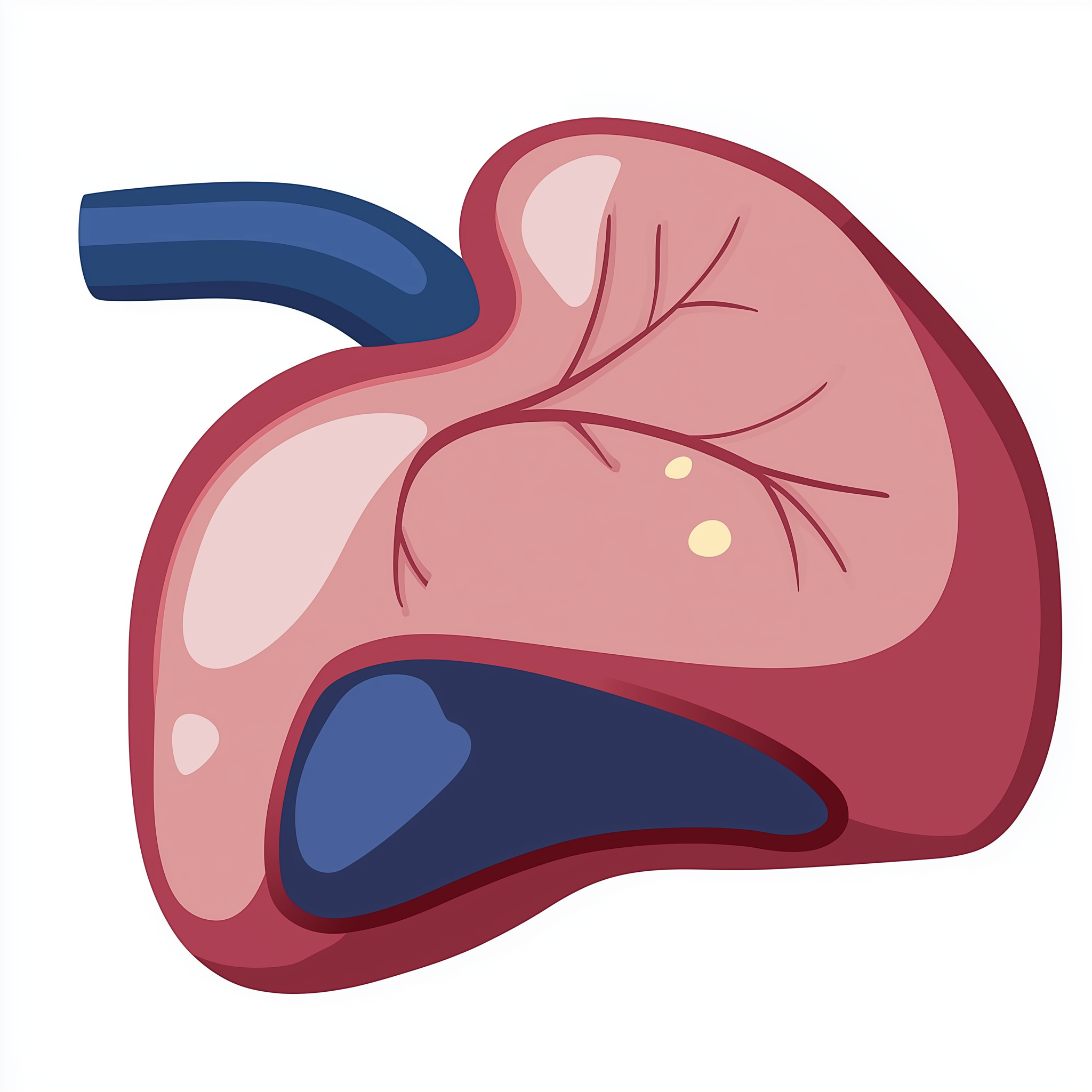
CSID primarily affects the small intestine, specifically the cells lining it (enterocytes). These cells are responsible for producing the sucrase-isomaltase enzyme. When this enzyme is deficient, the undigested sugars pass into the large intestine, where they ferment. This fermentation process leads to the production of gas and acids, contributing to the abdominal pain, bloating, and watery diarrhoea experienced by individuals with CSID.

Risks & severity
The severity of CSID can vary significantly among individuals. Some people may experience severe symptoms with even small amounts of sucrose or starch, while others might have milder symptoms that are only triggered by larger intakes. If left unmanaged, persistent diarrhoea and malabsorption can lead to nutritional deficiencies, poor growth in children, and dehydration.
Generally, CSID is not considered life-threatening when managed appropriately. With dietary modifications, individuals can typically lead healthy lives. The early diagnosis and implementation of a suitable diet are key to mitigating the risks associated with inadequate nutrient absorption and managing the digestive discomfort.
Genetic causes
Congenital sucrase-isomaltase deficiency is caused by pathogenic changes in the SI gene. This gene provides instructions for making the sucrase-isomaltase enzyme, which is critical for digestion. The SI enzyme is a complex protein with two main active sites: one for sucrase activity and one for isomaltase activity.
Pathogenic variants in the SI gene typically lead to either a reduced amount of functional enzyme being produced or the production of an enzyme that does not work correctly. This means that sucrose (table sugar) and dextrins (small starch fragments) cannot be properly broken down into simpler sugars, such as glucose and fructose, for absorption. The presence of these undigested sugars in the gut then leads to the characteristic digestive symptoms of CSID.
- SI sucrase-isomaltase
Inheritance pattern
CSID follows an autosomal recessive inheritance pattern. This means an individual must inherit two copies of the altered SI gene - one from each parent - to develop the condition. People who inherit only one copy of the altered gene are known as carriers. Carriers typically do not show symptoms of CSID because their single functional copy of the gene is sufficient to produce enough sucrase-isomaltase enzyme for normal digestion.
When two carriers have children, there is a 25% chance with each pregnancy that their child will inherit two altered copies of the gene and develop CSID. There is a 50% chance the child will be a carrier like their parents, and a 25% chance the child will inherit two functional copies of the gene and not be affected or a carrier.
When both parents are carriers, each child has a 25% chance of being affected, 50% of being a carrier, and 25% of being unaffected.
Diagnosis & testing
Diagnosing CSID often begins with a clinical suspicion based on typical digestive symptoms appearing after the introduction of specific sugars or starches into the diet. A hydrogen breath test can be used to detect the presence of undigested sugars fermenting in the gut after a sugar challenge, which may suggest CSID. Definitive diagnosis is often confirmed through genetic testing, which looks for pathogenic variants in the SI gene [PMID:36577881].
Referral to a gastroenterologist or a clinical genetics service is usually the first step for diagnosis. Genetic testing for CSID can be accessed via the NHS Genomic Medicine Service (GMS) pathways, often under R-codes relating to inherited gastrointestinal conditions. Genetic counsellors play an important role in explaining the diagnostic process and inheritance patterns to families.
Management & lifestyle
While there is currently no cure for CSID, the condition is typically managed through dietary modifications. The primary approach involves reducing or eliminating sucrose and starch from the diet, depending on an individual's tolerance. Specialist dietitians often work closely with affected individuals and their families to develop a suitable, balanced diet that minimises symptoms while ensuring adequate nutrition.
In some cases, enzyme replacement therapy with sucrase (sucrosidase) may be prescribed to help digest sucrose, though this does not replace isomaltase activity. Ongoing monitoring by healthcare professionals, including dietitians and gastroenterologists, is important to adjust dietary plans as needed and monitor growth and nutritional status. The NHS provides care pathways involving these specialists to support individuals with CSID.
UK care pathway
In the UK, individuals suspected of having CSID, particularly infants or young children with persistent digestive issues, would typically be referred by their GP to a paediatrician or a gastroenterologist for further investigation. If CSID is suspected, genetic testing can be accessed through the NHS Genomic Medicine Service (GMS), often following assessment through relevant R-codes for inherited gastrointestinal disorders. Genetic counsellors are available to provide support and information to families throughout the diagnostic process and beyond.
Frequently asked questions
What foods should someone with CSID avoid?
Individuals with CSID typically need to limit or avoid foods high in sucrose (table sugar) and certain starches. This often includes sweets, sugary drinks, some fruits and vegetables, and processed foods with added sugars. A dietitian can provide specific guidance.
Can CSID improve with age?
Unlike some other digestive enzyme deficiencies, CSID caused by pathogenic changes in the SI gene is generally considered a lifelong condition. However, some individuals may find their tolerance to certain sugars slightly improves over time, or they learn strategies to manage their diet effectively.
Is breastfeeding possible with CSID?
Yes, breastfeeding is generally encouraged for infants with CSID. Breast milk contains lactose, not sucrose, and individuals with CSID typically have normal lactase enzyme activity, allowing them to digest breast milk without issue.
How is CSID treated if diet alone isn't enough?
If dietary changes are insufficient to control symptoms, enzyme replacement therapy with artificial sucrase (sucrosidase) may be prescribed. This medication helps break down sucrose, though it does not address the isomaltase deficiency.
Will my children inherit CSID?
If you have CSID, your children's risk depends on whether your partner is also a carrier or affected. Because CSID is autosomal recessive, your children would only develop CSID if they inherit two pathogenic gene copies, meaning both parents must contribute one.
References
- Danialifar TF, Chumpitazi BP, Mehta DI. Genetic and acquired sucrase-isomaltase deficiency: A clinical review. Journal of pediatric gastroenterology and nutrition. 2024. PMID: 38327254
- Treem WR. Congenital sucrase-isomaltase deficiency. Journal of pediatric gastroenterology and nutrition. 1995. PMID: 8576798
- Barut D, Kıran Taşcı E, Kunay B. Congenital sucrase-isomaltase deficiency in Türkiye; a single center experience. Scandinavian journal of gastroenterology. 2024. PMID: 38459691
- Taskin DG, Civan HA, Sari EE. Prevalence of congenital sucrase-isomaltase deficiency in Turkey may be much higher than the estimates. Journal of genetics. 2023. PMID: 37349966
- Smith H, Romero B, Flood E. The patient journey to diagnosis and treatment of congenital sucrase-isomaltase deficiency. Quality of life research : an international journal of quality of life aspects of treatment, care and rehabilitation. 2021. PMID: 33772704
- Wanes D, Husein DM, Naim HY. Congenital Lactase Deficiency: Mutations, Functional and Biochemical Implications, and Future Perspectives. Nutrients. 2019. PMID: 30813293
- Treem WR. Clinical heterogeneity in congenital sucrase-isomaltase deficiency. The Journal of pediatrics. 1996. PMID: 8648527
- Senftleber NK, Ramne S, Moltke I. Genetic Loss of Sucrase-Isomaltase Function: Mechanisms, Implications, and Future Perspectives. The application of clinical genetics. 2023. PMID: 36994449