

On this page
Dentatorubral-pallidoluysian atrophy (DRPLA)
DRPLA is a rare, inherited condition that affects the brain, causing a range of symptoms that worsen over time. It can impact individuals differently, but commonly involves issues with coordination, thinking abilities, and psychological well-being.
Overview
Dentatorubral-pallidoluysian atrophy (DRPLA) is a rare, inherited neurodegenerative disorder primarily affecting the brain. It is characterised by the progressive deterioration of specific brain regions, including the dentate nucleus, red nucleus, globus pallidus, and subthalamic nucleus [PMID:1652352]. These areas are crucial for controlling movement, coordination, and cognitive functions. DRPLA is one of several conditions classified as CAG repeat disorders.
Symptoms & clinical features
The symptoms of DRPLA can vary considerably between individuals, even within the same family, and generally depend on the age at which they first appear. In younger individuals, particularly those under 20 (juvenile or early-onset DRPLA), symptoms often include seizures, myoclonus (sudden, involuntary muscle jerks), intellectual disability, and behavioural changes [PMID:12702079]. Behavioural issues might involve aggression or changes in personality.
For those who develop symptoms later in life (adult-onset DRPLA), typically after the age of 20, common features include progressive ataxia (problems with coordination and balance), choreoathetosis (involuntary, jerky and writhing movements), and dementia (a decline in cognitive abilities such as memory and thinking). Psychiatric symptoms, such as depression, anxiety, and psychosis, are also frequently observed across different age groups [PMID:12702079].
Video: Genetics 101
Affected organs
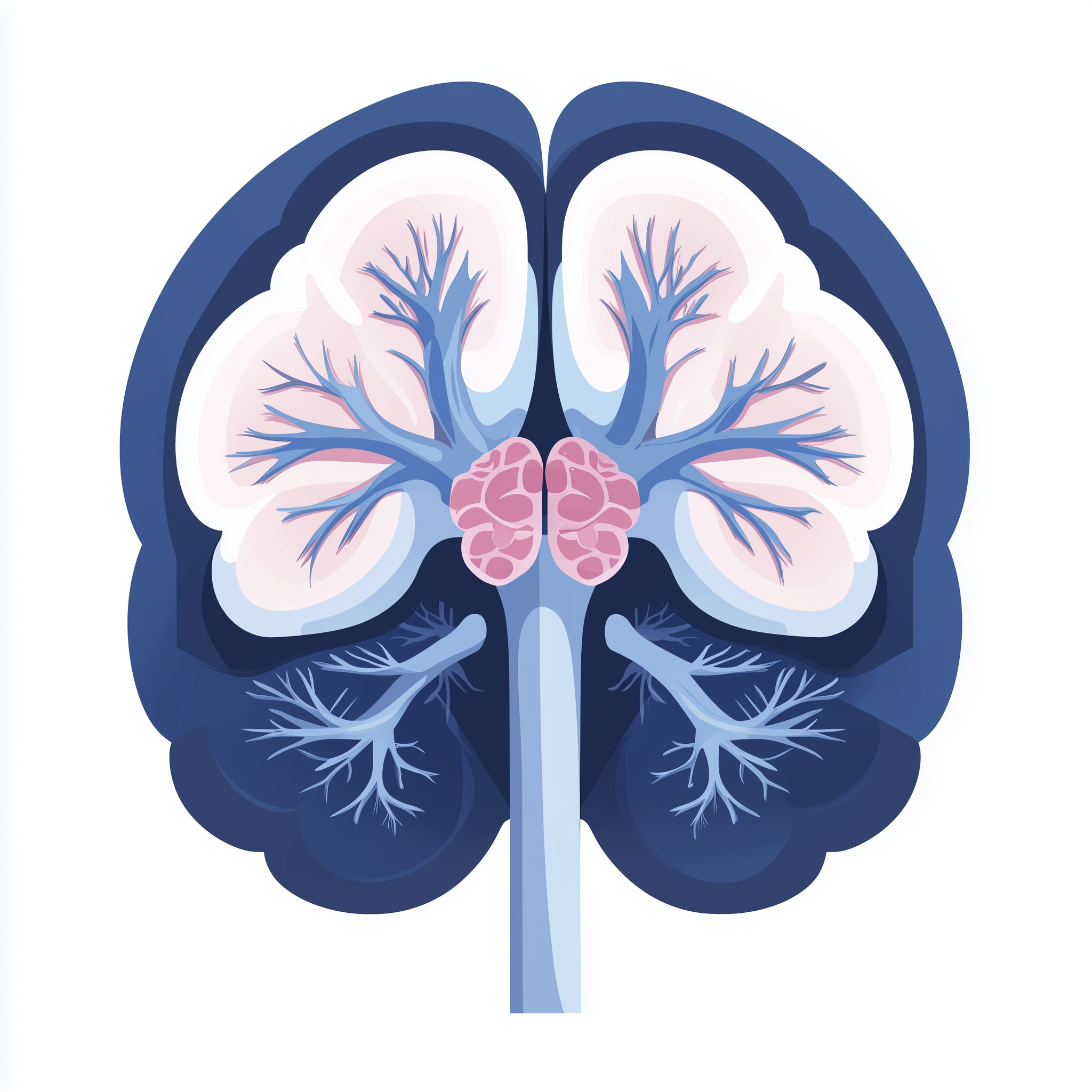
DRPLA primarily affects the central nervous system, particularly specific deep brain structures. The name 'dentatorubral-pallidoluysian' refers to the main regions impacted: the dentate nucleus of the cerebellum, the red nucleus in the midbrain, the globus pallidus, and the subthalamic nucleus. Deterioration of these areas leads to the neurological symptoms observed. Although the primary impact is on the brain, the widespread effects on movement, cognition, and mood can indirectly affect many aspects of daily life.

Risks & severity
DRPLA is a progressive condition, meaning symptoms typically worsen over time. The severity and rate of progression can be influenced by the length of the CAG repeat expansion in the ATN1 gene; generally, longer expansions are associated with earlier onset and a more severe disease course. The condition is rare globally, but it has a relatively higher prevalence in Japan compared to other populations. Specific prevalence figures for the UK are not well established due to its rarity. The age of onset can range from early childhood to later adulthood, typically between 1 and 60 years of age, but is usually before 50 years [PMID:12702079]. The progressive nature of the disease can lead to significant disability, impacting independence and quality of life over time.
Genetic causes
Dentatorubral-pallidoluysian atrophy (DRPLA) is caused by genetic changes in the ATN1 gene, which provides instructions for making a protein called atrophin-1. The ATN1 gene contains a specific section of DNA made up of repeated CAG building blocks. In individuals with DRPLA, this CAG section is expanded beyond its normal length [PMID:9565659]. This 'CAG repeat expansion' leads to the production of an altered, unstable atrophin-1 protein.
While the exact mechanism by which this altered protein causes neurodegeneration is still being researched, it is thought to become toxic to brain cells. The expansion causes the protein to misfold or aggregate, interfering with normal cellular processes and ultimately leading to the progressive damage and loss of neurons in the brain [PMID:12702079].
- ATN1 atrophin 1
Inheritance pattern
DRPLA is inherited in an autosomal dominant pattern. This means that a person only needs to inherit one copy of the altered ATN1 gene from either parent to develop the condition. If a parent has DRPLA, there is a 50% chance with each pregnancy that their child will inherit the altered gene and also develop the condition. DRPLA can affect both males and females equally. In some rare instances, the expansion can occur spontaneously without a family history.
Each child has a 50% chance of inheriting the pathogenic variant, regardless of sex.
Diagnosis & testing
Diagnosing DRPLA typically begins with a clinical evaluation based on the presence of characteristic neurological and psychiatric symptoms. A neurologist may perform examinations to assess movement, coordination, cognitive function, and mental health. Neuroimaging techniques, such as MRI scans of the brain, may show brain atrophy (shrinkage) in affected areas, but these findings are not specific to DRPLA.
A definitive diagnosis of DRPLA is confirmed through genetic testing, which looks for the CAG repeat expansion in the ATN1 gene. Under the NHS Genomic Medicine Service, genetic testing for DRPLA may be available through specific diagnostic pathways, typically initiated by a clinical genética specialist. Relevant R-codes for neurodegenerative conditions might be applicable depending on the specific clinical presentation.
Management & lifestyle
There is currently no cure for DRPLA, and management focuses on alleviating symptoms and improving quality of life. This often involves a multidisciplinary approach tailored to the individual's specific symptoms. Medications may be prescribed to manage seizures, involuntary movements, and psychiatric symptoms like depression, anxiety, or psychosis.
Physical therapy, occupational therapy, and speech therapy can help maintain mobility, independence in daily activities, and communication skills. Regular follow-up with neurologists and other specialists is important to monitor disease progression and adjust treatments as needed. Genetic counsellors can provide essential information and support to individuals and families affected by DRPLA, helping them understand the condition, inheritance patterns, and reproductive options.
UK care pathway
In the UK, individuals suspected of having DRPLA would typically be referred by their GP or another specialist to a clinical genetics service or a specialist neurology clinic. These services can confirm a diagnosis through genetic testing, often adhering to the NHS Genomic Medicine Service pathways. Genetic counsellors play a vital role, offering information, emotional support, and facilitating discussions about genetic implications for family members. Diagnosis aligns with specific R-codes within the NHS National Genomic Test Directory for neurodegenerative disorders, enabling access to appropriate testing.
Frequently asked questions
What is a 'CAG repeat expansion'?
A CAG repeat expansion refers to a specific section of DNA where the three-letter sequence 'CAG' is repeated too many times. In DRPLA, this expansion occurs in the ATN1 gene, leading to the production of an altered protein that can become harmful to brain cells.
If someone in my family has DRPLA, could I have it?
Because DRPLA is inherited in an autosomal dominant pattern, if a parent has the condition, each child has a 50% chance of inheriting the altered gene. If you have a family history, you can discuss genetic counselling and testing with your doctor to understand your personal risk.
Is there a cure for DRPLA?
Currently, there is no cure for DRPLA. Management focuses on treating the symptoms to improve quality of life. This includes medications to control specific symptoms and various therapies such as physical, occupational, and speech therapy.
How does DRPLA differ from other conditions like Huntington's disease?
DRPLA and Huntington's disease are both part of a group of conditions caused by CAG repeat expansions. While they share some symptoms like involuntary movements and cognitive changes, they are caused by changes in different genes (ATN1 for DRPLA, HTT for Huntington's) and often target slightly different brain regions, leading to distinct clinical profiles.
What kind of doctors treat DRPLA?
Individuals with DRPLA are typically cared for by a team of specialists. This often includes neurologists who specialise in movement disorders, psychiatrists for mental health support, geneticists for diagnosis and family planning, and therapists such as physiotherapists, occupational therapists, and speech and language therapists.
References
- Tsuji S. Dentatorubral-pallidoluysian atrophy. Handbook of clinical neurology. 2012. PMID: 21827919
- Tsuji S. Dentatorubral-pallidoluysian atrophy (DRPLA). Journal of neural transmission. Supplementum. 2000. PMID: 11128606
- Soong BW, Morrison PJ. Spinocerebellar ataxias. Handbook of clinical neurology. 2018. PMID: 29891056
- Rocha Cabrero F, De Jesus O. Dentatorubral Pallidoluysian Atrophy. 2023. PMID: 32809697
- Carroll LS, Massey TH, Wardle M. Dentatorubral-pallidoluysian Atrophy: An Update. Tremor and other hyperkinetic movements (New York, N.Y.). 2018. PMID: 30410817
- Nowak B, Kozlowska E, Pawlik W. Atrophin-1 Function and Dysfunction in Dentatorubral-Pallidoluysian Atrophy. Movement disorders : official journal of the Movement Disorder Society. 2023. PMID: 36809552
- Ross CA, Wood JD, Schilling G. Polyglutamine pathogenesis. Philosophical transactions of the Royal Society of London. Series B, Biological sciences. 1999. PMID: 10434299
- Yuan RY, Chen YF, Lin W. Clinical and Genetic Findings in a Chinese Cohort of Dentatorubral-Pallidoluysian Atrophy Patients. Annals of neurology. 2025. PMID: 40552560