

On this page
Denys-Drash syndrome
This rare genetic disorder primarily impacts the kidneys, typically leading to kidney failure early in life. It also involves an increased risk of Wilms tumour, a type of kidney cancer, and may affect genital development.
Available at Jeen Health
Clinical tests that include this
Overview
Denys-Drash syndrome (DDS) is a rare genetic condition that primarily affects kidney development and function. Individuals with DDS often experience early-onset kidney disease, which can progress to kidney failure, typically during infancy or early childhood [PMID:33678170]. A key characteristic of DDS is a significantly increased risk of developing Wilms tumour, a cancer of the kidney that usually occurs in young children. The syndrome can also be associated with problems in the development of the reproductive and urinary systems.
Symptoms & clinical features
The symptoms of Denys-Drash syndrome typically become apparent in early life. Kidney problems often manifest as nephrotic syndrome, which is a condition where the kidneys leak large amounts of protein into the urine [PMID:1648939]. This can lead to swelling, particularly around the eyes and in the legs, and can progress to end-stage kidney failure. Wilms tumour, a type of kidney cancer, generally develops in early childhood. Abnormal development of the genitals, known as disorders of sex development (DSD), can also be a feature of DDS. For instance, individuals assigned male at birth may have undescended testes or ambiguous genitalia, while individuals assigned female at birth may have underdeveloped ovaries or an atypical uterus [PMID:15682800].
Video: Genetics 101
Affected organs
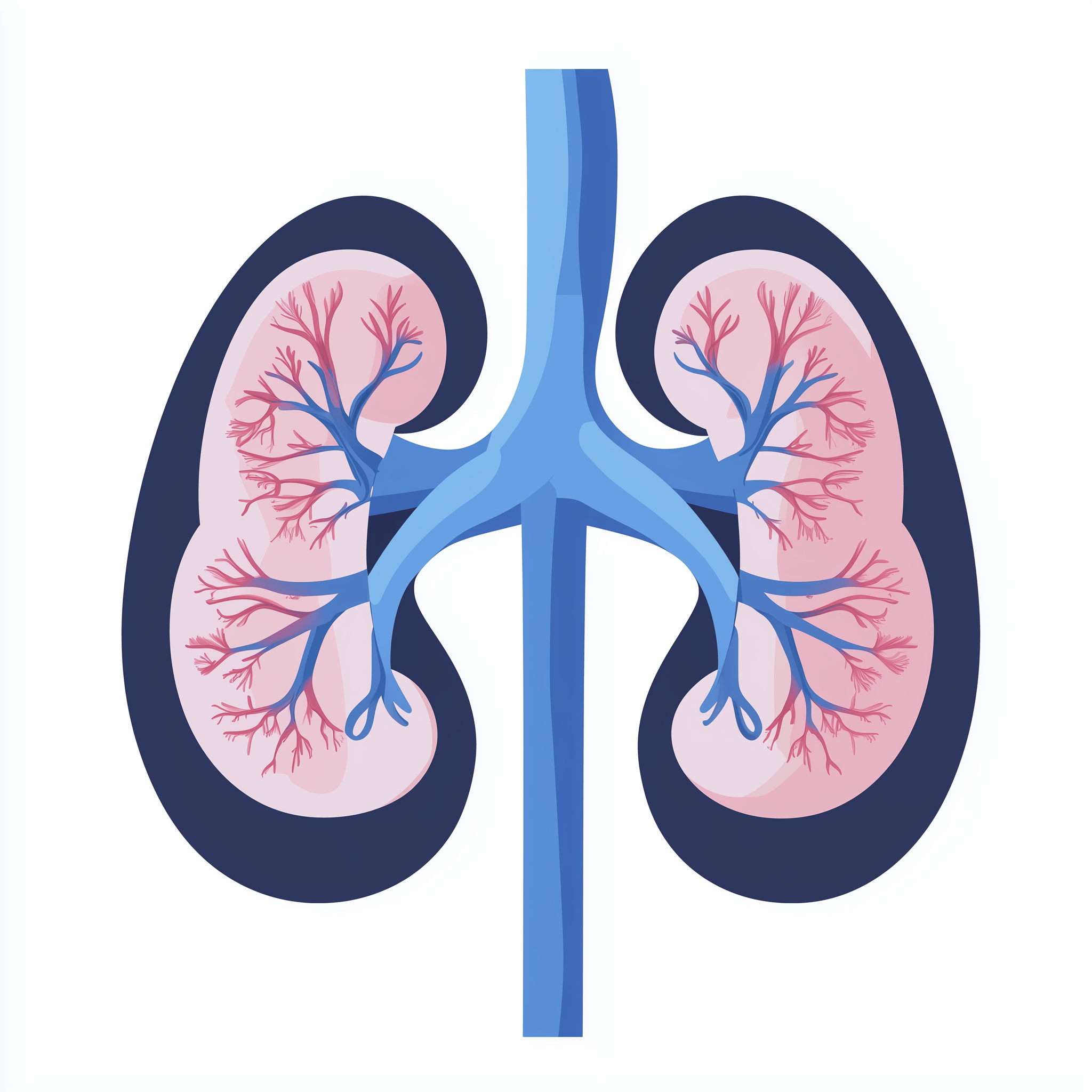
The primary organs affected in Denys-Drash syndrome are the kidneys. The kidney disease often begins in infancy or early childhood, presenting as nephrotic syndrome and potentially leading to kidney failure. The kidneys are also at a high risk for developing Wilms tumour, a type of childhood kidney cancer. In addition to the kidneys, the reproductive and urinary systems can be affected, leading to various disorders of sex development (DSD). These can range from minor abnormalities to more significant issues affecting the external and internal reproductive organs.

Risks & severity
Denys-Drash syndrome is considered a severe condition due to the significant risk of early-onset kidney failure and Wilms tumour. Kidney disease often progresses rapidly, necessitating kidney dialysis or transplantation in the first few years of life [PMID:33678170]. The lifetime risk of developing Wilms tumour in individuals with DDS is very high, estimated to be over 90%. This tumour typically develops before the age of four years. The severity of genital developmental issues can vary amongst individuals. Early diagnosis and close monitoring are crucial for managing these serious health concerns.
Genetic causes
Denys-Drash syndrome is caused by specific pathogenic variants in the WT1 gene. The WT1 gene provides instructions for making a protein that acts as a transcription factor. This protein plays a crucial role in regulating the activity of other genes, which is essential for normal development of several organs, particularly the kidneys and reproductive system, during embryonic growth. Pathogenic variants in WT1 can disrupt its normal function, leading to the developmental problems seen in DDS. This disruption can cause the kidneys to develop abnormally and also increase the likelihood of uncontrolled cell growth, leading to Wilms tumour [PMID:33678170].
- WT1 WT1 transcription factorThe WT1 gene provides instructions for a protein essential for the development of the kidneys and gonads, playing a critical role in cell growth, differentiation, and programmed cell death.
Inheritance pattern
Denys-Drash syndrome is typically inherited in an autosomal dominant pattern. This means that a person only needs one copy of the altered WT1 gene in each cell to have the condition. In many cases, the genetic change occurs spontaneously (de novo mutation) in the affected individual and is not inherited from either parent. However, if a parent has DDS, there is a 50% chance with each pregnancy that their child will also inherit the condition. Genetic counselling can provide detailed information about inheritance patterns and risks for family members.
Each child has a 50% chance of inheriting the pathogenic variant, regardless of sex.
Diagnosis & testing
Diagnosis of Denys-Drash syndrome is usually suspected based on the characteristic clinical features, such as early-onset nephrotic syndrome, presence of Wilms tumour, or abnormalities of the genitals. The diagnosis is confirmed through genetic testing, which identifies pathogenic variants in the WT1 gene. In the UK, individuals suspected of having DDS, particularly children presenting with childhood nephrotic syndrome, Wilms tumour, or specific genitourinary anomalies, would typically be referred to a paediatric renal specialist or clinical geneticist. Genetic testing for WT1 is available through the NHS Genomic Medicine Service, often under specific R-codes for renal disorders or cancer predisposition syndromes.
Management & lifestyle
Due to the severe nature of Denys-Drash syndrome, management involves a multidisciplinary team approach. This typically includes paediatric nephrologists, oncologists, urologists, endocrinologists, and clinical geneticists. Regular surveillance for Wilms tumour is crucial, often involving frequent abdominal ultrasound scans during early childhood. If a tumour is detected, treatment commonly involves surgery, chemotherapy, and sometimes radiotherapy. For kidney disease, management focuses on controlling symptoms of nephrotic syndrome and preparing for potential kidney dialysis or transplantation. Individuals with disorders of sex development will receive specialised care tailored to their specific needs. Genetic counselling is an important part of care, providing support and information to families navigating the complexities of DDS.
UK care pathway
In the UK, individuals suspected of having Denys-Drash syndrome are typically referred to specialist services within the NHS. This could be a paediatric nephrology service, paediatric oncology service, or a clinical genetics department. Genetic testing for conditions like DDS is coordinated through the NHS Genomic Medicine Service (GMS) and is often accessed via specific R-codes, such as those related to nephrotic syndrome, Wilms tumour, or disorders of sex development. Clinical geneticists and genetic counsellors play a vital role in coordinating diagnosis, discussing treatment options, and providing support to affected individuals and their families.
Frequently asked questions
What is Wilms tumour and what is its link to Denys-Drash syndrome?
Wilms tumour is a type of kidney cancer that primarily affects young children. In Denys-Drash syndrome, there is a very high risk of developing Wilms tumour, often in early childhood. This is because the WT1 gene, which is altered in DDS, plays a vital role in normal kidney development and preventing uncontrolled cell growth.
Will all individuals with Denys-Drash syndrome need a kidney transplant?
Many individuals with Denys-Drash syndrome will develop end-stage kidney failure, often in infancy or early childhood. When this happens, a kidney transplant or dialysis becomes necessary to maintain kidney function. However, the exact timing and necessity can vary.
Can Denys-Drash syndrome be inherited from parents?
Denys-Drash syndrome is an autosomal dominant condition. In many cases, the genetic change occurs spontaneously in the affected individual. However, if a parent has the altered WT1 gene, there is a 50% chance that each child will inherit the condition. Genetic counselling can help families understand these risks.
What kind of monitoring is needed for Denys-Drash syndrome?
Close and regular monitoring is essential for individuals with Denys-Drash syndrome. This typically involves frequent ultrasound scans of the abdomen to check for Wilms tumour, as well as regular check-ups with kidney specialists to monitor kidney function. Management is handled by a team of specialist doctors.
Is there a cure for Denys-Drash syndrome?
There is currently no cure for the underlying genetic cause of Denys-Drash syndrome. However, medical management focuses on treating the specific symptoms and complications, such as removing Wilms tumours, managing kidney disease, and addressing any issues with genital development. Advances in medical care have significantly improved outcomes for individuals with DDS.
References
- Lopez-Gonzalez M, Ariceta G. WT1-related disorders: more than Denys-Drash syndrome. Pediatric nephrology (Berlin, Germany). 2024. PMID: 38326647
- Kucinskas L, Rudaitis S, Pundziene B. Denys-Drash syndrome. Medicina (Kaunas, Lithuania). 2005. PMID: 15758579
- Adam MP, Bick S, Mirzaa GM. WT1 Disorder. 1993. PMID: 32352694
- Mueller RF. The Denys-Drash syndrome. Journal of medical genetics. 1994. PMID: 8071974
- Nishi K, Kamei K, Ogura M. Refractory Hypertension in Infantile-Onset Denys-Drash Syndrome. The Tohoku journal of experimental medicine. 2020. PMID: 32863338
- Glénisson M, Grapin M, Blanc T. Genotype-Phenotype Correlations in Denys-Drash Syndrome in Children. Kidney international reports. 2025. PMID: 40303223
- Suri M, Kabra M, Kataria A. Denys-Drash syndrome. Indian pediatrics. 1995. PMID: 8772891
- Hashimoto H, Zhang X, Zheng Y. Denys-Drash syndrome associated WT1 glutamine 369 mutants have altered sequence-preferences and altered responses to epigenetic modifications. Nucleic acids research. 2016. PMID: 27596598