

On this page
Dubin-Johnson syndrome
This syndrome is typically benign and results from the liver's inability to effectively remove a yellow pigment called bilirubin. It is usually diagnosed in young adults and often presents with intermittent yellowing of the skin and eyes.
Available at Jeen Health
Clinical tests that include this
Overview
Dubin-Johnson syndrome is a rare, inherited condition that primarily affects the liver's ability to process bilirubin [PMID:33221975]. Bilirubin is a yellow waste product formed when old red blood cells break down. Normally, the liver modifies bilirubin and then excretes it into bile, a digestive fluid. In Dubin-Johnson syndrome, this excretion process is disrupted, leading to an accumulation of a modified form of bilirubin in the body and a darkened liver appearance.
While this accumulation causes jaundice, Dubin-Johnson syndrome is generally considered a benign condition. Most individuals experience mild, intermittent jaundice and do not develop severe liver disease or require specific medical treatment. The condition is often first noticed in adolescence or early adulthood, sometimes triggered by factors like pregnancy, oral contraceptives, or certain medications.
Symptoms & clinical features
The main symptom of Dubin-Johnson syndrome is mild jaundice, which is a yellowing of the skin and whites of the eyes. This jaundice may be constant but is often intermittent, meaning it comes and goes [PMID:33221975]. It can become more noticeable during times of stress, illness, physical exertion, pregnancy, or when taking certain medications, particularly oral contraceptives.
Apart from jaundice, individuals with Dubin-Johnson syndrome are typically asymptomatic, meaning they do not experience other symptoms. Some may report vague symptoms such as mild abdominal discomfort, fatigue, or weakness, but these are not consistently linked specifically to the syndrome. Liver function tests, apart from elevated bilirubin, are usually within the normal range. The urine may appear darker than usual due to the presence of conjugated bilirubin.
Video: Genetics 101
Affected organs
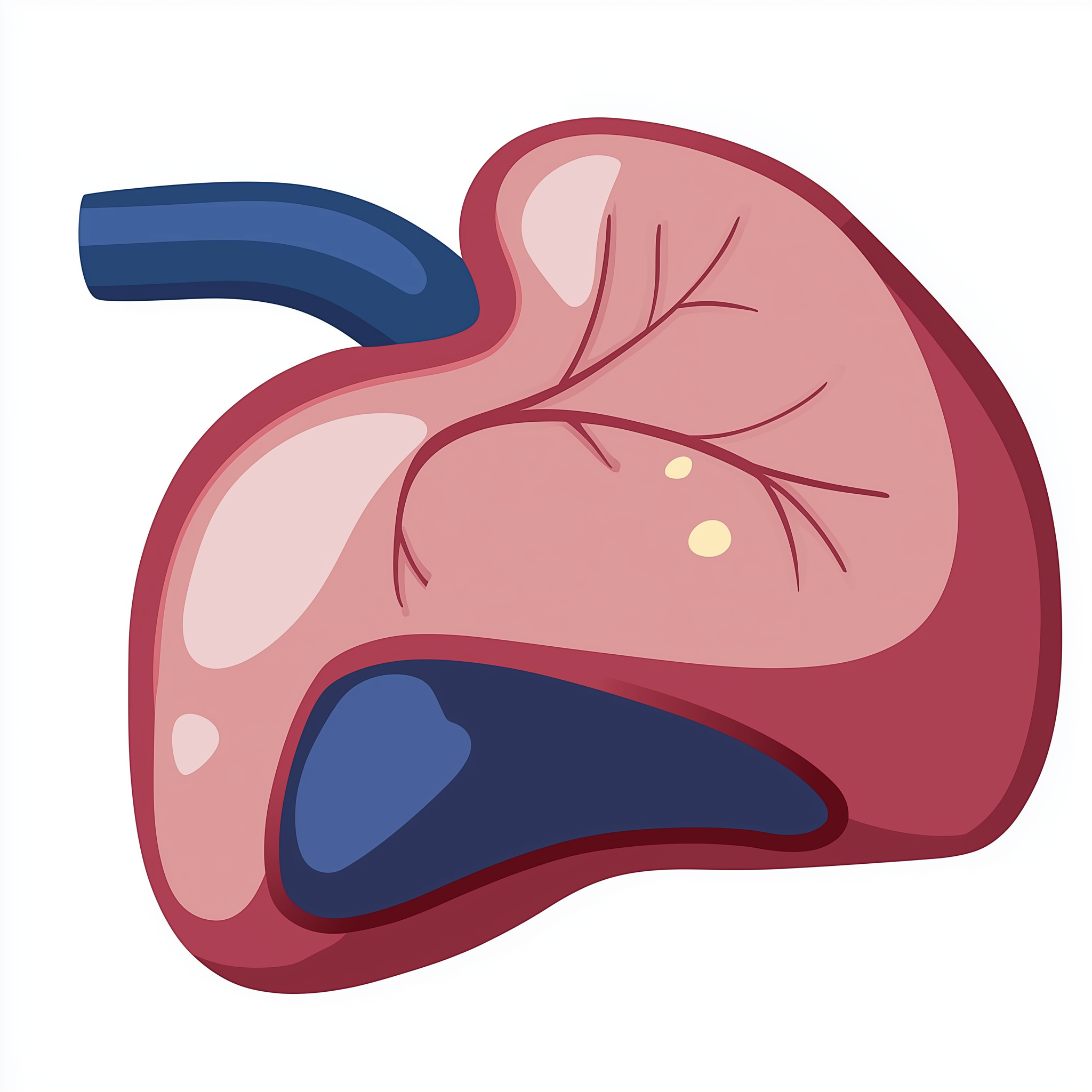
The primary organ affected in Dubin-Johnson syndrome is the liver. The condition specifically impacts the liver cells' ability to excrete conjugated bilirubin into the bile ducts. This impaired transport leads to the build-up of a dark pigment within the liver cells, causing the liver to appear black or dark brown when examined under a microscope, or during surgery or biopsy [PMID:33221975]. Despite this pigment accumulation, the liver typically functions normally in all other respects, and liver damage or cirrhosis does not usually occur.

Risks & severity
Dubin-Johnson syndrome is generally a benign condition with an excellent prognosis. The severity of jaundice can vary but is typically mild and does not lead to significant health complications. Individuals with the syndrome have a normal life expectancy and do not generally develop liver failure or advanced liver disease. The lifetime risk of serious complications from Dubin-Johnson syndrome is very low.
Exacerbating factors like illness, stress, pregnancy, and certain medications can cause temporary worsening of jaundice. It is important for individuals with Dubin-Johnson syndrome to be aware of these potential triggers. Although the liver is pigmented, this does not affect its long-term function or increase the risk of liver cancer.
Genetic causes
Dubin-Johnson syndrome is caused by pathogenic variants in the ABCC2 gene. This gene provides instructions for making a protein known as MRP2 (multidrug resistance-associated protein 2). MRP2 is a transport protein located on the surface of liver cells that line the bile ducts [PMID:33221975]. Its main role is to pump conjugated bilirubin and other substances from the liver cells into the bile, allowing them to be removed from the body.
When there are pathogenic variants in the ABCC2 gene, the MRP2 protein either isn't produced correctly, is dysfunctional, or is completely absent. This means that conjugated bilirubin cannot be effectively transported out of the liver cells and into the bile. Consequently, bilirubin builds up within the liver cells and then leaks back into the bloodstream, leading to the characteristic jaundice observed in Dubin-Johnson syndrome.
- ABCC2 ATP binding cassette subfamily C member 2The ABCC2 gene encodes the multidrug resistance protein 2 (MRP2), a transporter critical for moving various substances, including drug metabolites and bilirubin, out of cells.
Inheritance pattern
Dubin-Johnson syndrome follows an autosomal recessive inheritance pattern. This means that an individual must inherit two copies of the altered ABCC2 gene - one from each parent - to develop the condition. If a person inherits only one copy of the altered gene, they are considered a carrier. Carriers typically do not show any symptoms of Dubin-Johnson syndrome.
When two carriers have children, there is a 25% chance with each pregnancy that their child will inherit two altered copies of the gene and develop Dubin-Johnson syndrome. There is a 50% chance their child will be a carrier, and a 25% chance their child will inherit two normal copies of the gene and will not have the condition or be a carrier. Family members of someone diagnosed with Dubin-Johnson syndrome, particularly siblings, may wish to discuss carrier testing with a genetic counsellor.
When both parents are carriers, each child has a 25% chance of being affected, 50% of being a carrier, and 25% of being unaffected.
Diagnosis & testing
Diagnosis of Dubin-Johnson syndrome typically begins with clinical observation of jaundice and routine liver function tests, which will show elevated levels of conjugated (direct) bilirubin in the blood, while other liver enzymes are usually normal. A characteristic feature is often the presence of modified bilirubin in the urine. Direct visualisation of a dark, pigmented liver during abdominal surgery or a liver biopsy can also strongly suggest the diagnosis.
Genetic testing for pathogenic variants in the ABCC2 gene is the most definitive way to confirm a diagnosis. This testing is available through the NHS Genomic Medicine Service (GMS) using designated R-codes, such as R337 Inherited cholestasis/conjugate hyperbilirubinaemia. A referral to clinical genetics is usually made by a GP or a specialist from secondary care (e.g., a gastroenterologist or hepatologist) to arrange appropriate genetic counselling and testing.
Management & lifestyle
As Dubin-Johnson syndrome is generally benign, specific medical treatment is usually not required. Management primarily focuses on accurate diagnosis, reassurance, and education about the condition and its benign nature. Individuals are typically advised to avoid factors that might worsen jaundice, such as certain medications (e.g., oral contraceptives) and excessive alcohol consumption, where appropriate.
Regular monitoring of liver function is not typically needed unless other symptoms develop. If jaundice is cosmetically bothersome, it is important to remember that it is harmless in this condition. Genetic counselling can provide information about the condition, its inheritance pattern, and implications for family planning, as well as support for both affected individuals and carriers. Referral to clinical genetics via the NHS typically facilitates access to genetic counsellors.
UK care pathway
In the UK, suspected cases of Dubin-Johnson syndrome would typically be referred to a specialist, such as a hepatologist or gastroenterologist, who may then consider referral to clinical genetics. Genetic testing for conditions like Dubin-Johnson syndrome is accessed through the NHS Genomic Medicine Service (GMS). Genetic counsellors, often part of clinical genetics teams, provide essential support, information, and help with understanding the inheritance patterns and implications for family members.
Clinical genetics specialists will evaluate the patient's symptoms and family history to determine the most appropriate genetic testing, which is generally performed under an NHS R-code (e.g., R337 Inherited cholestasis/conjugate hyperbilirubinaemia). This process ensures that individuals and their families receive care aligned with national guidelines, ensuring a consistent standard of diagnosis and support.
Frequently asked questions
Is Dubin-Johnson syndrome a serious liver disease?
No, Dubin-Johnson syndrome is generally considered a benign and mild condition. It does not typically lead to serious liver damage, liver failure, or reduced life expectancy, even though it causes jaundice.
Can Dubin-Johnson syndrome be cured?
There is no specific cure for Dubin-Johnson syndrome as it is a genetic condition. However, because it's usually mild and harmless, most individuals do not require any treatment beyond a diagnosis and reassurance.
Will my children inherit Dubin-Johnson syndrome?
Dubin-Johnson syndrome is inherited in an autosomal recessive manner. If both parents are carriers of a pathogenic ABCC2 gene variant, there is a 25% chance with each pregnancy that their child will inherit the condition. If only one parent is a carrier or affected, the chances are different. Genetic counselling can provide personalised risk assessments.
Are there any foods or medicines I should avoid with Dubin-Johnson syndrome?
While typically benign, some individuals report that certain factors like stress, illness, or particular medications (such as oral contraceptives) can worsen jaundice temporarily. It is advisable to discuss any concerns about medication with your doctor or pharmacist, who can consult appropriate guidance.
Does Dubin-Johnson syndrome increase my risk of other health problems?
Dubin-Johnson syndrome does not usually increase the risk of other liver diseases, liver cancer, or other health problems. Individuals with the condition typically have a normal life expectancy and overall good health.
References
- Talaga ZJ, Vaidya PN. Dubin-Johnson Syndrome. 2023. PMID: 30725679
- Noe Del Cueto-Aguilera A, García-Compean D, Scharrer Cabello SI. Dubin-Johnson Syndrome. The American journal of gastroenterology. 2020. PMID: 32886872
- Hashmi MF, Mehta D. Rotor Syndrome. 2026. PMID: 30335339
- Powell KC, Anderson RH, Shepherd AR. Dubin-Johnson syndrome. The Medical journal of Australia. 1970. PMID: 5422568
- Fu H, Zhao R, Jia X. Neonatal Dubin-Johnson syndrome: biochemical parameters, characteristics, and genetic variants study. Pediatric research. 2022. PMID: 34050268
- Ferenci P, Zollner G, Trauner M. Hepatic transport systems. Journal of gastroenterology and hepatology. 2002. PMID: 12000597
- Siddiqui AH, Alsabe MR, Tehseen Z. Dubin-Johnson Syndrome: A Case Report. Cureus. 2023. PMID: 37065356
- Liu T, Zhao J, Feng JY. Neonatal Dubin-Johnson Syndrome and its Differentiation from Biliary Atresia. Journal of clinical and translational hepatology. 2023. PMID: 36406324