

On this page
EAST syndrome
This autosomal recessive disorder affects the nervous system and kidneys, typically presenting in infancy or early childhood with seizures, movement difficulties, hearing impairment and salt-wasting kidney problems. Early diagnosis through genetic testing enables tailored management of the multiple affected organ systems.
Available at Jeen Health
Clinical tests that include this
Overview
EAST syndrome is an acronym describing its four cardinal features: Epilepsy, Ataxia, Sensorineural deafness and renal Tubulopathy. The condition results from pathogenic variants in KCNJ10, which encodes a potassium channel expressed in multiple tissues including brain, inner ear and kidney. Individuals with EAST syndrome typically present during infancy or early childhood with a combination of neurological and renal manifestations that persist throughout life.
The exact prevalence of EAST syndrome is not well established, but it is recognised as a rare disorder worldwide. Cases have been reported across different populations, though the condition may be underdiagnosed due to its variable presentation and the need for genetic confirmation. Because EAST syndrome follows an autosomal recessive inheritance pattern, it occurs when an individual inherits two pathogenic variants in KCNJ10, one from each parent. Recognition of the characteristic clinical constellation helps clinicians suspect the diagnosis and arrange appropriate genetic testing.
Symptoms & clinical features
The neurological features of EAST syndrome often emerge during the first year of life. Seizures typically begin in infancy and may manifest as various seizure types, though many individuals experience tonic-clonic seizures. The epilepsy associated with this condition can range from relatively well controlled with medication to more difficult-to-manage seizures requiring multiple antiepileptic drugs. Ataxia, or impaired coordination and balance, usually becomes apparent as affected children begin to develop motor skills, leading to unsteady gait and difficulties with fine motor tasks.
Sensorineural hearing loss is present from early life and ranges from mild to profound in severity. The kidney tubulopathy causes salt-wasting, particularly of sodium, potassium, chloride and magnesium, which can lead to electrolyte imbalances. Clinically, this may present with muscle weakness, fatigue, excessive thirst or growth delays in childhood. Some individuals also experience additional neurological features including developmental delay or intellectual disability of variable degree. The combination and severity of symptoms can differ between affected individuals, even within the same family.
Video: Genetics 101
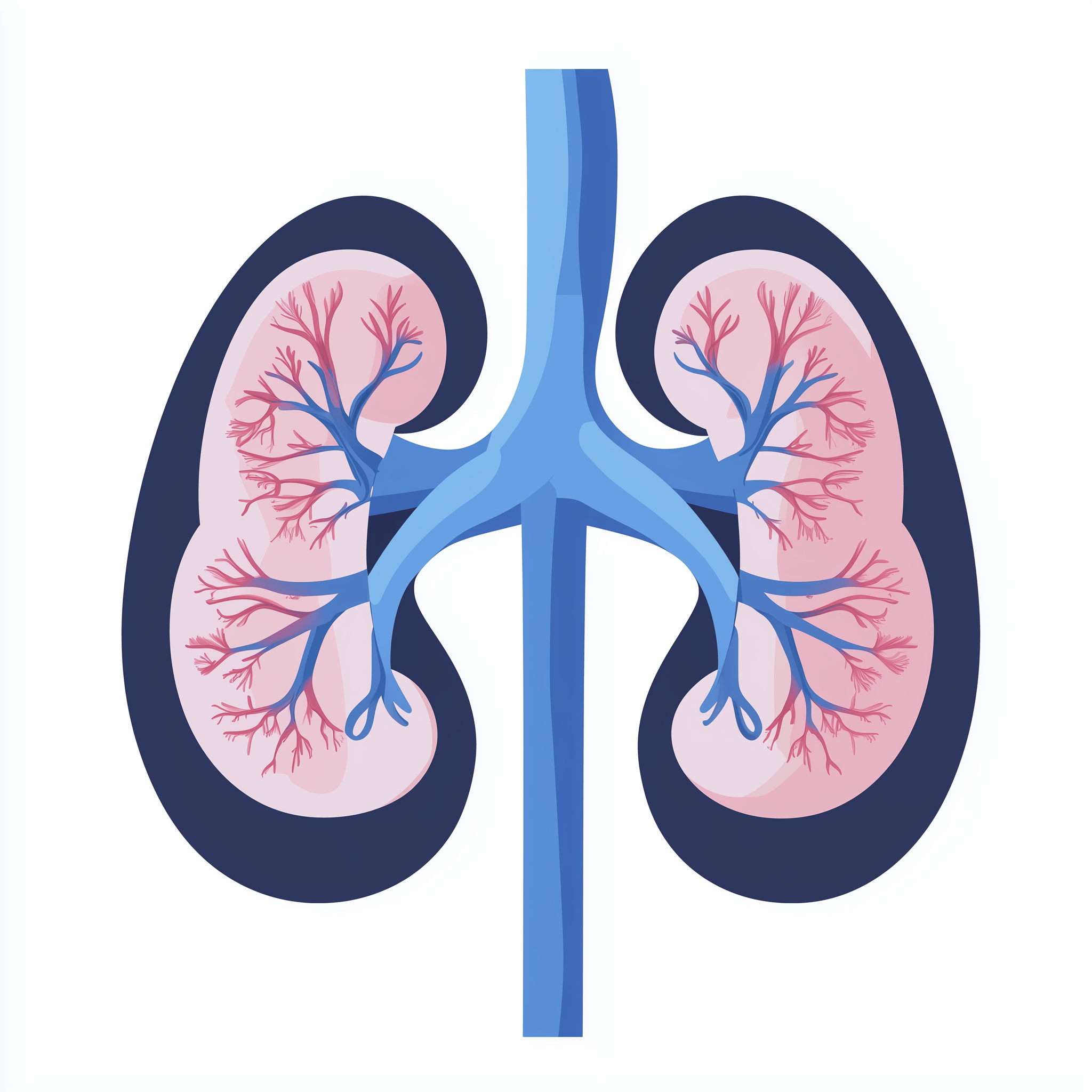
Affected organs
The brain and nervous system are significantly affected in EAST syndrome. The potassium channel encoded by KCNJ10 plays an important role in regulating neuronal excitability and supporting glial cell function. When this channel does not work properly, it can lead to increased seizure susceptibility and impaired cerebellar function, which underlies the ataxia. The inner ear structures responsible for hearing are also affected, resulting in the sensorineural deafness characteristic of the condition.
The kidneys are the other major organ system involved. KCNJ10 is expressed in the distal convoluted tubule of the kidney, where it contributes to salt reabsorption. Pathogenic variants lead to renal salt-wasting, creating a tubulopathy similar to Gitelman syndrome. This results in urinary losses of electrolytes and can affect overall fluid and mineral balance. The multi-system nature of EAST syndrome reflects the wide tissue distribution of the KCNJ10 potassium channel.

Risks & severity
The severity of EAST syndrome varies between individuals but is generally considered a lifelong condition requiring ongoing medical management. Seizures typically begin in infancy and may improve somewhat with age and appropriate antiepileptic medication, though some individuals continue to experience seizures into adulthood. The ataxia and hearing loss are persistent features that do not typically improve over time, though supportive interventions can help individuals adapt and maintain quality of life.
The renal tubulopathy is chronic and requires attention to electrolyte balance throughout life. Whilst the salt-wasting itself is not typically life-threatening with appropriate management, chronic electrolyte abnormalities can contribute to muscle weakness, fatigue and potentially cardiac rhythm disturbances if severe. Developmental outcomes are variable - some individuals have normal intellectual function whilst others experience mild to moderate learning difficulties. Early intervention and multidisciplinary care can help optimise outcomes across the various affected systems.
Genetic causes
EAST syndrome is caused by pathogenic variants in KCNJ10, located on chromosome 1. This gene encodes Kir4.1, a potassium channel that allows potassium ions to move across cell membranes. In the brain, Kir4.1 channels are predominantly expressed in glial cells, particularly astrocytes, where they help maintain the appropriate ionic environment around neurones and support normal neuronal signalling. Research suggests that proper functioning of these channels is essential for regulating neuronal excitability and coordinating brain activity.
In the kidney, Kir4.1 channels in the distal tubule contribute to potassium recycling across the basolateral membrane, which is necessary for effective salt reabsorption. When KCNJ10 variants disrupt channel function, this process is impaired, leading to excessive urinary losses of sodium, chloride, potassium and magnesium. In the inner ear, the channel appears important for maintaining the high-potassium environment in the endolymph, which is critical for hearing. Pathogenic variants that reduce or eliminate Kir4.1 channel activity therefore produce the multi-system phenotype seen in EAST syndrome by disrupting potassium homeostasis in these diverse tissues.
- KCNJ10 potassium inwardly rectifying channel subfamily J member 10
Inheritance pattern
EAST syndrome follows an autosomal recessive inheritance pattern. This means an individual must inherit two pathogenic variants in KCNJ10 - one from each parent - to develop the condition. Parents of an affected child are typically carriers, each possessing one pathogenic variant and one working copy of the gene. Carriers do not usually show symptoms because a single functioning copy of KCNJ10 is sufficient for normal channel function.
When both parents are carriers, each pregnancy has a 25 per cent chance of producing an affected child, a 50 per cent chance of producing a carrier child and a 25 per cent chance of producing a child with two working copies of the gene. Siblings of an affected individual have a two-thirds chance of being carriers if they are unaffected. Genetic counselling can help families understand these risks and discuss options for family planning, including carrier testing for at-risk relatives and reproductive choices.
When both parents are carriers, each child has a 25% chance of being affected, 50% of being a carrier, and 25% of being unaffected.
Diagnosis & testing
Diagnosis of EAST syndrome is typically suspected based on the characteristic clinical constellation of epilepsy, ataxia, sensorineural deafness and renal salt-wasting. Initial investigations usually include electrolyte panels showing low potassium, low magnesium and metabolic alkalosis - a pattern similar to Gitelman syndrome. Audiological testing confirms sensorineural hearing loss, and neurological assessment documents the seizures and ataxia.
Genetic testing provides definitive confirmation through identification of biallelic pathogenic variants in KCNJ10. Within the NHS Genomic Medicine Service, testing for EAST syndrome may be accessed through clinical genetics services when the clinical features suggest the diagnosis. Referral to a clinical genetics service is appropriate when a child presents with the characteristic combination of features. Genetic confirmation allows accurate diagnosis, informs prognosis, enables cascade testing of family members and ensures access to appropriate multidisciplinary management.
Management & lifestyle
Management of EAST syndrome requires a multidisciplinary approach coordinating care across neurology, nephrology, audiology and other specialties as needed. Seizure management typically involves antiepileptic medications, with drug selection and monitoring guided by paediatric or adult neurology services depending on the individual's age. Some individuals require multiple medications to achieve adequate seizure control. The ataxia may benefit from physiotherapy and occupational therapy to optimise motor function and independence.
Hearing loss is addressed through audiology services, which may recommend hearing aids or other assistive devices depending on severity. The renal tubulopathy requires monitoring of electrolyte levels and supplementation of potassium and magnesium as needed to maintain safe levels. Some individuals benefit from salt supplementation or medications that help reduce urinary salt losses. Regular follow-up with nephrology services helps ensure electrolyte balance is maintained and kidney function remains stable. Developmental support and educational provisions should be tailored to the individual's needs. Genetic counselling is valuable for affected individuals and their families to understand inheritance patterns and recurrence risks.
UK care pathway
Within the NHS Genomic Medicine Service, individuals suspected of having EAST syndrome are typically referred to clinical genetics services for assessment and genetic testing. The condition falls within renal disorder testing panels that include KCNJ10. Referrals may come from paediatric nephrology, neurology or general paediatrics when the characteristic clinical features are recognised. Genetic testing through the NHS can confirm the diagnosis and enable appropriate multidisciplinary care coordination.
Once diagnosed, individuals are usually followed by multiple specialist services including nephrology for ongoing monitoring of kidney function and electrolyte management, neurology for seizure control, and audiology for hearing support. Clinical genetics services provide genetic counselling for the family, discussing inheritance patterns, recurrence risks and options for cascade testing of relatives. Paediatric services transition to adult care teams as the individual matures, ensuring continuity of the multidisciplinary approach throughout life.
Frequently asked questions
Will my child's seizures improve as they get older?
Many individuals with EAST syndrome find that seizures become easier to control with medication over time, though this varies between people. Some continue to experience seizures into adulthood whilst others achieve good control. Regular follow-up with neurology services helps optimise treatment.
Can the hearing loss in EAST syndrome be corrected?
The sensorineural hearing loss in EAST syndrome is permanent and cannot be reversed. However, hearing aids and other assistive devices can significantly improve hearing function and quality of life. Audiology services can assess the degree of hearing loss and recommend appropriate support.
How often do electrolytes need to be checked?
The frequency of electrolyte monitoring depends on individual circumstances and how stable levels are. Initially, more frequent checks may be needed to establish appropriate supplementation regimens. Once stable, monitoring may be less frequent but should continue lifelong as advised by nephrology services.
If I am a carrier, what are the chances my children will be affected?
If you are a carrier and your partner is not, your children will not be affected, though they have a 50 per cent chance of being carriers themselves. If your partner is also a carrier, each pregnancy has a 25 per cent chance of producing an affected child. Genetic counselling can discuss these risks and testing options in detail.
References
- McCormick JA, Ellison DH. Distal convoluted tubule. Comprehensive physiology. 2015. PMID: 25589264
- Lo J, Forst AL, Warth R. EAST/SeSAME Syndrome and Beyond: The Spectrum of Kir4.1- and Kir5.1-Associated Channelopathies. Frontiers in physiology. 2022. PMID: 35370765
- Celmina M, Micule I, Inashkina I. EAST/SeSAME syndrome: Review of the literature and introduction of four new Latvian patients. Clinical genetics. 2019. PMID: 29722015
- Abdelhadi O, Iancu D, Stanescu H. EAST syndrome: Clinical, pathophysiological, and genetic aspects of mutations in KCNJ10. Rare diseases (Austin, Tex.). 2016. PMID: 27500072
- Pillaiyar T, Laufer S. Kinases as Potential Therapeutic Targets for Anti-coronaviral Therapy. Journal of medicinal chemistry. 2022. PMID: 34081439
- Besouw MTP, Kleta R, Bockenhauer D. Bartter and Gitelman syndromes: Questions of class. Pediatric nephrology (Berlin, Germany). 2020. PMID: 31664557
- Guo W, Ji P, Xie Y. Genetic diagnosis and treatment of hereditary renal tubular disease with hypokalemia and alkalosis. Journal of nephrology. 2023. PMID: 35994232
- Shi M, Zhao G. The EAST syndrome and KCNJ10 mutations. The New England journal of medicine. 2009. PMID: 19657131