

On this page
Episodic ataxia type 2
EA2 is an inherited condition that causes episodes of balance and coordination difficulties. These episodes can vary in length and severity, impacting daily life, and are typically caused by genetic changes in the CACNA1A gene.
Overview
Episodic ataxia type 2 (EA2) is a rare genetic condition primarily affecting the nervous system. Individuals with EA2 experience intermittent episodes of ataxia, which is a disturbance in coordination and balance. These episodes can last from minutes to hours, or even days, and their frequency can vary significantly between individuals [PMID:31613953]. While symptoms are typically absent between episodes, some people may develop mild, persistent neurological signs over time, such as subtle balance issues or nystagmus (involuntary eye movements) [PMID:17918349].
EA2 is one of several types of episodic ataxia, all of which involve similar symptoms but are caused by different genetic mutations. It is considered a rare disease, though the exact prevalence in the UK is not well established. Understanding the specific genetic cause is crucial for accurate diagnosis and management.
Symptoms & clinical features
The main symptom of EA2 is episodic ataxia, which refers to periods where an individual experiences issues with muscle coordination and balance. During an episode, a person might have difficulty walking steadily, experience slurred speech (dysarthria), and exhibit involuntary, rapid eye movements (nystagmus) [PMID:17918349]. Other common symptoms can include dizziness, vertigo, headaches, and nausea.
The triggers for these episodes can be diverse and may include physical exertion, emotional stress, consuming caffeine or alcohol, or even specific dietary factors [PMID:31613953]. The severity and frequency of episodes vary greatly among affected individuals, even within the same family. Between episodes, most individuals return to their usual neurological function, though in some cases, mild, persistent symptoms can develop as the condition progresses.
Video: Genetics 101
Affected organs
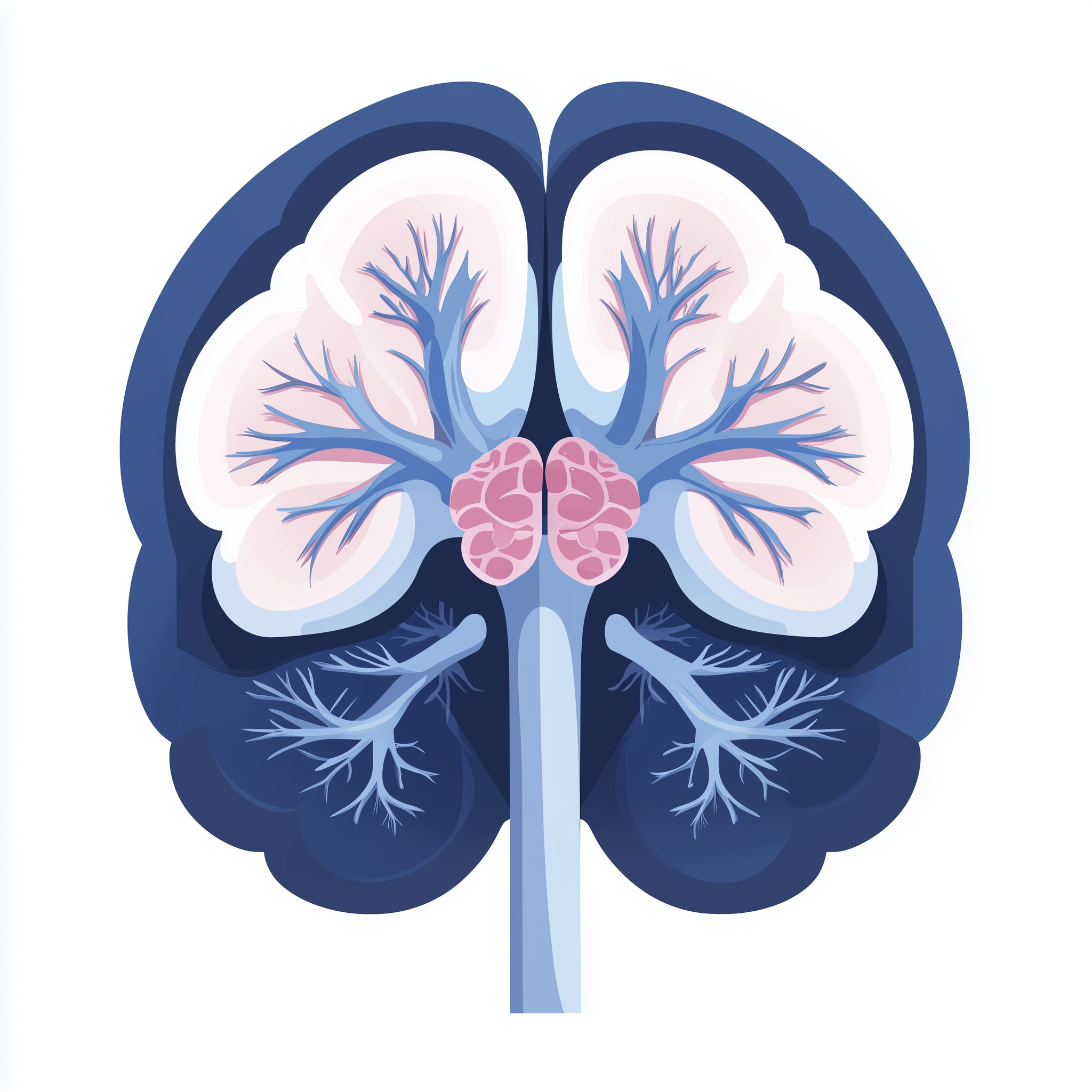
Episodic ataxia type 2 primarily affects the brain, particularly the cerebellum. The cerebellum is a critical part of the brain responsible for coordinating voluntary movements, maintaining balance, and regulating motor learning. When the function of the cerebellum is disrupted, as occurs during an EA2 episode, it leads to the characteristic symptoms of ataxia.
While the primary impact is on cerebellar function, the condition can also influence other parts of the nervous system, potentially contributing to symptoms like migraines or nystagmus. There is no evidence to suggest that EA2 directly affects organs outside of the nervous system.

Risks & severity
The severity of EA2 can vary widely, even among individuals with the same genetic change. Some people may experience only infrequent, mild episodes, while others might have more frequent and debilitating attacks. Over time, some individuals with EA2 can develop mild, persistent cerebellar signs such as subtle coordination difficulties or nystagmus, even between episodes [PMID:17918349]. Research suggests that about half of individuals with EA2 may experience this progressive, inter-ictal (between episodes) ataxia.
The age of onset also varies, but symptoms most commonly begin in childhood or early adulthood. The risk of developing EA2 if a parent has the condition is 50% for each child, due to its autosomal dominant inheritance pattern. The condition itself is not typically life-threatening, but episodes can significantly impair quality of life and increase the risk of falls or injuries during an attack.
Genetic causes
Episodic ataxia type 2 is primarily caused by pathogenic variants in the CACNA1A gene. This gene provides instructions for making a protein that forms a specific type of calcium channel, known as a P/Q-type voltage-gated calcium channel. These channels are crucial for the proper functioning of nerve cells, particularly in the cerebellum, where they help control the release of neurotransmitters, which are chemical messengers between nerve cells.
When a pathogenic variant occurs in the CACNA1A gene, it can lead to a dysfunctional calcium channel. This disruption means that nerve cells in the cerebellum cannot communicate effectively, impairing their ability to regulate movement and balance. This dysfunction results in the intermittent periods of ataxia characteristic of EA2. Other less common genetic changes may also be associated with similar symptoms, but CACNA1A is the most frequently identified cause of EA2.
- CACNA1A calcium voltage-gated channel subunit alpha1 A
Inheritance pattern
EA2 is inherited in an autosomal dominant pattern. This means that a person only needs to inherit one copy of the altered CACNA1A gene from either parent to develop the condition. If a parent has EA2, there is a 50% chance with each pregnancy that their child will also inherit the condition.
The condition can also arise spontaneously in individuals with no family history, due to a new (de novo) genetic variant. In such cases, the affected individual would be the first in their family to have EA2, but they would then have a 50% chance of passing it on to their children.
Each child has a 50% chance of inheriting the pathogenic variant, regardless of sex.
Diagnosis & testing
Diagnosis of EA2 typically begins with a clinical evaluation by a neurologist, who will assess the characteristic symptoms of episodic ataxia. A detailed family history is also important to identify an inheritance pattern. To confirm the diagnosis, genetic testing for pathogenic variants in the CACNA1A gene is performed. Genetic testing is usually arranged through a clinical genetics service or neurological specialist.
In the UK, genetic testing for inherited ataxias, including EA2, can be accessed via the NHS Genomic Medicine Service (GMS) pathways. The relevant R-codes for this testing would fall under the inherited ataxias genomic test directories (e.g., R151 Inherited Cerebellar Ataxia, R258 Ataxia (paediatric)). A referral to clinical genetics or a specialist neurology clinic is typically required to access these tests.
Management & lifestyle
While there is no cure for EA2, management focuses on reducing the frequency and severity of episodes and managing any persistent symptoms. The most commonly used medication is acetazolamide, which helps to stabilise the calcium channels and can reduce the incidence of episodes for many individuals [PMID:31613953]. Other medications may also be considered if acetazolamide is not effective or well-tolerated.
Lifestyle adjustments, such as avoiding known triggers like stress, caffeine, or alcohol, can also be beneficial in preventing episodes. Regular exercise, adapted if necessary, may help maintain balance and coordination. Individuals with EA2 are typically managed by a neurologist, often in conjunction with a clinical geneticist and physiotherapists, as part of their NHS care pathway. Genetic counselling is also an important component of management, providing information and support to individuals and families regarding inheritance and genetic implications.
UK care pathway
In the UK, individuals suspected of having EA2 would typically be referred by their GP to a neurologist for initial assessment. If episodic ataxia is suspected, a referral to a clinical genetics service will likely be made. Here, genetic counsellors and clinical geneticists can provide comprehensive information, discuss inheritance patterns, and arrange for genetic testing through the NHS Genomic Medicine Service. The testing for EA2 is covered by specific R-codes within the GMS test directories, such as R151 for inherited cerebellar ataxia. This pathway ensures access to specialist diagnosis, management advice, and family support.
Frequently asked questions
What happens during an EA2 episode?
During an EA2 episode, a person typically experiences sudden and temporary problems with balance, coordination, and clear speech. They might feel dizzy, have difficulty walking, or notice involuntary eye movements. These episodes can last from minutes to several hours or even days.
Is EA2 progressive?
While the main feature of EA2 is episodic symptoms, some individuals may develop subtle, persistent neurological signs over time, such as mild balance issues or nystagmus, even between episodes. However, it is not typically a rapidly progressive condition like many other forms of ataxia.
Can EA2 be treated?
Yes, while there is no cure for EA2, treatments are available to manage the symptoms. The medication acetazolamide is commonly used to help reduce the frequency and severity of episodes. Avoiding triggers and lifestyle adjustments can also be beneficial.
If I have EA2, will my children get it?
EA2 is inherited in an autosomal dominant pattern. This means if you have EA2, each of your children has a 50% chance of inheriting the altered gene and therefore developing the condition. Genetic counselling can provide more personalised information and support.
How is EA2 diagnosed in the UK?
Diagnosis typically involves a clinical assessment by a neurologist, followed by genetic testing. This testing, usually arranged through a clinical genetics service, looks for changes in the CACNA1A gene and is part of the NHS Genomic Medicine Service pathway for inherited ataxias.
References
- Lipman AR, Fan X, Shen Y. Clinical and genetic characterization of CACNA1A-related disease. Clinical genetics. 2022. PMID: 35722745
- Pietrobon D. CaV2.1 channelopathies. Pflugers Archiv : European journal of physiology. 2010. PMID: 20204399
- Indelicato E, Unterberger I, Nachbauer W. The electrophysiological footprint of CACNA1A disorders. Journal of neurology. 2021. PMID: 33544220
- Zesiewicz TA, Wilmot G, Kuo SH. Comprehensive systematic review summary: Treatment of cerebellar motor dysfunction and ataxia [RETIRED]: Report of the Guideline Development, Dissemination, and Implementation Subcommittee of the American Academy of Neurology. Neurology. 2018. PMID: 29440566
- Strupp M, Zwergal A, Brandt T. Episodic ataxia type 2. Neurotherapeutics : the journal of the American Society for Experimental NeuroTherapeutics. 2007. PMID: 17395137
- Verriello L, Pauletto G, Nilo A. Epilepsy and episodic ataxia type 2: family study and review of the literature. Journal of neurology. 2021. PMID: 33983550
- Hommersom MP, Doorn N, Puvogel S. CACNA1A haploinsufficiency leads to reduced synaptic function and increased intrinsic excitability. Brain : a journal of neurology. 2025. PMID: 39460936
- Baloh RW. Episodic ataxias 1 and 2. Handbook of clinical neurology. 2012. PMID: 21827920