

On this page
Frontotemporal dementia (MAPT)
FTD caused by changes in the MAPT gene leads to the gradual loss of brain cells, mainly in the frontal and temporal lobes. This can cause significant changes in a person's behaviour, language abilities, or movement. It typically affects adults, often in middle age.
Overview
Frontotemporal dementia (FTD) is a group of related conditions resulting from the progressive degeneration of nerve cells in the brain's frontal and temporal lobes. These brain regions are crucial for personality, behaviour, and language. When FTD is linked to changes in the MAPT gene, it means that an alteration in this specific gene is contributing to the development of the condition.
Unlike Alzheimer's disease, which often affects memory first, FTD typically presents with changes in personality, social conduct, or language skills. The exact prevalence of FTD caused by MAPT gene changes is not well established, but it is considered a rare condition [PMID:33678082].
Symptoms & clinical features
The symptoms of Frontotemporal dementia can vary significantly depending on which brain regions are most affected. Generally, symptoms fall into two main categories: behavioural and language-related. Behavioural variant FTD (bvFTD) is the most common form, characterised by gradual changes in personality, social behaviour, and executive function. Individuals may experience apathy, loss of empathy, disinhibition, compulsive behaviours, or changes in eating habits [PMID:24074211].
Primary progressive aphasia (PPA) is another form, where language difficulties are the primary symptom. This can involve trouble finding words, understanding speech, or producing grammatically correct sentences. In some cases, FTD can also be associated with movement disorders similar to Parkinson's disease or motor neurone disease, although these are less common with MAPT-related FTD specifically [PMID:24074211]. Symptoms tend to progress over time, gradually worsening the individual's abilities.
Video: Genetics 101
Affected organs
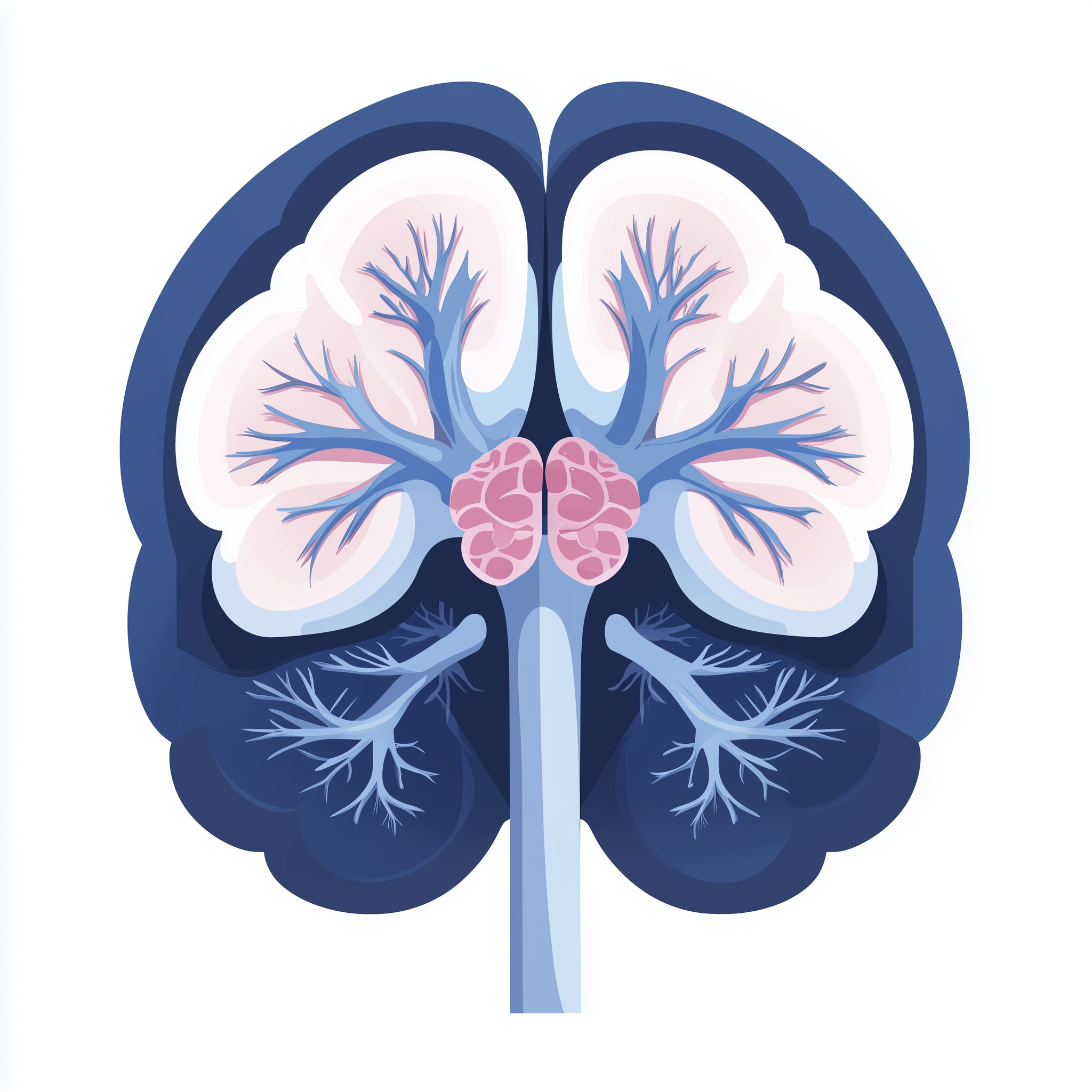
The primary organ affected in Frontotemporal dementia is the brain, specifically the frontal and temporal lobes. These areas are vital for functions such as decision-making, personality, social behaviour, and language processing. The degeneration of nerve cells in these regions leads to the observable clinical symptoms. Over time, other parts of the brain may also be affected.

Risks & severity
Frontotemporal dementia associated with MAPT typically presents in adulthood, often between the ages of 40 and 65 years, though onset can occur earlier or later [PMID:24074211]. The condition is progressive, meaning symptoms gradually worsen over many years. The severity of FTD varies between individuals, even within the same family, and depends on the specific changes in the MAPT gene and which brain areas are most impacted.
While FTD is always a severe, life-limiting condition, the rate of progression and the specific symptoms experienced can differ. The lifetime risk for individuals with a pathogenic MAPT variant is high, though not every person with such a variant will develop symptoms. This concept of penetrance can be complex and is an active area of research. Genetic counselling can provide more personalised information regarding individual risk.
Genetic causes
Frontotemporal dementia can be caused by changes in several different genes, one of which is the MAPT gene. MAPT stands for 'microtubule-associated protein tau'. This gene provides instructions for making the tau protein, which is abundant in nerve cells (neurons) in the brain. The tau protein plays a crucial role in stabilising microtubules, which are essential components of the cell's internal transport system and framework.
Pathogenic changes in the MAPT gene can lead to the production of an abnormal tau protein or alter how the normal tau protein is processed. This can cause the tau protein to clump together, forming abnormal aggregates known as tauopathies, which disrupt the normal functioning of brain cells and eventually lead to their death. This accumulation of abnormal tau is a hallmark feature of MAPT-related FTD [PMID:33678082].
- MAPT microtubule associated protein tau
Inheritance pattern
Frontotemporal dementia caused by changes in the MAPT gene is inherited in an autosomal dominant pattern. This means that a person only needs one copy of the altered MAPT gene to be at an increased risk of developing the condition. If a parent has a pathogenic MAPT variant, there is a 50% (1 in 2) chance with each pregnancy that their child will also inherit the variant.
Individuals who inherit the pathogenic variant may develop FTD, though the age of onset and specific symptoms can vary. Unaffected family members typically do not carry the pathogenic variant and therefore cannot pass it on to their children. Genetic counselling is available for families affected by autosomal dominant conditions to discuss inheritance patterns, risks, and testing options.
Each child has a 50% chance of inheriting the pathogenic variant, regardless of sex.
Diagnosis & testing
Diagnosing Frontotemporal dementia typically involves a comprehensive evaluation by a neurologist, often including a review of symptoms, cognitive assessments, and brain imaging studies such as MRI or CT scans to observe specific patterns of brain atrophy. However, a definitive diagnosis of genetic FTD, particularly that linked to MAPT, requires genetic testing.
In the UK, if FTD is suspected, particularly with a family history, referral to an NHS clinical genetics service may be appropriate. Genetic testing for MAPT variants can be requested through the NHS Genomic Medicine Service (GMS), often under an R-code, such as R328 for early-onset dementia or R329 for adult-onset neurological disorders. A confirmed genetic diagnosis can help clarify the cause of FTD and inform family planning.
Management & lifestyle
Currently, there is no cure for Frontotemporal dementia, and management focuses on supporting individuals and managing symptoms. This includes pharmacological approaches to address behavioural symptoms like agitation or depression, along with non-pharmacological interventions such as regular exercise, a balanced diet, and cognitive stimulation. Speech and language therapy can be beneficial for those with language difficulties.
Individuals and families affected by FTD can access support through their GP and neurologist, who can help coordinate care. Access to specialist dementia services, including community mental health teams and social care, is also important. Genetic counselling is a crucial component of care for families with MAPT-related FTD, providing information, support, and discussions around genetic testing for other family members. Research into new treatments is ongoing.
UK care pathway
In the UK, individuals suspected of having Frontotemporal dementia, especially with a family history or early onset, will typically be referred to a neurologist. If a genetic cause is suspected, the neurologist may refer to an NHS clinical genetics service. This service can facilitate genetic testing through the NHS Genomic Medicine Service (GMS) using relevant R-codes for inherited neurological conditions. Genetic counsellors within these services provide essential support, explaining inheritance patterns, testing implications, and offering emotional support to patients and their families.
Frequently asked questions
What is the tau protein and why is it important?
The tau protein is a vital component found mainly in nerve cells in the brain. It helps to stabilise structures called microtubules, which are like railway tracks within the cell, essential for transporting nutrients and other materials. When changes occur in the MAPT gene, the tau protein can become abnormal, leading to its accumulation and disruption of cell function.
If someone in my family has MAPT-related FTD, should I be tested?
If you have a family history of MAPT-related FTD, you may wish to consider genetic counselling. A genetic counsellor can help you understand the inheritance pattern, discuss the potential implications of testing, and guide you through the decision-making process. Predictive genetic testing for at-risk healthy individuals is a very personal choice.
Is there a cure for Frontotemporal dementia linked to MAPT?
Currently, there is no cure for Frontotemporal dementia caused by MAPT gene changes. Treatments focus on managing symptoms and providing supportive care to improve quality of life. Research is actively exploring new therapeutic strategies, including those targeting the tau protein.
What is the typical age of onset for MAPT-related FTD?
While the age of onset can vary, Frontotemporal dementia associated with MAPT typically begins in middle adulthood, often between 40 and 65 years of age. However, some individuals may experience symptoms earlier or later than this typical range.
How does MAPT-related FTD affect behaviour and personality?
MAPT-related FTD primarily affects the frontal and temporal lobes of the brain, which are crucial for behaviour and personality. This can lead to symptoms such as apathy, disinhibition, changes in social conduct, repetitive behaviours, and altered empathy, significantly impacting daily life and relationships.