

On this page
Holt-Oram syndrome
This syndrome primarily affects the development of the bones in the arms and hands, and the structure of the heart. It is present from birth and its severity can vary significantly among affected individuals.
Overview
Holt-Oram syndrome (HOS) is a genetic disorder that impacts the development of the upper limbs (arms and hands) and the heart. The condition is present from birth, meaning it is a congenital disorder. The specific features and their severity can differ greatly, even within the same family. Some individuals might have very mild hand abnormalities that are barely noticeable, while others could experience significant limb malformations and serious heart problems requiring medical intervention [PMID:17963283].
Around 1 in 100,000 people are estimated to be affected by Holt-Oram syndrome. It is a rare condition, and clinical diagnosis is primarily based on the presence of both upper limb and heart abnormalities. Genetic testing can confirm the diagnosis by identifying changes in the associated gene.
Symptoms & clinical features
The symptoms of Holt-Oram syndrome typically involve skeletal abnormalities in the upper limbs and structural heart defects. Upper limb abnormalities can range from very subtle changes, such as an underdeveloped thumb, to more severe conditions, including missing bones in the forearm (radius or ulna) or entirely absent limbs [PMID:17963283]. Often, the left arm is more severely affected than the right, and both arms may be affected differently.
Heart defects are also a common feature of HOS, with about 75% of affected individuals having some form of congenital heart disease. The most frequent heart abnormalities include holes in the wall between the two upper chambers of the heart (atrial septal defect, or ASD) or between the two lower chambers (ventricular septal defect, or VSD). Less commonly, other heart problems like an abnormal heart rhythm (arrhythmia) or issues with the heart's electrical conduction system can occur.
Video: Genetics 101
Affected organs
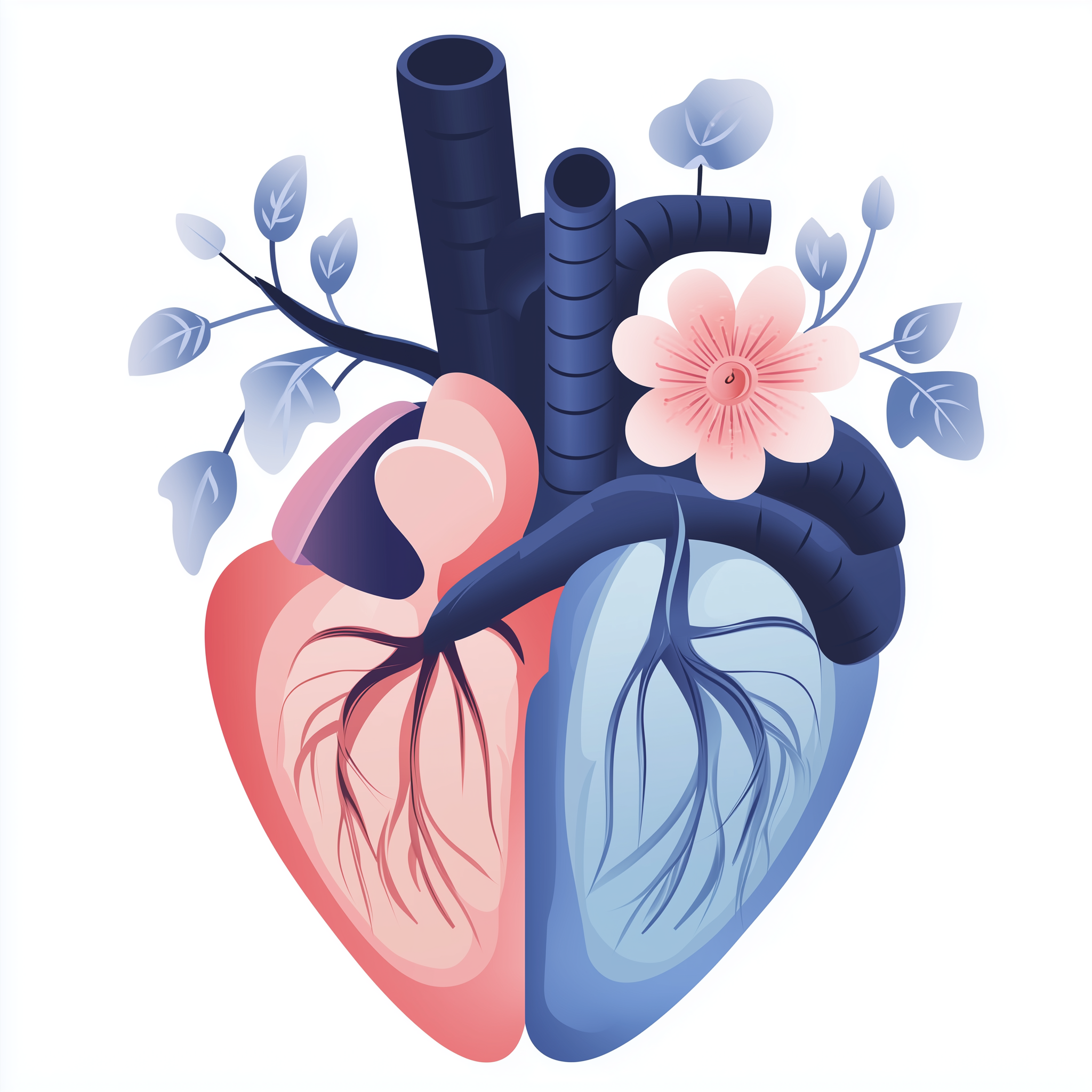
Holt-Oram syndrome primarily affects two main organ systems: the skeletal system, specifically the bones of the upper limbs, and the cardiovascular system, involving the heart. The upper limb involvement can range from minor hand or wrist abnormalities to significant malformations of the forearm bones, potentially affecting arm function. The heart can have structural defects, which might impact its ability to pump blood effectively, and may also exhibit electrical conduction problems.

Risks & severity
The severity of Holt-Oram syndrome is highly variable. Some individuals may have only minor physical findings, such as a slightly shortened thumb, which might not significantly affect daily life. In contrast, others can experience severe malformations of the arms and hands, potentially leading to functional limitations. Similarly, heart defects can range from small, asymptomatic holes that may close on their own, to complex structural abnormalities requiring surgical repair and ongoing medical management.
Complications associated with HOS largely depend on the specific heart defects present. Serious congenital heart disease can lead to issues such as breathlessness, fatigue, and in some cases, require extensive medical care. Individuals with severe limb abnormalities may require orthopaedic interventions and rehabilitation to improve function. The long-term outlook for individuals with HOS is largely determined by the type and severity of their heart condition.
Genetic causes
Holt-Oram syndrome is caused by pathogenic variants (changes) in the *TBX5* gene. The *TBX5* gene provides instructions for making a protein called T-box transcription factor 5. This protein plays a crucial role during embryonic development, particularly in the formation of the heart and upper limbs. It acts as a transcription factor, meaning it helps to control the activity of other genes involved in these developmental processes [PMID:11896792].
When there is a pathogenic variant in *TBX5*, the resulting protein may be non-functional, reduced in quantity, or have altered activity. This disruption in gene regulation during early development leads to the characteristic abnormalities seen in the heart and upper limbs in individuals with Holt-Oram syndrome. In approximately 70-80% of individuals with a clinical diagnosis of HOS, a pathogenic variant in *TBX5* can be identified.
- TBX5 T-box transcription factor 5
Inheritance pattern
Holt-Oram syndrome is inherited in an autosomal dominant pattern. This means that a person only needs to inherit one copy of the altered *TBX5* gene from one parent to develop the condition. If a parent has Holt-Oram syndrome, there is a 50% chance in each pregnancy that their child will also inherit the condition.
In some cases, Holt-Oram syndrome can occur as a new (de novo) genetic change in an individual, meaning neither parent carries the altered gene. When this happens, the genetic change first appears in the affected individual. Once an individual has the condition, whether inherited or de novo, they have a 50% chance of passing it on to each of their children.
Each child has a 50% chance of inheriting the pathogenic variant, regardless of sex.
Diagnosis & testing
The diagnosis of Holt-Oram syndrome is usually suspected based on the presence of characteristic physical features, such as upper limb abnormalities combined with congenital heart defects. A healthcare professional, often a clinical geneticist or a paediatrician, will conduct a thorough physical examination and review the individual's medical history.
Confirmation of the diagnosis typically involves genetic testing to identify a pathogenic variant in the *TBX5* gene. This testing is available through the NHS Genomic Medicine Service under specific indications (R-codes, such as R25 for congenital heart disease or R29 for limb anomalies, may be relevant depending on the primary presentation). Genetic counselling is an important part of the diagnostic process, providing information about the condition, inheritance patterns, and the implications of genetic testing for the individual and their family.
Management & lifestyle
Management for individuals with Holt-Oram syndrome focuses on addressing the specific symptoms present and is tailored to each person's needs. For heart defects, treatment may involve medication, surgical repair, or ongoing monitoring by a cardiologist, depending on the type and severity of the defect. Individuals with arrhythmias may require specific cardiac management.
Upper limb abnormalities may be managed with orthopaedic interventions, such as surgery, physical therapy, or occupational therapy, to improve function and mobility. Regular follow-up with relevant specialists, including cardiologists and orthopaedic surgeons, is important to monitor health and address any emerging issues. Genetic counsellors can provide support and information regarding the genetic aspects of the condition and family planning.
UK care pathway
In the UK, individuals suspected of having Holt-Oram syndrome would typically be referred to a clinical genetics service. This service can provide a comprehensive assessment, arrange for genetic testing (which is part of the NHS Genomic Medicine Service), and offer genetic counselling. Genetic testing may be facilitated through specific NHS R-codes, such as those for congenital heart disease or limb malformations, as assessed by a specialist.
Once a diagnosis is confirmed, care pathways involve multidisciplinary teams, including cardiologists for heart conditions and orthopaedic specialists for limb abnormalities. Genetic counsellors play a vital role in explaining the genetic basis of the condition, its inheritance, and implications for family members.
Frequently asked questions
What kind of heart problems are common in Holt-Oram syndrome?
The most common heart problems are 'holes in the heart' - specifically, atrial septal defects (ASD) and ventricular septal defects (VSD). Less often, individuals might have abnormal heart rhythms or issues with the heart's electrical system.
Can Holt-Oram syndrome be detected before birth?
Sometimes, severe upper limb abnormalities or heart defects associated with Holt-Oram syndrome can be detected during prenatal ultrasound scans. If such findings are present, further investigations, including genetic testing of the foetus, may be offered to confirm the diagnosis.
If I have Holt-Oram syndrome, will my children have it too?
Holt-Oram syndrome is inherited in an autosomal dominant pattern. This means if you have the condition, there is a 50% chance that each of your children will inherit the altered gene and therefore develop the syndrome.
Is there a cure for Holt-Oram syndrome?
There is no cure for the underlying genetic cause of Holt-Oram syndrome. However, many of the associated symptoms, such as heart defects and limb abnormalities, can be managed effectively through medical treatments, surgery, and therapies to improve quality of life and function.
How does Holt-Oram syndrome affect daily life?
The impact on daily life varies greatly. Individuals with mild symptoms might experience minimal impact. Those with significant heart conditions or severe limb malformations may require ongoing medical care, therapies, and potentially adaptive strategies to manage daily activities. Regular medical follow-up helps to optimise health and wellbeing.
References
- Adam MP, Bick S, Mirzaa GM. Holt-Oram Syndrome. 1993. PMID: 20301290
- Krauser AF, Ponnarasu S, Schury MP. Holt-Oram Syndrome. 2023. PMID: 30020711
- Skwarek-Dziekanowska A, Wójtowicz-Ściślak A, Sobieszek G. Holt-Oram syndrome. European review for medical and pharmacological sciences. 2024. PMID: 38235884
- Adam MP, Bick S, Mirzaa GM. SALL4-Related Disorders. 1993. PMID: 20301547
- Goldfarb CA, Wall LB. Holt-Oram syndrome. The Journal of hand surgery. 2014. PMID: 24656395
- Perrot A, Rickert-Sperling S. Human Genetics of Ventricular Septal Defect. Advances in experimental medicine and biology. 2024. PMID: 38884729
- Ono R, Okada S, Kondo Y. Heart-hand Syndrome. Internal medicine (Tokyo, Japan). 2021. PMID: 33281169
- Lichiardopol C, Militaru C, Popescu B. Holt-Oram syndrome. Romanian journal of morphology and embryology = Revue roumaine de morphologie et embryologie. 2007. PMID: 17502954