

On this page
Huntington disease
This inherited disorder typically results in involuntary movements, cognitive decline, and psychiatric symptoms that worsen over time, usually becoming noticeable in adulthood. It affects around 1 in 10,000 to 20,000 people.
Overview
Huntington disease (HD) is a genetic condition that causes nerve cells in specific areas of the brain to break down over time. This neurodegeneration results in a range of symptoms affecting movement, thinking, and mental health [PMID:31980757]. The condition is progressive, meaning symptoms tend to worsen steadily over many years.
While HD is present from birth, symptoms most commonly begin in middle age, often between 30 and 50 years old. However, it can also manifest earlier (juvenile HD) or later in life. The severity and progression of symptoms can vary considerably between individuals.
HD is an inherited condition, meaning it is passed down through families. A child of someone with HD has a 50% chance of inheriting the genetic change that causes the disease. Currently, there is no cure for HD, but treatments are available to help manage symptoms and improve quality of life.
Symptoms & clinical features
The symptoms of Huntington disease typically develop gradually and can be grouped into three main categories: movement, cognitive, and psychiatric. The specific symptoms and their severity can differ from person to person, even within the same family.
Movement symptoms often include involuntary, jerky movements known as chorea, which can affect the limbs, body, and face. People may also experience problems with balance and coordination, difficulty with walking, speech, and swallowing (dysphagia). Over time, these movement difficulties can become more pronounced, impacting daily activities [PMID:27063189].
Cognitive symptoms involve changes in thinking, reasoning, and memory. This can manifest as difficulty concentrating, problems with planning and organisation, impaired judgement, and memory lapses. Psychiatric symptoms are also common and can include depression, anxiety, irritability, mood swings, and sometimes obsessive-compulsive behaviours or psychosis. These changes can often appear before the motor symptoms, making early diagnosis challenging.
Video: Genetics 101
Affected organs
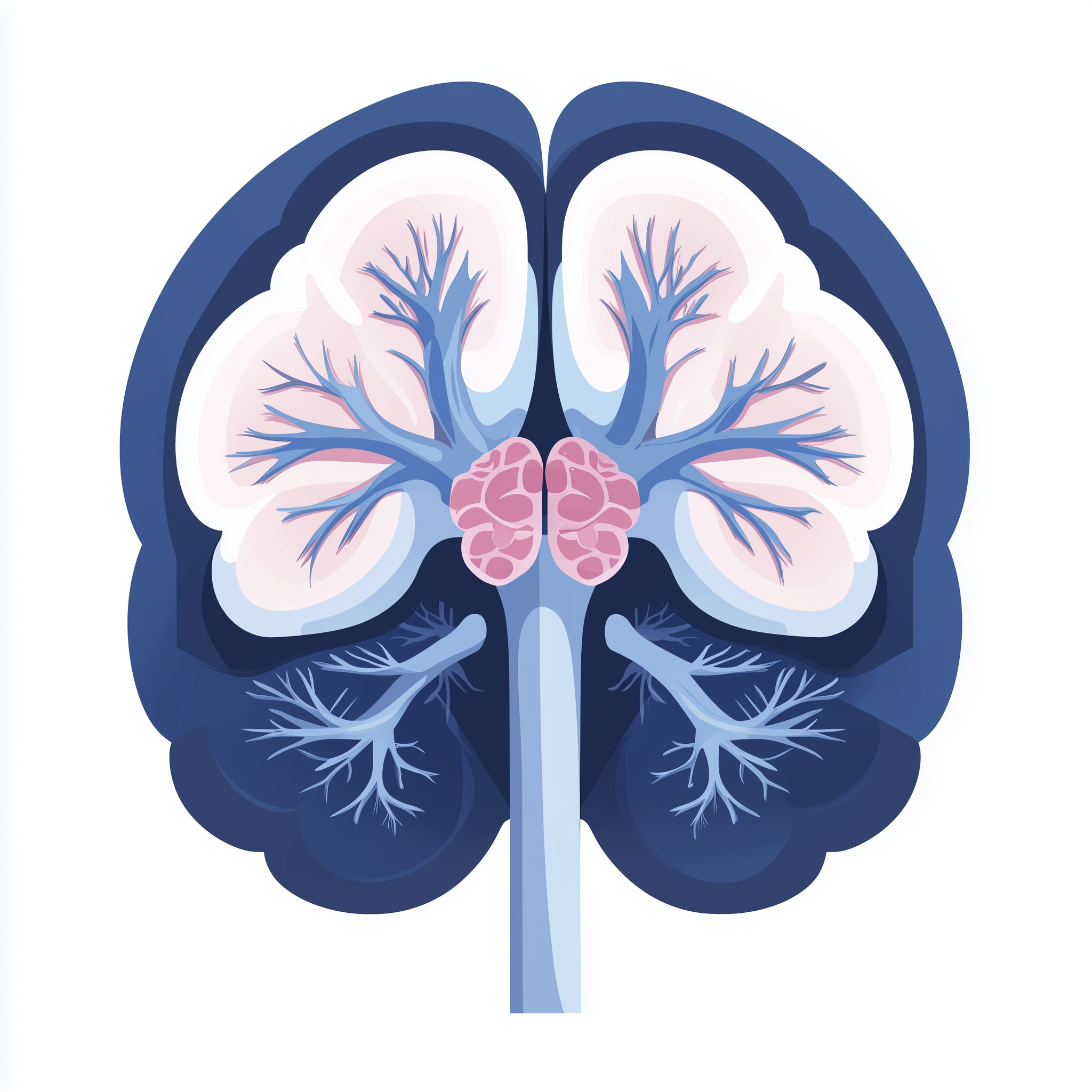
Huntington disease primarily affects the brain, specifically areas involved in movement, thought, and emotion. The most significant impact is seen in the basal ganglia, a group of structures deep within the brain that play a crucial role in controlling voluntary movements. Within the basal ganglia, the striatum (caudate nucleus and putamen) is particularly vulnerable to nerve cell degeneration in HD [PMID:31980757].
Over time, the loss of these nerve cells leads to the characteristic motor symptoms of chorea and difficulties with coordination. Beyond the basal ganglia, other parts of the brain, including the cerebral cortex, can also be affected, contributing to the cognitive and psychiatric symptoms experienced by individuals with HD. While the primary impact is neurological, the consequences of the disease can indirectly affect other bodily functions due to movement difficulties and impaired swallowing, leading to potential issues such as aspiration pneumonia or weight loss.

Risks & severity
Huntington disease is a progressive neurodegenerative disorder, and its severity tends to increase over time. The age at which symptoms begin can vary significantly, ranging from childhood (juvenile HD) to old age, but symptoms typically emerge in middle adulthood, between 30 and 50 years old. Generally, an earlier onset of symptoms is associated with a faster progression of the disease.
Juvenile HD, which begins before age 20, is rarer and often progresses more rapidly, sometimes presenting with different symptoms like rigidity and seizures, rather than chorea. The lifetime risk for individuals inheriting the genetic change is 100%, meaning all individuals with the causative genetic variant will eventually develop the condition. However, the exact age of onset and the specific constellation of symptoms are difficult to predict precisely. The length of time someone lives after symptom onset can also vary, but it is often around 15 to 20 years, though some individuals may live longer or shorter [PMID:27063189].
Genetic causes
Huntington disease is caused by a change in a single gene called HTT (huntingtin). This gene provides instructions for making a protein known as huntingtin. The HTT gene contains a section of DNA made up of a repeating sequence of three DNA building blocks: cytosine, adenine, and guanine (CAG). In individuals without HD, this CAG segment is repeated a certain number of times, typically 10 to 26.
In people with Huntington disease, this CAG repeat sequence is expanded, meaning it is repeated more times than usual, typically 36 or more [PMID:31980757]. This expanded CAG repeat leads to the production of an altered, abnormal huntingtin protein. This altered protein does not function correctly and is thought to accumulate and become toxic to nerve cells, particularly in the brain, leading to their degeneration over time.
The number of CAG repeats often correlates with the age of symptom onset; a higher number of repeats generally leads to an earlier onset of symptoms. The HTT gene is located on chromosome 4, and changes in this gene are the only known genetic cause of typical Huntington disease.
- HTT huntingtin
Inheritance pattern
Huntington disease is inherited in an autosomal dominant pattern. This means that only one copy of the altered HTT gene is needed for a person to develop the condition. If a parent has Huntington disease, there is a 50% chance that each of their children will inherit the expanded HTT gene and therefore develop the disease.
This inheritance pattern applies to both sons and daughters equally. Individuals who do not inherit the altered gene will not develop Huntington disease and cannot pass it on to their own children. Genetic counselling is available for families affected by HD to help them understand the inheritance pattern and the implications for themselves and their relatives.
Each child has a 50% chance of inheriting the pathogenic variant, regardless of sex.
Diagnosis & testing
The diagnosis of Huntington disease typically begins with a clinical evaluation based on a person's symptoms, medical history, and a neurological examination. If HD is suspected, a definitive diagnosis is confirmed through genetic testing. This usually involves a blood test to analyse the HTT gene for the characteristic CAG repeat expansion [PMID:31980757].
In the UK, genetic testing for Huntington disease is usually coordinated through NHS clinical genetics services. Referrals can be made by a GP or other specialist doctors, such as neurologists. The genetic testing falls under specific NHS Genomic Medicine Service (GMS) pathways, identified by R-codes. For HD, this would typically involve testing for trinucleotide repeat disorders. Individuals considering genetic testing are generally offered pre-test counselling by a genetic counsellor or clinical genetician to discuss the implications of a positive or negative result, as well as the potential emotional impact.
There is also the option of pre-symptomatic testing for individuals at risk who do not yet have symptoms, which is a complex decision and requires extensive counselling.
Management & lifestyle
While there is currently no cure for Huntington disease, management focuses on alleviating symptoms, supporting individuals to maintain their independence, and improving quality of life. Management plans are typically multidisciplinary, involving a team of healthcare professionals such as neurologists, psychiatrists, physiotherapists, occupational therapists, speech and language therapists, and dieticians.
Medications can be prescribed to help manage some symptoms. For instance, drugs may be used to reduce chorea, and others can help with psychiatric symptoms like depression, anxiety, or irritability. Non-pharmacological therapies are also crucial. Physiotherapy can help maintain mobility and balance, occupational therapy can assist with daily living tasks, and speech and language therapy can address difficulties with communication and swallowing.
Regular follow-up with healthcare professionals within the NHS is key to adapting management strategies as the disease progresses. Genetic counsellors provide ongoing support and information to individuals and families throughout the course of the condition, helping them navigate the challenges associated with HD.
UK care pathway
In the UK, individuals suspected of having Huntington disease are typically referred to specialist NHS services. The diagnostic pathway often involves a clinical assessment followed by genetic testing, which is part of the NHS Genomic Medicine Service. This testing will follow specific R-codes for inherited neurological conditions. A referral to a clinical geneticist or a neurology service is usually the starting point. Genetic counsellors play a vital role in providing information, support, and pre- and post-test counselling to patients and their families, helping them understand the genetic aspects and implications of the condition.
Frequently asked questions
What is chorea?
Chorea refers to involuntary, irregular, and jerky movements that can affect various parts of the body, including the face, trunk, and limbs. It is a common movement symptom seen in Huntington disease.
Can Huntington disease be prevented?
Huntington disease cannot currently be prevented in individuals who have inherited the expanded HTT gene, as it is a genetic condition. However, genetic counselling can help at-risk individuals understand their chances of developing the disease and making informed family planning decisions.
Is there a cure for Huntington disease?
Currently, there is no cure for Huntington disease. However, treatments and therapies are available to help manage the symptoms and improve the quality of life for affected individuals. Research into new treatments is ongoing.
If my parent has Huntington disease, will I definitely get it?
If one of your parents has Huntington disease, there is a 50% chance for each child to inherit the altered gene that causes the condition. If you do not inherit the altered gene, you will not develop the disease and cannot pass it on to your children. Genetic testing is available to determine your genetic status.
How does genetic testing for Huntington disease work?
Genetic testing for Huntington disease typically involves a blood test. This test analyses the HTT gene to look for the expanded CAG repeat sequence that causes the condition. It is usually performed in conjunction with genetic counselling to help you understand the results and their implications.
References
- Estevez-Fraga C, Tabrizi SJ, Wild EJ. Huntington's Disease Clinical Trials Corner: March 2024. Journal of Huntington's disease. 2024. PMID: 38489195
- Ghosh R, Tabrizi SJ. Huntington disease. Handbook of clinical neurology. 2018. PMID: 29325616
- Huntington disease. Nature reviews. Disease primers. 2015. PMID: 27228260
- Novak MJ, Tabrizi SJ. Huntington's disease. BMJ (Clinical research ed.). 2010. PMID: 20591965
- Gusella JF. Huntington's disease. Advances in human genetics. 1991. PMID: 1839348
- Shoulson I, Chase TN. Huntington's disease. Annual review of medicine. 1975. PMID: 167652
- Franklin GL. My first dance. Postgraduate medical journal. 2024. PMID: 38244551
- Valor LM. Molecular Research on Huntington's Disease. International journal of molecular sciences. 2023. PMID: 36901739