

On this page
Johanson-Blizzard syndrome
This syndrome is characterised by a combination of symptoms including pancreatic insufficiency, often requiring enzyme replacement, hearing loss, and developmental delay. It typically affects individuals from birth and is a lifelong condition.
Overview
Johanson-Blizzard syndrome (JBS) is a very rare inherited disorder that affects several body systems. It is named after the doctors who first described it. A key feature of JBS is exocrine pancreatic insufficiency, meaning the pancreas does not produce enough enzymes to properly digest food. This can lead to difficulties with growth and weight gain [PMID:33671077].
Beyond pancreatic issues, individuals with JBS often experience a range of other symptoms. These can include hearing loss, distinctive facial features, and problems with brain development. The severity of these features can vary significantly among affected individuals, making each person's experience with JBS unique.
Symptoms & clinical features
The symptoms of Johanson-Blizzard syndrome typically manifest from birth or early infancy. One of the most common and significant features is exocrine pancreatic insufficiency, which leads to poor absorption of nutrients. This can result in symptoms such as fatty stools (steatorrhoea), abdominal bloating, and failure to thrive, meaning a child doesn't gain weight and grow as expected [PMID:33671077].
Other frequently observed symptoms include sensoneural hearing loss, which means there is damage to the inner ear or the nerve pathways from the inner ear to the brain. Dental abnormalities, such as small or missing teeth, are also common. Distinctive facial features may include a small nasal alae (the outer flared part of the nostrils), a large mouth, and scalp abnormalities. Some individuals may also have an imperforate anus, which is a birth defect where the opening of the anus is missing or blocked.
Video: Genetics 101
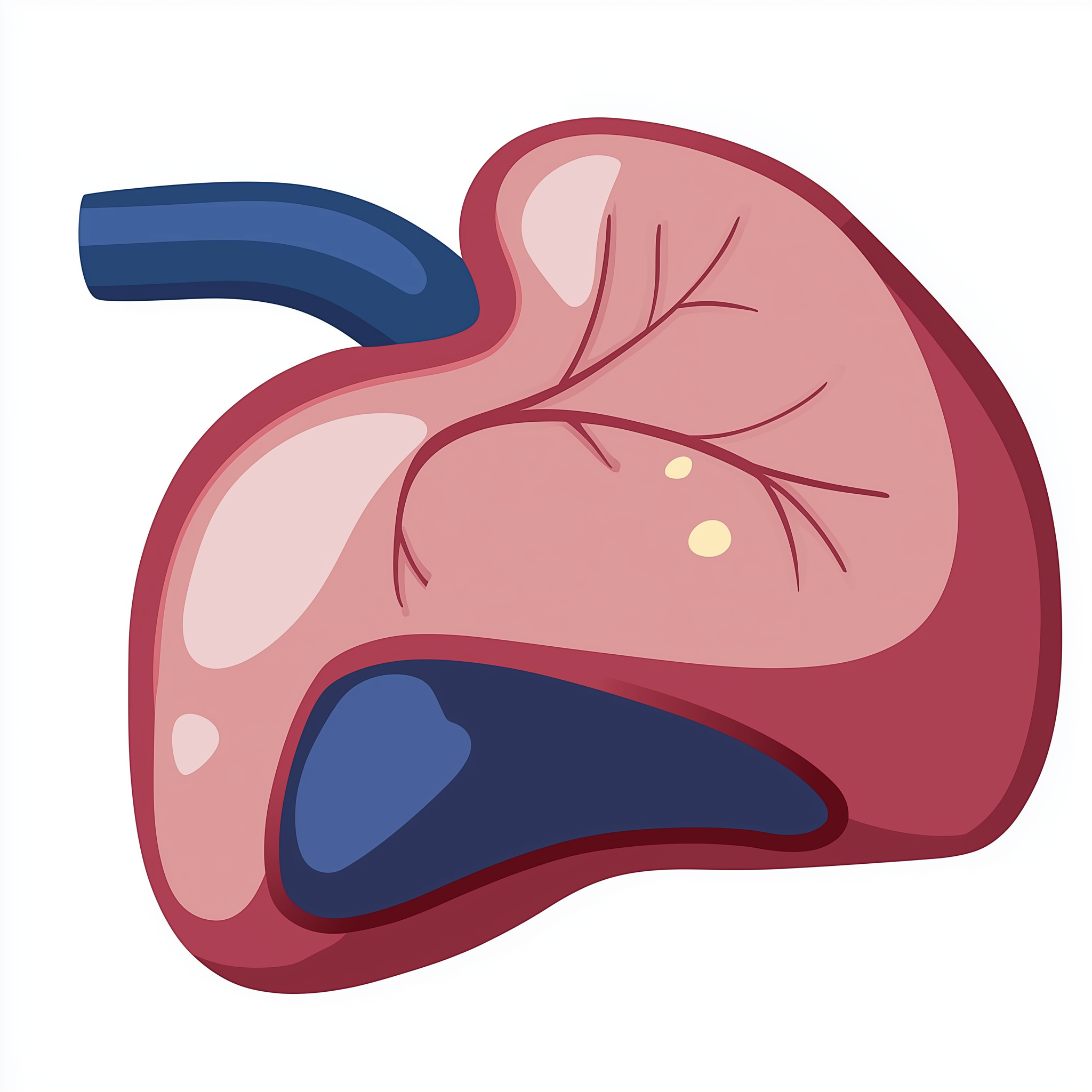
Affected organs
Johanson-Blizzard syndrome primarily affects the pancreas, specifically its exocrine function, which is responsible for producing digestive enzymes. This insufficiency leads to digestive problems and nutrient malabsorption.
Other organs and systems commonly affected include the ears, leading to hearing loss. The brain can also be affected, sometimes resulting in developmental delay or intellectual disability. Dental development is often abnormal, and there can be structural issues with the nose and anus. The scalp can also show abnormalities, such as sparse hair or an unusual hairline.

Risks & severity
Johanson-Blizzard syndrome presents with a spectrum of severity, even within the same family. The most serious risks are often related to the severe malabsorption due to pancreatic insufficiency, which can lead to significant malnutrition and growth failure if not managed effectively. Early diagnosis and intervention are crucial for improving long-term outcomes.
The developmental challenges can range from mild learning difficulties to more significant intellectual disability. The hearing loss can also vary in degree, from moderate to profound. Some complications, such as imperforate anus, require surgical correction in infancy. Overall, JBS is a serious condition that requires multidisciplinary care from childhood throughout adulthood.
Genetic causes
Johanson-Blizzard syndrome is a genetic condition, meaning it is caused by changes in an individual's genes. Research has identified that variants in the UBR1 gene are the primary cause of JBS [PMID:16541344]. The UBR1 gene provides instructions for making an enzyme called ubiquitin-protein ligase E3 component n-recognin 1.
This enzyme plays a critical role in the ubiquitin-proteasome system, a cellular pathway that breaks down and recycles unwanted or damaged proteins within cells. When the UBR1 gene has pathogenic variants, the enzyme's function is impaired. This disruption particularly affects the development and function of the exocrine pancreas, leading to the characteristic features of JBS. The exact mechanisms by which UBR1 variants lead to all the diverse symptoms of JBS are still being researched.
Inheritance pattern
Johanson-Blizzard syndrome is inherited in an autosomal recessive pattern. This means that for a person to develop the condition, they must inherit two altered copies of the causative gene - one from each parent.
If both parents are carriers of a pathogenic variant in the gene (meaning they each have one altered copy and one typical copy, but do not show symptoms themselves), there is a 25% chance with each pregnancy that their child will inherit two altered copies and be affected by JBS. There is also a 50% chance the child will be a carrier like the parents, and a 25% chance the child will inherit two typical copies of the gene. Genetic counselling can provide detailed information and support for families concerned about autosomal recessive inheritance.
When both parents are carriers, each child has a 25% chance of being affected, 50% of being a carrier, and 25% of being unaffected.
Diagnosis & testing
A diagnosis of Johanson-Blizzard syndrome is typically suspected based on a combination of clinical features, especially pancreatic insufficiency in conjunction with other characteristic symptoms like hearing loss or distinctive facial features. Imaging studies may be used to assess the pancreas and other affected organs.
Confirmation of JBS usually involves genetic testing, which can identify pathogenic variants in the UBR1 gene. In the UK, genetic testing for rare conditions like JBS can be accessed through the NHS Genomic Medicine Service (GMS). Referral to a clinical genetics service is usually required for this testing. Relevant NHS R-codes would be used for ordering specific genomic tests.
Management & lifestyle
The management of Johanson-Blizzard syndrome focuses on addressing the specific symptoms and needs of each individual. A multidisciplinary team of specialists, including gastroenterologists, endocrinologists, audiologists, and developmental paediatricians, is typically involved. Pancreatic enzyme replacement therapy is a cornerstone of treatment for exocrine pancreatic insufficiency, helping to improve digestion and nutrient absorption [PMID:33671077].
Hearing loss may be managed with hearing aids or cochlear implants, depending on the severity. Speech and language therapy, as well as educational support, are often beneficial for developmental delays. Surgical correction may be required for certain birth defects, such as an imperforate anus. Regular monitoring of growth, nutrition, and overall development is essential to ensure optimal health outcomes. Management plans are individualised and should always be discussed with healthcare professionals.
UK care pathway
In the UK, individuals suspected of having Johanson-Blizzard syndrome would typically be referred by their GP or paediatrician to a clinical genetics service. This service can provide a comprehensive assessment and arrange for genetic testing through the NHS Genomic Medicine Service. The NHS GMS utilises a national testing directory, with tests ordered using specific R-codes.
Once a diagnosis is confirmed, genetic counsellors play a vital role in explaining the condition, its inheritance pattern, and the implications for the wider family. Care management usually involves specialist teams coordinated within the NHS to address the specific symptoms, such as pancreatic insufficiency, hearing loss, and developmental support needs.
Frequently asked questions
What does 'exocrine pancreatic insufficiency' mean?
Exocrine pancreatic insufficiency means that your pancreas doesn't produce enough of the enzymes needed to digest food properly. This can lead to problems absorbing nutrients and can cause symptoms like fatty stools and difficulty gaining weight.
Is Johanson-Blizzard syndrome always severe?
The severity of Johanson-Blizzard syndrome can vary significantly from person to person. While it is a serious condition requiring lifelong management, the extent of symptoms like developmental delay or hearing loss can differ, and appropriate medical support can improve outcomes.
How is the hearing loss in Johanson-Blizzard syndrome treated?
Hearing loss in JBS is often sensorineural, meaning it's due to inner ear or nerve damage. Management typically involves hearing aids. In some cases, if the hearing loss is profound, cochlear implants may be considered to help improve hearing.
If I have one child with Johanson-Blizzard syndrome, what is the chance my next child will also have it?
Since JBS is inherited in an autosomal recessive pattern, if you already have one child with the condition, it means both parents are carriers. With each subsequent pregnancy, there is a 25% chance (1 in 4) that another child will also inherit the condition.
What kind of doctors will be involved in managing Johanson-Blizzard syndrome?
Managing JBS typically involves a team of specialists. This often includes a gastroenterologist for pancreatic issues, an audiologist for hearing, a paediatrician for overall development, a geneticist, and potentially other specialists like an endocrinologist or speech therapist.
References
- Rezaei N, Sabbaghian M, Liu Z. Eponym: Johanson-Blizzard syndrome. European journal of pediatrics. 2011. PMID: 20556422
- Hurst JA, Baraitser M. Johanson-Blizzard syndrome. Journal of medical genetics. 1989. PMID: 2645405
- Almashraki N, Abdulnabee MZ, Sukalo M. Johanson-Blizzard syndrome. World journal of gastroenterology. 2011. PMID: 22072859
- Godbole K, Maja S, Leena H. Johanson-blizzard syndrome. Indian pediatrics. 2013. PMID: 23778732
- Zenker M, Mayerle J, Reis A. Genetic basis and pancreatic biology of Johanson-Blizzard syndrome. Endocrinology and metabolism clinics of North America. 2006. PMID: 16632090
- Kristjansson K, Hoffman WH, Flannery DB. Johanson-Blizzard syndrome and hypopituitarism. The Journal of pediatrics. 1988. PMID: 3183841
- Corona-Rivera JR, Zapata-Aldana E, Bobadilla-Morales L. Oblique facial clefts in Johanson-Blizzard syndrome. American journal of medical genetics. Part A. 2016. PMID: 26989884
- Kulkarni ML, Shetty SK, Kallambella KS. Johanson--blizzard syndrome. Indian journal of pediatrics. 2004. PMID: 15630323