

On this page
Lafora disease
Also known as Lafora disease (NHLRC1)
This severe condition typically begins in adolescence, leading to uncontrolled seizures, cognitive decline, and movement problems. It affects both males and females and is caused by genetic changes that disrupt normal brain function.
Overview
Lafora disease is a very rare and severe neurodegenerative disorder that primarily affects the brain and nervous system. It belongs to a group of conditions known as progressive myoclonus epilepsies (PMEs). The condition is characterised by the accumulation of abnormal sugar molecules, called Lafora bodies, within the cells of the brain and other tissues. These deposits are thought to impair normal cell function, particularly in nerve cells [PMID:33653765].
Symptoms typically begin in the teenage years, though onset can vary. The disease progresses over time, leading to worsening neurological symptoms. Due to its rarity, the exact number of people affected by Lafora disease is not well established, but it is considered extremely uncommon worldwide. Understanding the genetic basis of Lafora disease is crucial for accurate diagnosis and for developing potential treatment strategies.
Symptoms & clinical features
The initial symptoms of Lafora disease often include seizures, which can take various forms, but myoclonic seizures (sudden, brief jerks of a muscle or muscle group) are particularly common. Other seizure types, such as generalised tonic-clonic seizures (grand mal seizures) and occipital seizures (affecting vision), may also occur. These seizures can be difficult to control with standard anti-epileptic medications and tend to become more frequent and severe as the disease progresses [PMID:30137533].
Beyond seizures, individuals with Lafora disease experience progressive neurological decline. Cognitive function often deteriorates, leading to difficulties with memory, attention, and problem-solving, which can impact academic performance and daily activities. Psychiatric symptoms, such as depression, anxiety, behavioural changes, and even psychosis, can also emerge. Over time, motor skills are affected, leading to problems with coordination (ataxia), speech difficulties (dysarthria), and a general decline in mobility. The combination of these symptoms significantly impacts quality of life.
Video: Genetics 101
Affected organs
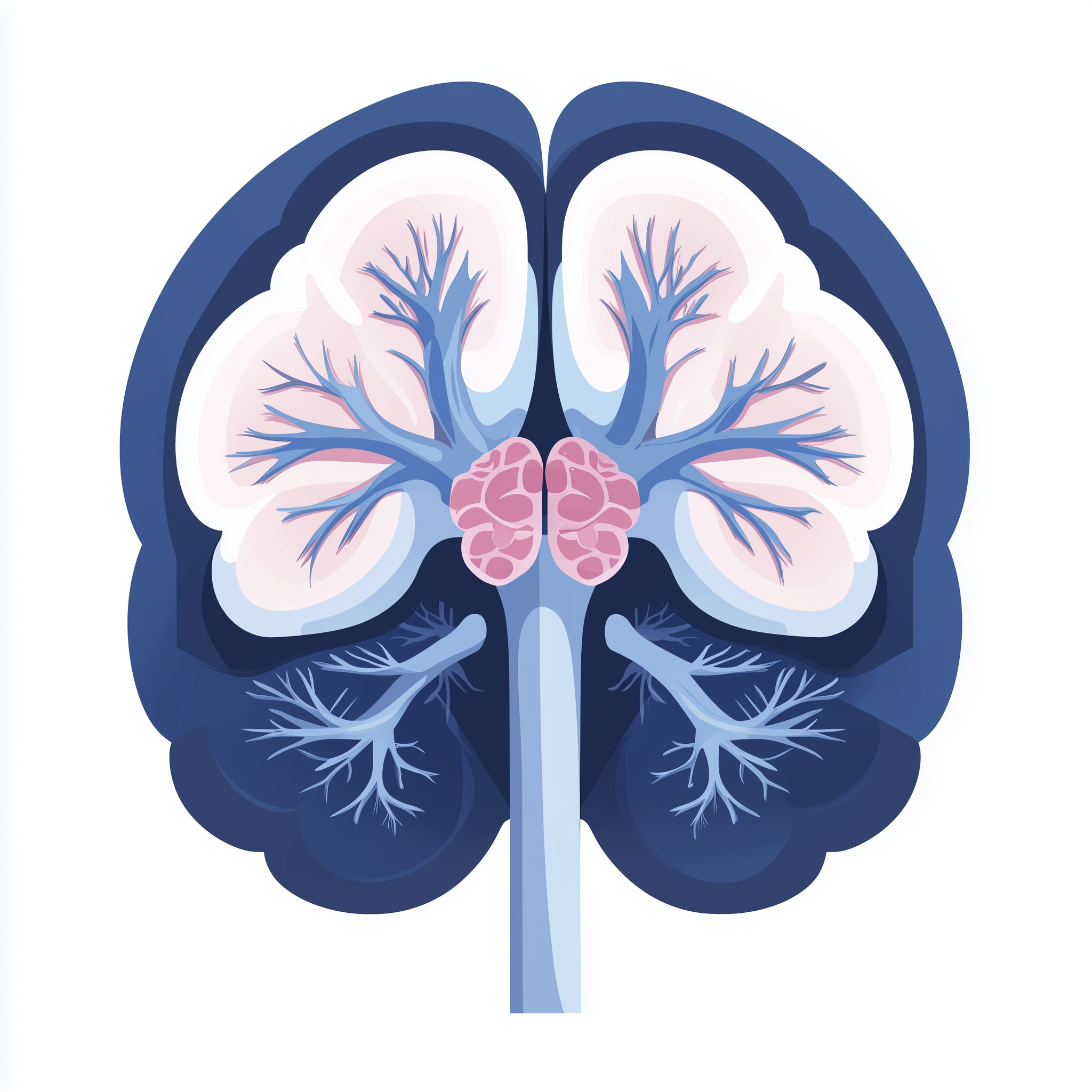
Lafora disease primarily affects the central nervous system, particularly the brain. The accumulation of Lafora bodies, which are abnormal glycogen-like inclusions, is most prominent in neurons (nerve cells) throughout various regions of the brain, including the cerebral cortex, cerebellum, and brainstem. This widespread neuronal dysfunction underlies the range of neurological symptoms observed.
While the brain is the main organ affected, Lafora bodies can also be found in other tissues, such as the liver, muscle, heart, and skin. However, the clinical manifestations outside the nervous system are generally less prominent or may not cause significant symptoms, with the severe neurological degeneration being the defining feature of the disease.

Risks & severity
Lafora disease is a severe and progressive condition. The age of symptom onset typically ranges from late childhood to late adolescence, usually between 10 and 17 years of age. However, there can be some variability, with rare cases presenting earlier or later. Once symptoms begin, the disease follows a course of relentless neurological deterioration.
Over several years, individuals experience increasing seizure frequency and severity, worsening cognitive decline, and progressive motor dysfunction. This progression ultimately leads to significant disability, often requiring comprehensive care. Lafora disease is associated with a shortened life expectancy, with most affected individuals unfortunately succumbing to complications of the disease within 10 years of symptom onset, though this can vary.
Genetic causes
Lafora disease is caused by pathogenic variants (sometimes called mutations) in one of two genes: EPM2A or NHLRC1. Both genes play critical roles in regulating glycogen metabolism within cells. Glycogen is a form of stored glucose (sugar) that cells use for energy. In Lafora disease, the normal breakdown and synthesis of glycogen are disrupted, leading to the formation of abnormal, insoluble glycogen-like structures known as Lafora bodies [PMID:33653765].
The EPM2A gene provides instructions for making a protein called laforin. Laforin is a phosphatase enzyme, meaning it removes phosphate groups from other molecules. It is thought to be involved in ensuring that glycogen molecules are properly structured and can be broken down efficiently. Pathogenic changes in EPM2A lead to a non-functional or poorly functional laforin, resulting in the accumulation of abnormal glycogen.
The NHLRC1 gene produces a protein called malin. Malin is an E3 ubiquitin ligase, an enzyme that helps mark other proteins for degradation and recycling within the cell. Malin is thought to work in conjunction with laforin to maintain glycogen homeostasis and prevent the build-up of abnormal glycogen. Pathogenic variants in NHLRC1 disrupt malin's function, leading to similar cellular consequences and the development of Lafora disease [PMID:30137533].
- EPM2A EPM2A glucan phosphatase, laforinEPM2A encodes laforin, a glycogen-regulating protein essential for nervous system health, with variants causing Lafora disease.
- NHLRC1 NHL repeat containing E3 ubiquitin protein ligase 1The NHLRC1 gene provides instructions for the malin protein, which plays a crucial role in the ubiquitin-proteasome system, helping to degrade unwanted proteins and regulate glycogen metabolism.
Inheritance pattern
Lafora disease is inherited in an autosomal recessive pattern. This means that an individual must inherit two pathogenic variants, one from each parent, to develop the condition. People who have only one pathogenic variant in either the EPM2A or NHLRC1 gene are called carriers. Carriers typically do not show any symptoms of Lafora disease because they have one working copy of the gene, which is usually sufficient for normal protein function.
If both parents are carriers of a pathogenic variant for Lafora disease, there is a 25% (1 in 4) chance with each pregnancy that their child will inherit two copies of the pathogenic variant and develop Lafora disease. There is a 50% (1 in 2) chance that their child will be a carrier like them, and a 25% (1 in 4) chance that their child will inherit two working copies of the gene and not be affected or a carrier. Genetic counselling is available for families to understand these inheritance patterns and the associated risks.
When both parents are carriers, each child has a 25% chance of being affected, 50% of being a carrier, and 25% of being unaffected.
Subtypes & variants
This page covers Lafora disease as a single condition. Several distinct variants and clinical subtypes are recognised in the literature - they share the underlying biology and broad management approach, but differ in severity, age of onset, or causative gene:
- NHLRC1-related NHLRC1 OMIM 254780
NHLRC1 (malin) variants account for roughly 40 per cent of Lafora disease cases. Slightly later onset and slower progression than EPM2A (laforin) variants, though both are ultimately progressive myoclonic epilepsies.
Diagnosis & testing
Diagnosing Lafora disease typically involves a combination of clinical assessment, electroencephalogram (EEG) findings, imaging studies, and ultimately, genetic testing. The characteristic clinical presentation, including the onset of myoclonic seizures and progressive neurological decline in adolescence, often prompts suspicion. An EEG may show specific patterns of abnormal brain activity indicative of epilepsy. Brain MRI might show non-specific signs of brain atrophy as the disease progresses.
The definitive diagnosis of Lafora disease is confirmed through genetic testing, which identifies pathogenic variants in the EPM2A or NHLRC1 genes. This testing can be performed on a blood sample. In the UK, genetic testing for progressive myoclonus epilepsies, including Lafora disease, is typically part of the NHS Genomic Medicine Service (GMS) pathways. Clinicians, often neurologists or paediatric neurologists, will refer individuals for genetic testing if there is a strong clinical suspicion. Skin biopsy can sometimes reveal Lafora bodies in sweat glands, which historically aided diagnosis, but genetic testing is now the gold standard.
Management & lifestyle
Currently, there is no cure for Lafora disease, and management is primarily focused on controlling symptoms and providing supportive care to improve quality of life. Anti-epileptic medications are used to manage seizures, although these can be difficult to control and may require multiple drugs. Regular reviews by a neurologist are essential to adjust medication as the disease progresses.
Supportive care includes physical therapy to maintain mobility and strength, occupational therapy to help with daily activities, and speech therapy for communication difficulties. Educational support and psychological counselling can also be beneficial for both the affected individual and their family. A multidisciplinary team approach, involving various healthcare professionals, is generally recommended to address the complex and evolving needs associated with Lafora disease. Research is ongoing to find new treatments, including those that might target the underlying molecular mechanisms of the disease.
UK care pathway
In the UK, individuals suspected of having Lafora disease would typically be referred to a specialist, such as a neurologist or paediatric neurologist, within the NHS. If clinical signs suggest a genetic cause, they may then be referred to a clinical genetics service. Genetic testing for Lafora disease falls under the NHS Genomic Medicine Service (GMS) pathways. Relevant R-codes for genetic testing for progressive myoclonic epilepsies, which include Lafora disease, would be used by clinicians when ordering tests. A genetic counsellor can provide detailed information about the condition, inheritance patterns, and implications for family members, as well as support throughout the diagnostic and management process.
Frequently asked questions
How common is Lafora disease?
Lafora disease is extremely rare. The exact prevalence is not well established, but it is considered one of the rarest neurodegenerative disorders worldwide. Due to its rarity, many healthcare professionals may not have encountered it.
Can Lafora disease be prevented?
As Lafora disease is a genetic condition caused by inherited pathogenic variants, it cannot be prevented. For families with a known history of Lafora disease, genetic counselling can provide information about recurrence risks and reproductive options.
What is the life expectancy for someone with Lafora disease?
Lafora disease is a severe and progressive condition. Life expectancy is significantly reduced, with most affected individuals sadly passing away within approximately 10 years of symptom onset, though there can be some variability between individuals.
Are there any treatments that can cure Lafora disease?
Currently, there is no cure for Lafora disease. Treatment focuses on managing symptoms, particularly seizures, and providing supportive care to improve quality of life. Research is ongoing to develop therapies that could potentially halt or slow the progression of the disease.
If I have Lafora disease, will my children inherit it?
Lafora disease is inherited in an autosomal recessive pattern. If you have Lafora disease, it means you have two pathogenic variants. For your children to inherit the condition, your partner would also need to be a carrier (have one pathogenic variant) or also have the condition. If your partner is not a carrier, your children would be carriers but would not develop the disease. Genetic counselling can provide personalised risk assessments and information.
References
- Neoh GKS, Tan X, Chen S. Glycogen metabolism and structure: A review. Carbohydrate polymers. 2024. PMID: 39245499
- Turnbull J, Tiberia E, Striano P. Lafora disease. Epileptic disorders : international epilepsy journal with videotape. 2016. PMID: 27702709
- Ibrahim F, Murr NI. Lafora Disease. 2024. PMID: 29489177
- Lv M, Ma Q. Autophagy and Epilepsy. Advances in experimental medicine and biology. 2020. PMID: 32671745
- DiMauro S, Lamperti C. Muscle glycogenoses. Muscle & nerve. 2001. PMID: 11439374
- Kälviäinen R. Progressive Myoclonus Epilepsies. Seminars in neurology. 2015. PMID: 26060909
- Roach PJ, Depaoli-Roach AA, Hurley TD. Glycogen and its metabolism: some new developments and old themes. The Biochemical journal. 2012. PMID: 22248338
- Zimmern V, Minassian B. Progressive Myoclonus Epilepsy: A Scoping Review of Diagnostic, Phenotypic and Therapeutic Advances. Genes. 2024. PMID: 38397161