

On this page
Myofibrillar myopathy (desmin)
This condition leads to progressive muscle weakness, often affecting the limbs and sometimes other body systems. It typically presents in adulthood and is caused by changes in the DES gene.
Overview
Myofibrillar myopathy (desmin) is a rare, inherited condition that primarily affects the skeletal muscles, which are responsible for movement. It belongs to a group of disorders where the myofibrils - the basic contractile units of muscle cells - gradually break down [PMID:33678120]. This breakdown leads to progressive muscle weakness and can also affect the heart and nerves in some individuals.
The condition typically manifests in adulthood, although the age of onset can vary widely among affected individuals. As it progresses, daily activities can become challenging due to increasing muscle weakness. The specific type of myofibrillar myopathy linked to changes in the DES gene is often referred to as desmin-related myofibrillar myopathy.
Symptoms & clinical features
The main symptom of myofibrillar myopathy (desmin) is progressive muscle weakness, which can start in different parts of the body. Weakness often begins in the muscles closer to the body's centre, such as the shoulders and hips (proximal muscles), or in the muscles further away, like those in the hands and feet (distal muscles) [PMID:33678120]. This can lead to difficulties with walking, climbing stairs, or lifting objects.
Over time, muscle weakness may become more widespread. Some individuals may experience a weakening of the heart muscle, known as cardiomyopathy, which can affect the heart's ability to pump blood effectively. Rarely, effects on the nervous system can lead to problems with sensation or nerve function. Breathing difficulties may also occur if the muscles involved in respiration become weak [PMID:24072346].
Video: Genetics 101
Affected organs
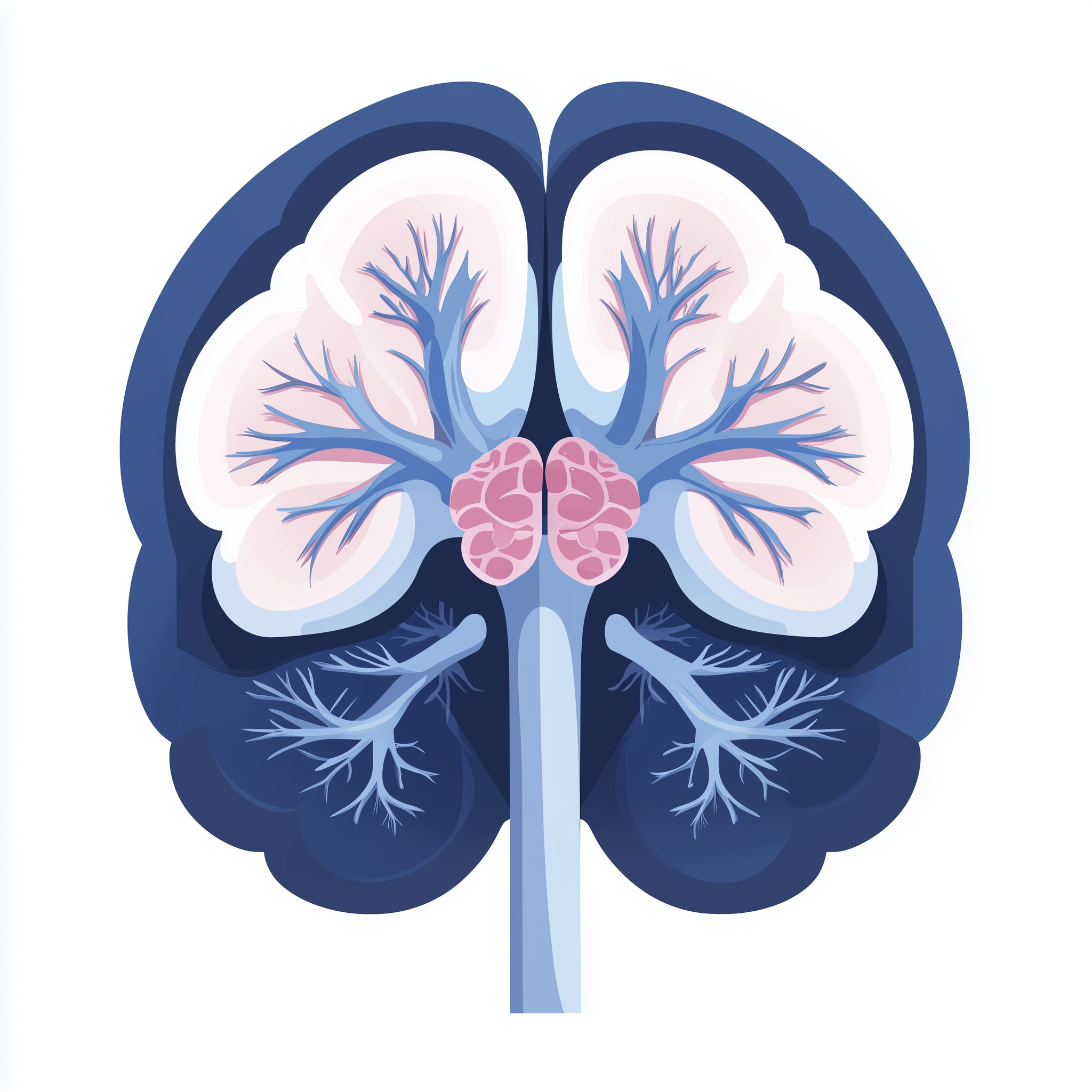
Myofibrillar myopathy (desmin) primarily affects the skeletal muscles throughout the body, leading to the progressive weakness described above. These are the muscles attached to bones that enable movement. The heart can also be affected, potentially leading to cardiomyopathy, a condition where the heart muscle becomes enlarged, thickened, or stiff. This can impair its function and, in some cases, result in heart rhythm abnormalities (arrhythmias) [PMID:24072346]. Rarely, the peripheral nerves, which transmit signals between the brain, spinal cord, and the rest of the body, may also show changes.

Risks & severity
The severity of myofibrillar myopathy (desmin) can vary considerably, even within the same family. Some individuals may experience mild, slowly progressing muscle weakness, while others might develop more severe symptoms affecting their mobility, heart, or breathing. The age of symptom onset also varies, typically ranging from early adulthood to later life, although childhood onset has been reported in some cases.
The condition is progressive, meaning symptoms tend to worsen over time. The development of cardiomyopathy or respiratory muscle weakness can significantly impact an individual's health. Regular monitoring is important to detect and manage these potential complications.
Genetic causes
Myofibrillar myopathy (desmin) is caused by pathogenic variants in the DES gene. This gene provides instructions for making a protein called desmin, which is crucial for maintaining the structural integrity of muscle cells [PMID:33678120]. Desmin is an intermediate filament protein that forms a network connecting the contractile units (myofibrils) to each other and to the cell membrane. This network helps to keep muscle cells stable and functional during contraction and relaxation.
When there are pathogenic changes in the DES gene, the desmin protein may be produced incorrectly or not at all. This can disrupt the normal desmin network, leading to the accumulation of abnormal protein aggregates within muscle cells [PMID:24072346]. These aggregates interfere with the normal function of muscle fibres, causing them to break down and leading to the characteristic muscle weakness and damage seen in myofibrillar myopathy (desmin).
- DES desmin
Inheritance pattern
Myofibrillar myopathy (desmin) is inherited in an autosomal dominant pattern. This means that a person only needs to inherit one copy of the altered DES gene from a parent to develop the condition. If one parent has an autosomal dominant condition, there is a 50% chance with each pregnancy that their child will inherit the pathogenic variant and therefore the condition.
The condition can also arise from a new (de novo) pathogenic variant in the DES gene in an individual, meaning neither parent carries the altered gene. Family members of an affected individual can discuss their inheritance risks and options for genetic testing with a clinical genetics specialist or genetic counsellor.
Each child has a 50% chance of inheriting the pathogenic variant, regardless of sex.
Diagnosis & testing
Diagnosis of myofibrillar myopathy (desmin) typically begins with a clinical examination by a neurologist, who will assess muscle weakness and other symptoms. Further investigations often include a muscle biopsy, which involves taking a small sample of muscle tissue for examination under a microscope. This can reveal characteristic features such as the accumulation of abnormal protein aggregates within muscle cells [PMID:33678120].
Genetic testing is used to confirm the diagnosis by identifying pathogenic variants in the DES gene. This testing is usually arranged through the NHS Genomic Medicine Service following a referral from a specialist. The relevant NHS 'R-code' for muscular dystrophy, including myofibrillar myopathies, would guide the genetic testing pathway. Genetic counselling is an integral part of the diagnostic process, providing support and information to individuals and families.
Management & lifestyle
While there is currently no cure for myofibrillar myopathy (desmin), management focuses on alleviating symptoms and improving quality of life. This often involves a multidisciplinary team approach, including neurologists, cardiologists, physiotherapists, and occupational therapists. Physiotherapy can help maintain muscle strength, flexibility, and mobility, while occupational therapy can assist with adapting daily tasks.
Regular cardiac assessments, including electrocardiograms (ECGs) and echocardiograms, are important to monitor for the development of cardiomyopathy or arrhythmias. If present, these can be managed with medication or other interventions as appropriate. Respiratory function may also be monitored, and interventions such as breathing support may be considered if needed. Genetic counsellors can provide essential information and support regarding the condition and its inheritance.
UK care pathway
In the UK, individuals suspected of having a genetic muscle condition like myofibrillar myopathy (desmin) would typically be referred to a specialist, such as a neurologist, within the NHS. Following a clinical assessment, they may be referred for genetic testing via the NHS Genomic Medicine Service. This service uses nationally approved 'R-codes' to guide diagnostic pathways, ensuring appropriate testing is performed. Referral to a clinical genetics department and access to genetic counsellors are key parts of this pathway, providing comprehensive support and information to patients and their families.
Frequently asked questions
What is desmin?
Desmin is a protein found in muscle cells that helps to maintain their structure and stability. It forms a network that supports the muscle fibres, allowing them to contract and relax properly. Pathogenic changes in the gene that makes desmin can disrupt this network, leading to muscle damage.
How common is myofibrillar myopathy (desmin)?
Myofibrillar myopathy (desmin) is considered a rare condition. The exact number of people affected is not well established, but it is known to occur infrequently in the general population.
Can children be affected by myofibrillar myopathy (desmin)?
While myofibrillar myopathy (desmin) typically presents in adulthood, with symptoms usually appearing between the ages of 20 and 60, there have been rare instances of childhood onset. The age at which symptoms begin can vary significantly.
Is there a specific diet or exercise regimen for this condition?
There is no specific diet or exercise regimen that can cure myofibrillar myopathy (desmin). However, maintaining a balanced diet and engaging in appropriate, supervised physical therapy can help manage symptoms, maintain muscle function, and improve overall well-being. It is important to discuss any exercise plans with a healthcare professional.
What is the life expectancy for someone with myofibrillar myopathy (desmin)?
The life expectancy for individuals with myofibrillar myopathy (desmin) can vary widely depending on the severity of the condition and how it affects vital organs like the heart and respiratory system. Regular medical monitoring and appropriate management of complications can help improve outcomes. It is best to discuss individual prognosis with your healthcare team.