

On this page
Neurofibromatosis type 2
This genetic condition leads to tumour growth primarily along nerves, with bilateral vestibular schwannomas being the hallmark feature. People with neurofibromatosis type 2 typically develop symptoms in late adolescence or early adulthood, though onset and severity vary considerably between individuals.
Available at Jeen Health
Clinical tests that include this
Overview
Neurofibromatosis type 2 represents a distinct hereditary tumour syndrome affecting approximately 1 in 25,000 to 33,000 people in the United Kingdom [PMID:28741982]. The condition differs fundamentally from the more common neurofibromatosis type 1, despite sharing part of its name. Individuals with neurofibromatosis type 2 develop benign tumours called schwannomas, which arise from the protective sheath surrounding nerves throughout the body. The most characteristic feature involves schwannomas developing on both hearing nerves, though tumours can affect many other sites within the nervous system.
The clinical impact varies widely between families and even among affected members of the same family. Some people experience relatively mild symptoms that emerge in middle age, whilst others face significant neurological challenges beginning in their teenage years. Schwannomas themselves are non-cancerous, but their location and growth can cause substantial medical complications. As these tumours enlarge, they may press on nearby brain tissue, compromise nerve function, or block the normal flow of cerebrospinal fluid. Beyond schwannomas, affected individuals frequently develop meningiomas covering the brain and spinal cord, as well as ependymomas within the spinal canal. The progressive nature of tumour development means that ongoing monitoring and timely intervention form essential components of care for those living with this condition.
Symptoms & clinical features
The hallmark clinical feature of neurofibromatosis type 2 involves bilateral vestibular schwannomas, meaning tumours develop on the hearing and balance nerves on both sides of the head [PMID:29024949]. These tumours typically cause progressive hearing loss, often beginning in one ear before affecting the other. People may notice tinnitus (ringing in the ears), balance difficulties, or a sensation of fullness in the ear. As vestibular schwannomas enlarge, they can compress the brainstem, potentially causing headaches, facial weakness, difficulty swallowing, or problems with eye movement. The age at which symptoms first appear varies considerably, though most people notice initial signs between ages 18 and 24 years.
Beyond the characteristic vestibular schwannomas, affected individuals often develop schwannomas along peripheral nerves throughout the body. These can cause pain, numbness, tingling, or weakness in affected areas. Spinal tumours, including schwannomas, meningiomas, and ependymomas, may produce back pain, sensory changes in the limbs, or progressive weakness. Some people develop cataracts at an unusually young age, often appearing as cloudy patches in the lens during childhood or adolescence. Skin manifestations occur less prominently than in neurofibromatosis type 1, though some individuals develop a few café-au-lait spots or small cutaneous schwannomas. The variable presentation means two people with the same genetic change may experience quite different clinical courses, with tumour number, size, and growth rate differing substantially. Neurological symptoms develop gradually as tumours enlarge, making regular monitoring important for detecting changes before they cause irreversible damage.
Video: Is cancer in your genes?
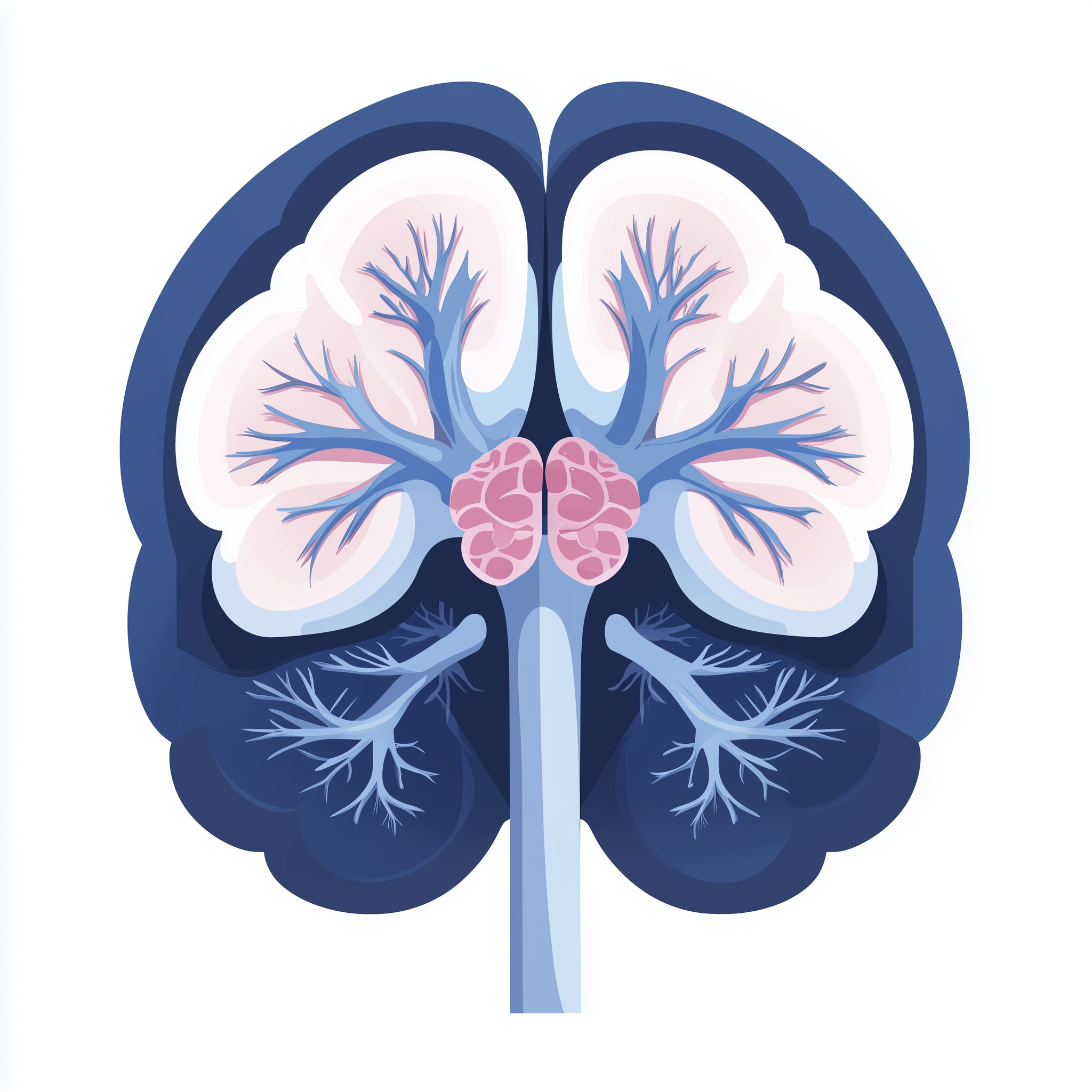
Affected organs
The nervous system bears the primary impact of neurofibromatosis type 2, with tumours developing throughout both central and peripheral nervous structures. The eighth cranial nerves, responsible for hearing and balance, represent the most consistently affected site, with bilateral vestibular schwannomas developing in the vast majority of affected individuals. The brain itself may develop meningiomas covering its surface, particularly along the convexity and at the skull base. The spinal cord frequently harbours multiple tumours, including schwannomas arising from nerve roots, meningiomas compressing the cord from outside, and ependymomas growing within the spinal canal. Peripheral nerves throughout the body can develop schwannomas, though these typically cause fewer symptoms than those affecting cranial nerves.
The eyes are affected in many cases, with juvenile posterior subcapsular cataracts developing commonly in people with neurofibromatosis type 2. These lens opacities may appear years before other symptoms emerge, sometimes providing an early clue to the diagnosis. Retinal abnormalities, including epiretinal membranes, can also occur. Whilst the tumours themselves remain benign, their location within confined spaces such as the skull or spinal canal means they can cause significant secondary effects on surrounding structures. Compression of the brainstem may affect vital functions including breathing and swallowing. Obstruction of cerebrospinal fluid pathways can lead to hydrocephalus, causing headaches and neurological deterioration. The skin is less prominently involved compared to neurofibromatosis type 1, though some individuals develop a few schwannomas beneath the skin surface or scattered pigmented patches.

Risks & severity
The clinical severity of neurofibromatosis type 2 spans a broad spectrum, from relatively mild disease with late-onset symptoms to severe presentations causing profound disability in young adults. Research suggests that age at symptom onset correlates with overall disease severity, with those developing symptoms before age 20 generally experiencing more aggressive tumour growth and a greater tumour burden. People diagnosed in childhood often face bilateral vestibular schwannomas by their teenage years, along with multiple meningiomas and spinal tumours. In contrast, individuals whose symptoms emerge after age 40 may have fewer tumours that grow more slowly, sometimes remaining stable for extended periods.
Nearly all people carrying pathogenic NF2 variants will develop bilateral vestibular schwannomas during their lifetime, making this the defining feature of the condition. Many affected individuals develop spinal tumours and intracranial meningiomas over their lifetime. The cumulative effect of multiple tumours often proves more challenging than any single lesion. Progressive hearing loss affects the vast majority of people with neurofibromatosis type 2, with many experiencing profound deafness in both ears by middle age despite medical and surgical interventions. Mortality primarily relates to complications from intracranial tumours, particularly when brainstem compression occurs or when surgical interventions carry significant risks. Life expectancy remains reduced compared to the general population, though outcomes have improved substantially with modern imaging surveillance and neurosurgical techniques. The unpredictable nature of tumour growth patterns means that prognosis for any individual remains difficult to determine, though certain genetic and clinical features may suggest likely disease trajectories.
Genetic causes
Neurofibromatosis type 2 results from pathogenic variants in NF2, a gene located on chromosome 22 that encodes a protein called merlin, also known as schwannomin [PMID:9174063]. Merlin serves as a tumour suppressor, regulating cell division and preventing uncontrolled growth. This protein coordinates signals at the cell membrane that determine whether cells should divide, migrate, or maintain stable contact with neighbouring cells. Merlin proves particularly important in Schwann cells, which form the protective myelin sheath around nerves, and in other nervous system cell types including meningeal cells covering the brain and spinal cord.
Loss of functional merlin in both gene copies within a single cell removes crucial growth controls, potentially leading to schwannoma or meningioma development. People with neurofibromatosis type 2 inherit one non-functional NF2 copy in all their cells, meaning they require only one additional genetic change within a susceptible cell to trigger tumour formation. This 'two-hit' mechanism explains why multiple independent tumours develop throughout the nervous system over an affected person's lifetime. Evidence suggests that merlin interacts with numerous cellular signalling pathways, including those involving cell surface receptors and cytoskeletal elements that maintain cell shape. When functional merlin is absent, these regulatory networks become disrupted, allowing cells to proliferate inappropriately and form benign tumours. The specific location and timing of the 'second hit' determines where and when tumours emerge, accounting for the variable presentation observed even among relatives carrying identical inherited NF2 variants. Different types of pathogenic variants in NF2, including those causing complete protein loss versus those producing partially functional protein, may influence disease severity, though predicting individual outcomes based solely on genetic findings remains challenging.
- NF2 NF2, moesin-ezrin-radixin like (MERLIN) tumor suppressorThe NF2 gene encodes merlin, a tumour suppressor protein that regulates cell growth and prevents uncontrolled division in the nervous system.
Inheritance pattern
Neurofibromatosis type 2 follows an autosomal dominant inheritance pattern, meaning a single pathogenic variant in one copy of NF2 is sufficient to cause the condition. Each child of an affected parent has a 50% chance of inheriting the altered gene copy and therefore developing neurofibromatosis type 2 themselves. The condition affects males and females equally, and an affected person of either sex can transmit the variant to children of either sex. Because the condition shows essentially complete penetrance, nearly everyone who inherits a pathogenic NF2 variant will develop features of the condition during their lifetime, though the age of onset and severity may differ substantially even within families.
Approximately half of people diagnosed with neurofibromatosis type 2 have inherited the condition from an affected parent, whilst the other half represent new (de novo) variants that occurred for the first time in that individual. When a pathogenic variant arises as a new change, neither parent carries the variant in their own cells, and the recurrence risk for future siblings is very low. However, once someone carries a pathogenic NF2 variant, whether inherited or new, each of their children faces the 50% inheritance risk. In rare cases, a parent may carry the pathogenic variant in some but not all of their cells, a situation called mosaicism, which can complicate genetic counselling and risk assessment. For families affected by neurofibromatosis type 2, genetic counselling provides valuable support in understanding inheritance patterns, discussing reproductive options, and arranging predictive testing for at-risk relatives who wish to know their genetic status before symptoms develop.
Each child has a 50% chance of inheriting the pathogenic variant, regardless of sex.
Diagnosis & testing
Diagnosis of neurofibromatosis type 2 rests on a combination of clinical findings and genetic testing results. Clinical diagnostic criteria have been established to identify affected individuals based on characteristic tumour patterns: bilateral vestibular schwannomas represent the cardinal feature, but a diagnosis can also be made in someone with a unilateral vestibular schwannoma before age 70 plus two other tumour types (meningioma, schwannoma, ependymoma, or juvenile posterior subcapsular cataract), or in someone with multiple meningiomas plus a unilateral vestibular schwannoma or two other tumour types. Having a first-degree relative with neurofibromatosis type 2 and either a unilateral vestibular schwannoma or two other characteristic tumours also meets diagnostic criteria.
Genetic testing through the NHS Genomic Medicine Service provides definitive confirmation in most cases, with analysis identifying pathogenic NF2 variants in the majority of people meeting clinical diagnostic criteria. Testing typically involves sequencing the entire NF2 coding region plus deletion/duplication analysis to detect larger genetic rearrangements. Within the NHS, referral to clinical genetics usually follows initial assessment by neurology or neurosurgery services when characteristic imaging findings raise suspicion. The relevant PanelApp panel (R207 - Inherited cancer-predisposing syndromes) includes NF2 among genes analysed for hereditary tumour syndromes. Magnetic resonance imaging of the brain and spine with gadolinium contrast represents the primary imaging modality for detecting and monitoring tumours, offering superior soft tissue detail compared to computed tomography. Audiological assessment, including pure tone audiometry and auditory brainstem response testing, helps document hearing function and detect early changes. Ophthalmological examination may reveal characteristic juvenile cataracts. For individuals with a family history of neurofibromatosis type 2, predictive genetic testing can clarify whether they have inherited the familial variant, enabling appropriate surveillance to commence or providing reassurance if the variant is absent.
Management & lifestyle
Management of neurofibromatosis type 2 within the NHS focuses on regular surveillance to detect tumour growth early, timely intervention when tumours cause symptoms or threaten neurological function, and coordinated multidisciplinary care addressing the condition's complex manifestations. Surveillance typically involves annual magnetic resonance imaging of the brain and spine beginning at diagnosis or age 10-12 years in known gene carriers, with intervals adjusted based on tumour stability and individual risk. Audiological assessment occurs annually to monitor hearing function and detect decline that might warrant intervention. Ophthalmological review checks for cataract progression and retinal complications. When vestibular schwannomas grow or cause progressive hearing loss, treatment options include observation, stereotactic radiotherapy, or surgical resection, with decisions balanced against risks of accelerating hearing loss or causing facial nerve injury.
For symptomatic spinal tumours or meningiomas causing neurological compromise, neurosurgical resection may prove necessary, though complete removal can be challenging when tumours are numerous or involve critical structures. Evidence suggests that bevacizumab, a medication targeting vascular growth factors, may slow vestibular schwannoma growth and improve hearing in some individuals, though its use remains under evaluation and is typically reserved for progressive disease not amenable to standard approaches. Hearing rehabilitation represents a crucial component of care, with options including hearing aids, cochlear implants, or auditory brainstem implants depending on the degree of hearing loss and anatomical considerations. The NHS care pathway involves coordination between neurosurgery, neurology, audiovestibular medicine, ophthalmology, and clinical genetics, often through specialised neurofibromatosis clinics where available.
Genetic counselling supports affected individuals and their families in understanding inheritance risks, considering reproductive options including prenatal diagnosis or preimplantation genetic testing, and arranging predictive testing for at-risk relatives. Lifestyle considerations include awareness that activities causing head trauma might pose theoretical risks, though evidence for specific restrictions remains limited. Some individuals find peer support through organisations such as Nerve Tumours UK valuable for connecting with others facing similar challenges. Regular engagement with the multidisciplinary team enables early detection of complications and timely adjustments to the management plan as new tumours emerge or existing ones progress.
UK care pathway
Within the NHS Genomic Medicine Service, neurofibromatosis type 2 is recognised through the R207 PanelApp panel (Inherited cancer-predisposing syndromes), which includes NF2 among genes associated with hereditary tumour predisposition. Referral to clinical genetics typically occurs following identification of characteristic clinical features by neurology or neurosurgery services, or when family history raises suspicion of inherited disease. The diagnostic pathway involves clinical assessment against established criteria, genetic testing to confirm NF2 pathogenic variants, and baseline imaging to document existing tumours. Once diagnosed, individuals enter a structured surveillance programme coordinated through specialist centres, often regional neurofibromatosis clinics that bring together relevant specialties.
Genetic counselling forms an integral component of the care pathway, supporting both affected individuals and their at-risk relatives in understanding the condition's inheritance, arranging predictive testing where desired, and discussing reproductive options. For families with known pathogenic variants, cascade testing of relatives enables early diagnosis in variant carriers, allowing surveillance to commence before symptoms develop and potentially improving outcomes through early intervention. Access to multidisciplinary team input ensures that hearing rehabilitation, neurosurgical expertise, ophthalmological care, and psychological support remain coordinated. The NHS England Highly Specialised Services for Complex Neurofibromatosis includes specialist centres with particular expertise in managing the challenging presentations that neurofibromatosis type 2 can entail, providing access to advanced surgical techniques, emerging medical therapies, and comprehensive rehabilitation services.
Frequently asked questions
Will I definitely lose my hearing if I have neurofibromatosis type 2?
Most people with neurofibromatosis type 2 experience progressive hearing loss as vestibular schwannomas grow, though the timeline and severity vary considerably. Some individuals maintain useful hearing for many years, whilst others face more rapid decline. Modern hearing rehabilitation options including cochlear implants or auditory brainstem implants can help, and research into medications that may slow tumour growth continues.
How often will I need MRI scans?
Surveillance typically involves annual MRI scanning of the brain and spine to monitor existing tumours and detect new growth early. Your specialist may adjust this schedule based on how stable your tumours appear and your individual circumstances. Young children with known genetic changes usually begin imaging surveillance around age 10-12 years.
Can the tumours in neurofibromatosis type 2 become cancerous?
The schwannomas and meningiomas characteristic of neurofibromatosis type 2 are benign tumours that do not spread to other parts of the body. However, their location within the nervous system means they can cause significant problems through local growth and pressure effects on surrounding structures. Malignant transformation is exceptionally rare in neurofibromatosis type 2.
Should my children be tested if I have neurofibromatosis type 2?
Each of your children has a 50% chance of inheriting the genetic change causing your condition. Predictive genetic testing can determine whether they carry the variant, enabling early surveillance if positive or providing reassurance if negative. Many families discuss testing with a genetic counsellor to understand the implications and decide on appropriate timing, often around late childhood or early adolescence when surveillance would typically commence.
Is neurofibromatosis type 2 the same as neurofibromatosis type 1?
Despite sharing similar names, neurofibromatosis type 1 and type 2 are completely different conditions caused by changes in different genes. Neurofibromatosis type 1 is more common and causes café-au-lait spots, freckling, and soft lumps called neurofibromas. Neurofibromatosis type 2 causes schwannomas, particularly on the hearing nerves, and meningiomas. The two conditions require different management approaches and have distinct inheritance patterns within families.
References
- Plotkin SR, Messiaen L, Legius E. Updated diagnostic criteria and nomenclature for neurofibromatosis type 2 and schwannomatosis: An international consensus recommendation. Genetics in medicine : official journal of the American College of Medical Genetics. 2022. PMID: 35674741
- Ardern-Holmes S, Fisher G, North K. Neurofibromatosis Type 2. Journal of child neurology. 2017. PMID: 27655473
- Asthagiri AR, Parry DM, Butman JA. Neurofibromatosis type 2. Lancet (London, England). 2009. PMID: 19476995
- Jordan JT, Plotkin SR. Neurofibromatoses. Hematology/oncology clinics of North America. 2022. PMID: 34756486
- Eaton RG, Lonser RR. Familial Neoplastic Syndromes. Neurologic clinics. 2022. PMID: 35465883
- Slattery WH. Neurofibromatosis type 2. Otolaryngologic clinics of North America. 2015. PMID: 26043141
- Halliday D, Parry A, Evans DG. Neurofibromatosis type 2 and related disorders. Current opinion in oncology. 2019. PMID: 31425178
- Evans DG, Sainio M, Baser ME. Neurofibromatosis type 2. Journal of medical genetics. 2000. PMID: 11106352