

On this page
Neuronal ceroid lipofuscinosis 2 (CLN2)
CLN2 is a severe, progressive condition that typically begins in early childhood. It leads to neurological decline due to the accumulation of waste materials within cells, particularly in the brain. The condition affects both boys and girls.
Available at Jeen Health
Clinical tests that include this
Overview
Neuronal ceroid lipofuscinosis type 2 (CLN2) is a specific form of a group of inherited disorders known as neuronal ceroid lipofuscinoses (NCLs), often referred to as Batten disease. CLN2 is a rare, progressive neurodegenerative condition that primarily affects the brain and nervous system [PMID:32657704]. It is characterised by the accumulation of 'lipofuscin' - fatty, pigmented waste products - inside cells, leading to cellular dysfunction and death. This accumulation is particularly damaging to nerve cells (neurons), causing the progressive neurological symptoms seen in affected individuals.
Symptoms & clinical features
Symptoms of CLN2 typically begin between the ages of two and four years. The earliest signs often include speech delay and recurrent seizures (epilepsy) [PMID:32657704]. As the condition progresses, affected children experience a decline in motor skills, leading to difficulties with walking and coordination, eventually resulting in the loss of independent mobility. Cognitive abilities also deteriorate, affecting learning and understanding. Vision loss, often appearing later in the disease course, can also occur, and children may develop muscle stiffness (spasticity) and difficulties with swallowing.
Video: Genetics 101
Affected organs
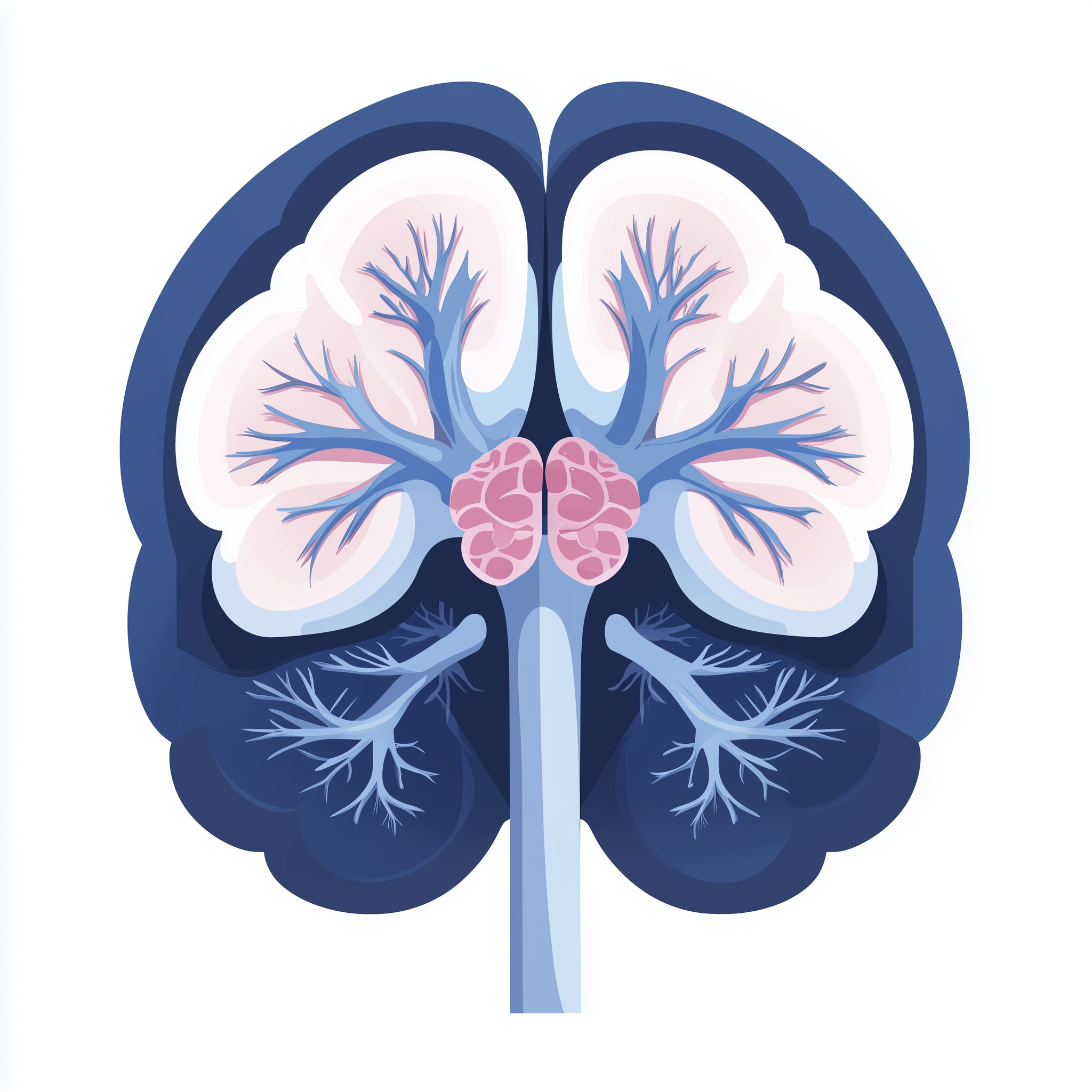
The primary organ affected by CLN2 is the brain, where the accumulation of waste products leads to widespread neurodegeneration. This damage to nerve cells accounts for the range of neurological symptoms, including seizures, cognitive decline, and motor difficulties. While the brain is most severely impacted, these waste products can accumulate in cells throughout the body, though the clinical manifestations are predominantly neurological.

Risks & severity
CLN2 is a severe, progressive disorder. The symptoms typically begin in early childhood, and the condition usually leads to a significant reduction in quality of life and a shortened lifespan [PMID:32657704]. The progression of the disease is generally rapid, with developmental regression becoming apparent after the initial onset of seizures and speech delay. While there is some variability in the rate of progression, CLN2 is consistently associated with severe neurological impairment.
Genetic causes
CLN2 is caused by pathogenic variants in the TPP1 gene. The TPP1 gene provides instructions for making an enzyme called tripeptidyl peptidase 1 (TPP1). This enzyme is crucial for breaking down specific proteins within lysosomes, which are cellular compartments responsible for recycling waste products. When the TPP1 enzyme is deficient or non-functional due to variants in the TPP1 gene, waste products cannot be properly broken down and cleared from the cell. These undigested materials, particularly lipofuscin, then accumulate, leading to cellular dysfunction and ultimately cell death, especially in the brain [PMID:20301490].
- TPP1 tripeptidyl peptidase 1
Inheritance pattern
CLN2 is inherited in an autosomal recessive pattern. This means that an individual must inherit two altered copies of the TPP1 gene - one from each parent - to develop the condition. People who carry one altered copy of the TPP1 gene are called carriers. Carriers typically do not show any symptoms of CLN2 because their one functional copy of the gene is usually sufficient to produce enough TPP1 enzyme. If both parents are carriers of a TPP1 variant, there is a 25% chance with each pregnancy that their child will inherit two altered copies and develop CLN2, a 50% chance the child will be a carrier, and a 25% chance the child will inherit two normal copies of the gene.
When both parents are carriers, each child has a 25% chance of being affected, 50% of being a carrier, and 25% of being unaffected.
Diagnosis & testing
Diagnosis of CLN2 is typically suspected based on the characteristic clinical symptoms, such as speech regression, seizures, and motor difficulties appearing in early childhood. Blood tests can measure the activity of the TPP1 enzyme; significantly reduced or absent enzyme activity supports a diagnosis of CLN2. Genetic testing, which involves analysing the TPP1 gene, can confirm the diagnosis by identifying pathogenic variants [PMID:20301490]. In the UK, genetic testing for CLN2 would typically be accessed via the NHS Genomic Medicine Service following a referral from a specialist paediatrician or neurologist. Relevant NHS R-codes would guide the specific genetic tests performed.
Management & lifestyle
Currently, there is no cure for CLN2, and management focuses on providing supportive care to manage symptoms and improve quality of life. This includes anti-epileptic medications to control seizures, physical therapy to help maintain motor function, and occupational therapy to assist with daily activities. Speech and language therapy can help with communication difficulties, and nutritional support may be necessary as swallowing becomes more challenging. A multidisciplinary team, including neurologists, paediatricians, and genetic counsellors, is involved in ongoing care. In the UK, families can access these services through their local NHS trusts, often coordinated by a specialist paediatric centre.
UK care pathway
For individuals in the UK suspected of having a genetic condition like CLN2, the care pathway typically begins with a referral to a clinical geneticist or a specialist paediatrician. These specialists can assess the clinical features, arrange appropriate diagnostic tests, and provide genetic counselling. Genetic testing is usually performed through the NHS Genomic Medicine Service (GMS) pathways, guided by specific R-codes for rare neurological disorders. Genetic counsellors play a vital role in explaining the inheritance pattern, implications for the family, and available support.
Frequently asked questions
What is the life expectancy for a child with CLN2?
CLN2 is a severe, progressive condition. While individual experiences can vary, children with CLN2 typically have a significantly shortened life expectancy, often into late childhood or early adolescence.
Can CLN2 be detected before birth?
Yes, if the specific genetic variants in the TPP1 gene have been identified in a family, prenatal diagnosis through chorionic villus sampling or amniocentesis is possible. This involves testing foetal cells for the known variants.
Are there any treatments for CLN2?
While there is currently no cure for CLN2, supportive treatments help manage symptoms. Gene therapy and enzyme replacement therapies are areas of active research and development, with some showing promising results.
If I have one child with CLN2, what is the risk for future children?
Since CLN2 is an autosomal recessive condition, if you have one child with CLN2, it means both parents are carriers. In this situation, there is a 25% chance with each subsequent pregnancy that another child will inherit two altered copies of the TPP1 gene and develop CLN2.
Where can I find support for families affected by CLN2 in the UK?
Several organisations in the UK provide support for families affected by Batten disease, including CLN2. These include charities like the Batten Disease Family Association (BDFA), which offers information, advocacy, and a network for families.