

On this page
Nicolaides-Baraitser syndrome
This syndrome is characterised by intellectual disability, distinctive facial features, short stature, and other developmental differences. It typically presents from infancy and affects individuals from birth.
Overview
Nicolaides-Baraitser syndrome (NCBRS) is a rare neurodevelopmental disorder that affects many parts of the body. It is often recognised by a combination of intellectual disability, specific facial characteristics, and short stature [PMID:24076629]. Individuals with NCBRS may also experience seizures, skeletal abnormalities, and problems with hair growth.
First described in 1993, the condition is present from birth, although specific features may become more apparent as a child grows. The rarity of NCBRS means that healthcare professionals may not always recognise it immediately, but increased awareness and genetic testing are improving diagnosis.
Symptoms & clinical features
The symptoms of Nicolaides-Baraitser syndrome can vary between individuals, but some features are commonly observed. Intellectual disability is a key characteristic, ranging from mild to severe [PMID:24076629]. Developmental delays are typically noticeable in early childhood, affecting milestones such as walking and speaking.
Distinctive facial features often include a prominent nose, thick eyebrows, sparse hair, and a small jaw. Other physical signs can involve short stature, broad fingertips, and joint laxity (loose joints). Some individuals may experience seizures, which can vary in frequency and severity. Hair abnormalities, such as sparse scalp hair or unusual body hair distribution, are also frequently reported [PMID:24076629].
Video: Genetics 101
Affected organs
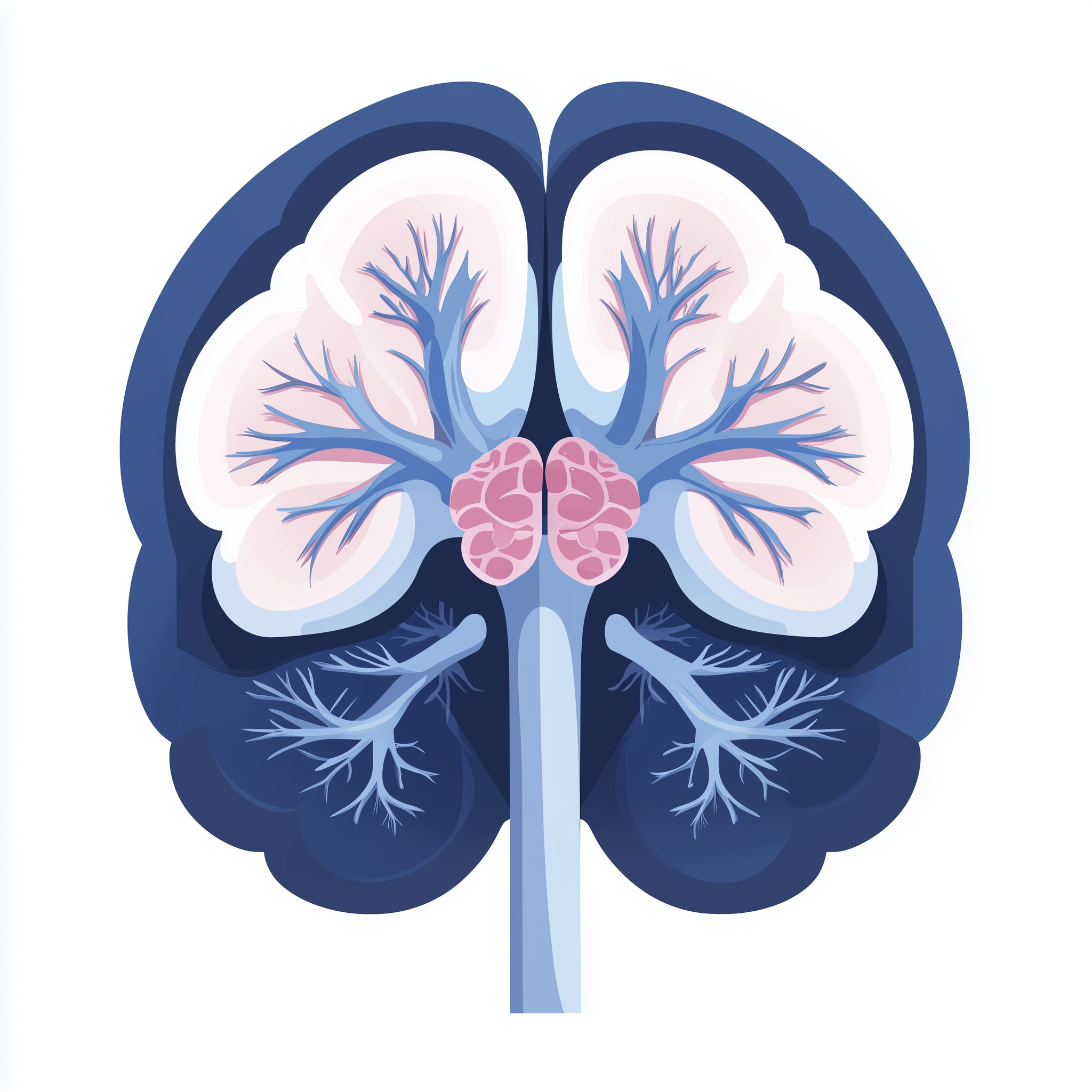
Nicolaides-Baraitser syndrome can affect several body systems. The brain is primarily affected, leading to developmental delays and intellectual disability. Seizures are also a neurological manifestation. Skeletal abnormalities are common, impacting bone growth and joint structure, which can contribute to short stature and joint laxity. Hair follicles can also be affected, leading to sparse hair.
While not typically life-threatening, the range of affected organs contributes to the complex presentation of the syndrome. Regular monitoring and support for these various systems are important for managing the condition.

Risks & severity
The severity of Nicolaides-Baraitser syndrome can vary considerably among affected individuals. Intellectual disability can range from mild learning difficulties to profound cognitive impairment. Seizure activity, if present, also shows a spectrum of severity.
The exact prevalence of Nicolaides-Baraitser syndrome is not well established due to its rarity. It is considered a very rare condition. The condition is present from birth, and symptoms typically become noticeable during infancy and early childhood as developmental milestones are delayed. There is no increased risk of specific cancers associated with NCBRS. Management focuses on supporting development and addressing symptoms as they arise.
Genetic causes
Nicolaides-Baraitser syndrome is caused by genetic changes, specifically within the SMARCA4 gene [PMID:24076629]. The SMARCA4 gene provides instructions for making a protein that is part of a larger complex known as the SWI/SNF complex. This complex plays a crucial role in regulating gene activity, which is essential for proper cell growth and development.
Pathogenic variants in SMARCA4 lead to a non-functional or improperly functioning protein. This disruption affects how other genes are turned on or off, which in turn impacts the development of various body systems, particularly the brain, skeleton, and hair [PMID:24076629]. The genetic changes that cause NCBRS typically arise spontaneously (de novo) and are not inherited from a parent.
Inheritance pattern
Nicolaides-Baraitser syndrome is inherited in an autosomal dominant pattern. This means that only one altered copy of the SMARCA4 gene in each cell is sufficient to cause the condition [PMID:24076629].
In most cases, the genetic change causing NCBRS is a new (de novo) variant, meaning it occurs spontaneously in the affected individual and is not inherited from either parent. This suggests that the parents typically do not carry the variant and therefore have a very low risk of having another child with the condition. However, genetic counselling is important to discuss individual circumstances and recurrence risks for future pregnancies.
Each child has a 50% chance of inheriting the pathogenic variant, regardless of sex.
Diagnosis & testing
A diagnosis of Nicolaides-Baraitser syndrome is often first suspected based on a combination of characteristic clinical features, including developmental delay, intellectual disability, and specific facial and skeletal anomalies. Following a clinical assessment, genetic testing is used to confirm the diagnosis.
Genetic testing typically involves analysing the SMARCA4 gene to identify any pathogenic variants. This can be done using techniques such as whole exome sequencing or targeted gene sequencing. In the UK, genetic testing for suspected rare developmental disorders, including NCBRS, can be accessed through the NHS Genomic Medicine Service. Referrals for genetic testing are usually made by paediatricians or clinical geneticists, often following an R-code pathway such as R14 (Intellectual disability) or R28 (Developmental disorders) within the National Genomic Test Directory.
Management & lifestyle
Management for Nicolaides-Baraitser syndrome focuses on supportive care and addressing the specific symptoms experienced by each individual. This typically involves a multidisciplinary team approach, including paediatricians, neurologists, physiotherapists, occupational therapists, speech and language therapists, and educational specialists.
Interventions may include therapies to support developmental delays, medication to manage seizures, and orthopaedic interventions for skeletal issues. Regular monitoring of development and health status is important. Genetic counselling is also a key part of the management pathway, providing information and support to families. All management decisions should be made in consultation with healthcare professionals familiar with the individual's specific needs, following NHS care pathways.
UK care pathway
In the UK, individuals suspected of having Nicolaides-Baraitser syndrome would typically enter the NHS Genomic Medicine Service pathway. This often begins with a referral from a general practitioner or paediatrician to a clinical genetics service. Clinical geneticists and genetic counsellors provide expert assessment, discuss potential diagnoses, and coordinate genomic testing. For NCBRS, genomic testing would fall under relevant R-codes in the National Genomic Test Directory, such as R14 (Intellectual disability) or R28 (Developmental disorders), enabling diagnosis via whole exome or targeted gene sequencing. Following diagnosis, care is managed by a multidisciplinary team, with ongoing support from the clinical genetics service.
Frequently asked questions
Is Nicolaides-Baraitser syndrome inherited?
In most cases, Nicolaides-Baraitser syndrome is not inherited. It is usually caused by a new genetic change (de novo variant) in the SMARCA4 gene that occurs spontaneously in the affected individual. Parents typically do not carry the genetic change.
What kind of support is available for developmental delays?
Support for developmental delays in Nicolaides-Baraitser syndrome often involves a range of therapies. These may include physiotherapy for motor skills, occupational therapy for daily living activities, and speech and language therapy to help with communication. Educational support tailored to individual needs is also crucial.
Will a child with Nicolaides-Baraitser syndrome have seizures?
Not all individuals with Nicolaides-Baraitser syndrome will experience seizures, but they are a common feature of the condition. If seizures occur, their frequency and severity can vary. Management typically involves medication and monitoring by a neurologist.
How is Nicolaides-Baraitser syndrome diagnosed?
Diagnosis is typically suspected based on clinical features observed by a doctor, such as developmental delays and distinctive physical characteristics. The diagnosis is then confirmed through genetic testing, usually by analysing the SMARCA4 gene for specific changes.
Can Nicolaides-Baraitser syndrome be cured?
There is currently no cure for Nicolaides-Baraitser syndrome. Management focuses on treating the symptoms and providing supportive care to help individuals achieve their best possible development and quality of life. This involves a lifelong approach to care.
References
- Adam MP, Bick S, Mirzaa GM. SMARCA2-Related Nicolaides-Baraitser Syndrome. 1993. PMID: 26468571
- Sousa SB, Hennekam RC, Nicolaides-Baraitser Syndrome International Consortium. Phenotype and genotype in Nicolaides-Baraitser syndrome. American journal of medical genetics. Part C, Seminars in medical genetics. 2014. PMID: 25169058
- Simmers R, Goodwin A, Al Saif H. Ophthalmologic and facial abnormalities of Nicolaides-Baraitser syndrome. Ophthalmic genetics. 2022. PMID: 35762114
- Hofmeister B, von Stülpnagel C, Betzler C. Epilepsy in Nicolaides-Baraitser Syndrome: Review of Literature and Report of 25 Patients Focusing on Treatment Aspects. Neuropediatrics. 2021. PMID: 33578439
- Al-Tamimi B, Abela S, Jeremiah HG. Supernumeraries in Nicolaides-Baraitser Syndrome. International journal of paediatric dentistry. 2017. PMID: 28635076
- Foley R, Duignan S, McArdle L. Nicolaides-Baraitser syndrome in a patient with hypertrophic cardiomyopathy and SMARCA2 gene deletion. Cardiology in the young. 2022. PMID: 34521483
- Shinko Y, Okazaki S, Otsuka I. Accelerated epigenetic age and shortened telomere length based on DNA methylation in Nicolaides-Baraitser syndrome. Molecular genetics & genomic medicine. 2022. PMID: 35092358
- Mari F, Marozza A, Mencarelli MA. Coffin-Siris and Nicolaides-Baraitser syndromes are a common well recognizable cause of intellectual disability. Brain & development. 2015. PMID: 25249037