

On this page
Pallister-Hall syndrome
This syndrome typically leads to a combination of physical features, such as extra fingers or toes (polydactyly), and can involve internal organs. It is caused by changes in the *GLI3* gene and follows an autosomal dominant inheritance pattern.
Available at Jeen Health
Clinical tests that include this
Overview
Pallister-Hall syndrome (PHS) is a rare genetic disorder characterised by a variety of developmental differences that can affect many parts of the body [PMID:33678082]. These features are present from birth, reflecting the gene's important role in early embryonic development. While the specific combination and severity of features can vary significantly among affected individuals, common characteristics include extra fingers or toes, specific brain abnormalities, and problems with the hormonal system.
PHS is considered a ciliopathy, a group of disorders caused by defects in cilia, which are tiny, hair-like structures on the surface of cells that play a critical role in signalling pathways during development. The condition is caused by pathogenic variants in the *GLI3* gene, which is essential for regulating many developmental processes [PMID:16450890].
Symptoms & clinical features
The clinical features of Pallister-Hall syndrome can range widely, even within the same family. A key feature often observed is polydactyly, meaning having extra fingers or toes, which can appear on the hands or feet [PMID:16450890]. This may involve extra digits that are either fully formed or just small tags of skin.
Other common signs can include a particular type of brain abnormality called hypothalamic hamartoma, which is a non-cancerous growth in a part of the brain that controls hormone release. This can sometimes lead to seizures or hormonal imbalances. In some cases, affected individuals may have a short windpipe (tracheal abnormalities) or abnormalities in the kidneys or genitourinary system. There can also be variations in facial features, such as a broad nasal bridge or widely spaced eyes.
Video: Genetics 101
Affected organs
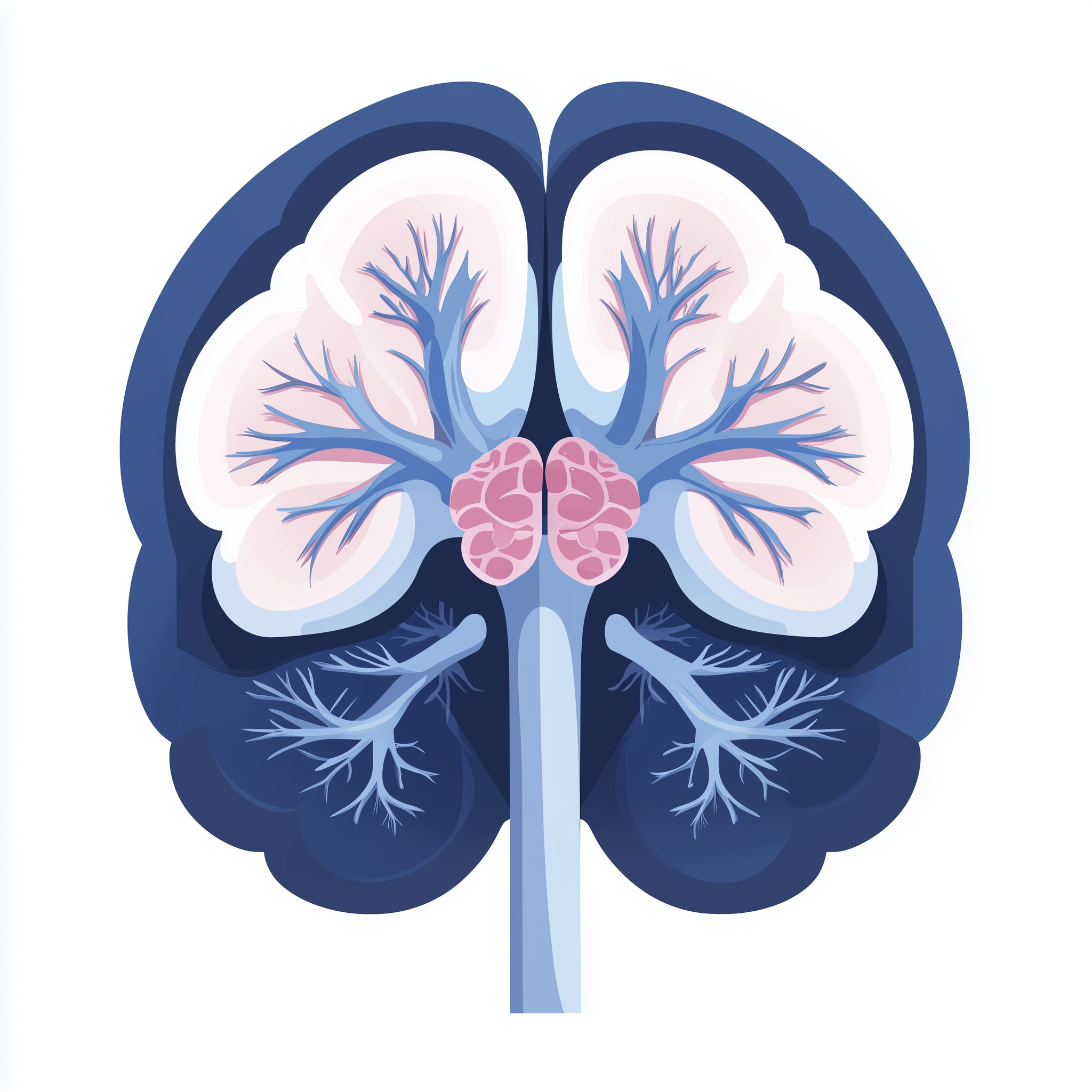
Pallister-Hall syndrome can affect several organ systems due to the fundamental role of the *GLI3* gene in embryonic development. Most notably, the skeletal system is often involved, leading to polydactyly (extra digits) on the hands and/or feet. The brain can also be affected, specifically with the presence of a hypothalamic hamartoma.
Other organs that may be impacted include the kidneys, which can show structural abnormalities, and the genitourinary tract. In some cases, the windpipe (trachea) may be shorter than usual. Less commonly, heart defects or abnormalities of the eyes have been reported.

Risks & severity
The severity of Pallister-Hall syndrome is highly variable; some individuals may have only mild features, while others experience more significant health challenges. The presence and type of polydactyly, for instance, can differ greatly. The hypothalamic hamartoma can lead to early-onset seizures or endocrine problems, particularly if it grows larger or is positioned in a way that interferes with brain function [PMID:33678082].
Respiratory issues may arise from tracheal abnormalities in severe cases. The long-term outlook depends on the specific organ systems involved and the severity of these abnormalities. Regular medical follow-up is important to monitor potential complications and provide appropriate support.
Genetic causes
Pallister-Hall syndrome is caused by pathogenic variants (sometimes called mutations) in the *GLI3* gene. This gene provides instructions for making a protein called GLI3, which acts as a transcription factor. Transcription factors are proteins that help control the activity of other genes.
The GLI3 protein plays a crucial role in the Hedgehog signalling pathway, which is vital for the correct development of many tissues and organs before birth. It helps regulate processes like cell growth, specialisation, and patterning, particularly in the brain, limbs, and facial structures. Pathogenic variants in *GLI3* typically lead to the production of a shortened, non-functional protein. This disruption to the Hedgehog signalling pathway during early development is what causes the diverse range of features seen in Pallister-Hall syndrome.
- GLI3 GLI family zinc finger 3The GLI3 gene provides instructions for making a protein crucial for early foetal development, particularly in forming various tissues and organs.
Inheritance pattern
Pallister-Hall syndrome is inherited in an autosomal dominant pattern. This means that an individual only needs to inherit one copy of the altered *GLI3* gene from either parent to develop the condition. If a parent has Pallister-Hall syndrome, there is a 50% chance with each pregnancy that their child will inherit the pathogenic gene variant and therefore the condition.
In some cases, Pallister-Hall syndrome can occur as a new (de novo) pathogenic variant in an individual, meaning neither parent has the condition or the genetic change. In such situations, the parents have a very low risk of having another child with the syndrome, but the affected individual would then have a 50% chance of passing it on to their own children.
Each child has a 50% chance of inheriting the pathogenic variant, regardless of sex.
Diagnosis & testing
A diagnosis of Pallister-Hall syndrome is typically suspected based on a combination of characteristic clinical features, especially the presence of polydactyly alongside other developmental anomalies. Confirmation of the diagnosis involves genetic testing, which can identify pathogenic variants in the *GLI3* gene.
If PHS is suspected, a clinical geneticist or paediatrician would usually refer for genetic testing. This testing may be carried out under the NHS Genomic Medicine Service (GMS) using specific R-codes for rare disease diagnosis. For example, R-codes such as R133 (Developmental delay and/or intellectual disability) or R102 (Congenital malformation syndromes) might be relevant depending on the primary presentation. Genetic counsellors can provide further information about testing and its implications.
Management & lifestyle
Management for individuals with Pallister-Hall syndrome focuses on addressing the specific symptoms and developmental challenges present. This often involves a multidisciplinary team of specialists, which may include paediatricians, geneticists, neurologists, endocrinologists, and orthopaedic surgeons.
For features like polydactyly, surgical removal of extra digits may be considered, often in early childhood. Hypothalamic hamartomas are monitored, and treatment, such as medication or surgery, may be needed if they cause seizures or hormonal problems. Regular developmental assessments and supportive therapies, such as physiotherapy or speech and language therapy, may be beneficial depending on individual needs. The NHS Genomic Medicine Service provides pathways for ongoing care and specialist referrals, and genetic counsellors can help families navigate the available support and surveillance options.
UK care pathway
In the UK, individuals suspected of having genetic conditions like Pallister-Hall syndrome can access diagnosis and care through the NHS Genomic Medicine Service (GMS). This service provides a national framework for genomic testing and clinical care. Patients are typically referred by their GP or another specialist to a clinical genetics service, where they can see a clinical geneticist or genetic counsellor. These specialists can offer genetic testing, using relevant R-codes for rare developmental disorders, and discuss the implications of a diagnosis. They also help coordinate ongoing care and provide access to support networks.
Frequently asked questions
What does 'autosomal dominant' inheritance mean for my family?
Autosomal dominant means that if you have Pallister-Hall syndrome, each of your children has a 50% chance of inheriting the genetic change and therefore the condition. This applies to every pregnancy. If neither parent has the condition, it often arises from a new genetic change in the child.
Will all people with Pallister-Hall syndrome have the same symptoms?
No, the symptoms of Pallister-Hall syndrome can vary significantly, even among individuals within the same family. Some people may have milder features like extra fingers or toes, while others might experience more complex issues such as specific brain abnormalities or kidney problems.
What kind of doctors will be involved in my child's care if they have PHS?
Your child's care team may involve a range of specialists. This could include a paediatrician, a clinical geneticist, a neurologist (for brain-related issues), an endocrinologist (for hormone problems), and an orthopaedic surgeon (for skeletal issues like extra digits). A genetic counsellor can help coordinate this care.
Is there a cure for Pallister-Hall syndrome?
There is currently no cure for Pallister-Hall syndrome. However, management focuses on treating the specific symptoms and complications an individual may experience. This can include surgeries, medications, and various therapies to support development and improve quality of life.
How common is Pallister-Hall syndrome?
Pallister-Hall syndrome is considered a rare genetic condition. The exact prevalence is not well established, but it is encountered infrequently in clinical practice. If you have concerns, speaking with a genetic counsellor can provide more specific information.
References
- Adam MP, Bick S, Mirzaa GM. GLI3-Related Pallister-Hall Syndrome. 1993. PMID: 20301638
- Solomon BD. VACTERL/VATER Association. Orphanet journal of rare diseases. 2011. PMID: 21846383
- Al-Qattan MM, Shamseldin HE, Salih MA. GLI3-related polydactyly: a review. Clinical genetics. 2017. PMID: 28224613
- Cohen MM Jr. Hedgehog signaling update. American journal of medical genetics. Part A. 2010. PMID: 20635334