

On this page
Parkinson disease (idiopathic)
This complex disorder typically develops gradually, leading to symptoms like tremor, stiffness, and slowness of movement. It predominantly affects individuals over the age of 60, though onset can vary.
Overview
Parkinson disease (idiopathic) is a chronic and progressive neurological disorder. It is characterised by the gradual loss of nerve cells in a specific area of the brain called the substantia nigra, which are responsible for producing dopamine. Dopamine is a chemical messenger crucial for smooth, coordinated movement [PMID:30758485]. When dopamine levels fall significantly, the brain struggles to control movement effectively, leading to the characteristic symptoms of Parkinson disease.
The term 'idiopathic' indicates that, for most people, the exact cause of the condition is not fully understood. While some cases have a clear genetic link, a combination of genetic and environmental factors is thought to contribute to its development. It is one of the most common neurological conditions, particularly affecting older adults.
Symptoms & clinical features
The symptoms of Parkinson disease typically develop slowly over time and can vary significantly between individuals. Motor symptoms, those affecting movement, are often the most recognised. These can include a tremor, which is an involuntary shaking, often starting in a limb, particularly when at rest. Bradykinesia, or slowness of movement, makes everyday tasks difficult and can lead to a shuffling gait.
Muscle rigidity, or stiffness in the limbs and trunk, can limit range of motion and cause pain. Postural instability, problems with balance, can increase the risk of falls as the condition progresses. Non-motor symptoms are also common and can sometimes appear years before motor symptoms. These may include sleep disturbances, loss of smell, constipation, depression, and anxiety [PMID:30758485].
Video: Genetics 101
Affected organs
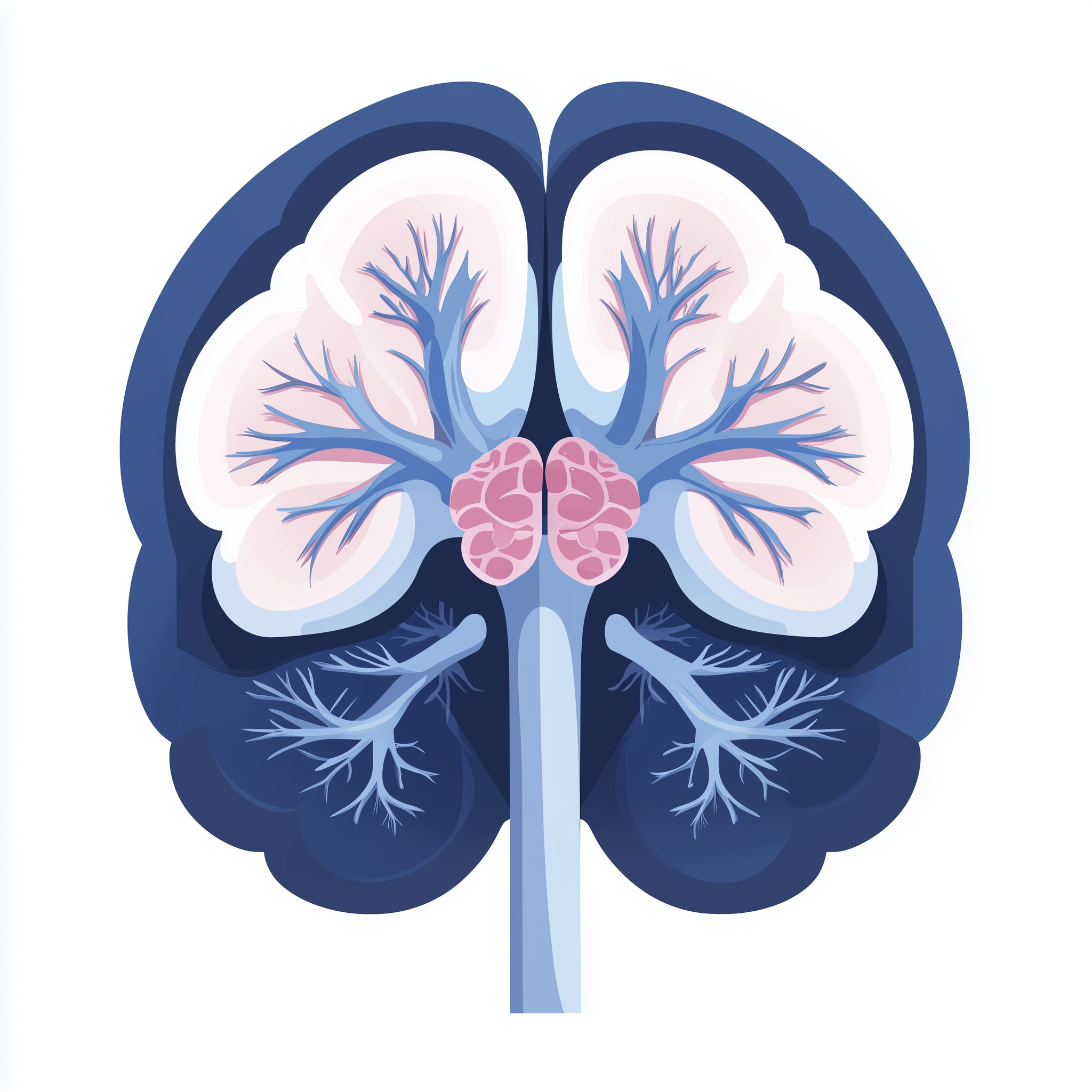
Parkinson disease primarily affects the brain, specifically the dopamine-producing nerve cells in the substantia nigra region. This area is critical for regulating movement and coordination. As these cells degenerate, dopamine levels decrease, leading to the motor symptoms associated with the condition.
While the brain is the primary organ affected, the impact of Parkinson disease can extend to other body systems due to the wide-ranging effects of dopamine and other neurotransmitters. For example, the autonomic nervous system, which controls involuntary bodily functions, can be affected, leading to issues such as gastrointestinal problems and difficulties with blood pressure regulation.

Risks & severity
Parkinson disease is a progressive condition, meaning symptoms generally worsen over time, though the rate of progression varies considerably among individuals. The risk of developing Parkinson disease increases with age, with most diagnoses occurring after the age of 60. Approximately 1-2% of people over 60 years old are affected by the condition. However, a small percentage of people can experience early-onset Parkinson disease, where symptoms appear before the age of 50.
The severity of the condition varies widely; some individuals experience only mild symptoms for many years, while others face significant challenges earlier. The presence of specific genetic changes may influence disease progression and symptom presentation in some cases, but the overall course remains highly individualised. Parkinson disease does not typically directly cause death, but its complications can significantly impact quality of life.
Genetic causes
Parkinson disease is considered a complex or polygenic condition, meaning that it can arise from a combination of genetic factors, environmental influences, and lifestyle choices. While most cases are idiopathic, changes in certain genes are known to increase an individual's susceptibility to the condition.
Several genes have been identified as contributors. For example, changes in the GBA gene, which codes for the glucocerebrosidase enzyme, are associated with an increased risk of Parkinson disease. This enzyme is involved in breaking down fatty substances in cells, and its dysfunction can lead to cellular waste build-up [PMID:33994371]. Similarly, variants in the LRRK2 gene are a relatively common genetic cause of Parkinson disease, particularly in certain populations. The LRRK2 protein plays a role in cell signalling and protein recycling. Changes in the SNCA gene, which provides instructions for making alpha-synuclein protein, are also linked to Parkinson disease. Abnormal accumulation of alpha-synuclein is a hallmark feature observed in the brains of individuals with Parkinson disease.
Inheritance pattern
The inheritance pattern for most cases of Parkinson disease is complex or polygenic, meaning it doesn't follow a simple Mendelian inheritance pattern like dominant or recessive. Instead, it is thought to result from a combination of multiple genetic variations, each contributing a small amount to the overall risk, alongside environmental factors.
For families where specific genetic changes (such as in GBA, LRRK2, or SNCA) have been identified, the inheritance pattern can sometimes appear autosomal dominant. This means that if an individual inherits one copy of the altered gene, they may have an increased risk of developing the condition. However, not everyone with these genetic changes will develop Parkinson disease, indicating incomplete penetrance. Genetic counselling can help families understand their specific risks.
Diagnosis & testing
Diagnosing Parkinson disease is primarily based on a neurological examination and a review of the individual's medical history and symptoms. There is no single definitive test for Parkinson disease. A neurologist will assess motor symptoms, looking for signs such as tremor, bradykinesia, rigidity, and postural instability.
Genetic testing may be considered in certain situations, particularly for individuals with an early-onset diagnosis, or a strong family history of the condition. This can help identify specific genetic changes, such as those in GBA, LRRK2, or SNCA, which may inform prognosis or potential treatment approaches. Referrals for genetic testing in the UK typically come from a specialist, such as a neurologist, within the NHS Genomic Medicine Service (GMS) pathways. Relevant R-codes for testing may apply, often initiated through clinical genetics services after specialist consultation.
Management & lifestyle
While there is currently no cure for Parkinson disease, various treatments and therapies are available to help manage symptoms and improve quality of life. Management strategies are highly individualised and are typically overseen by a neurologist or a multidisciplinary team within the NHS.
Medications, such as levodopa, are commonly prescribed to help increase dopamine levels in the brain, which can significantly improve motor symptoms. Other medications may address non-motor symptoms like depression or sleep issues. Non-pharmacological treatments are also crucial and include physiotherapy, occupational therapy, and speech and language therapy to help maintain mobility, independence, and communication. Regular exercise, a balanced diet, and lifestyle adjustments are often recommended to support overall well-being. Individuals are encouraged to engage with their healthcare team to develop a comprehensive management plan tailored to their specific needs.
UK care pathway
In the UK, individuals suspected of having Parkinson disease are typically referred to a neurologist for assessment and diagnosis. If a genetic cause is suspected, particularly for early-onset cases or those with a strong family history, a referral to a clinical genetics service may be made. These services operate within the NHS Genomic Medicine Service (GMS) framework. Genetic counsellors play a vital role in explaining genetic testing options, interpreting results, and discussing the implications for the individual and their family. Relevant diagnostic testing may be covered by specific R-codes within the GMS, accessible via a specialist referral.
Frequently asked questions
What is the difference between Parkinson disease and Parkinsonism?
Parkinson disease is the most common form of parkinsonism, a term used to describe a group of conditions that cause movement problems similar to those seen in Parkinson disease. Parkinsonism can also be caused by other neurological conditions, certain medications, or other factors, whereas Parkinson disease specifically refers to the idiopathic form.
Can children get Parkinson disease?
While Parkinson disease is primarily a condition of older adults, very rarely, symptoms can begin in childhood or adolescence. This is known as juvenile parkinsonism and is often linked to specific genetic causes that differ from typical adult-onset Parkinson disease.
Is Parkinson disease always inherited?
No, most cases of Parkinson disease are idiopathic, meaning they don't have a clear genetic inheritance pattern. However, certain genetic changes can increase an individual's risk, and in some families, the condition may appear to run. This is often due to a complex interplay of multiple genetic and environmental factors.
What support is available for people with Parkinson disease in the UK?
In the UK, support is available through the NHS, including specialist neurologists, nurses, and allied health professionals like physiotherapists. Charities such as Parkinson's UK also offer extensive support, information, and local groups for individuals and their families.
What is the role of dopamine in Parkinson disease?
Dopamine is a chemical messenger in the brain that plays a critical role in controlling movement, motivation, and pleasure. In Parkinson disease, the nerve cells that produce dopamine gradually die, leading to significantly reduced dopamine levels, which causes the characteristic motor symptoms like tremor and stiffness.