

On this page
Persistent Müllerian duct syndrome
PMDS occurs when the Müllerian ducts, which typically regress in male foetal development, persist. This leads to the presence of a uterus and fallopian tubes in genetically male individuals, often identified during investigations for related reproductive or urinary issues.
Available at Jeen Health
Clinical tests that include this
Overview
Persistent Müllerian duct syndrome (PMDS) is a rare inherited condition that affects male reproductive development. Individuals with PMDS are genetically male (typically 46,XY karyotype) and have normal male external genitalia. However, they also possess a uterus and fallopian tubes, which are internal reproductive organs usually found only in females [PMID:33678564]. This occurs because the structures that would normally develop into female organs (the Müllerian ducts) do not regress during early foetal development, as they should in males.
PMDS is often identified when individuals seek medical attention for conditions like undescended testicles (cryptorchidism), inguinal hernias, or infertility. While the external appearance is male, the presence of internal female organs can lead to complications affecting reproductive health and fertility.
Symptoms & clinical features
The symptoms of PMDS are primarily related to the abnormal internal anatomy. Most affected individuals have normal male external genitalia, meaning their penis and scrotum appear typical. The most common presenting features that lead to diagnosis are usually related to the positioning of the testes. Many individuals with PMDS have one or both testicles that have not descended into the scrotum (cryptorchidism) [PMID:33678564].
Another common symptom is an inguinal hernia, where a portion of the intestine or other abdominal contents protrudes through a weak spot in the abdominal wall, often into the groin. In PMDS, the uterus and fallopian tubes can sometimes be found within this hernia sac [PMID:10729339]. In some cases, PMDS is discovered during investigations for infertility later in life, as the presence of the uterus and fallopian tubes can interfere with the normal descent and function of the testes.
Video: Genetics 101
Affected organs
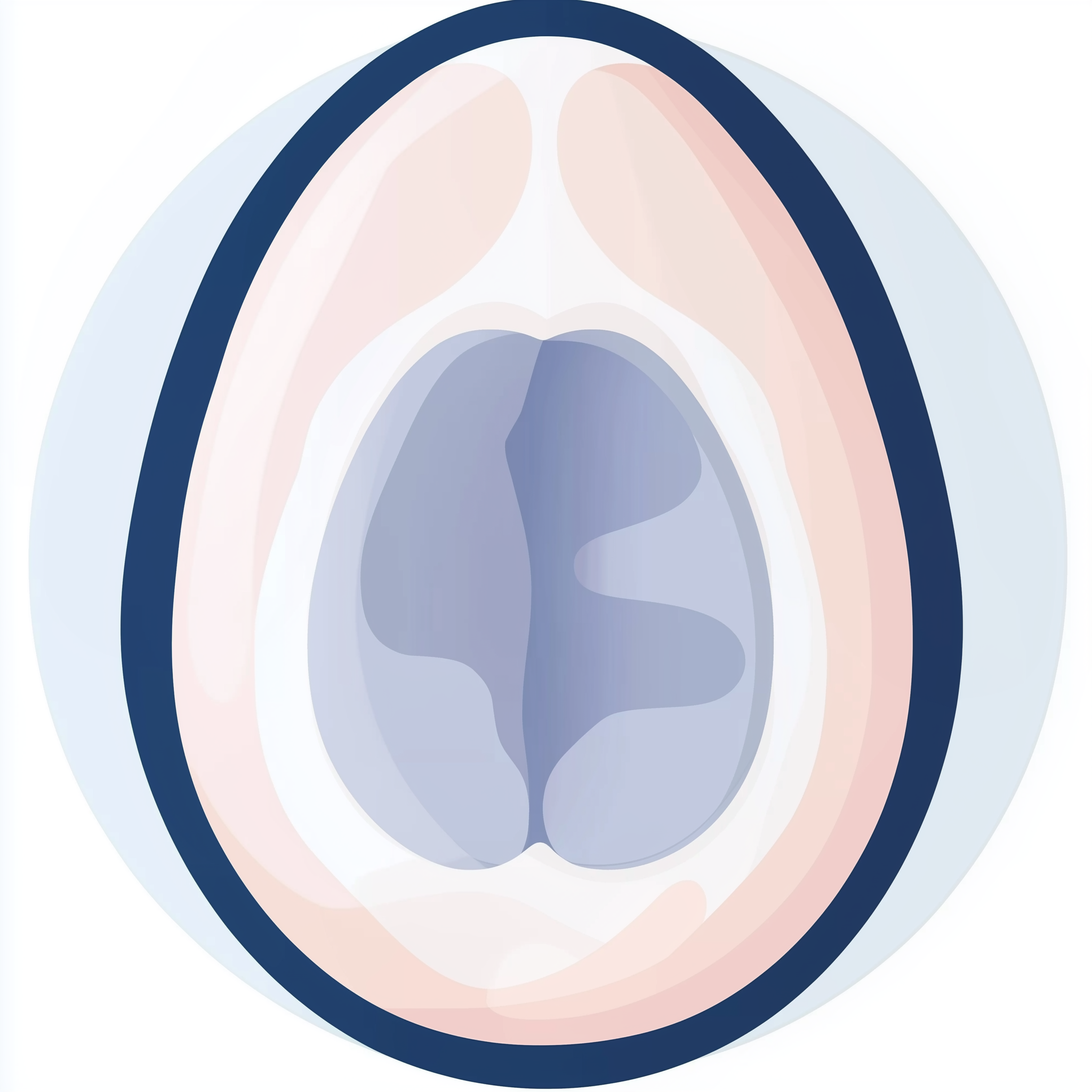
PMDS primarily affects the reproductive organs. In individuals with PMDS, the typically male external genitalia (penis, scrotum) are present. Internally, however, the Müllerian ducts fail to regress, leading to the development of a uterus, cervix, and fallopian tubes. These female internal reproductive structures are present alongside male internal structures such as the vas deferens and epididymis. The testes are often undescended (cryptorchid), meaning they remain within the abdomen or inguinal canal instead of descending into the scrotum.

Risks & severity
The severity of PMDS can vary, but the main risks are associated with the undescended testes and the presence of the Müllerian structures. Individuals with undescended testes have an increased risk of developing testicular cancer, even if surgically corrected [PMID:24765792]. There is also a risk of torsion (twisting) of the undescended testes, which can cause severe pain and damage the testicle. Infertility is a common concern for individuals with PMDS, often due to the abnormal location and development of the testes, which can affect sperm production.
While the external genitalia are typically male, the presence of internal female organs can sometimes lead to complications during surgery for cryptorchidism or hernias, as these structures may be inadvertently damaged. The exact prevalence of PMDS is not well established due to its rare nature.
Genetic causes
Persistent Müllerian duct syndrome is caused by genetic changes (variants) in either the AMH gene or the AMHR2 gene. Both of these genes are crucial for normal male sexual differentiation during foetal development.
The AMH gene provides instructions for making anti-Müllerian hormone (AMH). In male foetuses, AMH is produced by the testes and signals the Müllerian ducts to break down. If there is a change in the AMH gene, the hormone may not be produced or may not function correctly, allowing the Müllerian ducts to persist. Similarly, the AMHR2 gene provides instructions for making the anti-Müllerian hormone receptor type 2. This receptor is located on the surface of cells in the Müllerian ducts and is needed for the ducts to respond to AMH. Pathogenic variants in AMHR2 can mean the cells do not receive the signal to regress, even if AMH is present and functional, leading to the development of a uterus and fallopian tubes.
- AMH anti-Mullerian hormoneThe AMH gene provides instructions for producing anti-Müllerian hormone, a protein crucial for male reproductive development.
- AMHR2 anti-Mullerian hormone receptor type 2The AMHR2 gene provides instructions for the anti-Müllerian hormone receptor type 2, a protein crucial for male reproductive development by signalling the regression of Müllerian ducts.
Inheritance pattern
PMDS is inherited in an autosomal recessive pattern. This means that an individual must inherit two altered copies of the same gene (either AMH or AMHR2), one from each parent, to develop the condition. If a person inherits only one altered copy, they are considered a carrier. Carriers typically do not show symptoms of PMDS but can pass the altered gene copy to their children. If both parents are carriers of a pathogenic variant in the same gene, there is a 25% chance with each pregnancy that their child will inherit two altered copies and develop PMDS, a 50% chance the child will be a carrier, and a 25% chance the child will not inherit any altered copies.
When both parents are carriers, each child has a 25% chance of being affected, 50% of being a carrier, and 25% of being unaffected.
Diagnosis & testing
The diagnosis of PMDS is typically suspected based on clinical findings such as cryptorchidism or an inguinal hernia, especially if the hernia contains structures suggestive of female internal organs. Imaging studies, such as ultrasound or MRI, can help visualise the internal reproductive organs and confirm the presence of a uterus and fallopian tubes in a male individual. A karyotype analysis is usually performed to confirm a 46,XY genetic male status.
Confirmation of PMDS is achieved through genetic testing, which looks for pathogenic variants in the AMH or AMHR2 genes. Referral to a clinical geneticist for assessment and genetic counselling is an important step. Genetic testing for PMDS falls under specific NHS Genomic Medicine Service (GMS) pathways, often initiated following clinical suspicion by paediatricians, urologists, or endocrinologists.
Management & lifestyle
Management of PMDS focuses on addressing the clinical complications, particularly the undescended testes and the presence of the Müllerian structures. Surgical intervention is often required to bring the testes into the scrotum (orchidopexy) and to remove the uterus and fallopian tubes. This surgery aims to reduce the risk of testicular cancer and may improve fertility outcomes, although infertility can remain a challenge.
Long-term follow-up with a urologist or endocrinologist is generally recommended to monitor for potential complications. Genetic counselling is an essential part of the management pathway, offering support and information to affected individuals and their families about the genetic basis of PMDS, inheritance patterns, and reproductive options. Individuals should be supported through NHS care pathways, which may involve multidisciplinary teams.
UK care pathway
In the UK, individuals suspected of having PMDS would typically be referred to a specialist, such as a paediatrician, urologist, or endocrinologist. If a genetic cause is suspected, referral to a clinical genetics service is the next step. Genetic testing for PMDS is available through the NHS Genomic Medicine Service (GMS), often guided by specific R-codes for reproductive disorders. A genetic counsellor will provide detailed information and support throughout the diagnostic process and beyond.
Frequently asked questions
What does 'Persistent Müllerian duct syndrome' mean?
It means that the Müllerian ducts, which are structures in a developing foetus that would normally form female internal organs, persist in a genetically male individual. In males, these ducts typically disappear early in development, so their persistence leads to a uterus and fallopian tubes in someone with male external genitalia.
Can someone with PMDS have children?
Fertility can be reduced in individuals with PMDS. While sperm production might occur, the undescended testes and the presence of a uterus and fallopian tubes can interfere with the normal reproductive process. Surgical management and assisted reproductive technologies may be considered, but outcomes can vary.
Is PMDS inherited from parents?
Yes, PMDS is inherited in an autosomal recessive pattern. This means both parents usually carry one altered copy of either the AMH or AMHR2 gene, and they pass both altered copies to their child for the condition to develop. Carriers typically do not have symptoms.
What kind of doctor treats PMDS?
Management of PMDS often involves a team of specialists, including paediatricians, urologists, endocrinologists, and clinical geneticists. Surgical intervention is common, and genetic counsellors provide support and information to families.
Is PMDS a common condition?
No, Persistent Müllerian duct syndrome is considered a rare condition. Its exact prevalence is not well established, but it is not frequently encountered in the general population.