

On this page
ALS (SOD1)
This condition is a form of Amyotrophic Lateral Sclerosis caused by pathogenic variants in the SOD1 gene. It leads to the gradual loss of nerve cells that control voluntary muscles, impacting movement and speech, and typically affects adults.
Overview
Amyotrophic Lateral Sclerosis (ALS) is a progressive neurodegenerative disorder that mainly affects the motor neurones. These specialised nerve cells in the brain and spinal cord are responsible for controlling voluntary muscle movement. In ALS, these motor neurones gradually degenerate and die, leading to muscle weakness, atrophy (wasting), and paralysis. When ALS is caused by changes in the SOD1 gene, it is often referred to as ALS (SOD1) [PMID:33651110].
ALS is a rare condition. Genetic factors play a role in a proportion of cases, with variants in the SOD1 gene being among the most common genetic causes identified. The condition varies in its presentation and progression among individuals.
Symptoms & clinical features
The initial symptoms of ALS (SOD1) can vary, but generally involve progressive muscle weakness. This weakness may first appear in the limbs, such as difficulty lifting a foot (foot drop) or weakness in a hand, or it may begin in muscles used for speaking and swallowing (bulbar region) [PMID:33651110].
As the condition advances, muscle weakness can spread, affecting walking, speaking (dysarthria), swallowing (dysphagia), and eventually breathing. Muscle cramps, fasciculations (visible muscle twitching), and spasticity (muscle stiffness) are also common. While the condition primarily affects voluntary muscles, some individuals may experience cognitive or behavioural changes.
Video: Genetics 101
Affected organs
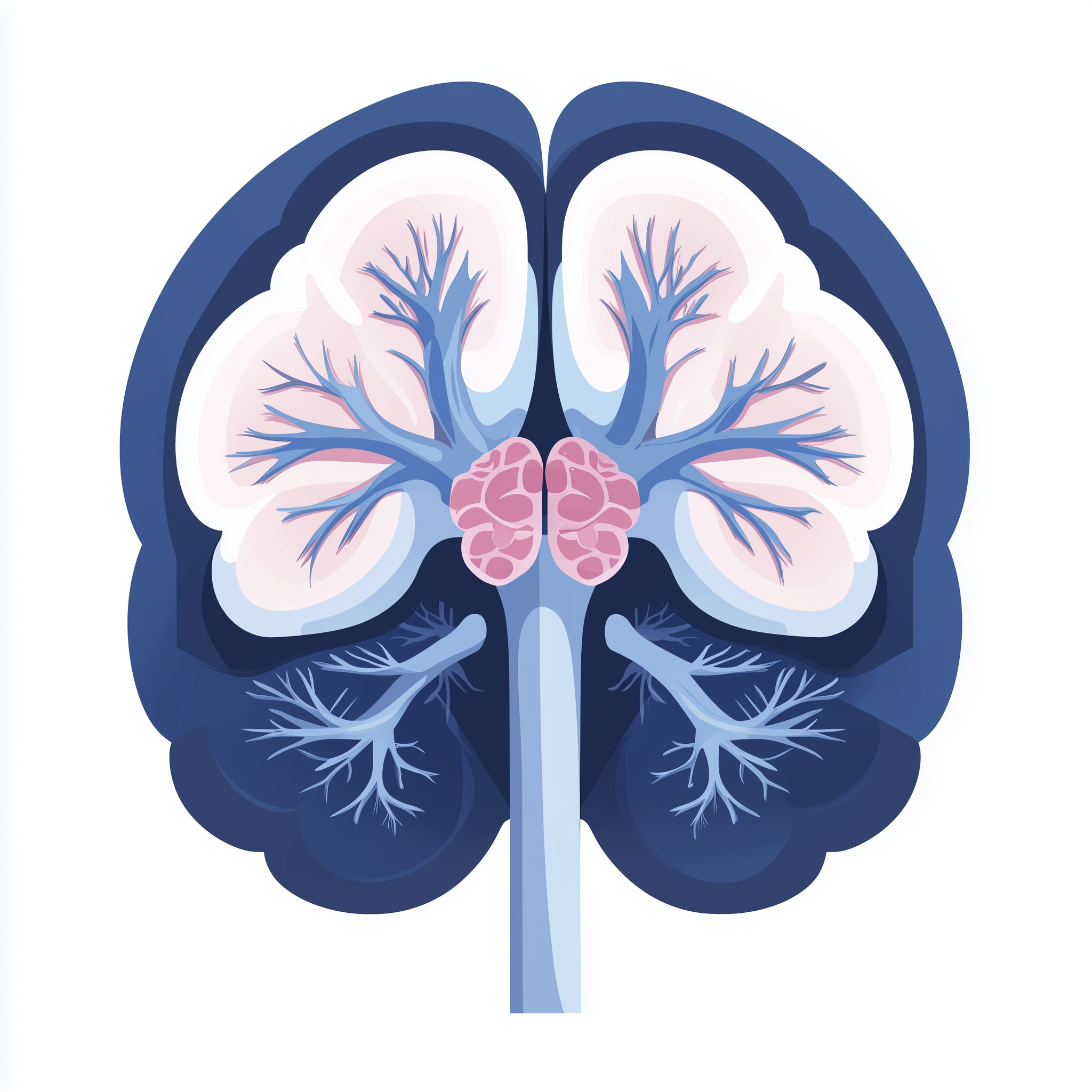
ALS (SOD1) predominantly affects the nervous system, specifically the motor neurones located in the brain and spinal cord. These neurones control skeletal muscles throughout the body. As motor neurones degenerate, the muscles they innervate can no longer function correctly, leading to their wasting and weakness.
While the primary impact is on motor function, the respiratory system becomes affected as the muscles involved in breathing weaken. This can lead to respiratory insufficiency, which is a significant concern for individuals with advanced ALS. The oesophagus may also be affected by muscle weakness, making swallowing difficult.

Risks & severity
The age of onset for ALS (SOD1) is variable but typically occurs in adulthood, often between 30 and 70 years of age. The progression of the condition also varies significantly between individuals. Some people may experience a rapid decline in function, while others have a slower progression.
ALS is a progressive condition, meaning symptoms worsen over time. The severity of the condition is often measured by the extent of muscle weakness and its impact on daily activities, such as mobility, speech, and breathing. Respiratory failure is a common cause of morbidity and mortality in advanced stages of ALS [PMID:33651110].
Genetic causes
ALS (SOD1) is caused by pathogenic variants in the SOD1 gene. This gene provides instructions for making an enzyme called superoxide dismutase 1. This enzyme plays a crucial role in protecting cells from damage caused by free radicals, which are harmful byproducts of normal cellular processes [PMID:10037560].
Pathogenic changes in the SOD1 gene are thought to lead to a toxic gain-of-function, meaning the altered protein may acquire new harmful properties rather than simply losing its normal function. These toxic SOD1 proteins can accumulate and aggregate, contributing to the degeneration of motor neurones. The exact mechanism by which these variants lead to motor neurone death is still an active area of research.
- SOD1 superoxide dismutase 1
Inheritance pattern
ALS (SOD1) is inherited in an autosomal dominant pattern. This means that a person only needs one copy of the altered SOD1 gene in each cell to develop the condition. If a parent has a pathogenic SOD1 variant, there is a 50% chance with each pregnancy that their child will inherit the variant.
Family members who inherit the pathogenic variant may not always develop the condition (incomplete penetrance), or they may develop it at different ages and with varying severity. Predictive genetic testing for at-risk adult relatives is available under specific clinical guidelines.
Each child has a 50% chance of inheriting the pathogenic variant, regardless of sex.
Diagnosis & testing
A diagnosis of ALS is initially based on a clinical assessment, including a detailed neurological examination and review of symptoms. Electrodiagnostic studies, such as electromyography (EMG) and nerve conduction studies (NCS), are often used to support the diagnosis and rule out other conditions.
Confirmation of ALS (SOD1) relies on genetic testing. If a clinician suspects a genetic cause for ALS, they may refer an individual for genetic testing to look for pathogenic variants in genes like SOD1. In the UK, genetic testing for inherited neurological conditions, including ALS, is available through the NHS Genomic Medicine Service (GMS) and is supported by specific R-codes, such as R301 'Adult onset motor neuron disease'. Referral to a clinical genetics service is essential for genetic counselling and testing.
Management & lifestyle
Management for ALS (SOD1) focuses on symptom control and supportive care to improve quality of life, as there is currently no cure. A multidisciplinary team, which may include neurologists, physiotherapists, occupational therapists, speech and language therapists, dietitians, and respiratory specialists, typically provides care.
Treatments may include medications to help slow disease progression or manage specific symptoms like spasticity or breathing difficulties. Non-invasive ventilation can help with respiratory weakness. Physical therapy, occupational therapy, and speech therapy are vital in maintaining function, mobility, and communication for as long as possible. Genetic counsellors can provide information and support to individuals and families regarding inheritance and genetic testing options.
UK care pathway
In the UK, individuals suspected of having a genetic neurological condition like ALS (SOD1) would typically be referred by their GP or neurologist to a specialist neurology clinic or a clinical genetics service. These services are part of the NHS Genomic Medicine Service (GMS).
Genetic testing is guided by NHS Genomic Test Directories, which list specific R-codes (Registry codes) for different conditions and genes, such as R301 for adult-onset motor neurone disease. Genetic counsellors play a key role in discussing the implications of genetic testing and providing ongoing support for families.
Frequently asked questions
What is the difference between ALS and ALS (SOD1)?
ALS is a general term for Amyotrophic Lateral Sclerosis. ALS (SOD1) refers specifically to cases of ALS caused by pathogenic changes in the SOD1 gene. While symptoms are similar, the genetic cause is distinct.
If I have a family history of ALS, should I be tested for SOD1 variants?
If there is a family history of ALS, particularly if it affects multiple generations or has an early onset, speaking with your GP or a neurologist about a referral to a clinical genetics service for genetic counselling is recommended. They can assess your personal risk and discuss genetic testing options.
Are there any treatments available for ALS (SOD1)?
Currently, there is no cure for ALS (SOD1). However, some medications are available to help manage symptoms and potentially slow disease progression. Supportive care from a multidisciplinary team is crucial for improving quality of life.
How does ALS (SOD1) affect daily life?
ALS (SOD1) progressively weakens muscles, impacting mobility, speech, swallowing, and breathing. This can lead to difficulties with daily activities such as walking, eating, and communicating. Occupational therapy and assistive devices can help maintain independence.
Can children inherit ALS (SOD1)?
Yes, because ALS (SOD1) is inherited in an autosomal dominant pattern, a child has a 50% chance of inheriting the pathogenic SOD1 variant if one parent carries it. However, the condition typically manifests in adulthood.
References
- Steffke C, Baskar K, Bachhuber F. Targeted Proteomics upon Treatment with Tofersen Identifies Novel Response Markers for Superoxide Dismutase 1-Linked Amyotrophic Lateral Sclerosis. Annals of neurology. 2025. PMID: 40781905
- Axakova A, Ding M, Cote AG. Landscapes of missense variant impact for human superoxide dismutase 1. American journal of human genetics. 2025. PMID: 40957416
- Huang S, Li A, Ling Y. Pharmacological Activation of Mitophagy Confers Neuroprotective Benefits for Amyotrophic Lateral Sclerosis. Aging and disease. 2025. PMID: 41400574
- Dzik KP, Flis DJ, Kaczor-Keller KB. Spinal cord abnormal autophagy and mitochondria energy metabolism are modified by swim training in SOD1-G93A mice. Journal of molecular medicine (Berlin, Germany). 2024. PMID: 38197966
- Obrador E, Salvador R, Marchio P. Nicotinamide Riboside and Pterostilbene Cooperatively Delay Motor Neuron Failure in ALS SOD1(G93A) Mice. Molecular neurobiology. 2021. PMID: 33174130
- Lee H, Lee JJ, Park NY. Multi-omic analysis of selectively vulnerable motor neuron subtypes implicates altered lipid metabolism in ALS. Nature neuroscience. 2021. PMID: 34782793
- Sabatelli M, Cerri F, Zuccarino R. Long-term treatment of SOD1 ALS with tofersen: a multicentre experience in 17 patients. Journal of neurology. 2024. PMID: 38829431
- Häkkinen S, Chu SA, Lee SE. Neuroimaging in genetic frontotemporal dementia and amyotrophic lateral sclerosis. Neurobiology of disease. 2020. PMID: 32890771