

On this page
Borjeson-Forssman-Lehmann syndrome
This condition primarily affects males and results from changes in the PHF6 gene. Features typically include developmental delay, learning difficulties, obesity, and specific facial characteristics that become more apparent with age.
Overview
Borjeson-Forssman-Lehmann syndrome is a rare developmental disorder inherited in an X-linked recessive pattern. The condition was first described in 1962 by Swedish physicians who identified three generations of a family with intellectual disability, obesity, and distinctive facial features. Exact prevalence figures have not been established, though fewer than 100 families with confirmed diagnoses have been documented in medical literature worldwide.
Because the causative gene sits on the X chromosome, males are typically more severely affected than females. Males have only one X chromosome, so a single pathogenic variant in PHF6 causes the full condition. Females carry two X chromosomes, meaning they usually have a functioning copy that partially compensates, though some female carriers may experience milder features.
The syndrome affects multiple body systems during development. Intelligence, growth, hormonal balance, and physical features are all influenced by disruption to normal PHF6 function. Whilst the condition is present from birth, many features become more recognisable during childhood and adolescence as development progresses.
Symptoms & clinical features
Developmental delay is usually the earliest recognised feature, with affected children often sitting and walking later than expected. Speech development is typically delayed, and intellectual disability ranges from moderate to severe in most cases. Some individuals develop epilepsy, though seizures are not universal.
Facial characteristics evolve with age. During infancy, features may be subtle, but by childhood distinctive traits often include a prominent forehead, deep-set eyes, prominent eyebrow ridges, large ears, and a broad nasal tip. The face may appear coarse, and some affected individuals have a narrow palpebral fissure (eye opening). Males often develop gynaecomastia (breast tissue enlargement) during adolescence.
Metabolic features commonly emerge in childhood. Weight gain becomes pronounced, leading to obesity that can be difficult to manage through standard dietary approaches. Affected males typically have small external genitalia and delayed or incomplete puberty due to hormonal effects. Fingers and toes are often tapered, and some individuals have limited joint mobility. Vision problems, including nystagmus (involuntary eye movements), have been reported in some cases.
Video: Genetics 101
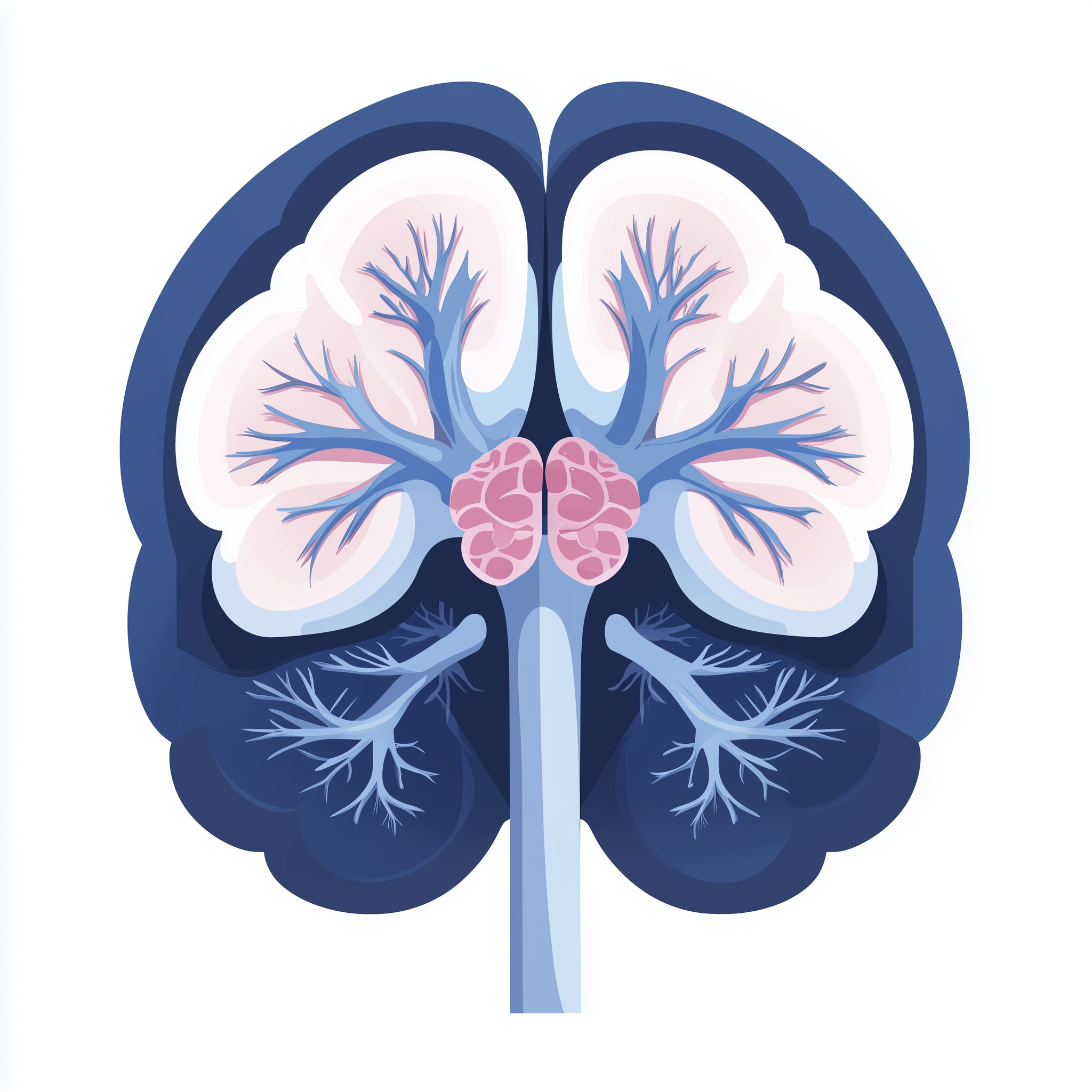
Affected organs
The brain is the primary organ system affected, with intellectual disability reflecting altered neurological development. Brain imaging studies in some individuals have shown mild structural differences, though findings vary. Epilepsy, when present, indicates disrupted neuronal signalling.
The endocrine system is also significantly involved. The hypothalamic-pituitary-gonadal axis, which regulates sexual development and metabolism, functions abnormally. This leads to reduced testosterone production in males, contributing to underdeveloped genitalia and delayed puberty. The metabolic effects also influence fat distribution and weight regulation, resulting in obesity that typically begins in early childhood and persists through adulthood.

Risks & severity
Severity varies among affected individuals, though most males with the condition experience moderate to severe intellectual disability requiring lifelong support. Educational attainment is limited, and most affected individuals require assistance with daily living activities in adulthood. Communication abilities range from limited speech to functional language, depending on the degree of cognitive impairment.
Obesity and its associated health risks represent a significant concern. Affected individuals may develop insulin resistance, type 2 diabetes, and cardiovascular complications related to excess weight. Joint problems and reduced mobility can worsen with age due to both obesity and underlying musculoskeletal features.
Life expectancy has not been systematically studied, though the condition itself is not typically considered life-limiting. However, complications related to obesity, seizures (if present), and other medical issues may influence long-term health outcomes. Female carriers generally have normal intelligence and do not experience the metabolic features seen in affected males, though some may have mild learning difficulties.
Genetic causes
Borjeson-Forssman-Lehmann syndrome results from pathogenic variants in PHF6, located on the X chromosome at position Xq26.2. The PHF6 gene encodes a protein containing two plant homeodomain (PHD) finger motifs, which are structures that interact with modified histone proteins - part of the machinery that packages DNA in cells.
The PHF6 protein functions as a transcriptional regulator, meaning it influences which genes are switched on or off during development and throughout life. Research suggests the protein plays important roles in the developing brain, particularly in neural stem cells that give rise to mature neurons. Evidence also indicates PHF6 involvement in ribosome assembly and nucleolar function, processes essential for protein production in cells.
Pathogenic variants in PHF6 disrupt these regulatory functions, leading to abnormal gene expression patterns during critical developmental windows. This affects brain development, explaining the intellectual disability and epilepsy seen in some affected individuals. The metabolic and hormonal features likely reflect disrupted signalling in endocrine tissues where PHF6 normally helps coordinate gene regulation. Most reported variants are loss-of-function changes - nonsense, frameshift, or splice-site alterations that eliminate or severely reduce functional protein production.
- PHF6 PHD finger protein 6
Inheritance pattern
Borjeson-Forssman-Lehmann syndrome follows X-linked recessive inheritance. Males have one X chromosome (inherited from their mother) and one Y chromosome (from their father). If a male inherits an X chromosome carrying a pathogenic PHF6 variant, he will develop the condition because he has no second X chromosome to compensate.
Females have two X chromosomes. A female with one pathogenic PHF6 variant is typically a carrier. In most cases, the functioning copy on her other X chromosome produces enough normal protein to prevent significant features, though some carriers experience mild learning difficulties. Female carriers have a 50% chance of passing the variant to each child. Sons who inherit the variant will be affected; daughters who inherit it will be carriers.
Affected males rarely have children due to the severity of intellectual disability and reproductive hormone effects. When the condition appears in a family, it often arises from a mother who is a carrier. In some cases, the variant occurs as a new (de novo) change in the affected individual, meaning neither parent carries it. Genetic counselling helps families understand recurrence risks and reproductive options, including prenatal testing for pregnancies at risk.
X-linked recessive: sons of a carrier mother have a 50% chance of being affected. Daughters have a 50% chance of being carriers.
Diagnosis & testing
Diagnosis is typically suspected based on clinical features - the combination of intellectual disability, distinctive facial characteristics, obesity, and genital abnormalities in a male raises clinical suspicion. A detailed family history may reveal other affected males on the maternal side or female relatives with learning difficulties, supporting an X-linked pattern.
Confirmation requires genetic testing to identify a pathogenic variant in PHF6. Next-generation sequencing panels that include genes associated with intellectual disability and syndromic obesity often include PHF6. Whole exome or genome sequencing may identify the variant when panel testing does not reveal a cause. Testing typically involves a blood sample, with analysis performed in an accredited NHS laboratory.
Referral to NHS clinical genetics services generally occurs through paediatrics, neurology, or endocrinology when clinicians recognise features suggestive of a genetic syndrome. Relevant NHS Genomic Medicine Service test directories include intellectual disability and multiple congenital anomalies panels. Genetic testing not only confirms diagnosis but enables carrier testing for female relatives and informs reproductive planning.
Additional investigations often include brain imaging, hormone studies to assess the hypothalamic-pituitary-gonadal axis, thyroid function tests, and glucose metabolism assessments. Developmental assessments help characterise the degree of intellectual disability and inform educational planning.
Management & lifestyle
Management focuses on addressing individual symptoms and supporting development, as no specific treatment targets the underlying genetic cause. A multidisciplinary approach typically involves paediatricians, neurologists, endocrinologists, dietitians, physiotherapists, speech and language therapists, and educational psychologists.
Developmental support should begin early. Access to specialist educational services tailored to the individual's learning needs is essential. Speech and language therapy may improve communication abilities, whilst physiotherapy and occupational therapy address motor skills and promote independence in daily activities. Behavioural support may be needed if challenging behaviours emerge.
Weight management represents a significant challenge. Standard dietary advice often proves insufficient due to the underlying metabolic disruption. Input from specialist dietitians experienced in syndromic obesity can help families develop realistic strategies. Encouraging physical activity within the individual's capabilities may help, though mobility limitations can complicate exercise programmes. Monitoring for complications such as type 2 diabetes and sleep-disordered breathing related to obesity is important.
Hormonal abnormalities may require endocrinology input. Testosterone replacement therapy is sometimes considered in adolescent or adult males to support development of secondary sexual characteristics and bone health, though evidence for benefit specifically in this syndrome is limited. Management of gynaecomastia may involve specialist referral if it causes distress. Epilepsy, when present, is managed with standard antiepileptic medications selected based on seizure type and individual response.
Regular health surveillance should monitor growth, weight, blood glucose, cardiovascular health, and vision. Genetic counselling provides families with information about inheritance, recurrence risks, and testing options for relatives.
UK care pathway
Families affected by Borjeson-Forssman-Lehmann syndrome typically access care through NHS specialist services. Initial referral to clinical genetics often occurs when paediatricians or other specialists recognise features suggesting a genetic syndrome. The NHS Genomic Medicine Service facilitates genetic testing through regional genomic laboratory hubs, with PHF6 included in intellectual disability gene panels.
Once a diagnosis is established, ongoing care coordinates through paediatrics during childhood and transitions to adult services. A key worker or care coordinator can help families navigate multiple appointments and ensure communication between different specialists. Genetic counsellors provide support regarding inheritance patterns, family planning, and testing options for at-risk relatives. Access to rare disease support organisations may connect families with others affected by the condition, though specific support groups for Borjeson-Forssman-Lehmann syndrome may be limited given its rarity.
Frequently asked questions
Can females be affected by Borjeson-Forssman-Lehmann syndrome?
Females who carry one pathogenic PHF6 variant are typically mildly affected or unaffected because their second X chromosome usually compensates. Some female carriers experience mild learning difficulties, but they do not develop the obesity, hormonal problems, or distinctive facial features seen in affected males.
Will my child's intellectual disability worsen over time?
The condition is not progressive in the sense that intellectual abilities do not decline. However, the gap between an affected child and their peers may become more apparent as developmental expectations increase with age. Early intervention and educational support help maximise each individual's potential.
Is there treatment for the obesity in this condition?
Weight management is challenging because the obesity has a metabolic basis related to the genetic cause. Standard dietary approaches often have limited success. Specialist dietitian input, encouragement of physical activity within the individual's abilities, and monitoring for complications like diabetes form part of supportive care, but there is no specific treatment that reverses the metabolic effects.
What are the chances of having another affected child?
If the mother is a carrier of the PHF6 variant, each son has a 50% chance of being affected and each daughter has a 50% chance of being a carrier. If the variant occurred as a new change in the affected child, recurrence risk is low but not zero due to the possibility of parental germline mosaicism. Genetic counselling can clarify individual family risks and discuss reproductive options including prenatal testing.
References
- Vos N, Haghshenas S, van der Laan L. The detection of a strong episignature for Chung-Jansen syndrome, partially overlapping with Börjeson-Forssman-Lehmann and White-Kernohan syndromes. Human genetics. 2024. PMID: 38787418
- Pan L, Yin F, Chen S. Börjeson-Forssman-Lehmann syndrome: A case report. Zhong nan da xue xue bao. Yi xue ban = Journal of Central South University. Medical sciences. 2023. PMID: 36999477
- Jain V, Foo SH, Chooi S. Börjeson-Forssman-Lehmann syndrome: delineating the clinical and allelic spectrum in 14 new families. European journal of human genetics : EJHG. 2023. PMID: 37704779
- Jahani-Asl A, Cheng C, Zhang C. Pathogenesis of Börjeson-Forssman-Lehmann syndrome: Insights from PHF6 function. Neurobiology of disease. 2016. PMID: 27633282
- Hameed M, Siddiqui F, Sheikh FH. Borjeson-Forssman-Lehmann Syndrome: Clinical Features and Diagnostic Challenges. Brain & NeuroRehabilitation. 2023. PMID: 38047102
- Robinson LK, Jones KL, Culler F. The Börjeson-Forssman-Lehmann syndrome. American journal of medical genetics. 1983. PMID: 6683929
- Liu Z, Li F, Ruan K. Structural and functional insights into the human Börjeson-Forssman-Lehmann syndrome-associated protein PHF6. The Journal of biological chemistry. 2014. PMID: 24554700
- Turner G, Lower KM, White SM. The clinical picture of the Börjeson-Forssman-Lehmann syndrome in males and heterozygous females with PHF6 mutations. Clinical genetics. 2004. PMID: 14756673