

On this page
Fragile X syndrome
This inherited condition primarily affects males, causing a range of developmental and learning challenges. It is the most common inherited cause of intellectual disability, resulting from changes in the FMR1 gene.
Available at Jeen Health
Clinical tests that include this
Overview
Fragile X syndrome (FXS) is a genetic condition that affects a person's development, particularly their learning and behaviour. It is recognised as the most frequent inherited cause of intellectual disability worldwide [PMID:31720613]. The condition typically presents with a range of symptoms, from mild learning difficulties to more significant intellectual disability, alongside specific physical and behavioural characteristics. Although FXS affects individuals of all ethnic backgrounds, its exact prevalence can vary.
FXS is caused by a change in a single gene called FMR1. This gene is vital for producing a protein essential for normal brain development. When the gene doesn't function correctly, this protein is either absent or deficient, leading to the symptoms associated with FXS. Understanding the genetic basis is key to diagnosis and appropriate support.
Symptoms & clinical features
The symptoms of Fragile X syndrome can vary considerably among individuals, even within the same family. In males, who are typically more severely affected, developmental delays are often among the earliest signs, such as delays in sitting, walking, or speaking. Intellectual disability can range from mild learning difficulties to more profound challenges [PMID:31720613].
Characteristic behavioural features commonly include anxiety, attention deficit hyperactivity disorder (ADHD), and autism spectrum disorder (ASD) features such as difficulties with social interaction, repetitive behaviours, and sensory sensitivities. Physical characteristics may become more apparent with age and can include a long and narrow face, large ears, flexible joints, and in males after puberty, enlarged testes (macroorchidism) [PMID:31720613]. Females with FXS generally experience milder symptoms, though they can also have learning difficulties, anxiety, and behavioural issues.
Video: Genetics 101
Affected organs
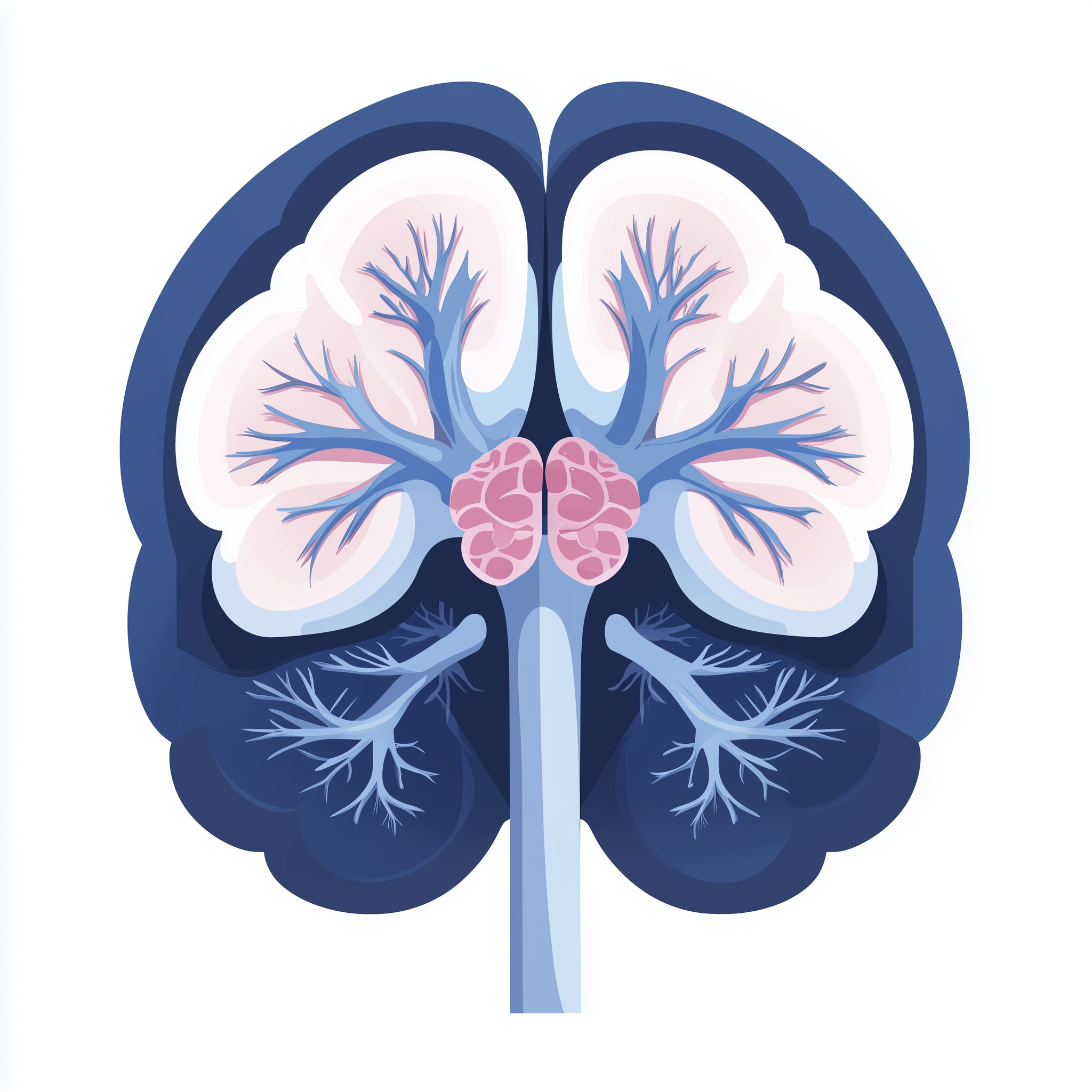
Fragile X syndrome primarily affects the brain and nervous system, impacting cognitive function, behaviour, and development. The changes in brain development can lead to intellectual disability, learning difficulties, and challenges with social interaction and communication. This can manifest as problems with attention, memory, and executive functions like planning and problem-solving.
Beyond the brain, other body systems can also be affected, though typically to a lesser degree. Connective tissue issues may contribute to characteristic physical features such as flexible joints and flat feet. Cardiac issues, such as mitral valve prolapse, have also been reported in some individuals with FXS, although these are less common. Sensory processing differences are also frequent, affecting how individuals respond to sounds, textures, and other stimuli.

Risks & severity
The severity of Fragile X syndrome symptoms can vary widely. Males are typically more severely affected than females due to the X-linked inheritance pattern. Males often experience moderate to severe intellectual disability, alongside significant behavioural challenges. In contrast, females with FXS may have a range of presentations, from normal intelligence with some learning difficulties to more significant intellectual disability, but generally less severe than affected males.
Prevalence estimates suggest FXS affects approximately 1 in 4,000 males. The age of onset for developmental delays is typically observed in early childhood, with behavioural characteristics often becoming more noticeable during the preschool and school years. While FXS is a lifelong condition, the specific challenges and support needs evolve throughout an individual's life. Related conditions, such as Fragile X-associated primary ovarian insufficiency (FXPOI) in females and Fragile X-associated tremor/ataxia syndrome (FXTAS) in older carriers, represent a spectrum of FMR1-related disorders.
Genetic causes
Fragile X syndrome is caused by a specific type of genetic change in the FMR1 gene (fragile X messenger ribonucleoprotein 1). The FMR1 gene provides instructions for making a protein called FMRP (fragile X messenger ribonucleoprotein). This protein is crucial for the normal development and function of the brain, particularly in the formation of connections between nerve cells, known as synapses.
Normally, the FMR1 gene contains a small, repeating segment of DNA called a CGG repeat. In individuals with FXS, this CGG segment is expanded significantly. This expansion leads to a process called methylation, which effectively silences the FMR1 gene. When the gene is silenced, little to no FMRP is produced. The absence or significant reduction of FMRP disrupts brain development and function, leading to the characteristic features of Fragile X syndrome.
- FMR1 fragile X messenger ribonucleoprotein 1The FMR1 gene provides instructions for making the FMRP protein, which is vital for proper brain development, synaptic plasticity, and is associated with several inherited conditions including Fragile X syndrome.
Inheritance pattern
Fragile X syndrome has an X-linked recessive inheritance pattern. This means the FMR1 gene is located on the X chromosome, one of the two sex chromosomes. Females have two X chromosomes (XX), while males have one X and one Y chromosome (XY).
Because males only have one X chromosome, if their FMR1 gene on that X chromosome has the pathogenic change, they will typically develop Fragile X syndrome. Females, having two X chromosomes, usually have a working copy of the FMR1 gene on their other X chromosome. This often provides enough FMRP to prevent or significantly reduce the severity of symptoms, making them carriers who may have milder intellectual disability or no symptoms at all. However, carrier females can still pass the gene change to their children. Each child of a carrier mother has a 50% chance of inheriting the altered X chromosome. Sons who inherit it will have FXS, while daughters who inherit it will be carriers or, less commonly, may experience milder symptoms.
X-linked recessive: sons of a carrier mother have a 50% chance of being affected. Daughters have a 50% chance of being carriers.
Diagnosis & testing
Diagnosing Fragile X syndrome typically involves a review of an individual's developmental history and a genetic test. If a healthcare professional suspects FXS based on developmental delays, intellectual disability, or characteristic physical and behavioural features, they may refer the individual for genetic testing. The primary method for confirming a diagnosis is a DNA test that measures the number of CGG repeats in the FMR1 gene [PMID:31720613].
In the UK, genetic testing for Fragile X syndrome is available through the NHS Genomic Medicine Service (GMS). Referrals are typically made by paediatricians, neurologists, or clinical geneticists. If FXS is suspected, the clinician will request a test for FMR1 repeat expansion. The relevant R-code for this testing within the NHS GMS framework would be requested by the specialist. Genetic counsellors play a crucial role in explaining the testing process, interpreting results, and discussing the implications for the individual and their family.
Management & lifestyle
The management of Fragile X syndrome focuses on providing comprehensive support tailored to the individual's specific needs, addressing developmental, behavioural, and medical challenges. There is no cure for FXS, but early intervention and ongoing support can significantly improve outcomes. Management typically involves a multidisciplinary team approach.
Interventions often include educational support, speech and language therapy, occupational therapy, and behavioural therapy to help manage symptoms such as anxiety, ADHD, and features of autism spectrum disorder. Medication may be prescribed to manage specific behavioural symptoms, such as hyperactivity or anxiety. Regular medical check-ups are important to monitor for potential associated health issues, including cardiac concerns or vision and hearing problems [PMID:24077673]. Families are often supported by genetic counselling services to understand the inheritance pattern and implications for future family planning.
Within the UK, care pathways for individuals with FXS are integrated within the NHS, often starting with referrals to paediatric services, child development centres, and specialist clinics. Genetic counselling is a key component of this pathway, offering information and support to families. Support groups and charities also provide valuable resources and community for affected individuals and their families.
UK care pathway
In the UK, individuals suspected of having Fragile X syndrome typically enter the NHS Genomic Medicine Service (GMS) pathway following a referral from a general practitioner, paediatrician, or other specialist. Clinical geneticists and genetic counsellors are central to this pathway, coordinating diagnostic testing and providing ongoing support. Genetic testing for FMR1 repeat expansions falls under specific R-codes within the GMS, enabling comprehensive genomic analysis. Following diagnosis, individuals are supported by multidisciplinary teams, often including paediatricians, neurologists, and therapists, to ensure access to appropriate interventions and long-term care.
Frequently asked questions
What is the difference between Fragile X syndrome and autism?
Fragile X syndrome is a genetic condition that can lead to developmental delays and intellectual disability. While many individuals with Fragile X syndrome also display features of autism spectrum disorder (ASD), such as social communication difficulties and repetitive behaviours, they are distinct conditions. FXS is a specific genetic cause of intellectual disability, whereas ASD has many potential causes, some genetic and some not.
Can females have Fragile X syndrome?
Yes, females can have Fragile X syndrome, but they are typically less severely affected than males. Because females have two X chromosomes, the presence of one working copy of the FMR1 gene often reduces the severity of symptoms. Some females may have mild learning difficulties or anxiety, while others may show no overt symptoms but are carriers of the gene change.
Is there a cure for Fragile X syndrome?
Currently, there is no cure for Fragile X syndrome. However, early diagnosis and comprehensive, tailored support can significantly improve an individual's quality of life and developmental outcomes. Management focuses on therapies, educational support, and behavioural interventions to address specific symptoms.
How is Fragile X syndrome inherited?
Fragile X syndrome is inherited in an X-linked recessive pattern. This means the FMR1 gene is on the X chromosome. Males, with only one X chromosome, are usually more severely affected if they inherit the altered gene. Females, with two X chromosomes, are often carriers with milder or no symptoms, but can pass the altered gene to their children.
What support is available for families affected by Fragile X syndrome in the UK?
In the UK, families can access support through the NHS, including paediatric services, child development centres, and genetic counselling. Charities and patient support groups also offer valuable resources, information, and a community for individuals and families living with Fragile X syndrome.
References
- Salcedo-Arellano MJ, Hagerman RJ, Martínez-Cerdeño V. Fragile X syndrome: clinical presentation, pathology and treatment. Gaceta medica de Mexico. 2020. PMID: 32026885
- Acero-Garcés DO, Saldarriaga W, Cabal-Herrera AM. Fragile X Syndrome in children. Colombia medica (Cali, Colombia). 2023. PMID: 37664646
- Verpeut JL. Restoring cerebellar-dependent learning. eLife. 2024. PMID: 39012692
- Hagerman PJ, Hagerman R. Fragile X syndrome. Current biology : CB. 2021. PMID: 33756134
- Liu XS, Wu H, Krzisch M. Rescue of Fragile X Syndrome Neurons by DNA Methylation Editing of the FMR1 Gene. Cell. 2018. PMID: 29456084
- Hagerman RJ. Fragile X syndrome. Current problems in pediatrics. 1987. PMID: 3325231
- Cronister AE, Hagerman RJ. Fragile X syndrome. Journal of pediatric health care : official publication of National Association of Pediatric Nurse Associates & Practitioners. 1989. PMID: 2644412
- Chakrabarti L, Davies KE. Fragile X syndrome. Current opinion in neurology. 1997. PMID: 9146995