

On this page
C3 glomerulopathy
This condition occurs when the immune system's complement pathway, specifically the C3 protein, becomes overactive and damages the kidneys. It can lead to kidney inflammation, reduced kidney function, and eventually kidney failure.
Overview
C3 glomerulopathy (C3G) is a group of rare kidney diseases where there is excessive activation of the complement system, leading to deposits of complement protein C3 in the glomeruli - the tiny filtering units of the kidneys [PMID:36577883]. These deposits cause inflammation and damage, impairing the kidneys' ability to filter waste from the blood. The condition can affect individuals of any age, though it is often diagnosed in children and young adults.
C3G is considered a spectrum of disorders, primarily categorised into C3 glomerulonephritis (C3GN) and dense deposit disease (DDD), depending on the appearance of the complement deposits under a microscope. While both are types of C3G, DDD typically involves more extensive and darker deposits [PMID:28795551]. Both forms share the underlying problem of dysregulated complement system activity.
Symptoms & clinical features
The symptoms of C3 glomerulopathy can vary widely among individuals. Early signs often include blood in the urine (haematuria), which may sometimes only be detectable under a microscope, or foamy urine due to excess protein (proteinuria). These may be discovered during routine urine tests.
As the condition progresses and kidney function is affected, other symptoms can emerge. These may include swelling (oedema) in the legs, ankles, and around the eyes, high blood pressure (hypertension), and fatigue. In some cases, individuals may experience rapid kidney function decline, potentially leading to kidney failure if not managed appropriately.
Video: Genetics 101
Affected organs
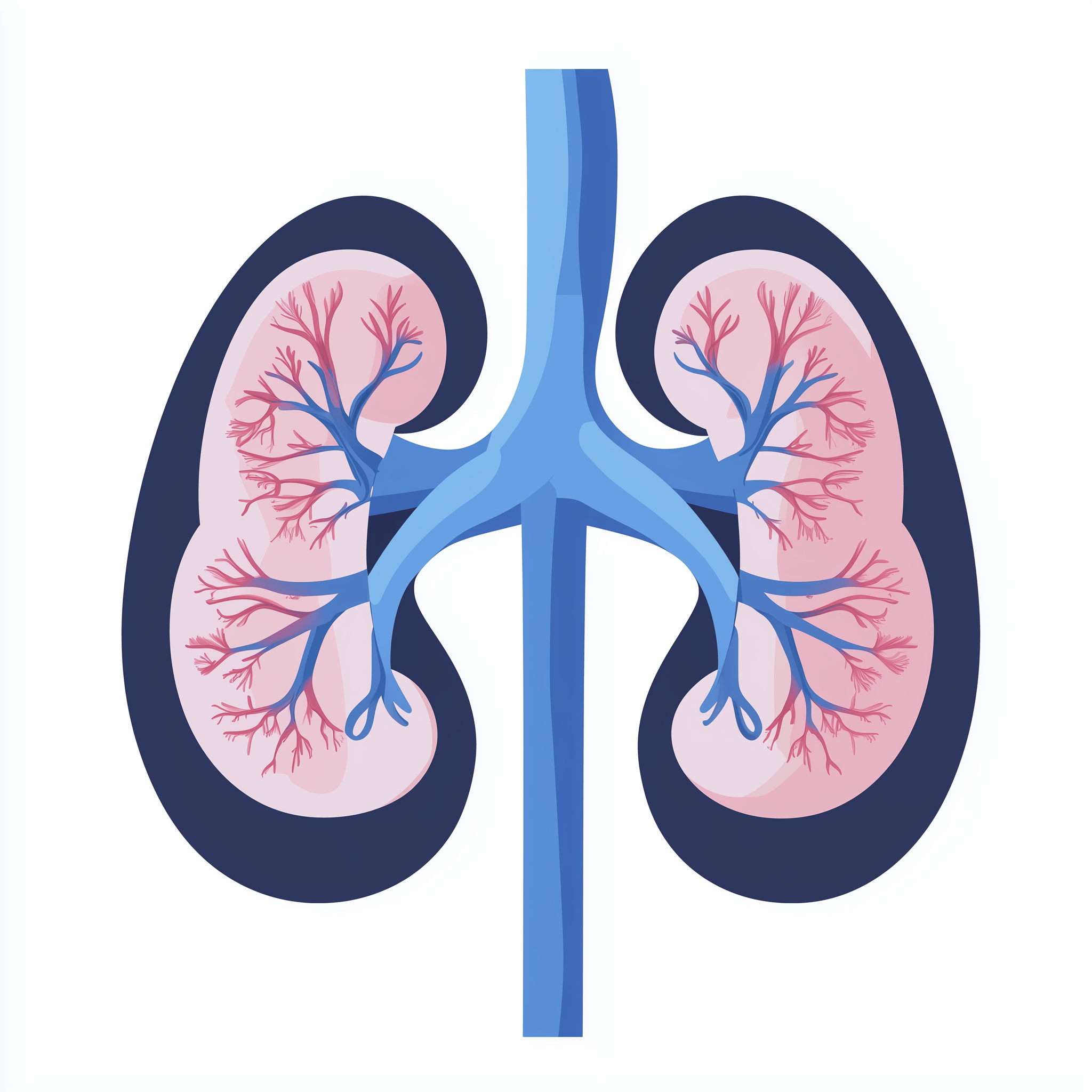
C3 glomerulopathy primarily affects the kidneys. Specifically, it targets the glomeruli, which are the intricate clusters of tiny blood vessels responsible for filtering waste products and excess water from the blood to produce urine. The chronic inflammation and damage caused by C3 deposits in these filtering units disrupt their normal function.
Although the kidneys are the main organ affected, the complement system is an integral part of the body's overall immune defence. While C3G is largely kidney-focused, the systemic nature of complement dysregulation means that researchers continue to explore potential wider implications, though kidney damage remains the defining feature of this condition.

Risks & severity
C3 glomerulopathy is considered a rare disease, with its exact prevalence not well established. The severity of C3G can range from slowly progressive kidney damage to rapid kidney failure. For some individuals, the disease may remain stable for many years, while for others, it can lead to end-stage kidney disease requiring dialysis or a kidney transplant [PMID:28795551].
The age of onset is variable; it can present in childhood or adulthood. The lifetime risk of developing end-stage kidney disease is significant for individuals with C3G, and recurrence of the disease after kidney transplantation is a concern for some patients. Factors influencing disease progression and severity are complex and are a subject of ongoing research.
Genetic causes
C3 glomerulopathy is considered a 'polygenic/complex' condition, meaning that it is influenced by changes in multiple genes, often in combination with other factors. Several genes involved in the complement system have been associated with an increased risk of developing C3G. The complement system is a crucial part of the innate immune system, helping to defend the body against infections and clear damaged cells.
Key genes implicated in C3G include C3, CFB, CFH, and CFHR5. The C3 gene provides instructions for the C3 protein, a central component of the complement pathway. CFB (complement factor B) and CFH (complement factor H) are involved in regulating the complement system, while CFHR5 (complement factor H related 5) is part of a family of proteins that also help control complement activity [PMID:31526435]. Pathogenic changes in these genes can disrupt the delicate balance of the complement system, leading to its overactivation and the subsequent kidney damage seen in C3G.
Inheritance pattern
Given that C3 glomerulopathy is a complex genetic condition, its inheritance pattern is not straightforward like single-gene disorders. It typically follows a polygenic or complex inheritance model. This means that a person's risk is influenced by variations across several genes, possibly combined with environmental factors, rather than a single faulty gene.
Therefore, while genetic changes in genes like C3, CFH, CFB, and CFHR5 are associated with the condition, it is not passed down through families in a simple dominant or recessive manner. Family members may carry some of these genetic variations, but their presence does not guarantee that they will develop C3G. The risk for relatives is generally considered to be higher than in the general population, but specific predictions are challenging due to the complex nature of the condition.
Diagnosis & testing
Diagnosis of C3 glomerulopathy typically involves a combination of clinical assessment, urine tests, blood tests, and a kidney biopsy. Urine tests look for the presence of blood and protein.
A kidney biopsy is crucial for definite diagnosis. During this procedure, a small sample of kidney tissue is taken and examined under a microscope. Special staining techniques are used to identify the characteristic C3 protein deposits in the glomeruli, helping to distinguish C3G from other kidney conditions. Genetic testing may also be considered, particularly for individuals with a family history or to help pinpoint specific genetic risk factors within the complement pathway. In the UK, genetic testing for C3G-related genes can be accessed through the NHS Genomic Medicine Service, often following referral from a nephrologist (kidney specialist) or clinical geneticist. This testing would fall under relevant R-codes for renal conditions.
Management & lifestyle
Management of C3 glomerulopathy is highly individualised and aims to control symptoms, reduce inflammation, protect kidney function, and prevent progression to kidney failure. This often involves a multi-pronged approach under the care of a nephrology team.
Treatment strategies may include medications to manage high blood pressure and reduce protein in the urine, such as ACE inhibitors or ARBs. Immunosuppressive therapies may also be used in some cases to reduce the inflammatory response and complement activation. For individuals who develop end-stage kidney disease, dialysis or kidney transplantation may be necessary. Recurrence of C3G in a transplanted kidney is a known risk and is carefully monitored.
Alongside medical treatments, lifestyle modifications such as dietary management (e.g., controlling salt intake) may be advised. Patients are typically followed up regularly by their nephrology team, with ongoing monitoring of kidney function and symptom management. Genetic counsellors can provide valuable support and information regarding the genetic aspects of C3G and its implications for families.
UK care pathway
In the UK, individuals suspected of having C3 glomerulopathy would typically be referred to a nephrologist through their GP or other specialist. If C3G is suspected, a kidney biopsy would be a key diagnostic step. Following diagnosis, management is led by a specialist nephrology team within the NHS.
Genetic testing for C3 glomerulopathy is available through the NHS Genomic Medicine Service, often initiated by a consultant nephrologist or clinical geneticist. This testing screens for relevant genes in the complement pathway, which may help guide prognosis and management. Patients and their families can also access genetic counselling services to discuss the inheritance patterns, implications for family members, and support resources.
Frequently asked questions
What is the complement system and why is it important in C3G?
The complement system is a vital part of your immune system, acting as a defence against infections and helping to clear damaged cells. In C3 glomerulopathy, this system, particularly the C3 protein, becomes overactive or malfunctions, leading to deposits in the kidneys and causing damage.
Is C3 glomerulopathy always inherited?
C3 glomerulopathy is not inherited in a simple manner like some genetic conditions. It is considered a complex genetic condition, meaning changes in several genes, potentially combined with other factors, contribute to its development. While genetic factors increase risk, it doesn't mean family members will definitely develop the condition.
Can C3 glomerulopathy be cured?
Currently, there is no cure for C3 glomerulopathy. However, treatments are available to manage symptoms, reduce inflammation, slow kidney damage, and prevent progression to kidney failure. Research is ongoing to develop more targeted therapies for the condition.
What kind of specialist treats C3 glomerulopathy?
C3 glomerulopathy is primarily treated by a nephrologist, who is a specialist in kidney diseases. They will manage your care, perform necessary tests, prescribe medications, and coordinate with other healthcare professionals as needed.
Will C3 glomerulopathy come back after a kidney transplant?
For some individuals with C3 glomerulopathy, the condition can unfortunately recur in a transplanted kidney. This risk is carefully monitored by the transplant team after surgery, and strategies are often put in place to try and minimise this possibility.
References
- Smith RJH, Appel GB, Blom AM. C3 glomerulopathy - understanding a rare complement-driven renal disease. Nature reviews. Nephrology. 2019. PMID: 30692664
- Fakhouri F, Bomback AS, Ariceta G. Trial of Pegcetacoplan in C3 Glomerulopathy and Immune-Complex MPGN. The New England journal of medicine. 2025. PMID: 41337715
- Ahmad SB, Bomback AS. C3 Glomerulopathy: Pathogenesis and Treatment. Advances in chronic kidney disease. 2020. PMID: 32553242
- Goodship TH, Cook HT, Fakhouri F. Atypical hemolytic uremic syndrome and C3 glomerulopathy: conclusions from a "Kidney Disease: Improving Global Outcomes" (KDIGO) Controversies Conference. Kidney international. 2017. PMID: 27989322
- Wooden B, Nester CM, Bomback AS. Update on C3 Glomerulopathy. Advances in kidney disease and health. 2024. PMID: 39004462
- Noris M, Remuzzi G. C3G and Ig-MPGN-treatment standard. Nephrology, dialysis, transplantation : official publication of the European Dialysis and Transplant Association - European Renal Association. 2024. PMID: 37604793
- Pickering MC, D'Agati VD, Nester CM. C3 glomerulopathy: consensus report. Kidney international. 2013. PMID: 24172683
- Heiderscheit AK, Hauer JJ, Smith RJH. C3 glomerulopathy: Understanding an ultra-rare complement-mediated renal disease. American journal of medical genetics. Part C, Seminars in medical genetics. 2022. PMID: 35734939