

On this page
Essential hypertension
Also known as Hypertension · High blood pressure
This condition affects a significant portion of the adult population in the UK and is a major risk factor for heart disease, stroke, and kidney problems. It often has no obvious symptoms, making regular checks important.
Available at Jeen Health
Clinical tests that include this
Overview
Essential hypertension, also commonly known as high blood pressure, refers to cases where blood pressure consistently remains above healthy levels without a clear underlying medical condition or medication causing it. It is distinct from 'secondary hypertension', which is high blood pressure resulting from another specific disease [PMID:33604085]. Maintaining healthy blood pressure is vital for the proper function of the heart, blood vessels, and other organs.
This condition is very common, affecting approximately one in three adults in the UK. The prevalence tends to increase with age, meaning it becomes more common in older individuals. Uncontrolled high blood pressure can lead to serious health complications over time, even if there are no noticeable symptoms initially.
Symptoms & clinical features
Often, essential hypertension does not cause any noticeable symptoms, which is why it is sometimes called a 'silent killer' [PMID:33604085]. Many people live with high blood pressure for years without being aware of it until it is discovered during a routine check-up or when complications arise.
In some people, particularly when blood pressure is very high, symptoms might include headaches, shortness of breath, nosebleeds, or dizziness. However, these symptoms are non-specific and can be caused by many other conditions. Therefore, symptoms alone are not reliable indicators of high blood pressure, and accurate measurement is essential for diagnosis.
Video: Genetics 101
Affected organs
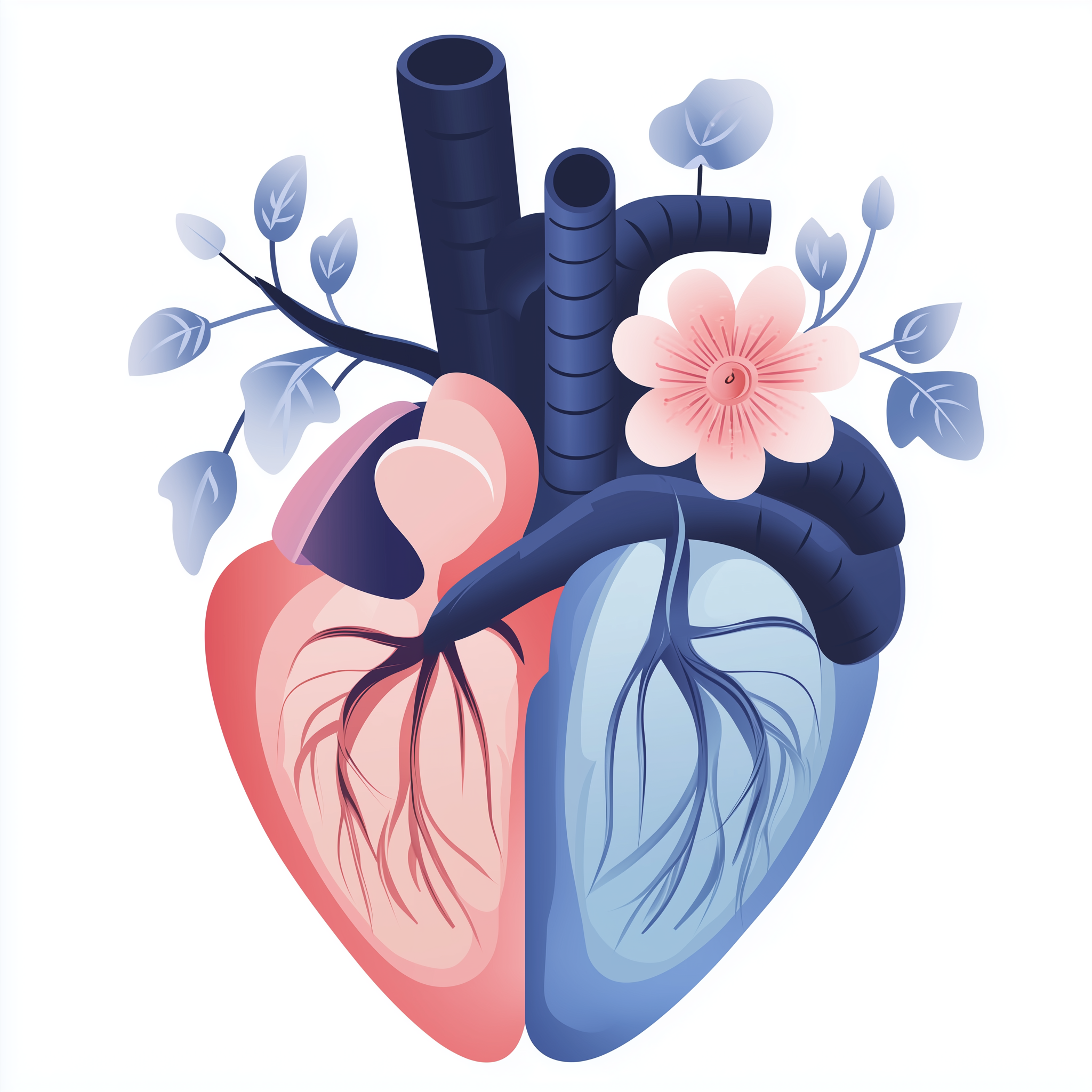
Sustained high blood pressure can put a strain on many parts of the body. The heart must work harder to pump blood against increased resistance, which can lead to the thickening of the heart muscle and potentially heart failure. Blood vessels throughout the body can also be damaged, becoming less elastic and more prone to narrowing.
Other organs commonly affected include the brain, increasing the risk of strokes or cognitive decline over time. The kidneys can also suffer damage, potentially leading to chronic kidney disease. Furthermore, high blood pressure can affect the eyes, sometimes causing vision problems.

Risks & severity
Essential hypertension is a significant risk factor for several severe health conditions. People with high blood pressure have an increased likelihood of developing coronary artery disease, heart attacks, and strokes [PMID:33604085]. It also raises the risk of kidney failure and peripheral artery disease.
The severity of hypertension is typically categorised based on blood pressure readings, with higher sustained pressures indicating greater risk. While the condition can lead to life-threatening complications, effective management can significantly reduce these risks. Age of onset varies, but it commonly develops in middle age and beyond, though it can occur earlier.
Genetic causes
Essential hypertension is considered a complex or polygenic condition. This means its development is influenced by a combination of multiple genetic variations and environmental or lifestyle factors, rather than a single gene mutation. Genes play a role in regulating blood pressure through various mechanisms, such as fluid balance, blood vessel tone, and kidney function.
Research suggests that variations in several genes, including ACE, AGT, and ATP2B1, may contribute to an individual's susceptibility to essential hypertension. For example, the ACE gene codes for angiotensin-converting enzyme, which is involved in a hormone system that controls blood pressure and fluid balance. Changes in these genes may subtly alter these processes, increasing the likelihood of developing high blood pressure over time when combined with other risk factors [PMID:19363066, PMID:18408713].
Inheritance pattern
Essential hypertension follows a complex or polygenic inheritance pattern. This means there isn't a simple 'dominant' or 'recessive' inheritance as seen in some single-gene conditions. Instead, an individual inherits many different gene variants, each contributing a small effect to their overall risk of developing the condition.
If one or both parents have essential hypertension, their children may have an increased genetic predisposition, but this does not guarantee they will develop the condition. Environmental factors such as diet, exercise, and stress also play a significant role. Therefore, while genetics can increase susceptibility, lifestyle choices can often help mitigate this risk.
Diagnosis & testing
Diagnosis of essential hypertension is primarily made through repeated measurements of blood pressure over time. A healthcare professional will typically use an arm cuff to measure systolic (the top number) and diastolic (the bottom number) pressure. If readings are consistently elevated across several visits, a diagnosis may be made.
Before confirming essential hypertension, doctors will often perform tests to rule out secondary causes of high blood pressure, such as kidney disease, thyroid problems, or certain medications. These tests might include blood tests, urine tests, and sometimes an electrocardiogram (ECG). In the UK, if there are concerns about a genetic contribution to severe or early-onset hypertension, or if it runs strongly in families, a referral to a clinical genetics service via NHS Genomic Medicine Service (GMS) pathways (R-code R115, R116, R117 for rare forms) might be considered, though this is less common for typical essential hypertension.
Management & lifestyle
Management of essential hypertension typically involves a combination of lifestyle modifications and, if necessary, medication. Lifestyle changes are often recommended first and include adopting a healthy diet (such as the DASH diet), reducing salt intake, regular physical activity, maintaining a healthy weight, limiting alcohol consumption, and quitting smoking.
If lifestyle changes alone are not sufficient, a doctor may prescribe antihypertensive medications. There are several different classes of drugs available, and the choice depends on individual patient factors and other health conditions. Regular monitoring of blood pressure, either at home or in clinical settings, is crucial to ensure the treatment plan is effective. Management is typically guided by a GP, often in consultation with specialists if complications or specific challenges arise.
UK care pathway
In the UK, the care pathway for essential hypertension usually begins with a General Practitioner (GP). Your GP will be responsible for diagnosis, initial management advice, and prescribing medications. If blood pressure proves difficult to control, or if there are concerns about complications, your GP may refer you to a specialist, such as a cardiologist or a nephrologist (kidney specialist).
If there is suspicion of a rare, genetic cause for hypertension, or if it presents unusually early or severely within a family, referral to a clinical genetics service can be made. These services are accessed through the NHS Genomic Medicine Service (GMS) pathways. A genetic counsellor within this service can provide information and support regarding genetic testing and inherited risks. The relevant R-codes (e.g., R115, R116, R117) apply to specific genetic forms of hypertension, not typically essential hypertension.
Frequently asked questions
What is the difference between essential hypertension and secondary hypertension?
Essential hypertension is high blood pressure with no identifiable underlying cause, often influenced by genetics and lifestyle. Secondary hypertension is high blood pressure that results from another specific medical condition, such as kidney disease or an endocrine disorder.
Can essential hypertension be cured?
Essential hypertension generally cannot be cured, but it can be very well managed through lifestyle changes and, if necessary, medication. Effective management can keep blood pressure at healthy levels and significantly reduce the risk of associated complications.
How often should I have my blood pressure checked?
Adults over 40 in the UK are generally advised to have their blood pressure checked at least every five years as part of their NHS Health Check. If you have risk factors for high blood pressure or have been diagnosed previously, your doctor may recommend more frequent checks.
What lifestyle changes can help manage high blood pressure?
Key lifestyle changes include eating a balanced diet rich in fruits, vegetables, and whole grains while reducing salt intake, getting regular physical activity, maintaining a healthy weight, limiting alcohol, and avoiding smoking. Stress management can also be beneficial.
Will my children inherit essential hypertension from me?
Essential hypertension is polygenic, meaning it is influenced by multiple genes and environmental factors. If you have it, your children may have an increased genetic predisposition, but they won't necessarily inherit the condition. Their actual risk depends on a combination of their inherited genes and their lifestyle choices.
References
- Moiz A, Zolotarova T, Eisenberg MJ. Outpatient management of essential hypertension: a review based on the latest clinical guidelines. Annals of medicine. 2024. PMID: 38604225
- Rossi GP, Bagordo D, Rossi FB. 'Essential' arterial hypertension: time for a paradigm change. Journal of hypertension. 2024. PMID: 38748508
- Khoury SR, Ratchford EV. Hypertension. Vascular medicine (London, England). 2018. PMID: 29651931
- Stewart PM. Mineralocorticoid hypertension. Lancet (London, England). 1999. PMID: 10218547
- Mark AM. Understanding high blood pressure (hypertension). Journal of the American Dental Association (1939). 2025. PMID: 39909700
- Sierra C. Hypertension and the Risk of Dementia. Frontiers in cardiovascular medicine. 2020. PMID: 32083095
- El Mokadem M, Boshra H, Abd El Hady Y. Correlation between blood pressure variability and subclinical target organ damage in patients with essential hypertension. Journal of human hypertension. 2020. PMID: 31712711
- Warnert EA, Rodrigues JC, Burchell AE. Is High Blood Pressure Self-Protection for the Brain? Circulation research. 2016. PMID: 27672161