

On this page
Chronic kidney disease (polygenic)
This complex condition involves a gradual loss of kidney function, affecting around 1 in 10 adults in the UK. Many genes contribute to an individual's risk, alongside lifestyle and other health factors.
Overview
Chronic kidney disease (CKD) describes the progressive loss of kidney function over time. When CKD is 'polygenic', it means that many different genes, rather than a single gene, contribute to an individual's susceptibility. Environmental factors and other health conditions also play a significant role in its development and progression. This makes polygenic CKD a complex disorder.
Kidneys are vital organs responsible for filtering waste products and excess fluid from the blood, which are then excreted as urine. They also play a critical role in blood pressure regulation, red blood cell production, and bone health. When kidney function declines, waste products can build up in the body, leading to various health problems. Polygenic CKD can affect people of all ages, but it is more common in older adults and those with other risk factors.
Symptoms & clinical features
In its early stages, chronic kidney disease often shows no symptoms, as the kidneys can still perform their functions adequately even with reduced capacity. As the condition progresses, symptoms may become more noticeable and can include fatigue, swelling in the ankles and feet (oedema), muscle cramps, and changes in urination frequency [PMID:33678096]. Blood and urine tests, rather than symptoms, typically reveal early kidney decline.
Later stages of CKD can lead to more severe symptoms such as nausea, loss of appetite, difficulty sleeping, persistent itching, and shortness of breath. These symptoms arise from the accumulation of waste products in the body, which can affect multiple organ systems. Regular screening for at-risk individuals is important because of this often silent progression.
Video: Genetics 101
Affected organs
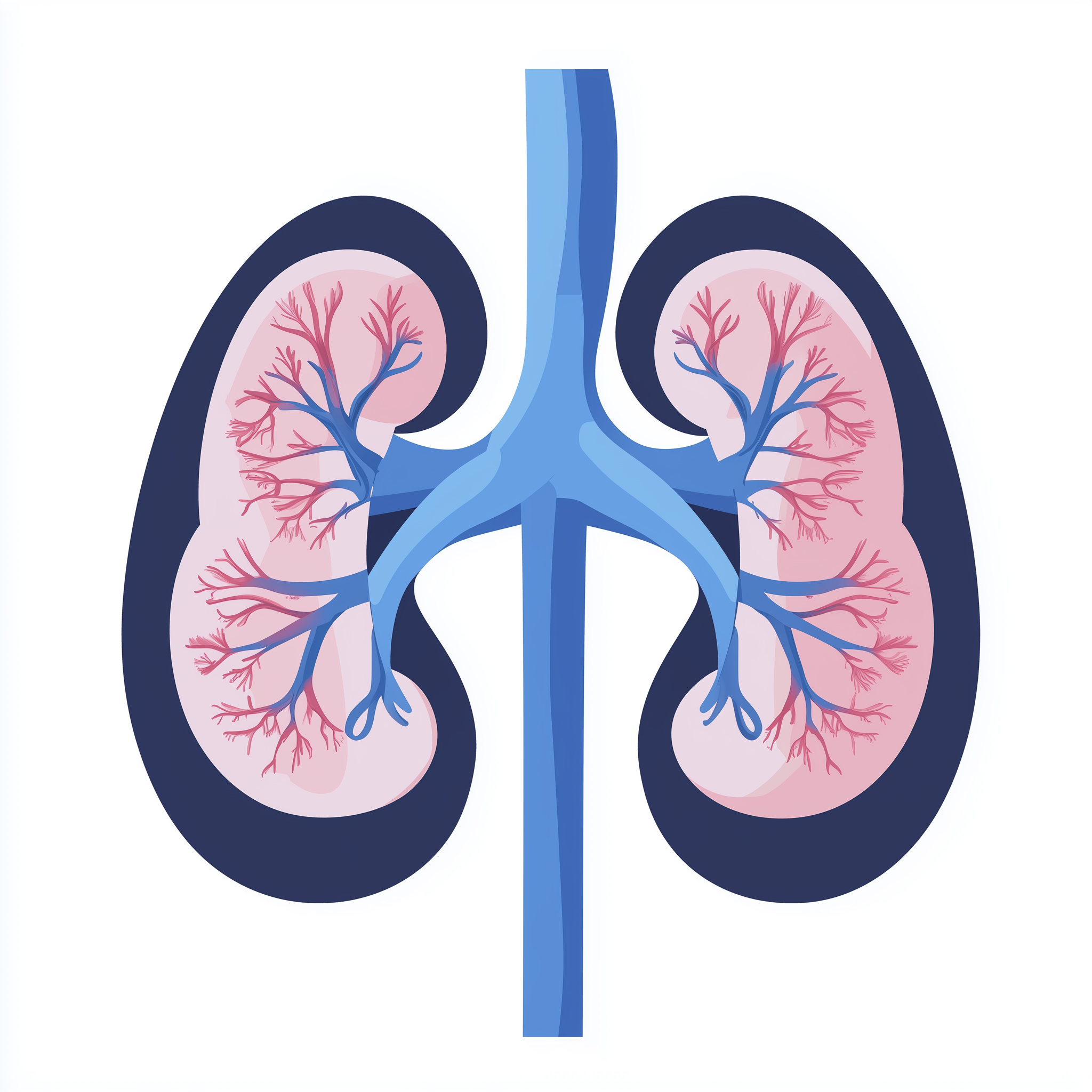
The primary organs affected by chronic kidney disease are, of course, the kidneys themselves. Over time, the internal structures of the kidneys, particularly the tiny filtering units called nephrons, become damaged and less efficient at removing waste. This damage is often irreversible.
As kidney function declines, other organ systems can also be affected. The cardiovascular system is particularly vulnerable, with CKD increasing the risk of heart disease and stroke [PMID:30138927]. Bone health can deteriorate due to imbalances in calcium and phosphate, and anaemia can develop because the kidneys produce erythropoietin, a hormone essential for red blood cell production.

Risks & severity
The severity of chronic kidney disease is categorised into stages, with stage 1 being the mildest form of kidney damage and stage 5 representing kidney failure, requiring dialysis or a kidney transplant. The progression of CKD can vary greatly among individuals, influenced by the specific genetic factors involved, lifestyle choices, and co-existing conditions like diabetes and high blood pressure [PMID:33678096].
Around 1 in 10 adults in the UK are estimated to have some degree of chronic kidney disease. While many people with early-stage CKD may never progress to kidney failure, others will experience a continuous decline in kidney function. The risk of developing polygenic CKD increases with age. Lifestyle modifications and careful management of co-existing conditions can often help slow progression.
Genetic causes
Polygenic chronic kidney disease arises from the combined effects of multiple genetic variations across several genes, each contributing a small amount to an individual's overall risk. Unlike monogenic conditions caused by a single faulty gene, polygenic conditions are complex and difficult to attribute to one specific genomic change. These genetic variations can affect various kidney-related processes, such as filtration, waste removal, and structural integrity.
Genes commonly implicated in increasing the risk of CKD include *APOL1*, *SLC7A9*, and *UMOD*. For instance, certain variants in *APOL1* are known to increase the risk of kidney disease, particularly in individuals of African ancestry [PMID:30138927]. *UMOD* provides instructions for making uromodulin, a protein exclusively produced in the kidney, and variations in this gene have been linked to inherited kidney disorders and an increased risk of CKD. *SLC7A9* is involved in amino acid transport and can contribute to kidney stone formation, which may precede CKD. It is the combination and interaction of these and many other genes, alongside environmental influences, that determines an individual's overall risk.
Inheritance pattern
Polygenic chronic kidney disease does not follow a simple Mendelian inheritance pattern, such as autosomal dominant or recessive. Instead, it is considered a complex or multifactorial condition. This means that inheriting certain genetic variations from both parents can increase an individual's predisposition, but these variants alone are not usually sufficient to cause the condition.
Environmental factors, lifestyle choices, and other health conditions interact with these genetic predispositions to determine whether someone develops CKD and how severe it becomes. Therefore, while family history can suggest an increased risk, it does not guarantee that a person will develop the condition. Relatives may inherit some of the predisposing genetic factors, but their individual risks will depend on their unique genetic profile and life circumstances.
Diagnosis & testing
Diagnosing chronic kidney disease typically involves a combination of blood tests, urine tests, and sometimes imaging studies. Blood tests measure the glomerular filtration rate (GFR), which estimates how well the kidneys are filtering waste, and creatinine levels. Urine tests check for albumin, a protein that can indicate kidney damage when present in the urine.
If CKD is suspected, a general practitioner (GP) in the UK would typically refer a patient to a kidney specialist (nephrologist) for further assessment and management. Genetic testing for specific genes like *APOL1*, *SLC7A9*, or *UMOD* might be considered in some cases, particularly if there is a strong family history or an atypical presentation of kidney disease. However, for polygenic CKD, genetic testing might not provide a definitive diagnosis of the polygenic risk itself, but rather assess individual genetic risk factors. These investigations follow NHS Genomic Medicine Service pathways, which can be initiated via an NHS R-code referral from a clinician.
Management & lifestyle
Managing polygenic chronic kidney disease focuses on slowing its progression, treating symptoms, and preventing complications. This often involves making lifestyle changes, such as adopting a healthy diet low in salt and processed foods, maintaining a healthy weight, exercising regularly, and stopping smoking. Managing blood pressure and blood sugar levels is crucial, often through medication, as high blood pressure and diabetes are major contributors to kidney damage.
Patients are typically looked after by a multidisciplinary team including a GP, nephrologists, dietitians, and specialist nurses. Regular monitoring of kidney function through blood and urine tests allows healthcare professionals to track the disease's progression and adjust treatments as needed. In advanced stages, treatment options may include dialysis or kidney transplantation. Genetic counsellors can also be a valuable resource for patients and families, providing information about the genetic components of their condition and implications for relatives.
UK care pathway
In the UK, suspected chronic kidney disease is initially assessed by a GP. If there are concerns, a referral to a specialist kidney doctor (nephrologist) will be made. The NHS Genomic Medicine Service supports the use of genetic tests where clinically appropriate, guided by national pathways and R-codes. Patients and their families can also access genetic counsellors who provide information, support, and guidance on inherited conditions and genetic risks.
Frequently asked questions
What is the main difference between polygenic and monogenic kidney disease?
Monogenic kidney disease is caused by a change in a single gene, leading directly to the condition. Polygenic kidney disease results from the combined effect of many different gene variations, each contributing a small amount, along with environmental factors.
Can polygenic chronic kidney disease be cured?
Currently, there is no cure for chronic kidney disease, but its progression can often be slowed down and symptoms managed effectively. Treatment focuses on preserving kidney function and reducing the risk of complications.
If someone in my family has polygenic CKD, what does that mean for my risk?
Having a family member with polygenic CKD may indicate a slightly increased genetic predisposition. However, your individual risk depends on your unique genetic makeup, lifestyle, and other health conditions. Discussing your family history with your GP is advisable.
What lifestyle changes can help manage polygenic CKD?
Healthy lifestyle choices are crucial, including a balanced diet low in salt, regular exercise, maintaining a healthy weight, and avoiding smoking. Managing blood pressure and blood sugar levels is also very important.
How often should I have my kidneys checked if I'm at risk?
The frequency of kidney checks depends on your specific risk factors and the stage of any existing kidney disease. Your doctor will advise on the appropriate monitoring schedule based on your individual health needs.