

On this page
Diabetic nephropathy
Diabetic nephropathy affects approximately 30-40% of people with diabetes and represents the leading cause of chronic kidney disease requiring dialysis or transplantation in the UK. The condition develops through complex interactions between prolonged high blood glucose, blood pressure, and genetic susceptibility factors.
Overview
Diabetic nephropathy develops when chronically elevated blood glucose levels damage the delicate filtering units of the kidneys, called glomeruli. Over years to decades, this damage impairs the kidneys' ability to filter waste products from the blood and leads to abnormal protein leakage into the urine. The condition typically progresses through stages, beginning with subtle changes in kidney structure and function that may not cause symptoms, advancing to detectable protein in the urine, and potentially culminating in end-stage kidney disease requiring dialysis or transplantation.
Whilst diabetes itself is the primary driver, not everyone with diabetes develops nephropathy despite similar glucose control. Research suggests genetic factors influence individual susceptibility, with certain genetic variants increasing risk amongst people exposed to hyperglycaemia. The condition affects both type 1 and type 2 diabetes, though the timeline and progression may differ between these groups.
Symptoms & clinical features
Early diabetic nephropathy typically produces no noticeable symptoms, which is why screening through urine and blood tests forms a critical part of diabetes care. As the condition advances, the earliest detectable sign is microalbuminuria - small amounts of the protein albumin appearing in urine - which precedes any symptoms by years. This stage represents a window for intervention before irreversible damage occurs.
When kidney function declines substantially, symptoms may include swelling in the legs, ankles, or around the eyes due to fluid retention, fatigue and reduced energy from accumulating waste products, loss of appetite, nausea, and changes in urination patterns. Advanced disease may cause breathlessness from fluid accumulation in the lungs, confusion, and difficulty concentrating. High blood pressure both contributes to and results from diabetic nephropathy, creating a cycle that accelerates progression if not addressed.
Video: Genetics 101
Affected organs
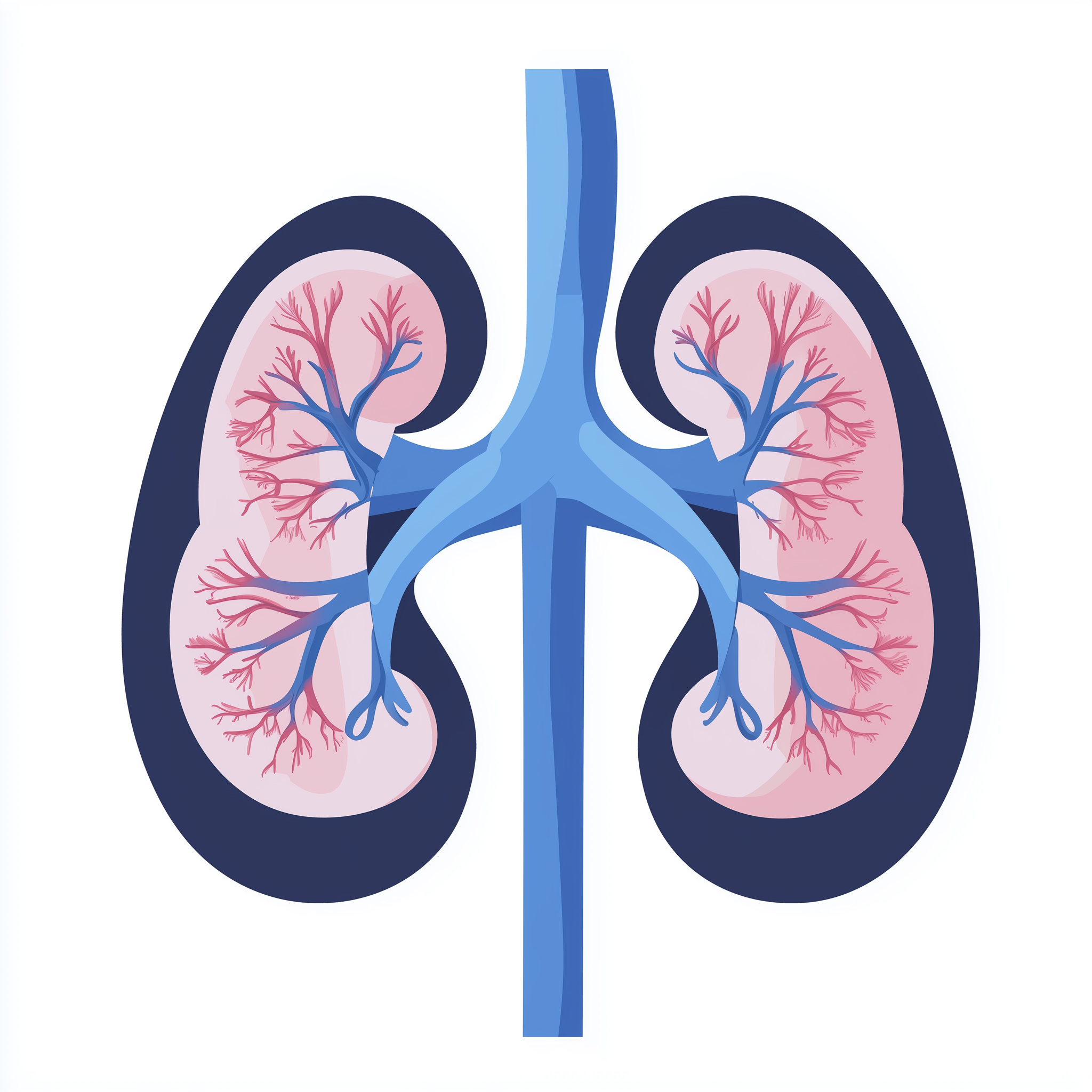
The kidneys bear the primary impact, specifically the glomeruli - microscopic filtering structures comprising specialised blood vessels and supporting cells. Prolonged hyperglycaemia causes thickening of glomerular basement membranes and expansion of the mesangial matrix, progressively reducing filtering capacity. The tubular system that processes filtered fluid also becomes damaged, affecting the kidneys' ability to concentrate urine and regulate electrolytes.
Beyond the kidneys, diabetic nephropathy affects the cardiovascular system significantly. People with this condition face markedly elevated risks of heart disease and stroke, partly because kidney dysfunction disrupts blood pressure regulation and lipid metabolism. The eyes may also show parallel damage through diabetic retinopathy, as both organs contain vulnerable microvascular beds susceptible to glucose-mediated injury.

Risks & severity
Severity varies considerably between individuals. Some people with diabetes develop only mild, stable kidney impairment that progresses minimally over decades, whilst others experience rapid decline toward end-stage disease within years of diagnosis. Approximately 30-40% of people with diabetes develop some degree of nephropathy, though only a subset progress to requiring kidney replacement therapy.
Several factors influence progression risk and severity. Duration of diabetes represents the strongest predictor - longer exposure to hyperglycaemia increases cumulative damage. Poor glucose control, elevated blood pressure, and smoking accelerate decline. Genetic susceptibility also plays a role, with certain variants influencing both the likelihood of developing nephropathy and the rate of progression once established. Starting diabetes at a younger age generally confers higher lifetime risk simply through longer disease duration.
Genetic causes
Diabetic nephropathy arises through complex interactions between environmental factors - primarily hyperglycaemia - and genetic susceptibility. The condition is polygenic, meaning multiple genetic variants across the genome contribute modest individual effects that accumulate to influence overall risk. No single gene causes diabetic nephropathy in isolation; rather, genetic factors modify how kidneys respond to diabetic stress.
One well-characterised genetic risk factor involves the APOL1 gene, which encodes apolipoprotein L1, a protein involved in lipid transport and cellular stress responses. Certain variants in APOL1, particularly two specific haplotypes termed G1 and G2, substantially increase nephropathy risk amongst people of African ancestry who have diabetes. These variants appear to have been maintained in populations because they confer resistance to certain parasitic infections, but in the context of diabetes or other kidney stressors, they accelerate glomerular damage. Individuals carrying two copies of these risk variants face considerably elevated likelihood of progressive kidney disease compared to those without them. Beyond APOL1, research has identified numerous other genetic loci that modestly influence susceptibility, though their clinical utility for risk prediction remains under investigation.
Inheritance pattern
Diabetic nephropathy does not follow classical Mendelian inheritance patterns like single-gene disorders. Instead, it represents a complex trait where multiple common genetic variants, each contributing small effects, combine with environmental factors to determine individual risk. This polygenic architecture means the condition can occur without any family history, though clustering within families does occur due to shared genetic susceptibility and often shared environmental factors like diet and lifestyle.
For the APOL1 risk variants specifically, inheritance follows straightforward genetic principles - each parent passes one copy of the gene to their child. However, carrying these variants does not guarantee diabetic nephropathy will develop; they increase susceptibility when diabetes is present. Family members may share elevated genetic risk without all developing kidney disease, depending on whether they develop diabetes and how well metabolic risk factors are controlled. Genetic counselling can help families understand their specific risk profile, particularly in populations where APOL1 variants are common.
Diagnosis & testing
Diagnosis relies primarily on detecting abnormal protein levels in urine and measuring kidney function through blood tests. The standard screening approach involves testing urine for albumin, initially looking for microalbuminuria (albumin-to-creatinine ratio 3-30 mg/mmol), which indicates early kidney damage. Blood tests measuring creatinine and calculating estimated glomerular filtration rate (eGFR) assess overall kidney function. Declining eGFR over time confirms progressive disease.
In people with established diabetes, these tests form part of routine annual reviews within NHS primary care. When abnormalities are detected, repeat testing confirms persistence before diagnosing diabetic nephropathy. Kidney biopsy is rarely needed, as the clinical context - longstanding diabetes with characteristic urine and blood test findings, often accompanied by diabetic retinopathy - usually provides sufficient diagnostic certainty. Genetic testing for susceptibility variants like those in APOL1 is not routinely performed for clinical management, though it may be considered in research settings or when investigating familial patterns of kidney disease.
Management & lifestyle
Management focuses on slowing progression and reducing cardiovascular risk through optimising glucose control, blood pressure management, and other modifiable factors. NHS guidelines recommend tight blood pressure targets for people with diabetic nephropathy, typically using medications called ACE inhibitors or angiotensin receptor blockers, which not only lower blood pressure but also directly protect kidney filtering units. Achieving individualised glucose targets through medication adjustment, diet, and lifestyle helps reduce ongoing damage.
Regular monitoring through blood and urine tests tracks progression and guides treatment intensification. As kidney function declines, medication doses may require adjustment since the kidneys eliminate many drugs. Dietitians often recommend moderate protein restriction once kidney impairment becomes significant. When kidney function falls below certain thresholds, specialist nephrology teams plan for potential kidney replacement therapy, discussing options including dialysis and transplantation. Importantly, patients should never adjust their diabetes or blood pressure medications without consulting their healthcare team, as abrupt changes can worsen kidney function.
UK care pathway
In the UK, diabetic nephropathy care begins in primary care, where GPs and practice nurses conduct annual diabetes reviews including kidney function screening. When nephropathy is detected or progresses, referral to specialist diabetes or nephrology services occurs based on severity and rate of decline. NHS England pathways specify referral criteria - typically when eGFR falls below 30 mL/min/1.73m², when proteinuria becomes heavy, or when there is rapid function loss.
Clinical genetics services are not routinely involved in diabetic nephropathy management, as the condition's polygenic nature means genetic testing does not typically change clinical care. However, for individuals with atypical presentations or strong family histories suggesting unusual genetic contributions, nephrology teams may seek genetics input. Genetic counsellors can help families understand inherited susceptibility patterns, particularly in populations where specific high-risk variants are common, though this remains outside standard care pathways for most patients.
Frequently asked questions
If I have diabetes, will I definitely develop kidney disease?
No - approximately 30-40% of people with diabetes develop diabetic nephropathy, meaning most do not. Good glucose and blood pressure control substantially reduces your risk. Genetic factors also influence susceptibility, which is why some people develop nephropathy despite reasonable control whilst others do not despite less optimal management.
Can diabetic nephropathy be reversed once it develops?
Early stages, particularly microalbuminuria, may improve with intensive management of glucose and blood pressure, though complete reversal is uncommon. Once significant structural kidney damage has occurred, the goal becomes slowing progression rather than reversing existing damage. This is why early detection through screening and prompt intervention are emphasised.
Should my family members be tested for kidney disease if I have diabetic nephropathy?
Family members who have diabetes should undergo standard kidney screening as part of their diabetes care, regardless of your diagnosis. Those without diabetes do not need specific kidney testing unless they have other risk factors. Diabetic nephropathy itself does not directly pass to relatives, though genetic susceptibility factors and diabetes risk may cluster in families.
How often will I need kidney function monitoring?
If you have diabetes without nephropathy, annual screening is standard. Once nephropathy is detected, monitoring frequency increases based on severity - mild disease might be checked every 3-6 months, whilst rapidly declining function may require monthly assessment. Your diabetes or nephrology team will advise on the appropriate schedule for your situation.
References
- Li HD, You YK, Shao BY. Roles and crosstalks of macrophages in diabetic nephropathy. Frontiers in immunology. 2022. PMID: 36405700
- Bloomgarden ZT. Diabetic nephropathy. Diabetes care. 2005. PMID: 15735220
- Li X, Lu L, Hou W. Epigenetics in the pathogenesis of diabetic nephropathy. Acta biochimica et biophysica Sinica. 2022. PMID: 35130617
- Ibrahim HN, Hostetter TH. Diabetic nephropathy. Journal of the American Society of Nephrology : JASN. 1997. PMID: 9071718
- Watkins PJ. Diabetic nephropathy. The Quarterly journal of medicine. 1990. PMID: 2217681
- Rafieian-Kopaie M, Nasri H. Silymarin and diabetic nephropathy. Journal of renal injury prevention. 2012. PMID: 25340091
- Chawla V, Roshan B. Non-proteinuric diabetic nephropathy. Current diabetes reports. 2014. PMID: 25142714
- Molitch ME, DeFronzo RA, Franz MJ. Diabetic nephropathy. Diabetes care. 2003. PMID: 12502629