

On this page
Autosomal dominant polycystic kidney disease
Also known as Autosomal dominant polycystic kidney disease (PKD1) · Autosomal dominant polycystic kidney disease (PKD2)
ADPKD is one of the most common inherited kidney conditions, affecting both adults and children. It can lead to a gradual decline in kidney function, potentially requiring dialysis or a kidney transplant later in life. It also affects other organs.
Available at Jeen Health
Clinical tests that include this
Overview
Autosomal dominant polycystic kidney disease (ADPKD) is a progressive genetic condition primarily affecting the kidneys. It is characterised by the development of multiple fluid-filled cysts within the kidneys, which grow over time. These cysts can significantly enlarge the kidneys, impairing their ability to filter waste from the blood. While kidney involvement is central to ADPKD, cysts and other issues can also affect other organs, such as the liver and pancreas [PMID:31464295].
ADPKD is one of the most common inherited disorders, affecting an estimated 1 in 400 to 1 in 1,000 people. Symptoms typically develop in adulthood, although the condition is present from birth and can sometimes be identified earlier, even in childhood. The disease progresses at varying rates among individuals, with some experiencing kidney failure in middle age, while others may have milder forms with kidney function preserved into old age [PMID:31464295].
Symptoms & clinical features
The symptoms of ADPKD can vary widely among affected individuals, even within the same family. In the early stages, many people do not experience noticeable symptoms, and the condition might only be discovered incidentally during imaging for another health issue. As the cysts grow and kidney function declines, more specific symptoms typically begin to emerge.
Common symptoms associated with ADPKD include pain in the back or sides, which can be caused by the enlarged kidneys or by complications such as cyst bleeding or infection. High blood pressure (hypertension) is often an early sign and can contribute to kidney damage if not managed effectively. Blood in the urine (haematuria) may occur, sometimes visibly. Frequent urinary tract infections can also be a recurring problem. As kidney function worsens, symptoms of kidney failure, such as fatigue, swelling (oedema), and nausea, may develop [PMID:31464295].
Beyond the kidneys, ADPKD can affect other parts of the body. Liver cysts are common and can sometimes cause discomfort, though they rarely impair liver function significantly. Cysts may also develop in the pancreas, seminal vesicles, and arachnoid membrane of the brain. Aneurysms (weakened blood vessels) in the brain are a more serious, though less common, complication that can occur in some individuals with ADPKD [PMID:31464295].
Video: Genetics 101
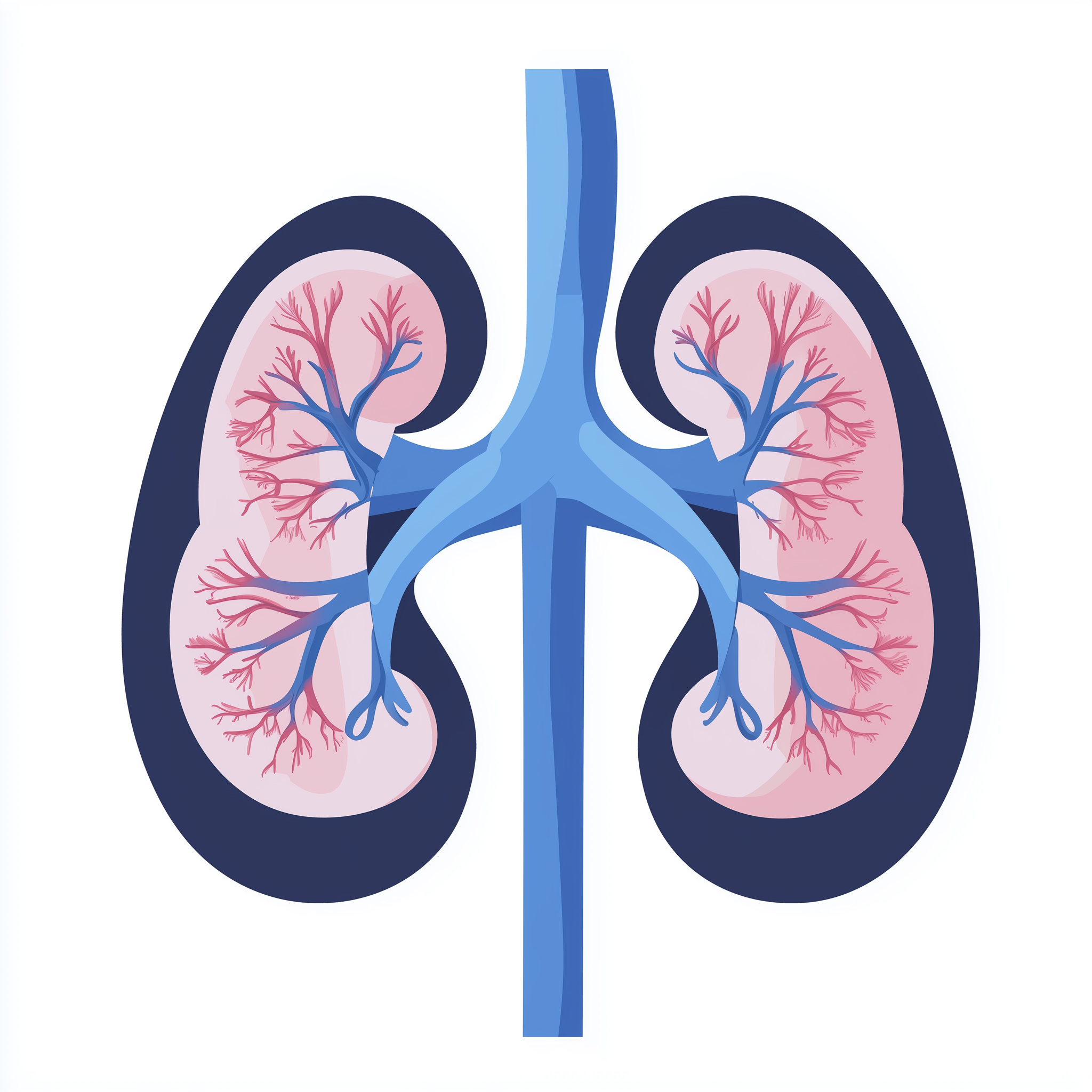
Affected organs
The primary organs affected by ADPKD are the kidneys. Over time, numerous fluid-filled cysts develop and grow within both kidneys, leading to their significant enlargement and the gradual destruction of normal kidney tissue. This progressive cyst growth impairs the kidneys' ability to filter waste products from the blood, eventually leading to chronic kidney disease and, for many, end-stage kidney failure.
Beyond the kidneys, ADPKD can also affect other organs. The liver is a frequently affected organ, with many individuals developing liver cysts. These typically cause few problems, though in some cases, they can become numerous and large enough to cause discomfort or, rarely, impaired liver function. Cysts can also form in the pancreas and seminal vesicles. A more serious, though less common, complication involves blood vessels in the brain, where intracranial aneurysms may develop, posing a risk of rupture.

Risks & severity
ADPKD presents with a broad spectrum of severity. While some individuals may experience only mild symptoms and maintain relatively good kidney function well into old age, others face a more aggressive disease course, leading to kidney failure earlier in life. The average age at which kidney failure occurs is typically around 50-60 years, but this can vary considerably. Genetic factors, particularly the specific gene involved and the type of variant, can influence disease progression.
Lifetime risks associated with ADPKD include developing end-stage kidney disease (ESKD), which necessitates dialysis or kidney transplantation. Approximately 50% of individuals with ADPKD will require renal replacement therapy by the age of 60 [PMID:31464295]. Other significant risks include chronic pain, recurrent urinary tract infections, and high blood pressure, which can further accelerate kidney damage. The risk of intracranial aneurysms is also higher in individuals with ADPKD compared to the general population, though these are relatively uncommon.
Genetic causes
Autosomal dominant polycystic kidney disease is primarily caused by pathogenic variants in one of two genes: *PKD1* or *PKD2*. The vast majority of ADPKD cases (around 85%) are linked to variants in the *PKD1* gene, while a smaller proportion (around 15%) are due to variants in the *PKD2* gene [PMID:28793444]. In a small number of cases, the genetic cause remains unidentified, or it may be due to other rare genetic factors.
The *PKD1* gene provides instructions for making polycystin-1, a large protein located in the cell membrane, particularly in kidney tubule cells. Polycystin-1 is thought to play a crucial role in cell-to-cell communication, cell growth, and differentiation, acting as a sensor of fluid flow in the kidney tubules. When *PKD1* contains a pathogenic variant, the polycystin-1 protein may be non-functional or absent, disrupting these cellular processes and contributing to the uncontrolled growth of cysts.
The *PKD2* gene produces polycystin-2, which often works together with polycystin-1. Polycystin-2 functions as an ion channel, allowing the passage of calcium ions into and out of cells. This calcium signalling is vital for regulating many cellular activities, including cell proliferation and fluid transport. Pathogenic variants in *PKD2* disrupt the normal function of polycystin-2, similarly leading to abnormal cell growth and the formation of cysts.
- PKD1 polycystin 1, transient receptor potential channel interactingThe *PKD1* gene provides instructions for making polycystin-1, a protein crucial for normal kidney development and function, with pathogenic variants causing Autosomal Dominant Polycystic Kidney Disease.
- PKD2 polycystin 2, transient receptor potential cation channelThe PKD2 gene provides instructions for making polycystin-2, a protein vital for kidney development and function, particularly through its role as an ion channel.
Inheritance pattern
Autosomal dominant polycystic kidney disease follows an autosomal dominant inheritance pattern. This means that a person only needs to inherit one copy of an altered gene (*PKD1* or *PKD2*) from one parent to develop the condition. Each child of an affected individual has a 50% chance of inheriting the pathogenic gene variant and therefore developing ADPKD.
ADPKD can also occur in individuals with no family history of the condition. In these cases, the pathogenic variant arises spontaneously for the first time in that individual (a de novo variant). Once such a variant occurs, it can then be passed on to future generations in an autosomal dominant manner. Since ADPKD can have variable severity, some family members might have very mild symptoms that go undiagnosed, making it seem like there is no family history.
Each child has a 50% chance of inheriting the pathogenic variant, regardless of sex.
Subtypes & variants
This page covers Autosomal dominant polycystic kidney disease as a single condition. Several distinct variants and clinical subtypes are recognised in the literature - they share the underlying biology and broad management approach, but differ in severity, age of onset, or causative gene:
- PKD1 (~85% of cases) PKD1 OMIM 173900
PKD1 accounts for roughly 85 per cent of ADPKD. Earlier onset of cyst burden, faster decline in kidney function, and typical kidney failure between ages 50 and 60.
- PKD2 (~15% of cases) PKD2 OMIM 613095
PKD2 accounts for roughly 15 per cent of ADPKD. Slower disease progression, lower cyst burden, and typical kidney failure delayed to ages 60 to 70 or later.
Diagnosis & testing
Diagnosing ADPKD typically involves a combination of clinical evaluation, family history assessment, and imaging studies. Ultrasound is often the initial imaging method used to identify and count kidney cysts, particularly in individuals with a family history of ADPKD or suggestive symptoms. MRI or CT scans may also be used for more detailed imaging of the kidneys and other organs.
Genetic testing is available to confirm a diagnosis of ADPKD, especially when imaging results are inconclusive, in individuals with no clear family history, or in younger patients where early diagnosis is important for management. Genetic testing for ADPKD is part of the NHS Genomic Medicine Service (GMS) and is typically requested by a clinical geneticist or a renal specialist. The relevant NHS R-codes, such as R189 for ADPKD genetic testing, guide this process. Genetic counselling is an integral part of this diagnostic pathway, providing information about inheritance, risks, and implications for family members.
Management & lifestyle
The management of ADPKD focuses on slowing the progression of kidney disease, managing symptoms, and addressing complications. There is currently no cure for ADPKD, but various treatments and lifestyle adjustments can help improve outcomes. Regular monitoring of kidney function, blood pressure, and cyst growth is a key component of care.
High blood pressure is a common early manifestation and a significant driver of kidney damage in ADPKD, so its effective control is crucial. Medications to manage blood pressure are often prescribed. Lifestyle modifications, such as a low-salt diet, adequate hydration, and regular exercise, are generally recommended to support kidney health. Pain caused by cysts can be managed with appropriate analgesics.
For individuals with rapidly progressing disease, a specific medication called tolvaptan may be prescribed under specialist guidance to slow the rate of kidney function decline. As kidney disease progresses, patients are managed by renal specialists. If end-stage kidney failure develops, treatment options include dialysis or kidney transplantation. The NHS offers comprehensive care for ADPKD through its renal and genetic medicine services, with access to specialist clinics and genetic counsellors for ongoing support and information.
UK care pathway
In the UK, the care pathway for individuals with ADPKD is primarily delivered through the NHS Genomic Medicine Service (GMS). If ADPKD is suspected, individuals are typically referred to a renal specialist or a clinical genetics service. These specialists can arrange for diagnostic imaging, such as kidney ultrasound, and discuss the appropriateness of genetic testing. Genetic testing for ADPKD is covered by specific NHS R-codes (e.g., R189) and helps confirm the diagnosis and inform family planning.
Patients and their families have access to genetic counsellors who provide information and support regarding the genetic aspects of ADPKD, inheritance patterns, and the implications for other family members. Management of the condition involves a multidisciplinary team, including nephrologists, pain specialists, and other healthcare professionals as needed, to provide comprehensive care and support.
Frequently asked questions
Is ADPKD always inherited?
Most cases of ADPKD are inherited from a parent who also has the condition. However, in about 5-10% of cases, the condition can result from a new genetic change (a de novo variant) that occurs for the first time in an individual, even if neither parent has ADPKD. Once a de novo variant occurs, it can then be passed on to future generations.
Can children get ADPKD?
Yes, ADPKD is a genetic condition present from birth. While symptoms typically develop in adulthood, cysts can be present in childhood, and in some cases, symptoms may appear earlier. Diagnosis in children is carefully considered, often based on family history and imaging findings, and genetic testing can provide confirmation.
What is the typical outlook for someone with ADPKD?
The outlook for individuals with ADPKD varies widely. Many people live full lives, with some experiencing mild symptoms and preserving kidney function into old age. However, about half of all individuals with ADPKD will develop end-stage kidney failure by age 60, requiring dialysis or a kidney transplant. Regular medical care and management of symptoms can help improve the long-term outlook.
Are there other organs affected by ADPKD?
Yes, although the kidneys are most severely affected, ADPKD can also lead to cysts in other organs, most commonly the liver. These liver cysts usually don't cause significant problems, but can sometimes lead to discomfort. Less commonly, cysts can form in the pancreas and seminal vesicles. There is also an increased risk of developing brain aneurysms in some individuals.
Is there a cure for ADPKD?
Currently, there is no cure for ADPKD. However, treatments are available to manage symptoms, slow the progression of kidney disease, and address complications. These include medications to control blood pressure, specific therapies like tolvaptan for some patients, and ultimately dialysis or kidney transplantation if end-stage kidney failure develops. Ongoing research aims to develop new treatments.
References
- Torres VE, Harris PC, Pirson Y. Autosomal dominant polycystic kidney disease. Lancet (London, England). 2007. PMID: 17434405
- Uko CG. Recognizing and treating autosomal dominant polycystic kidney disease. The Nurse practitioner. 2020. PMID: 33093396
- Zieneldien T. The autosomal road. Journal of nephrology. 2026. PMID: 42640558
- Irazabal MV, Torres VE. Total Kidney Volume and Autosomal Dominant Polycystic Kidney Disease: A Long-Standing Relationship. American journal of nephrology. 2018. PMID: 30071513
- Giuffrè M, Budel M, Martingano P. Incisional hernia by liver cysts. Clinical case reports. 2022. PMID: 36381054
- Ponticelli C. Autosomal dominant polycystic kidney disease. Kidney international. 2025. PMID: 40543926
- Lanktree MB, Chapman AB. Autosomal dominant polycystic kidney disease. CMAJ : Canadian Medical Association journal = journal de l'Association medicale canadienne. 2017. PMID: 29133541
- Gulati A, Dahl NK, Hartung EA. Hypomorphic PKD1 Alleles Impact Disease Variability in Autosomal Dominant Polycystic Kidney Disease. Kidney360. 2023. PMID: 36706243