

On this page
Tuberous sclerosis complex
Also known as Tuberous sclerosis (TSC1)
TSC can affect organs including the brain, skin, kidneys, heart, and lungs, leading to a range of symptoms. It is a lifelong condition, typically diagnosed in childhood, and its severity can vary significantly among individuals.
Available at Jeen Health
Clinical tests that include this
Overview
Tuberous sclerosis complex (TSC) is a genetic condition that leads to the development of non-cancerous growths, often referred to as hamartomas, in multiple organs. These growths can affect the brain, kidneys, heart, lungs, skin, and eyes. The impact of TSC varies widely, even within the same family, from mild symptoms that may go unnoticed to severe complications affecting daily life [PMID:33606775].
TSC is considered a rare disease, affecting approximately 1 in 6,000 to 10,000 live births globally. While often diagnosed in infancy or childhood, some individuals with milder forms may not receive a diagnosis until adulthood. Management focuses on monitoring for new growths and treating symptoms as they arise, with a multidisciplinary team approach.
Symptoms & clinical features
The symptoms of Tuberous Sclerosis Complex are highly variable, depending on which organs are affected and the size and location of the growths. Skin features are common and often among the first signs of TSC. These can include hypomelanotic macules (light-coloured patches of skin), facial angiofibromas (reddish bumps on the face), shagreen patches (leathery, raised skin areas), and periungual fibromas (growths around the fingernails or toenails) [PMID:33606775].
Neurological symptoms are also frequently observed. These may include epilepsy, which affects a large proportion of individuals with TSC, and can range from subtle seizures to more severe and difficult-to-control types. Developmental delay, intellectual disability, and autism spectrum disorder are also common in individuals with TSC. Behavioural challenges such as hyperactivity, aggression, and anxiety may also be part of the clinical picture. Kidney involvement can lead to cysts or angiomyolipomas (benign kidney tumours), which may cause pain, bleeding, or affect kidney function in some cases. Heart rhabdomyomas (benign heart tumours) are often present at birth but typically shrink over time.
Video: Genetics 101
Affected organs
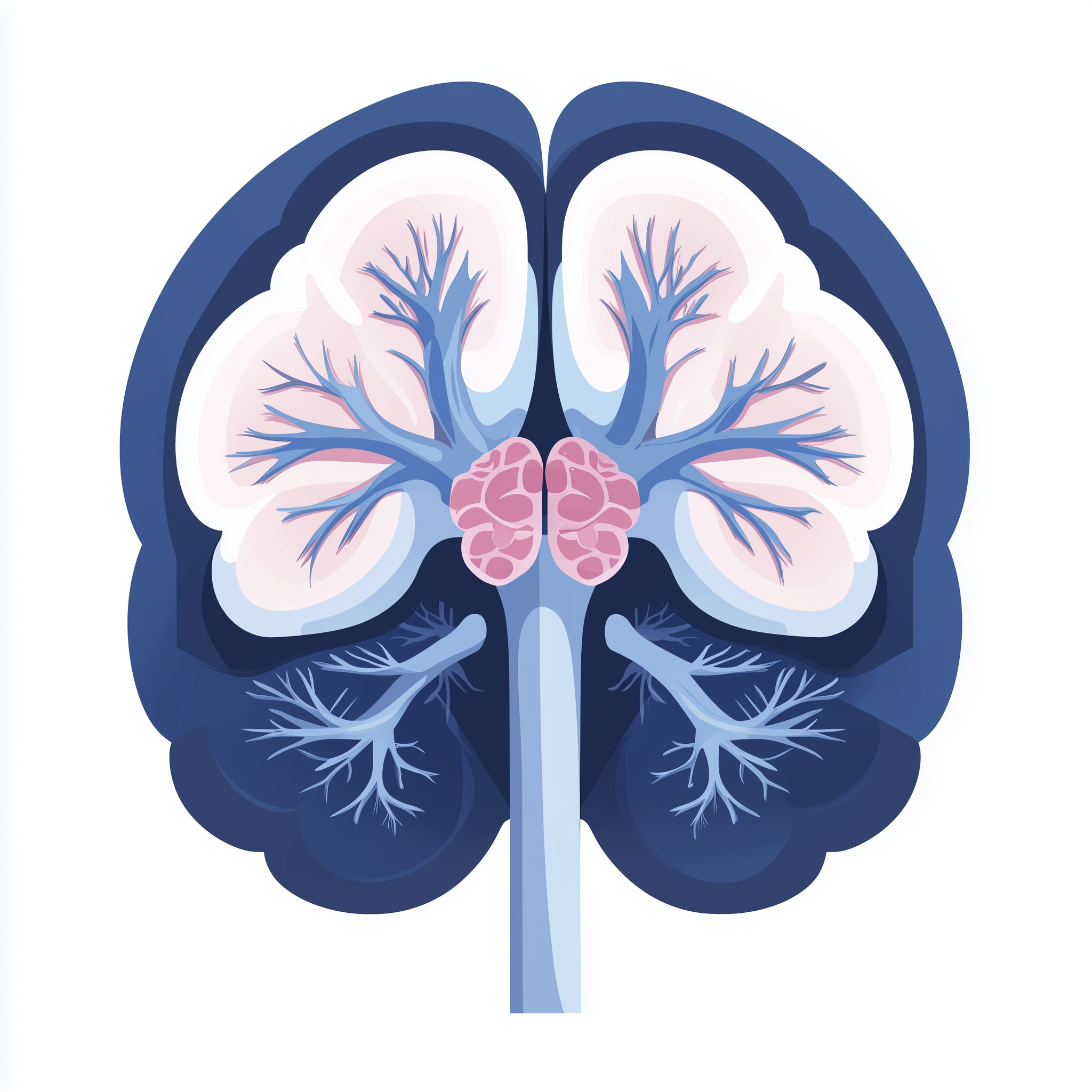
Tuberous sclerosis complex can affect many different parts of the body. The brain is commonly involved, with growths called cortical tubers, subependymal nodules (SENs), and subependymal giant cell astrocytomas (SEGAs). These brain lesions can contribute to seizures, developmental delays, and other neurological issues.
Other frequently affected organs include the kidneys, where angiomyolipomas or cysts can form. The skin typically shows a variety of characteristic lesions. The heart can develop rhabdomyomas, especially in foetuses and infants. The lungs may develop lymphangioleiomyomatosis (LAM), particularly in women, which can affect breathing. Eye involvement, such as retinal hamartomas, is also possible, though it less commonly causes significant vision problems.

Risks & severity
The severity of Tuberous Sclerosis Complex varies significantly between individuals, even within the same family. Some people experience only mild symptoms, such as a few skin lesions, and may live largely unaffected lives, sometimes remaining undiagnosed until adulthood. Others may face significant challenges, including severe epilepsy, intellectual disability, and kidney or lung complications.
Lifetime risks associated with TSC include the development of subependymal giant cell astrocytomas (SEGAs) in the brain, which can grow and block the flow of cerebrospinal fluid, requiring intervention. Kidney angiomyolipomas can sometimes bleed or grow large enough to impair kidney function. The development of lymphangioleiomyomatosis (LAM) in the lungs primarily affects women and can lead to progressive breathing difficulties. Regular monitoring through established clinical guidelines is crucial for early detection and management of potential complications [PMID:24608316]. The onset of symptoms typically occurs in infancy or childhood, though milder manifestations may appear later.
Genetic causes
Tuberous sclerosis complex is caused by pathogenic variants in either the TSC1 gene or the TSC2 gene. These genes provide instructions for making proteins that work together to control cell growth and size. The TSC1 gene produces a protein called hamartin, and the TSC2 gene produces a protein called tuberin [PMID:24608316].
Normally, hamartin and tuberin form a complex that acts as a tumour suppressor. This complex helps to regulate a signalling pathway within cells called mTOR (mammalian target of rapamycin). The mTOR pathway plays a critical role in controlling cell growth, proliferation, and survival. Pathogenic changes in either TSC1 or TSC2 disrupt this regulatory mechanism, leading to uncontrolled cell growth and the formation of the benign tumours characteristic of TSC [PMID:33606775]. Variants in TSC2 generally lead to a more severe clinical presentation than those in TSC1, although there is considerable overlap in symptoms.
- TSC1 TSC complex subunit 1The TSC1 gene provides instructions for producing hamartin, a protein that plays a vital role in regulating cell growth, proliferation, and size.
- TSC2 TSC complex subunit 2TSC2 encodes tuberin, a tumour suppressor protein that regulates cell growth and division, with pathogenic variants causing tuberous sclerosis complex and related disorders.
Inheritance pattern
Tuberous Sclerosis Complex is inherited in an autosomal dominant pattern. This means that a person only needs one copy of the altered gene (either TSC1 or TSC2) in each cell to develop the condition. If a parent has TSC, there is a 50% chance that each of their children will also inherit the condition, regardless of the child's sex.
However, about two-thirds of TSC cases arise from new (de novo) genetic changes, meaning the pathogenic variant occurred for the first time in the affected individual and was not inherited from either parent. In these cases, the parents do not carry the gene alteration themselves. Genetic counselling is important for families affected by TSC to understand the inheritance patterns and risks to future offspring.
Each child has a 50% chance of inheriting the pathogenic variant, regardless of sex.
Subtypes & variants
This page covers Tuberous sclerosis complex as a single condition. Several distinct variants and clinical subtypes are recognised in the literature - they share the underlying biology and broad management approach, but differ in severity, age of onset, or causative gene:
- TSC1-related TSC1 OMIM 191100
TSC1-related tuberous sclerosis is generally milder than TSC2-related disease - fewer cortical tubers, lower seizure burden, less intellectual disability. Both genes converge on mTOR pathway dysregulation; treatment principles are the same.
Diagnosis & testing
A diagnosis of Tuberous Sclerosis Complex is typically made based on specific clinical criteria, which involve identifying a combination of major and minor features of the condition. These criteria include characteristic skin lesions, brain lesions (such as cortical tubers), kidney angiomyolipomas, and cardiac rhabdomyomas. In some cases, a diagnosis can be confirmed through genetic testing.
Genetic testing for TSC involves analysing the TSC1 and TSC2 genes to identify pathogenic variants. This testing is available through the NHS Genomic Medicine Service and is often performed following a referral from a specialist, such as a paediatrician, neurologist, or clinical geneticist. The relevant NHS National Genomic Test Directory R-codes (e.g., R156 Tuberous sclerosis complex) can be used to guide testing. Genetic testing can be particularly helpful when clinical features are atypical or when there is a need to confirm a diagnosis for family planning purposes.
Management & lifestyle
Management for Tuberous Sclerosis Complex is multidisciplinary and focuses on surveillance, symptom control, and early intervention to manage complications. Regular monitoring is essential and typically includes periodic brain imaging (MRI), kidney imaging (ultrasound or MRI), and neurological assessments to detect new growths or changes in existing ones. For individuals with LAM, lung function tests and CT scans may be performed.
Medications are available to manage specific symptoms, such as anti-epileptic drugs for seizures. mTOR inhibitors, such as everolimus, are also used to treat specific manifestations of TSC, including SEGAs, kidney angiomyolipomas, and facial angiofibromas, as they target the underlying cellular pathway affected in TSC. Risk-reducing interventions may include surgical removal of tumours if they become problematic or blockages occur. Individuals are generally supported within the NHS through specialist clinics, often coordinated by a neurologist, paediatrician, or clinical geneticist, with access to genetic counsellors to discuss the condition and its implications.
UK care pathway
In the UK, individuals suspected of having Tuberous Sclerosis Complex are typically referred to a specialist, such as a paediatrician, neurologist, or clinical geneticist, who can coordinate their care. The NHS Genomic Medicine Service plays a key role in confirming diagnoses through genetic testing, utilising specific R-codes from the National Genomic Test Directory. This ensures access to appropriate diagnostic pathways.
Once a diagnosis is established, patients are often managed within specialist TSC clinics or through a network of healthcare professionals who collaborate to provide comprehensive care. Genetic counsellors are an integral part of this pathway, offering information and support to individuals and families regarding the genetic aspects of TSC, inheritance patterns, and reproductive options.
Frequently asked questions
What is the life expectancy for someone with Tuberous Sclerosis Complex?
Life expectancy for individuals with TSC has improved significantly with better management and surveillance. It largely depends on the severity of the condition and the development of complications, particularly those affecting the brain, kidneys, or lungs. Many individuals with milder forms have a typical life expectancy, while those with severe complications may have a reduced life expectancy.
Can Tuberous Sclerosis Complex be prevented?
Tuberous Sclerosis Complex is a genetic condition caused by changes in the TSC1 or TSC2 genes, so it cannot be prevented. However, for families with a known history of TSC, genetic counselling can provide information about inheritance risks and options for family planning, such as prenatal or preimplantation genetic testing.
Are the tumours in Tuberous Sclerosis Complex cancerous?
The growths associated with Tuberous Sclerosis Complex are typically benign (non-cancerous) hamartomas. While they are not cancerous, they can still cause significant health problems depending on their size and location, sometimes requiring medical or surgical intervention. In rare cases, some specific lesions, like renal angiomyolipomas, may have a very small risk of malignant transformation.
How often do I need check-ups if I have TSC?
The frequency of check-ups and monitoring tests for TSC is tailored to each individual, based on their specific symptoms, age, and organ involvement. Generally, regular surveillance is recommended, which may include annual clinical reviews, periodic brain imaging, kidney imaging, and other specialist assessments as advised by your healthcare team to monitor for potential complications.
Is there a cure for Tuberous Sclerosis Complex?
Currently, there is no cure for Tuberous Sclerosis Complex. However, significant progress has been made in managing the condition, with treatments available to control symptoms and address specific manifestations, such as seizures and the growth of certain tumours. Research into new therapies is ongoing.
References
- DiMario FJ Jr, Sahin M, Ebrahimi-Fakhari D. Tuberous sclerosis complex. Pediatric clinics of North America. 2015. PMID: 26022167
- Peron A, Northrup H. Tuberous sclerosis complex. American journal of medical genetics. Part C, Seminars in medical genetics. 2018. PMID: 30325570
- Harris TE, Lawrence JC Jr. TOR signaling. Science's STKE : signal transduction knowledge environment. 2003. PMID: 14668532
- Vázquez-Lavista LG, Ramírez-Muciño JA, López-Almanza PX. Tuberous Sclerosis Complex. Urology. 2022. PMID: 34752847
- Carmona JM, Moyano EG, de Castro Almeida AR. Tuberous sclerosis complex. Cleveland Clinic journal of medicine. 2021. PMID: 34210708
- Sparagana SP, Roach ES. Tuberous sclerosis complex. Current opinion in neurology. 2000. PMID: 10987566
- Marcinkowska AB, Tarasewicz A, Jóźwiak S. Tuberous sclerosis complex-associated neuropsychiatric disorders. Psychiatria polska. 2022. PMID: 36370437
- Zhang LW, Chen T. Tuberous Sclerosis Complex. Journal of cutaneous medicine and surgery. 2023. PMID: 37195068