

On this page
Tuberous sclerosis (TSC2)
This multisystem disorder typically affects the brain, skin, kidneys, heart, and lungs. Clinical features vary widely between individuals, ranging from mild skin changes to significant neurological complications including epilepsy and developmental concerns. TSC2-related tuberous sclerosis generally presents with more severe features than TSC1-related disease.
Available at Jeen Health
Clinical tests that include this
Overview
Tuberous sclerosis complex is a rare neurocutaneous disorder that can affect multiple body systems. Pathogenic variants in TSC2 account for roughly 70% of genetically confirmed cases, with the remainder primarily caused by changes in the related TSC1 gene. The condition follows an autosomal dominant inheritance pattern, though many cases arise from de novo (new) variants rather than being inherited from a parent.
The hallmark of tuberous sclerosis is the development of hamartomas - benign growths composed of an abnormal mixture of cells and tissues - in various organs throughout the body. These growths can interfere with normal organ function depending on their size, number, and location. The clinical presentation varies considerably, even among family members carrying the same genetic variant. Some individuals experience severe complications from early childhood, whilst others have such mild features that the condition remains unrecognised until adulthood or is identified only through family screening.
TSC2-related disease tends to be associated with more significant neurological involvement and earlier onset of symptoms compared to TSC1-related tuberous sclerosis. This distinction has implications for surveillance protocols and clinical management, though considerable overlap exists between the two genetic subtypes.
Symptoms & clinical features
Neurological features represent the most common and often most significant manifestations of tuberous sclerosis. Most affected individuals develop epilepsy, frequently beginning in infancy as infantile spasms - a specific seizure type requiring prompt recognition and treatment. Cortical tubers (areas of abnormal brain tissue development) and subependymal nodules (small growths along brain ventricles) are characteristic brain abnormalities visible on neuroimaging. Some individuals develop subependymal giant cell astrocytomas (SEGAs), benign brain tumours that can obstruct cerebrospinal fluid flow and require intervention.
Dermatological signs often provide the first clinical clue to the diagnosis. Hypomelanotic macules (ash-leaf spots) - pale patches of skin - may be present from birth and become more apparent under ultraviolet light examination. Facial angiofibromas, previously called adenoma sebaceum, typically emerge during childhood as small reddish bumps across the nose and cheeks. Shagreen patches (thickened, dimpled skin areas) and ungual fibromas (growths around fingernails and toenails) develop later in life. Renal manifestations include angiomyolipomas - benign fatty tumours that can cause bleeding if they grow large - and renal cysts. Cardiac rhabdomyomas are benign heart tumours often detected on prenatal scans, though these typically regress spontaneously during infancy. In females, pulmonary lymphangioleiomyomatosis may develop during reproductive years, causing progressive breathing difficulties.
Video: Genetics 101
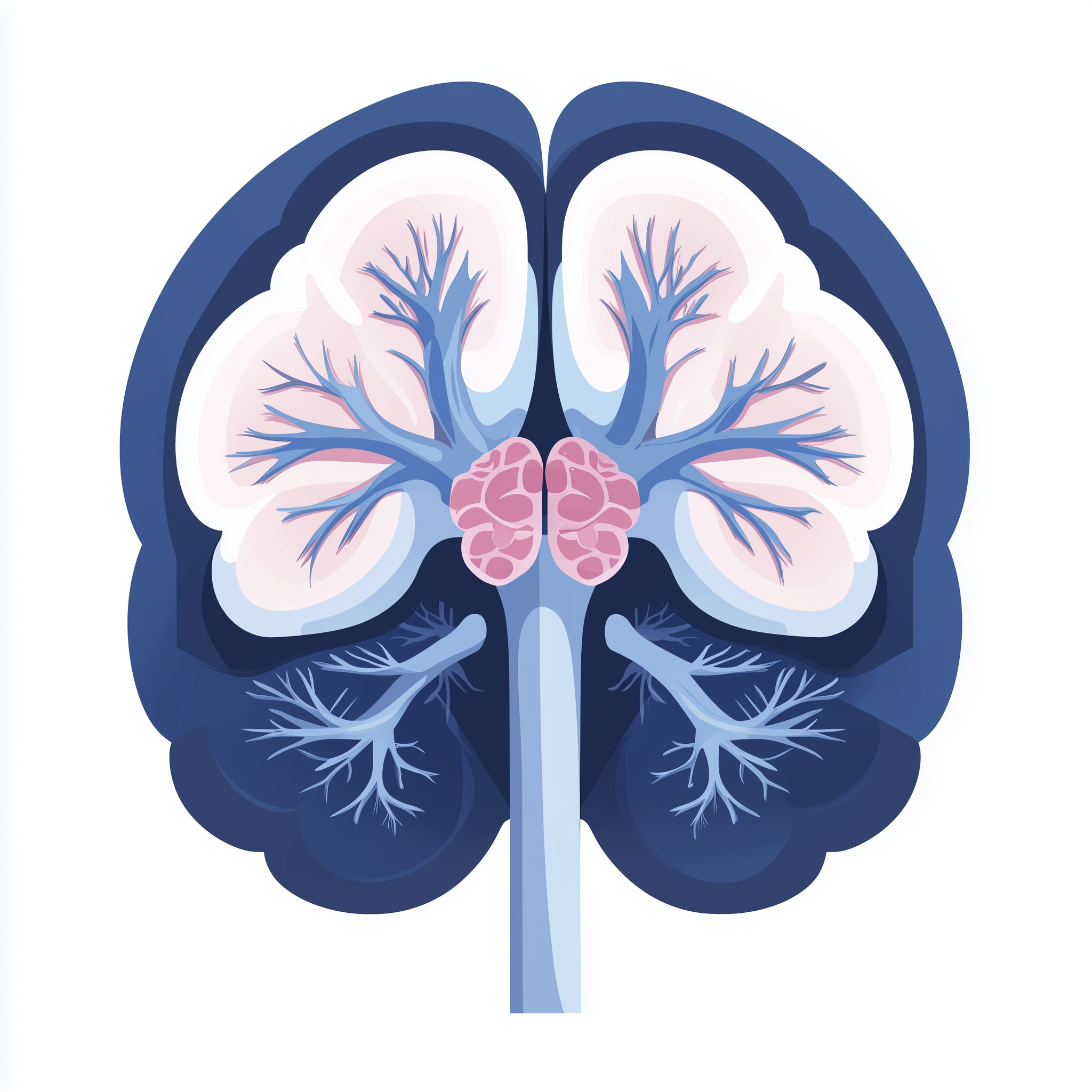
Affected organs
The brain experiences the most clinically significant impact, with structural abnormalities affecting neurological function, cognition, and behaviour. Many individuals with tuberous sclerosis have intellectual disability of varying severity, ranging from mild learning difficulties to profound impairment. Autism spectrum disorder and attention deficit hyperactivity disorder occur at higher rates than in the general population. The specific location and extent of cortical tubers influence the neurological phenotype, though this relationship is not entirely predictable.
Kidney involvement is common in tuberous sclerosis, primarily through angiomyolipomas and polycystic kidney disease. Regular monitoring is essential as these can impair kidney function or cause life-threatening haemorrhage. Skin involvement is nearly universal, though cosmetic impact varies. Cardiac rhabdomyomas, whilst common in infants, rarely cause long-term cardiac problems. Lung disease through lymphangioleiomyomatosis affects some females and can progress to respiratory failure. Eyes may develop retinal hamartomas, usually causing no visual impairment. The multisystem nature of tuberous sclerosis necessitates coordinated care across multiple specialties.

Risks & severity
Clinical severity exists along a broad spectrum. Some individuals have only minor skin manifestations and live without significant medical complications, whilst others experience severe epilepsy, profound developmental delay, and life-threatening organ complications. TSC2 pathogenic variants are generally associated with more severe phenotypes than TSC1 variants, including higher rates of intellectual disability, earlier seizure onset, and greater tumour burden.
Lifetime risks for specific complications vary by organ system. SEGAs develop in a minority of individuals, typically during the first two decades of life. Renal angiomyolipomas affect the majority of adults with tuberous sclerosis and carry bleeding risk when they become large. Pulmonary lymphangioleiomyomatosis occurs almost exclusively in females, and some adult women with tuberous sclerosis develop lung involvement. Life expectancy can be normal for individuals with mild disease, though severe neurological complications, renal failure, or complications from SEGAs or lymphangioleiomyomatosis can reduce lifespan. Regular surveillance enables early detection and management of emerging complications, substantially improving outcomes.
Genetic causes
On chromosome 16, the TSC2 locus produces tuberin, which forms a functional partnership with hamartin to constrain cellular expansion. These two proteins together act as brakes on the mTOR (mechanistic target of rapamycin) signalling pathway - a system that normally governs how quickly cells synthesise proteins, how large they grow, and when they divide.
When TSC2 harbours pathogenic alterations, tuberin cannot adequately suppress mTOR signalling. Cells lose this crucial restraint mechanism and begin receiving excessive growth signals. Without appropriate checks on proliferation, tissues expand abnormally and cells enlarge beyond their typical dimensions. This unchecked activity produces the characteristic benign overgrowths that appear across multiple organ systems in tuberous sclerosis. Various types of genetic changes - including those that truncate the protein prematurely, those that shift the reading frame, and large chromosomal deletions - have been documented throughout TSC2, with no single alteration predominating.
- TSC2 TSC complex subunit 2TSC2 encodes tuberin, a tumour suppressor protein that regulates cell growth and division, with pathogenic variants causing tuberous sclerosis complex and related disorders.
Inheritance pattern
Tuberous sclerosis follows autosomal dominant inheritance, meaning a single pathogenic variant in one copy of TSC2 is sufficient to cause the condition. Each child of an affected parent has a 50% chance of inheriting the familial variant. However, the majority of tuberous sclerosis cases result from de novo variants occurring for the first time in the affected individual, with neither parent carrying the change.
When tuberous sclerosis appears to arise de novo, there remains a small possibility of germline mosaicism - where one parent carries the variant in some of their egg or sperm cells but not in their body cells. This can result in a recurrence risk slightly higher than the general population for future pregnancies, though still relatively low. Individuals with tuberous sclerosis can pass the condition to their children with the 50% probability characteristic of autosomal dominant inheritance. Genetic counselling helps families understand these inheritance patterns, assess recurrence risks, and discuss reproductive options including prenatal diagnosis or preimplantation genetic testing where appropriate.
Each child has a 50% chance of inheriting the pathogenic variant, regardless of sex.
Diagnosis & testing
Diagnosis of tuberous sclerosis relies on clinical criteria established by international consensus, incorporating both major and minor features across multiple organ systems. Genetic testing confirming a pathogenic variant in TSC2 establishes the diagnosis definitively, though clinical criteria alone may suffice when genetic testing is uninformative or unavailable. Some individuals meeting clinical diagnostic criteria do not have an identifiable variant in TSC1 or TSC2 with current testing methods, possibly due to mosaicism or variants in regulatory regions not routinely analysed.
Within the NHS, suspected tuberous sclerosis typically prompts referral to clinical genetics services. Molecular genetic testing is available through the NHS Genomic Medicine Service, with TSC1 and TSC2 included on PanelApp panels for relevant phenotypes (R134 for tuberous sclerosis). Cascade testing of relatives becomes important once a familial variant is identified. Prenatal diagnosis is technically possible for pregnancies at 50% risk when the familial variant is known, though cardiac rhabdomyomas detected on routine antenatal ultrasound may raise suspicion before genetic testing occurs. Comprehensive baseline evaluation upon diagnosis includes brain MRI, echocardiography, renal imaging, developmental assessment, and ophthalmological examination to characterise disease extent and guide surveillance.
Management & lifestyle
Management focuses on surveillance for complications and timely intervention when problems arise. Neurological care addresses epilepsy through antiepileptic medications, with vigabatrin showing particular efficacy for infantile spasms in tuberous sclerosis. Neurosurgical evaluation may be warranted for medically refractory seizures or growing SEGAs. Educational support and behavioural interventions address developmental and psychiatric manifestations. Regular brain MRI surveillance, typically annually during childhood, monitors for SEGA development.
Renal imaging through ultrasound or MRI occurs at intervals determined by disease burden, watching for angiomyolipoma growth. Embolisation or surgical resection may be necessary for large or bleeding lesions. mTOR inhibitors (everolimus or sirolimus) have transformed care by treating multiple manifestations simultaneously - these medications can shrink SEGAs and renal angiomyolipomas, improve some seizure types, and reduce skin lesions. Dermatological treatments address cosmetic concerns from facial angiofibromas. Cardiac monitoring is intensive during infancy when rhabdomyomas are largest, then typically discontinues if no complications arise. Pulmonary function testing screens females for lymphangioleiomyomatosis from adolescence onwards. Comprehensive care coordinated through specialist tuberous sclerosis clinics, available at several UK centres, optimises outcomes through multidisciplinary expertise.
UK care pathway
The NHS Genomic Medicine Service provides access to genetic testing for tuberous sclerosis through standardised pathways. Referral to clinical genetics typically follows recognition of characteristic clinical features or family history. The NHS England National Genomic Test Directory includes tuberous sclerosis under test code R134, enabling molecular confirmation through TSC1 and TSC2 sequencing and deletion/duplication analysis.
Once diagnosed, individuals access specialist surveillance and management through designated tuberous sclerosis clinics operating within NHS tertiary centres. These multidisciplinary clinics coordinate neurological, nephrological, dermatological, and other specialty input according to evidence-based guidelines. Genetic counselling services help families understand inheritance, recurrence risks, and testing options for relatives. Voluntary organisations provide additional support, information, and connection with other affected families. Care pathways emphasise early detection of complications through regular surveillance, enabling proactive intervention and optimising quality of life across the lifespan.
Frequently asked questions
If my child has tuberous sclerosis from a new genetic change, what is the chance it could happen again in another pregnancy?
When tuberous sclerosis results from a de novo variant, the recurrence risk for future pregnancies is generally low, slightly above the general population risk due to the possibility of germline mosaicism. Genetic counselling can provide personalised risk assessment and discuss testing options.
Will everyone with TSC2 variants develop the same symptoms?
No - clinical features vary considerably even among family members sharing the same variant. Some individuals have mild skin changes and normal development, whilst others experience severe epilepsy or intellectual disability. TSC2 variants generally associate with more significant features than TSC1 variants, but outcomes remain unpredictable for any individual.
How often will my child need scans and check-ups?
Surveillance frequency depends on age and findings. Brain imaging typically occurs annually during childhood to monitor for tumour development, whilst kidney imaging intervals vary based on existing angiomyolipoma burden. Specialist tuberous sclerosis clinics coordinate comprehensive monitoring across all potentially affected systems according to established protocols.
Can tuberous sclerosis be treated, or only the symptoms managed?
Whilst no cure exists, mTOR inhibitor medications can directly target the underlying cellular pathway disrupted in tuberous sclerosis, shrinking some tumours and improving certain symptoms. Combined with surveillance, seizure management, educational support, and intervention for specific complications, modern care substantially improves outcomes and quality of life for many affected individuals.
Why do TSC2 variants tend to cause more severe disease than TSC1 variants?
Research suggests TSC2 variants may more profoundly disrupt the tuberin-hamartin protein complex function, though the precise biological mechanisms remain under investigation. In practice, TSC2-related disease often involves earlier seizure onset, greater intellectual disability rates, and more extensive tumour development, though considerable individual variation exists.
References
- Kútna V, Uttl L, Waltereit R. Tuberous Sclerosis (tsc2+/-) Model Eker Rats Reveals Extensive Neuronal Loss with Microglial Invasion and Vascular Remodeling Related to Brain Neoplasia. Neurotherapeutics : the journal of the American Society for Experimental NeuroTherapeutics. 2020. PMID: 31820275
- Hino O, Kobayashi T, Momose S. Renal carcinogenesis: genotype, phenotype and dramatype. Cancer science. 2003. PMID: 12708488
- Lee JS, Lim BC, Chae JH. Mutational analysis of paediatric patients with tuberous sclerosis complex in Korea: genotype and epilepsy. Epileptic disorders : international epilepsy journal with videotape. 2014. PMID: 25498131
- Kubo Y, Kikuchi Y, Mitani H. Allelic loss at the tuberous sclerosis (Tsc2) gene locus in spontaneous uterine leiomyosarcomas and pituitary adenomas in the Eker rat model. Japanese journal of cancer research : Gann. 1995. PMID: 7591959
- Unachukwu U, Sonett J, Woode D. Tyrosine Kinase Inhibitors Diminish Renal Neoplasms in a Tuberous Sclerosis Model Via Induction of Apoptosis. Molecular cancer therapeutics. 2023. PMID: 37127876
- Altarescu G, Beeri R, Eldar-Geva T. PGD for germline mosaicism. Reproductive biomedicine online. 2012. PMID: 22884613
- Kobayashi T, Nishizawa M, Hirayama Y. cDNA structure, alternative splicing and exon-intron organization of the predisposing tuberous sclerosis (Tsc2) gene of the Eker rat model. Nucleic acids research. 1995. PMID: 7651821
- Urakami S, Tokuzen R, Tsuda H. Somatic mutation of the tuberous sclerosis (Tsc2) tumor suppressor gene in chemically induced rat renal carcinoma cell. The Journal of urology. 1997. PMID: 9186374