

On this page
Cystinuria
This inherited disorder affects the transport of certain amino acids in the kidneys, leading to their accumulation and the formation of stones in the urinary tract. It can affect individuals from infancy into adulthood and usually requires lifelong management.
Available at Jeen Health
Clinical tests that include this
Overview
Cystinuria is an inherited metabolic disorder that primarily affects the kidneys and urinary tract. It occurs when there is a problem with the reabsorption of certain amino acids, including cystine, from the filtered fluid back into the bloodstream [PMID:31548689]. Instead, these amino acids remain in high concentrations in the urine. Cystine is not very soluble, so it can crystallise and form hard stones, often called calculi, in the kidneys, ureters, or bladder. These stones can cause significant pain and complications.
This condition is one of the most common causes of inherited kidney stone disease. It typically manifests with recurrent stone formation, which can begin at any age, though symptoms often appear in childhood or early adulthood. The prevalence of cystinuria is estimated to be approximately 1 in 7,000 individuals globally, making it one of the more common single-gene disorders affecting the kidneys [PMID:24765322].
Symptoms & clinical features
The main symptom of cystinuria is the formation of kidney stones. These stones can lead to episodes of severe pain, known as renal colic, typically felt in the back or side, often radiating to the groin. Other symptoms can include blood in the urine (haematuria), frequent urinary tract infections, and a frequent urge to urinate. If a stone blocks the urinary tract, it can cause hydronephrosis, which is swelling of the kidney due to urine build-up, and may lead to kidney damage if not addressed.
While some individuals may experience their first kidney stone in childhood, others might not develop symptoms until adulthood. The frequency and severity of stone formation can vary widely among affected individuals. Some people may have only occasional stones, while others experience recurrent stone formation requiring multiple interventions [PMID:31548689].
Video: Genetics 101
Affected organs
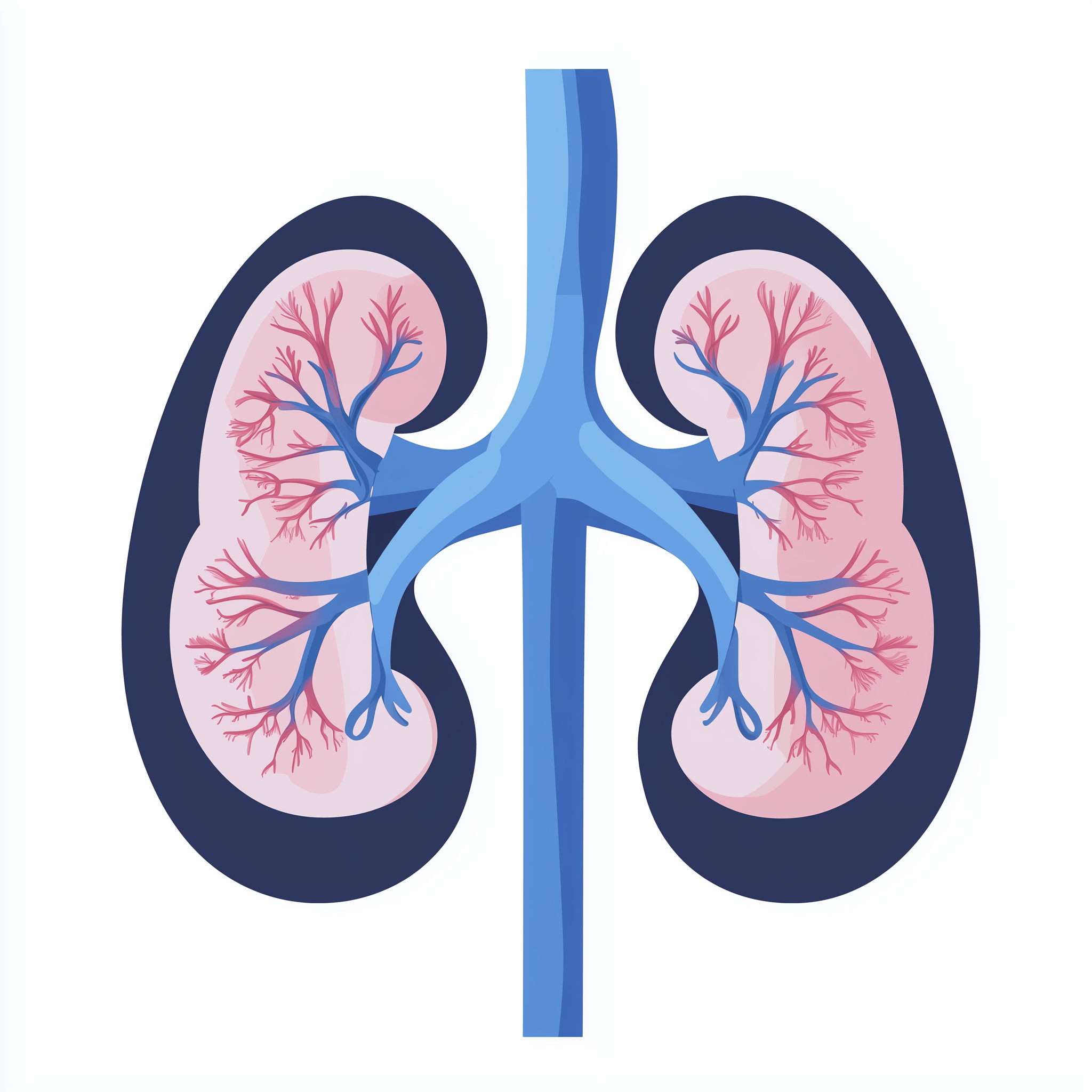
Cystinuria primarily affects the kidneys, ureters, and bladder, which collectively form the urinary tract. The genetic defect specifically impairs a transporter system in the renal tubules, the parts of the kidneys responsible for filtering and reabsorbing substances. This malfunction leads to high concentrations of cystine in the urine.
Over time, recurrent stone formation and episodes of obstruction can potentially impact kidney function. If not managed effectively, frequent stones and infections may contribute to chronic kidney disease in a small number of cases.

Risks & severity
The severity of cystinuria can vary significantly. Some individuals may experience frequent and large stones, leading to severe pain and requiring repeated medical or surgical interventions. Others might have milder forms with infrequent stone episodes. The main risks associated with cystinuria include recurrent renal colic, urinary tract infections, and potential kidney damage due to obstruction or repeated procedures.
There is a lifelong risk of forming cystine stones. The age of onset for symptoms is variable but often begins in childhood or adolescence. Without proper management, the condition can lead to reduced quality of life and, in rare severe cases, progressive kidney damage. However, with appropriate medical supervision and lifestyle adjustments, many individuals with cystinuria can effectively manage their condition.
Genetic causes
Cystinuria is caused by changes (pathogenic variants) in one of two genes: SLC3A1 or SLC7A9. These genes provide instructions for making protein components of a specific amino acid transporter system found in the kidneys and the intestine. This transporter is responsible for reabsorbing cystine and three other related amino acids (ornithine, lysine, and arginine - collectively known as COLA) from the filtered fluid in the kidneys back into the bloodstream.
When there are pathogenic variants in SLC3A1 or SLC7A9, this transporter system does not function correctly. As a result, cystine and the other COLA amino acids are not effectively reabsorbed and remain in high concentrations in the urine. Cystine is particularly problematic because it has low solubility and can crystallise easily, leading to stone formation. Pathogenic variants in SLC3A1 typically cause what is known as Type I cystinuria, while variants in SLC7A9 are often associated with Non-Type I forms.
- SLC3A1 solute carrier family 3 member 1The SLC3A1 gene encodes a subunit of a transporter protein complex primarily found in the kidneys, which is crucial for reabsorbing specific amino acids back into the bloodstream during urine formation.
- SLC7A9 solute carrier family 7 member 9The *SLC7A9* gene provides instructions for a protein subunit essential for reabsorbing specific amino acids in the kidneys, playing a critical role in preventing conditions like Cystinuria.
Inheritance pattern
Cystinuria is inherited in an autosomal recessive pattern. This means that an individual must inherit two copies of a pathogenic variant - one from each parent - to develop the condition. People who have only one copy of a pathogenic variant (referred to as carriers) typically do not develop kidney stones or show symptoms of cystinuria themselves. However, they carry a 50% chance of passing the variant to each of their children.
If two carriers have children together, each child has a 25% chance of inheriting two pathogenic variants and developing cystinuria, a 50% chance of being a carrier like their parents, and a 25% chance of inheriting no pathogenic variants and not being a carrier. Genetic counselling can provide more detailed information for families considering genetic testing or who have a family history of the condition.
When both parents are carriers, each child has a 25% chance of being affected, 50% of being a carrier, and 25% of being unaffected.
Diagnosis & testing
The diagnosis of cystinuria is often suspected based on the presence of recurrent kidney stones, especially if they appear at a young age, or if urine analysis shows typical hexagonal cystine crystals. A definitive diagnosis is usually confirmed by analysing a 24-hour urine collection to measure the amount of cystine excreted. Elevated levels of cystine excretion are indicative of the condition.
Genetic testing for pathogenic variants in SLC3A1 and SLC7A9 can confirm the diagnosis and identify the specific genetic cause. Genetic testing for kidney stone disorders is available through the NHS Genomic Medicine Service, often initiated following a referral from a nephrologist or urologist. The relevant NHS Genomic Medicine Service 'R-code' for recurrent idiopathic urolithiasis is R115, and for genetic metabolic disorders more broadly, it may involve R102.
Management & lifestyle
Managing cystinuria primarily focuses on preventing kidney stone formation and managing any stones that do occur. Medical management typically involves increasing fluid intake to dilute the cystine in the urine, aiming for a urine output of at least 3 litres per day [PMID:24765322]. Dietary modifications, such as reducing sodium and animal protein intake, may also be recommended. In some cases, medications that increase cystine solubility (e.g., potassium citrate to alkalinise the urine) or agents that bind to cystine (e.g., tiopronin or D-penicillamine) may be prescribed.
For existing stones, treatment options are similar to those for other kidney stones and may include lithotripsy (breaking stones with shock waves), ureteroscopy (removing stones with a scope), or percutaneous nephrolithotomy (surgical removal). Individuals with cystinuria are typically managed by a multidisciplinary team, including nephrologists, urologists, and dietitians. Regular follow-up appointments, including imaging and urine tests, are important for monitoring the condition and adjusting treatment as needed.
UK care pathway
In the UK, individuals suspected of having cystinuria would typically be referred to a nephrologist or urologist within the NHS. Genetic testing, if deemed appropriate, would usually be arranged through a clinical genetics service or specialist renal centre, utilising the NHS Genomic Medicine Service testing directory. Genetic counsellors play an important role in explaining the inheritance patterns, implications for family members, and helping individuals navigate their diagnosis and management options.
Frequently asked questions
What is cystine?
Cystine is a naturally occurring amino acid. In cystinuria, the kidneys have trouble reabsorbing cystine, leading to too much of it in the urine, where it can form stones.
Can diet help manage cystinuria?
Yes, dietary changes can be part of the management strategy. This often includes drinking plenty of fluids, and sometimes reducing sodium and animal protein intake, to help prevent stone formation.
Will my children inherit cystinuria?
Cystinuria is inherited in an autosomal recessive pattern. If you have cystinuria, your children will be carriers if their other parent is not a carrier. If both parents are carriers or have cystinuria, there is a risk of their children inheriting two copies of the pathogenic variant and developing the condition. Genetic counselling can provide personalised risk assessment.
Are there medications for cystinuria?
Yes, some medications can help. These include agents to increase the pH of the urine to make cystine more soluble, or specific drugs that chemically bind to cystine to reduce its concentration in the urine.
How often do people with cystinuria get kidney stones?
The frequency of kidney stones in people with cystinuria varies greatly. Some individuals may experience stones regularly, while others might only have a few episodes throughout their lives. Lifelong management aims to minimise stone formation.
References
- Servais A, Thomas K, Dello Strologo L. Cystinuria: clinical practice recommendation. Kidney international. 2021. PMID: 32918941
- Martell HJ, Wong KA, Martin JF. Associating mutations causing cystinuria with disease severity with the aim of providing precision medicine. BMC genomics. 2017. PMID: 28812535
- Adam MP, Bick S, Mirzaa GM. Cystinuria. 1993. PMID: 41264765
- Nozarian Z, Safavi M. Cystinuria. Postgraduate medical journal. 2022. PMID: 33184137
- Gaildrat P, Lebbah S, Tebani A. Clinical and molecular characterization of cystinuria in a French cohort: relevance of assessing large-scale rearrangements and splicing variants. Molecular genetics & genomic medicine. 2017. PMID: 28717662
- Dello Strologo L, Rizzoni G. Cystinuria. Acta paediatrica (Oslo, Norway : 1992). Supplement. 2006. PMID: 16801163
- Mattoo A, Goldfarb DS. Cystinuria. Seminars in nephrology. 2008. PMID: 18359399
- Font-Llitjós M, Jiménez-Vidal M, Bisceglia L. New insights into cystinuria: 40 new mutations, genotype-phenotype correlation, and digenic inheritance causing partial phenotype. Journal of medical genetics. 2005. PMID: 15635077