

On this page
Autosomal recessive renal tubular dysgenesis
This condition primarily affects infants, leading to reduced kidney function and often severe issues with blood pressure regulation. It is caused by changes in genes involved in kidney development and blood pressure control.
Overview
Autosomal recessive renal tubular dysgenesis (particularly the autosomal recessive form, RTRD) is a rare inherited condition that disrupts the normal development of the kidneys' tubules, which are essential for filtering waste and balancing fluids in the body [PMID:33671077]. This developmental problem typically occurs during foetal growth, leading to underdeveloped kidneys that cannot perform their functions adequately. The condition is often severe and can be life-threatening if not managed appropriately from birth.
The condition is characterised by a lack of proper kidney structure, specifically underdeveloped or missing renal tubules. This impairment significantly affects the body's ability to maintain blood pressure and fluid balance. Genetic factors play a crucial role in RTRD, with changes in genes involved in the renin-angiotensin system being a primary cause [PMID:16094592].
Symptoms & clinical features
Newborns with RTRD often show severe symptoms shortly after birth. Key signs typically include low blood pressure (hypotension) and reduced urine output (oliguria) due to the kidneys' inability to filter blood effectively. Poor kidney function can lead to an accumulation of waste products in the body, which needs immediate medical attention.
During pregnancy, signs might include reduced amniotic fluid levels (oligohydramnios) because the foetal kidneys contribute to amniotic fluid production. This can sometimes lead to developmental problems, such as underdeveloped lungs (pulmonary hypoplasia), which can cause serious breathing difficulties for the baby after birth.
Video: Genetics 101
Affected organs
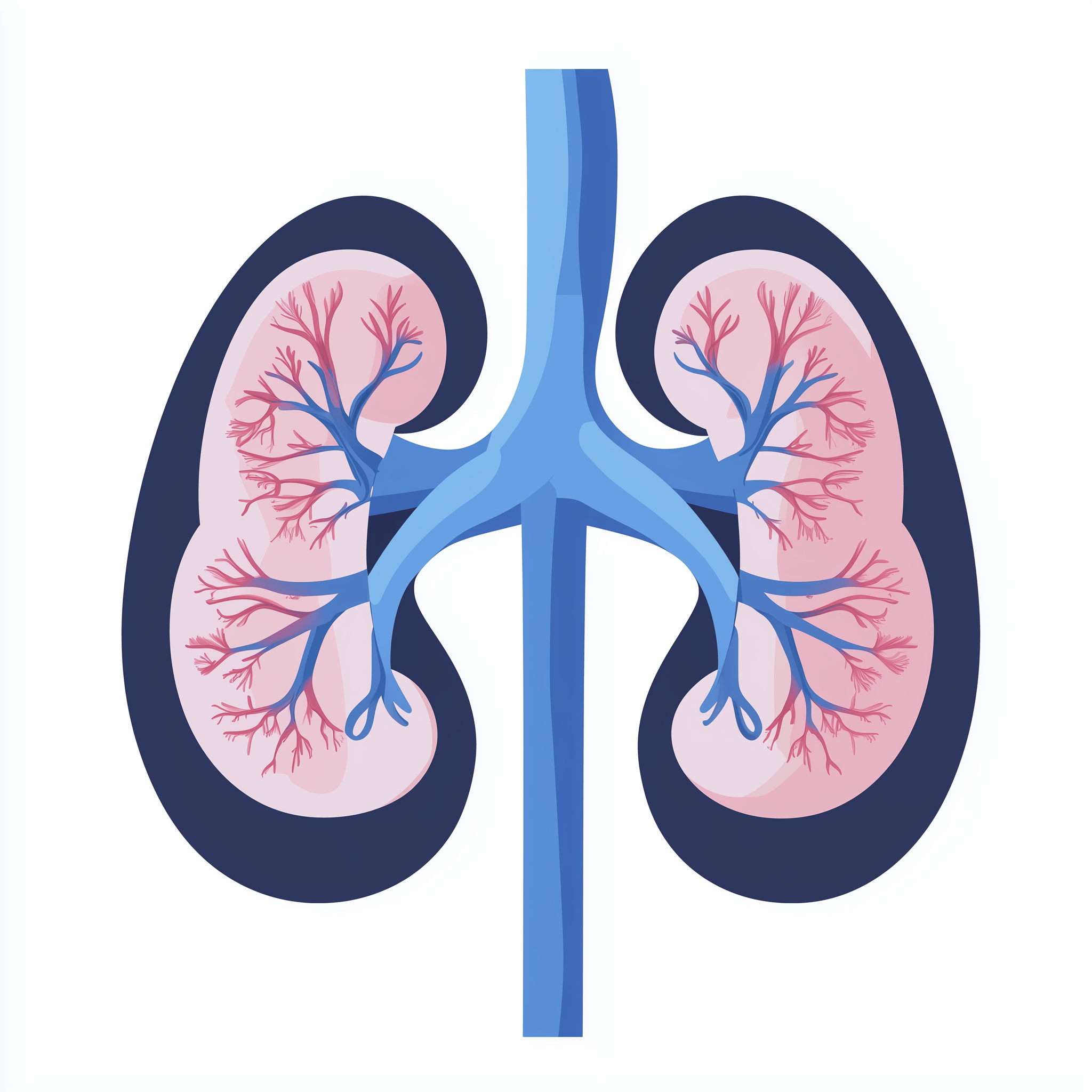
The primary organ affected in RTRD is the kidney. The condition specifically impacts the renal tubules, which are tiny structures within the kidney responsible for reabsorbing water and salts and concentrating urine. Their abnormal development leads to a significant reduction in overall kidney function.
Due to the critical role of the kidneys in regulating blood pressure and fluid balance, other systems can be indirectly affected. For instance, underdeveloped lungs can occur secondary to low amniotic fluid during foetal development. The cardiovascular system is also directly impacted by severe low blood pressure, a hallmark of the condition.

Risks & severity
RTRD is generally a severe condition, often presenting with life-threatening complications in the newborn period [PMID:33671077]. The severity largely depends on the degree of kidney underdevelopment. If kidney function is severely compromised, it can lead to acute kidney failure and imbalances in electrolytes and blood pressure that require urgent intervention.
Individuals born with RTRD have a significant risk of chronic kidney disease and related complications throughout their lives. The exact prevalence of RTRD is not well established due to its rarity, but it is considered a very uncommon disorder. Early diagnosis and intensive medical management are crucial for improving outcomes.
Genetic causes
Autosomal recessive renal tubular dysgenesis is caused by changes (pathogenic variants) in genes that are part of the renin-angiotensin system. This system is a vital hormone network that controls blood pressure and fluid balance in the body, and it plays a critical role in kidney development [PMID:16094592]. The genes most commonly associated with RTRD include ACE, AGT, AGTR1, and REN.
The ACE gene provides instructions for making angiotensin-converting enzyme, which helps produce angiotensin II, a powerful blood vessel constrictor. The AGT gene codes for angiotensinogen, a precursor to angiotensin II. AGTR1 encodes the angiotensin II receptor type 1, through which angiotensin II exerts its effects. Finally, the REN gene provides instructions for renin, an enzyme that initiates the renin-angiotensin system cascade [PMID:24619420]. When any of these genes have pathogenic variants, the renin-angiotensin system can malfunction, leading to impaired kidney tubule development and blood pressure dysregulation.
- ACE angiotensin I converting enzyme
- AGT angiotensinogen
- AGTR1 angiotensin II receptor type 1
- REN renin
Inheritance pattern
RTRD follows an autosomal recessive inheritance pattern. This means that a child will only develop the condition if they inherit one pathogenic variant from each parent. The parents, in this scenario, are typically 'carriers' - they each have one pathogenic variant but do not show symptoms of the condition themselves because their other copy of the gene works correctly.
When both parents are carriers, there is a 25% chance with each pregnancy that their child will inherit two pathogenic variants (one from each parent) and develop RTRD. There is a 50% chance the child will be a carrier like their parents, and a 25% chance the child will inherit no pathogenic variants and will not be affected or a carrier.
When both parents are carriers, each child has a 25% chance of being affected, 50% of being a carrier, and 25% of being unaffected.
Diagnosis & testing
Diagnosis of RTRD often begins with clinical observations in a newborn, such as severe low blood pressure and reduced urine output. Imaging studies, such as kidney ultrasound, can reveal underdeveloped or structurally abnormal kidneys. A definite diagnosis is typically confirmed through genetic testing. Genetic testing involves analysing a blood or saliva sample to look for pathogenic variants in genes like ACE, AGT, AGTR1, and REN. This type of testing can be requested by a paediatrician or clinical geneticist.
Within the NHS Genomic Medicine Service, RTRD may be considered for R-codes such as R189 (Renal tubular disorders) or broader renal panel testing if clinically indicated by a specialist. Referral to a clinical genetics service is essential for accurate diagnosis, genetic counselling, and discussing inheritance patterns for future family planning.
Management & lifestyle
Management of RTRD is supportive and aims to address the severe complications that arise from poor kidney function and low blood pressure. Newborns with RTRD often require immediate and intensive medical care, potentially in a neonatal intensive care unit (NICU). This may include medications to raise blood pressure and ensure adequate fluid balance. Measures to support lung function might also be necessary if pulmonary hypoplasia is present.
Long-term management involves ongoing monitoring of kidney function and blood pressure by a paediatric nephrologist. In severe cases, infants may require kidney replacement therapy, such as dialysis, or, in some situations, a kidney transplant, though this is challenging in very young children. Genetic counsellors can provide valuable support to families, explaining the condition, its inheritance, and discussing family planning options under the NHS Genomic Medicine Service pathway.
UK care pathway
In the UK, individuals with suspected genetic conditions affecting the kidneys, such as RTRD, typically enter the NHS Genomic Medicine Service pathway. Referral to a clinical genetics service is usually initiated by a specialist paediatrician or nephrologist. This team can arrange appropriate genetic testing, often utilising relevant R-codes for renal disorders through NHS Genomic Laboratory Hubs.
Genetic counsellors are an integral part of this pathway, providing detailed information about the condition, its inheritance, and implications for other family members. They also offer support for informed decision-making regarding testing and family planning.
Frequently asked questions
Can RTRD be detected before birth?
Sometimes, signs like low levels of amniotic fluid may be noticed during routine antenatal scans, which can prompt further investigations. However, a definitive diagnosis typically requires genetic testing, often after birth.
What is the life expectancy for someone with RTRD?
RTRD is a severe condition, and the outlook depends heavily on the degree of kidney impairment and the response to medical management. With intensive care and support, some individuals can survive, but it remains a life-threatening disorder particularly in infancy.
Does RTRD affect other sibling children?
Since RTRD is inherited in an autosomal recessive pattern, if both parents are carriers, there is a 25% chance for each child to be affected. Genetic counselling can help families understand these risks and discuss options like prenatal diagnosis for future pregnancies.
Are there any research studies for RTRD?
Due to its rarity, research into RTRD is ongoing but limited. Your clinical genetics team might be aware of any relevant research or clinical trials that could be considered, or patient registries you could participate in to help advance understanding of the condition.
What support is available for families affected by RTRD?
Families can access support through their clinical genetics team, genetic counsellors, and paediatric specialists. Various patient advocacy groups and kidney charities in the UK also offer resources and peer support for families coping with rare kidney conditions.
References
- Tseng MH, Huang SM, Huang JL. Autosomal Recessive Renal Tubular Dysgenesis Caused by a Founder Mutation of Angiotensinogen. Kidney international reports. 2020. PMID: 33163725
- Vincent KM, Alrajhi A, Lazier J. Expanding the clinical spectrum of autosomal-recessive renal tubular dysgenesis: Two siblings with neonatal survival and review of the literature. Molecular genetics & genomic medicine. 2022. PMID: 35286024
- Liu Y, Luo C, Wu X. Autosomal recessive renal tubular dysgenesis: antenatal ultrasound scanning and molecular investigations. Clinical dysmorphology. 2025. PMID: 39641285
- Gribouval O, Morinière V, Pawtowski A. Spectrum of mutations in the renin-angiotensin system genes in autosomal recessive renal tubular dysgenesis. Human mutation. 2012. PMID: 22095942
- Lacoste M, Cai Y, Guicharnaud L. Renal tubular dysgenesis, a not uncommon autosomal recessive disorder leading to oligohydramnios: Role of the Renin-Angiotensin system. Journal of the American Society of Nephrology : JASN. 2006. PMID: 16790508
- Tseng MH, Huang SM, Konrad M. Effect of Hydrocortisone on Angiotensinogen (AGT) Mutation-Causing Autosomal Recessive Renal Tubular Dysgenesis. Cells. 2021. PMID: 33916187
- Gubler MC, Antignac C. Renin-angiotensin system in kidney development: renal tubular dysgenesis. Kidney international. 2010. PMID: 19924102
- Pode-Shakked N, Slack M, Sundaram N. RAAS-deficient organoids indicate delayed angiogenesis as a possible cause for autosomal recessive renal tubular dysgenesis. Nature communications. 2023. PMID: 38071212