

On this page
CADASIL
CADASIL is an inherited condition that can cause recurrent strokes, migraine with aura, mood disturbances, and progressive cognitive decline. It typically affects adults and is caused by changes in the NOTCH3 gene.
Overview
CADASIL, which stands for Cerebral Autosomal Dominant Arteriopathy with Subcortical Infarcts and Leukoencephalopathy, is a genetic condition that primarily affects the small blood vessels within the brain. These changes can lead to reduced blood flow, causing areas of brain damage known as subcortical infarcts. This condition is progressive, meaning symptoms tend to worsen over time [PMID:33678082]. CADASIL can significantly impact an individual's quality of life.
Symptoms & clinical features
The symptoms of CADASIL can vary widely among affected individuals, even within the same family. Typically, the first symptoms appear in early to mid-adulthood. The most common features include recurrent ischaemic strokes, which are strokes caused by a blockage in a blood vessel, and migraine with aura [PMID:33678082]. Migraine with aura refers to specific sensory disturbances, such as visual changes, that occur before or during a headache.
Other symptoms associated with CADASIL can include mood disturbances, such as depression or anxiety, and progressive cognitive decline. Cognitive decline might manifest as problems with memory, concentration, or executive functions like planning and problem-solving. Some individuals may also experience apathy, where they have a lack of interest or motivation. Over time, individuals may develop difficulties with walking or balance, and in later stages, dementia can occur.
Video: Genetics 101
Affected organs
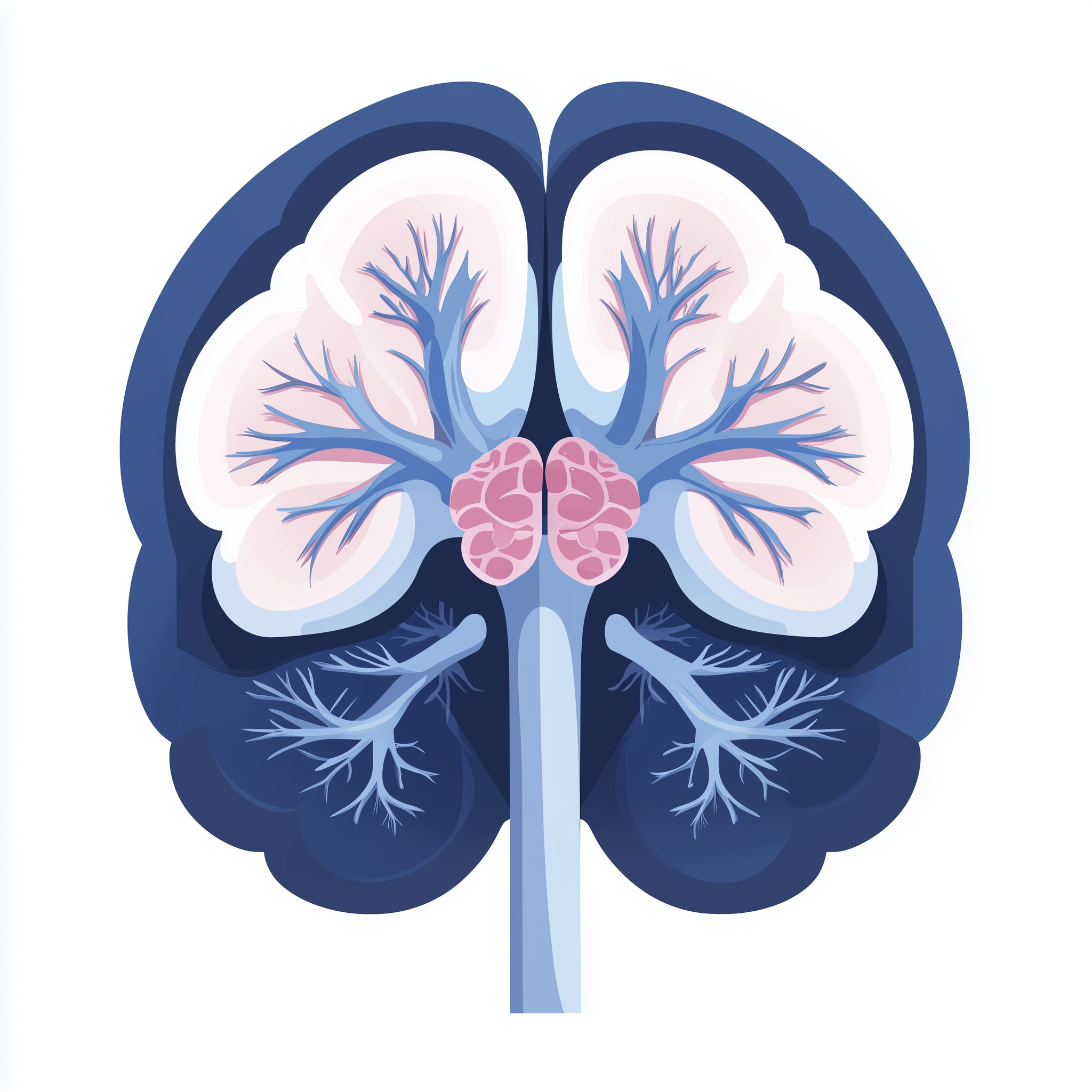
CADASIL primarily affects the brain, specifically the small arteries responsible for supplying blood to deep brain structures. The damage to these blood vessels can lead to ischaemic lesions, which are areas of dead tissue caused by a lack of blood supply, and leukoencephalopathy, which refers to changes in the white matter of the brain. While the primary impact is on the brain, the condition's effects are widespread due to the brain's central role in controlling bodily functions and thoughts.

Risks & severity
The severity of CADASIL can vary considerably, even within families. The condition is progressive, meaning symptoms generally worsen over time. The estimated prevalence of CADASIL is approximately 2 to 5 individuals per 100,000 [PMID:36014490]. Typically, symptoms like migraine with aura begin in the 20s and 30s, while strokes usually start between 40 and 50 years of age. Cognitive decline can also become noticeable in mid-adulthood. The lifetime risk of experiencing a stroke and developing cognitive impairment is high for individuals with CADASIL, and it is a significant cause of vascular dementia.
Genetic causes
CADASIL is caused by pathogenic variants in the NOTCH3 gene. The NOTCH3 gene provides instructions for making a protein that plays a crucial role in the development and maintenance of blood vessel walls. This protein is particularly abundant in the smooth muscle cells that line small arteries.
Pathogenic variants in NOTCH3 lead to the abnormal aggregation of the NOTCH3 protein in the walls of small blood vessels, especially in the brain. This build-up disrupts the normal function of these vessels, making them prone to narrowing and damage. This impairment in blood flow is what subsequently leads to the ischaemic strokes and other neurological symptoms observed in CADASIL [PMID:33678082].
- NOTCH3 notch receptor 3
Inheritance pattern
CADASIL is inherited in an autosomal dominant pattern. This means that only one copy of the altered NOTCH3 gene in each cell is sufficient to cause the condition. An individual with CADASIL has a 50% chance of passing on the pathogenic variant to each child, regardless of the child's sex. This pattern explains why multiple generations within a family might be affected. Family members who do not inherit the pathogenic variant will not develop CADASIL and cannot pass it on to their children.
Each child has a 50% chance of inheriting the pathogenic variant, regardless of sex.
Diagnosis & testing
Diagnosing CADASIL typically involves a combination of clinical assessment and genetic testing. A doctor may suspect CADASIL based on a person's symptoms, family history of strokes or dementia, and brain imaging studies, such as an MRI scan, which can show characteristic changes in the brain's white matter. Confirming the diagnosis often relies on identifying a pathogenic variant in the NOTCH3 gene through genetic testing.
Genetic testing for CADASIL is usually arranged through a clinical genetics service within the NHS. A doctor, often a neurologist, may refer an individual to clinical genetics for assessment and testing if CADASIL is suspected. The relevant NHS Genomic Medicine Service 'R-code' for testing for genes associated with monogenic small vessel disease, which includes NOTCH3, is R107.
Management & lifestyle
While there is currently no cure for CADASIL, management primarily focuses on alleviating symptoms and preventing further strokes. This can include managing risk factors for stroke, such as high blood pressure, high cholesterol, and diabetes, often through medication and lifestyle changes. Antiplatelet medications may also be considered to help prevent strokes, under the guidance of a specialist.
Regular neurological monitoring and cognitive assessments are important to track the progression of the condition. Support for symptoms like migraine, mood disturbances, and cognitive decline involves a multidisciplinary team, potentially including neurologists, psychiatrists, neuropsychologists, and specialist nurses. Genetic counselling is also a crucial part of the management pathway, providing information about the condition, inheritance patterns, and support for affected individuals and their families.
UK care pathway
In the UK, individuals suspected of having CADASIL are typically referred to specialist services, often within neurology or clinical genetics, as part of the NHS Genomic Medicine Service pathway. A clinical geneticist or genetic counsellor can provide detailed information about the condition, coordinate genetic testing (recognised by NHS R-code R107), and discuss implications for family members. This integrated approach ensures access to specialised diagnostic and management support.
Frequently asked questions
Is CADASIL always inherited?
CADASIL typically follows an autosomal dominant pattern and is passed down through families. While most cases are inherited, the condition can rarely arise from a new (de novo) pathogenic variant in the NOTCH3 gene, meaning it occurs for the first time in an individual without a family history.
Can CADASIL be prevented?
Currently, there is no way to prevent CADASIL from developing if a person has inherited a pathogenic NOTCH3 variant. However, managing general stroke risk factors, such as blood pressure and cholesterol, and lifestyle choices like not smoking, may help in reducing the severity and frequency of stroke-like events.
Will all my children inherit CADASIL if I have it?
If you have CADASIL, each of your children has a 50% chance of inheriting the pathogenic NOTCH3 gene variant. This means that for each pregnancy, there is a 50% chance the child will inherit the variant and be affected, and a 50% chance they will not. This risk is the same for each child, regardless of gender.
What kind of doctors treat CADASIL?
CADASIL is typically managed by a team of specialist doctors. A neurologist is usually central to care, focusing on stroke and cognitive symptoms. Other specialists might include geneticists, neuropsychologists, psychiatrists, and physiotherapists, depending on the individual's specific needs.
Is there a cure for CADASIL?
At present, there is no cure for CADASIL. Treatment focuses on managing symptoms, such as migraines and mood changes, and reducing the risk of further strokes. Research into new therapies is ongoing.
References
- Yuan L, Chen X, Jankovic J. CADASIL: A NOTCH3-associated cerebral small vessel disease. Journal of advanced research. 2024. PMID: 38176524
- Chabriat H, Joutel A, Dichgans M. Cadasil. The Lancet. Neurology. 2009. PMID: 19539236
- Wang MM. CADASIL. Handbook of clinical neurology. 2018. PMID: 29478611
- Tikka S, Baumann M, Siitonen M. CADASIL and CARASIL. Brain pathology (Zurich, Switzerland). 2014. PMID: 25323668
- Hervé D, Chabriat H. CADASIL. Journal of geriatric psychiatry and neurology. 2010. PMID: 21045164
- Liu S, Men X, Guo Y. Gut microbes exacerbate systemic inflammation and behavior disorders in neurologic disease CADASIL. Microbiome. 2023. PMID: 37684694
- Palazzo P, Le Guyader G, Neau JP. Intracerebral hemorrhage in CADASIL. Revue neurologique. 2021. PMID: 33478738
- Donnini I, Rinnoci V, Nannucci S. Pregnancy in CADASIL. Acta neurologica Scandinavica. 2017. PMID: 28608406