

On this page
CASK-related disorders
These X-linked genetic conditions result from changes in the CASK gene. They primarily affect brain development, causing intellectual disability and motor challenges, predominantly impacting individuals assigned male at birth, with variable severity in females.
Overview
CASK-related disorders are a group of genetic conditions caused by pathogenic variants in the CASK gene. These conditions primarily affect neurological development, leading to a spectrum of intellectual disability, developmental delay, and other neurological features [PMID:27083431]. Because the CASK gene is located on the X chromosome, the inheritance pattern means that individuals assigned male at birth are typically more severely affected than individuals assigned female at birth.
Symptoms & clinical features
The clinical features of CASK-related disorders can vary widely, even within the same family. In individuals assigned male at birth, typical symptoms include severe developmental delay, significant intellectual disability, microcephaly (a smaller than normal head circumference), and problems with motor skills, balance, and coordination [PMID:27083431]. Seizures can also occur. Some individuals may have feeding difficulties and problems with eye movements.
Individuals assigned female at birth with CASK-related disorders can exhibit a broader range of symptoms. Some may have mild intellectual disability or learning difficulties, while others might experience more significant developmental delay and neurological challenges similar to those seen in males. A characteristic finding in some females is X-linked intellectual disability with nystagmus (involuntary eye movements) and specific brain abnormalities, identified on scans, including pontocerebellar hypoplasia (underdevelopment of parts of the brain involved in coordination) [PMID:24075110].
Video: Genetics 101
Affected organs
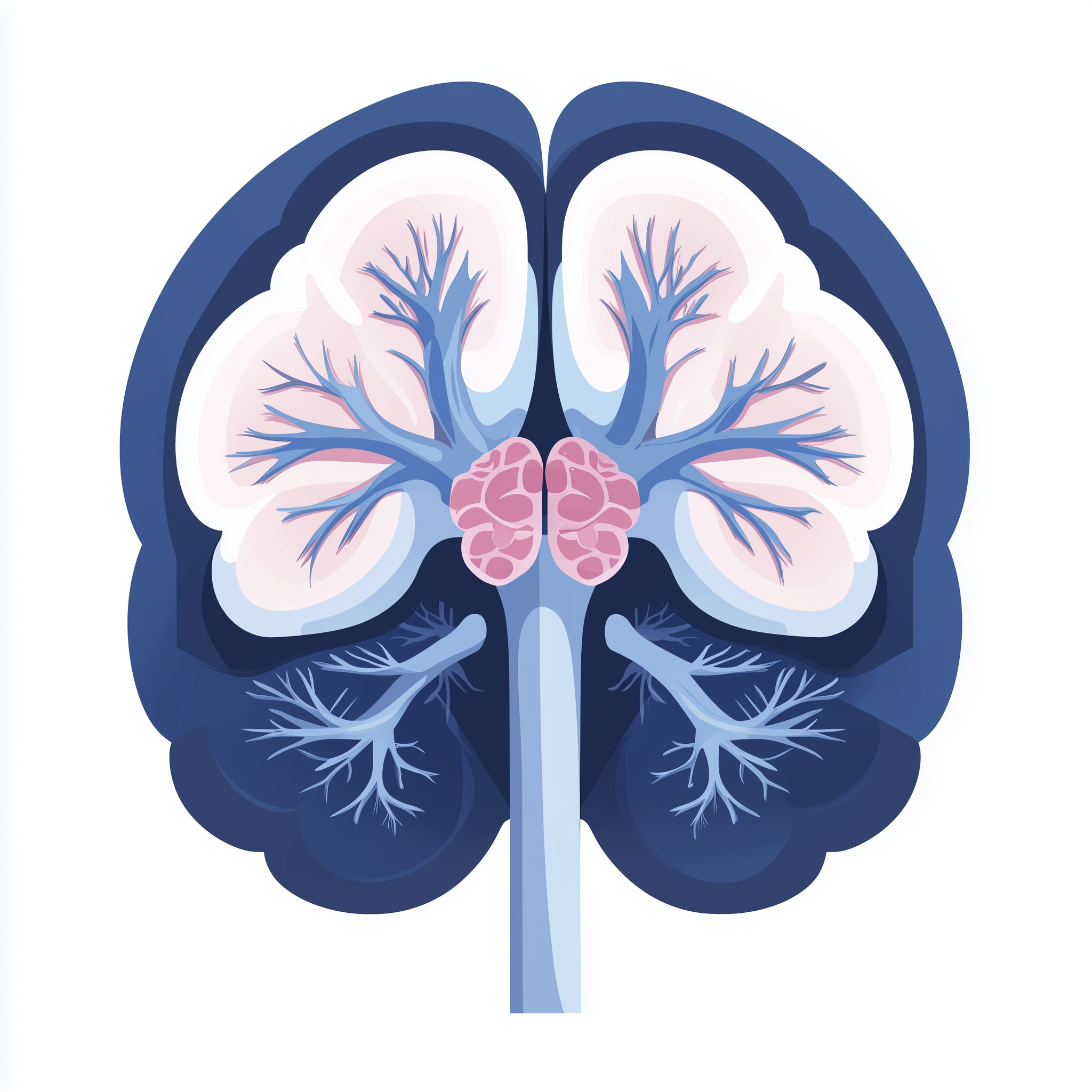
CASK-related disorders primarily affect the central nervous system, particularly the brain. This impact leads to the developmental and neurological symptoms observed. The cerebellum and brainstem, crucial for motor control and vital functions, can be particularly affected, sometimes appearing underdeveloped on brain imaging. While the primary impact is on the brain, the resulting neurological dysfunction can indirectly affect other body systems, such as feeding, vision, and movement, due to the brain's role in coordinating these functions.

Risks & severity
The severity of CASK-related disorders varies significantly. In individuals assigned male at birth, the condition typically presents with severe intellectual disability, profound developmental delay, and often early onset of neurological symptoms. For individuals assigned female at birth, the spectrum ranges from mild learning difficulties to severe intellectual disability and developmental challenges, often correlated with the pattern of X-chromosome inactivation. The exact prevalence of CASK-related disorders is not well established, but they are considered rare. Affected individuals generally require lifelong support for their developmental and medical needs.
Genetic causes
CASK-related disorders are caused by pathogenic variants in the CASK gene, which stands for calcium/calmodulin-dependent serine protein kinase. This gene provides instructions for making the CASK protein, which plays a critical role in brain development and function. The CASK protein is involved in the formation and maintenance of synapses, which are the connections between nerve cells, essential for communication within the brain. It also contributes to cell signalling pathways that are vital for brain structure and neural circuit formation [PMID:25722306].
When a pathogenic variant occurs in the CASK gene, it can lead to a non-functional or abnormally functioning CASK protein. This disruption interferes with normal brain development and synaptic function, leading to the range of neurological symptoms observed in affected individuals. Most variants are new (de novo) in affected individuals, meaning they are not inherited from a parent, but some cases are inherited.
- CASK calcium/calmodulin dependent serine protein kinase
Inheritance pattern
CASK-related disorders typically follow an X-linked dominant (XLD) or X-linked recessive (XLR) pattern of inheritance, as the CASK gene is located on the X chromosome. In X-linked dominant inheritance, a single altered copy of the gene on the X chromosome is sufficient to cause the condition. However, due to X-chromosome inactivation, females often experience more variable or milder symptoms than males.
For females, if one X chromosome carries a pathogenic CASK variant and the other is normal, the healthy X may compensate, leading to milder symptoms. Males, having only one X chromosome, will typically be more severely affected if they inherit the altered CASK gene. If a mother carries a pathogenic CASK variant, there is a 50% chance in each pregnancy that her child will inherit the variant. Affected fathers will pass the variant to all of their daughters, but none of their sons.
X-linked dominant: all daughters of an affected father inherit the altered X and are affected. Sons receive the father's Y and are unaffected.
Diagnosis & testing
Diagnosis of a CASK-related disorder is typically suspected based on clinical features, such as intellectual disability, developmental delay, and specific brain abnormalities identified through imaging. Confirmation of the diagnosis requires genetic testing to identify a pathogenic variant in the CASK gene. This testing is usually performed using techniques like whole exome sequencing or specific gene panel testing.
In the UK, genetic testing for CASK-related disorders would generally be accessed through the NHS Genomic Medicine Service (GMS). A clinical geneticist or a paediatric neurologist would typically refer individuals for genetic testing, often under relevant R-codes for intellectual disability or microcephaly. Genetic counselling is an integral part of the diagnostic process, providing information about the condition, inheritance patterns, and implications for the family.
Management & lifestyle
While there is no specific cure for CASK-related disorders, management focuses on supportive care and addressing individual symptoms. This typically involves a multidisciplinary team approach including paediatricians, neurologists, physiotherapists, occupational therapists, speech and language therapists, and educational specialists. Early intervention therapies are crucial to help maximise developmental potential.
Treatment plans may include therapies to improve motor skills, communication, and cognitive development. Management of associated conditions, such as seizures or feeding difficulties, might involve medication or nutritional support. Regular monitoring by specialists is important to adjust care plans as needs evolve. The NHS provides a framework for accessing these services, and ongoing support can be sought through local community health services and specialist clinics.
UK care pathway
For individuals in the UK suspected of having a CASK-related disorder, the care pathway typically begins with a referral to a clinical genetics service or a paediatric neurology team. These specialists can assess symptoms, provide clinical guidance, and arrange for genetic testing through the NHS Genomic Medicine Service. The testing is guided by specific R-codes, such as those for intellectual disability or developmental delay. Genetic counsellors play a key role in explaining the genetic diagnosis, inheritance patterns, and implications for families, as well as providing support and resources.
Frequently asked questions
What is the life expectancy for someone with a CASK-related disorder?
Life expectancy can vary depending on the severity of symptoms and associated medical complications. While many individuals live into adulthood, severe neurological issues or other health problems can sometimes affect longevity. Good supportive care aims to optimise health and quality of life.
Can CASK-related disorders be inherited?
Yes, CASK-related disorders can be inherited. While some cases result from new (de novo) genetic changes, others are inherited from a parent who carries the pathogenic variant. Genetic counselling can help families understand the specific inheritance pattern in their situation and the risks for future children.
Are there any specific treatments available for CASK-related disorders?
Currently, there is no specific cure for CASK-related disorders. Management focuses on supportive therapies tailored to an individual's specific symptoms. This includes physical therapy, occupational therapy, speech therapy, and managing any associated medical conditions like seizures with appropriate medication.
How does CASK-related disorder affect individuals assigned female at birth compared to males?
Individuals assigned male at birth typically experience more severe symptoms, including severe intellectual disability and significant developmental delays. Individuals assigned female at birth can have a wider range of symptoms, from mild learning difficulties to more significant challenges, often due to X-chromosome inactivation.
What support is available for families affected by CASK-related disorders in the UK?
Families in the UK can access support through the NHS, including specialist genetic services, paediatric teams, and various therapies. Genetic counsellors can provide information and emotional support. Patient advocacy groups and charities also offer valuable resources and community support.
References
- Mori T, Zhou M, Tabuchi K. Diverse Clinical Phenotypes of CASK-Related Disorders and Multiple Functional Domains of CASK Protein. Genes. 2023. PMID: 37628707
- Becker M, Mastropasqua F, Reising JP. Presynaptic dysfunction in CASK-related neurodevelopmental disorders. Translational psychiatry. 2020. PMID: 32929080
- Chen Y, Cao J, Li J. Clinical and genetic spectrum of CASK-related disorders in Chinese patients. Journal of neurology. 2026. PMID: 42133085
- Moog U, Bierhals T, Brand K. Phenotypic and molecular insights into CASK-related disorders in males. Orphanet journal of rare diseases. 2015. PMID: 25886057
- Gafner M, Boltshauser E, D'Abrusco F. Expanding the natural history of CASK-related disorders to the prenatal period. Developmental medicine and child neurology. 2023. PMID: 36175354
- Mori T, Zhou M, Kunugitani K. The Competitive Loss of Cerebellar Granule and Purkinje Cells Driven by X-Linked Mosaicism in a Female Mouse Model of CASK-Related Disorders. Cells. 2025. PMID: 40422238
- Pacheva IH, Timova E, Todorov T. Clinical heterogeneity and diagnostic challenges in CASK-related neurodevelopmental disorders: a longitudinal observational study. Frontiers in psychiatry. 2026. PMID: 42517139
- Tabuchi K, Kouyama-Suzuki E, Yanagawa T. Cerebellar hypoplasia caused by calcium/calmodulin-dependent serine protein kinase deficiency. Molecules and cells. 2026. PMID: 41831576