

On this page
Congenital adrenal hyperplasia (11-hydroxylase)
This condition prevents the body from producing enough cortisol, and can lead to an overproduction of male-type hormones. It affects approximately 1 in 100,000 people and is typically diagnosed in childhood.
Available at Jeen Health
Clinical tests that include this
Overview
Congenital adrenal hyperplasia (CAH) refers to a group of inherited conditions that affect the adrenal glands. These are small glands located at the top of each kidney, responsible for producing essential hormones like cortisol, aldosterone, and androgens (male-type hormones). In CAH due to 11-hydroxylase deficiency, the body cannot produce enough cortisol [PMID:33008945].
Cortisol is a vital hormone involved in regulating blood sugar, energy levels, stress response, and blood pressure. The deficiency of cortisol leads to the overproduction of other hormones, including androgens, which can affect development, particularly in individuals assigned female at birth.
Symptoms & clinical features
The symptoms of 11-hydroxylase deficiency CAH can vary between individuals, depending on the severity of the enzyme impairment. In individuals assigned female at birth, increased androgen levels can lead to ambiguous external genitalia at birth, meaning the genitals may not appear clearly male or female. Later in childhood, they may experience early puberty-like changes, such as pubic hair development and an enlarged clitoris [PMID:28751525].
Individuals assigned male at birth typically do not show obvious signs at birth, but may develop early puberty-like changes later on. Both sexes can experience symptoms related to excess androgens, including rapid growth in childhood, which can lead to shorter adult height, and acne. The reduced ability to produce cortisol can sometimes cause symptoms such as low blood sugar or an inability to cope with physical stress, but a life-threatening 'salt-wasting' crisis, which is seen in other forms of CAH, is less common in 11-hydroxylase deficiency [PMID:28751525].
Another feature specific to this form of CAH is high blood pressure (hypertension), which can develop in childhood or adolescence. This occurs because the accumulating precursor hormones have mineralocorticoid effects, mimicking the action of aldosterone, a hormone that helps regulate blood pressure.
Video: Genetics 101
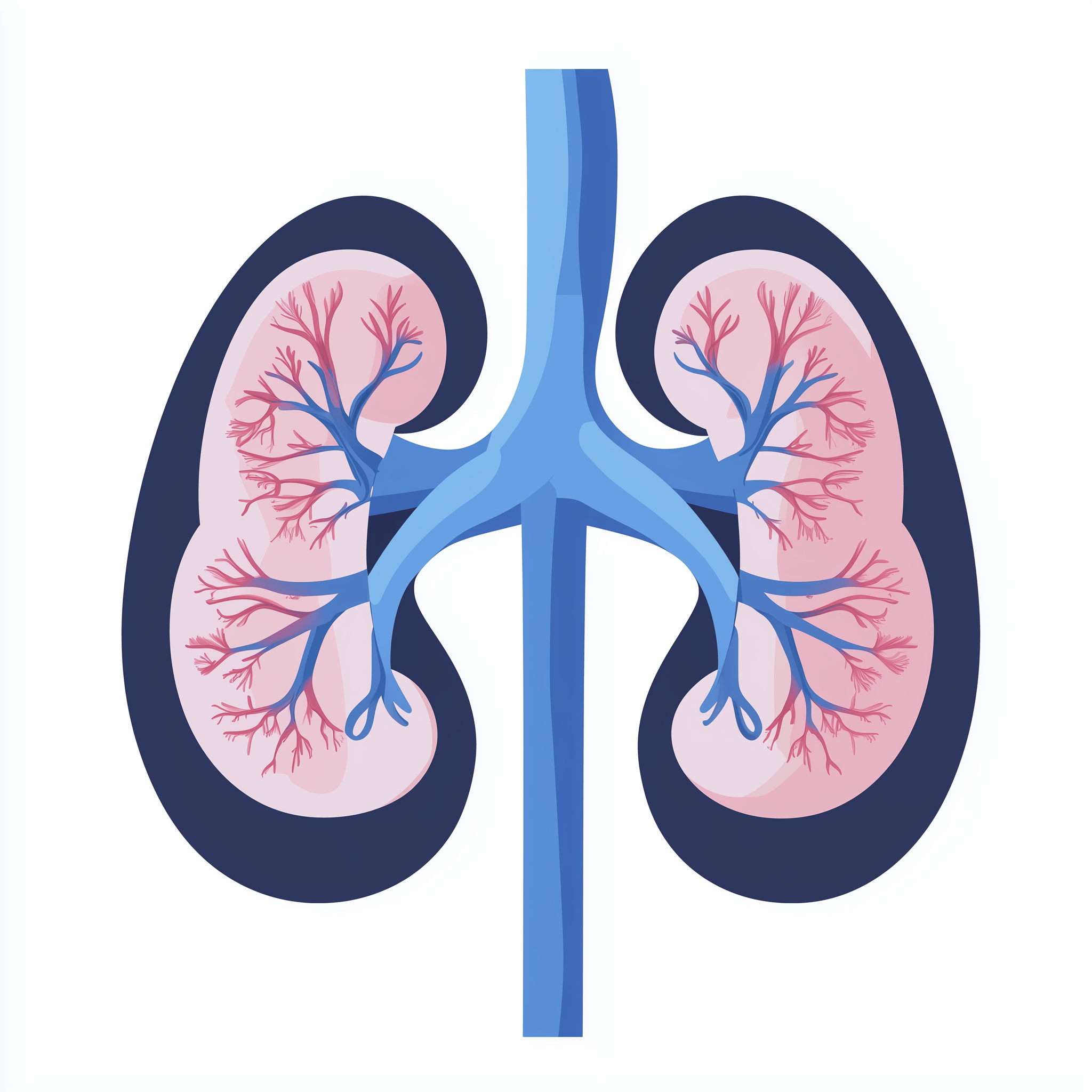
Affected organs
The primary organ affected in congenital adrenal hyperplasia (11-hydroxylase deficiency) is the adrenal gland. This is where the necessary hormones are produced, and where the defective enzyme prevents normal synthesis. The effects, however, are widespread due to the critical roles these hormones play. For example, the reproductive organs can be affected by the excess androgen production, leading to differences in sexual development.
The cardiovascular system is also impacted, particularly through the development of high blood pressure (hypertension) due to the accumulation of certain steroid precursors. Rapid growth in childhood, which affects the skeletal system, and skin changes like acne, are also seen as effects of imbalanced hormone levels throughout the body.

Risks & severity
The severity of congenital adrenal hyperplasia (11-hydroxylase deficiency) can vary significantly. Some individuals may have milder symptoms, while others experience more pronounced effects. If left untreated, the hormonal imbalances can lead to complications such as short adult stature, fertility issues, and ongoing high blood pressure [PMID:33008945].
The condition is present from birth, but the onset of noticeable symptoms can range from birth (e.g., ambiguous genitalia) to later childhood or adolescence (e.g., high blood pressure, early puberty signs). Lifelong management is typically required to address the hormonal deficiencies and excesses.
The global prevalence of 11-hydroxylase deficiency CAH is estimated to be approximately 1 in 100,000 live births.
Genetic causes
Congenital adrenal hyperplasia (11-hydroxylase deficiency) is caused by genetic changes in the *CYP11B1* gene. This gene provides instructions for making an enzyme called 11-beta-hydroxylase. This enzyme is crucial for the adrenal glands to produce cortisol.
Cortisol plays a key role in regulating many body functions, including metabolism, immune response, and blood pressure. When the 11-beta-hydroxylase enzyme is not working correctly due to a variant in *CYP11B1*, the body cannot make enough cortisol. This prompts the adrenal glands to try and produce more cortisol, leading to a build-up of other hormones that come before cortisol in the production pathway. Some of these accumulated hormones act like male-type hormones (androgens) and also affect blood pressure, leading to the characteristic features of the condition.
- CYP11B1 cytochrome P450 family 11 subfamily B member 1The CYP11B1 gene encodes the 11-beta-hydroxylase enzyme, which plays a vital role in the adrenal glands' production of steroid hormones such as cortisol and corticosterone.
Inheritance pattern
This condition has an autosomal recessive inheritance pattern. This means that an individual must inherit two altered copies of the *CYP11B1* gene, one from each parent, to develop the condition.
If a person inherits only one altered copy of the *CYP11B1* gene, they are considered a 'carrier'. Carriers typically do not show symptoms of the condition themselves but can pass on the altered gene to their children. If two carriers have children together, there is a 25% chance with each pregnancy that their child will inherit two altered copies and be affected, a 50% chance the child will be a carrier, and a 25% chance the child will inherit two working copies and not be affected or be a carrier.
When both parents are carriers, each child has a 25% chance of being affected, 50% of being a carrier, and 25% of being unaffected.
Diagnosis & testing
Diagnosis of congenital adrenal hyperplasia (11-hydroxylase deficiency) often begins with recognition of characteristic clinical features, such as ambiguous genitalia in newborn girls or early signs of puberty in older children. Blood tests can measure hormone levels, including cortisol, specific precursor hormones (like 11-deoxycortisol), and androgens, which will typically show abnormal levels indicative of the condition.
Confirmation of the diagnosis involves genetic testing to identify variants in the *CYP11B1* gene. Referrals for genetic testing in the UK are typically made through a paediatrician, endocrinologist, or clinical genetics service. This process often aligns with an appropriate NHS Genomic Medicine Service 'R-code' pathway, such as R222 Congenital Adrenal Hyperplasia. Genetic counselling is provided to discuss the implications of testing for the individual and their family.
Management & lifestyle
Management of 11-hydroxylase deficiency CAH typically involves replacing the hormones the body cannot produce, primarily cortisol. This is usually achieved with daily medication, oral glucocorticoids, to ensure sufficient cortisol levels and suppress the overproduction of other hormones. Regular monitoring of hormone levels and blood pressure is important to adjust medication doses as needed.
Individuals born with ambiguous genitalia may require specialist evaluation and support regarding gender assignment and potential surgical interventions, usually managed by a multidisciplinary team. Throughout life, individuals with CAH benefit from ongoing care from an endocrinologist. Regular check-ups are important to manage symptoms, monitor growth and development, and address potential complications like high blood pressure or fertility concerns. Genetic counselling remains available to support individuals and families affected by this condition.
UK care pathway
In the UK, individuals suspected of having congenital adrenal hyperplasia (11-hydroxylase deficiency) would typically be referred to a specialist, often a paediatric endocrinologist. The diagnostic pathway often involves biochemical tests followed by genetic testing, which is requested through the NHS Genomic Medicine Service (GMS) pathways under specific 'R-codes', such as R222 for Congenital Adrenal Hyperplasia. Following diagnosis, care is usually coordinated by a clinical genetics service and an endocrinology team. Genetic counsellors are available to provide support and information to patients and their families, explaining inheritance patterns and implications for family planning.
Frequently asked questions
What happens if I miss a dose of medication for CAH?
Missing a dose of your prescribed medication for CAH can lead to symptoms of cortisol deficiency, such as fatigue, nausea, or dizziness. It's important to contact your healthcare provider for advice if you miss a dose or are unsure.
Will my children inherit CAH if I have it?
Since 11-hydroxylase deficiency CAH is inherited in an autosomal recessive pattern, your children's risk depends on your partner's genetic status. If your partner is not a carrier, your children would be carriers but not affected. If your partner is also a carrier, there is a 25% chance for each child to inherit the condition.
Can CAH (11-hydroxylase deficiency) be cured?
Congenital adrenal hyperplasia (11-hydroxylase deficiency) is a lifelong genetic condition and cannot be cured. However, it can be effectively managed with lifelong hormone replacement therapy, which helps to control symptoms and prevent complications.
Are there any dietary restrictions for someone with CAH?
Generally, there are no specific dietary restrictions for individuals with 11-hydroxylase deficiency CAH. However, a balanced diet is always recommended for general health. Your endocrinologist or a dietitian may provide specific advice if necessary, especially if you have high blood pressure.
Why is high blood pressure common in this type of CAH?
High blood pressure in 11-hydroxylase deficiency CAH occurs because certain hormone precursors, which build up due to the enzyme deficiency, have effects similar to aldosterone. Aldosterone helps regulate blood pressure, and these accumulating precursors can cause an increase in blood pressure.