

On this page
Congenital amegakaryocytic thrombocytopenia
CAMT is characterised by a severe lack of platelets from birth, leading to bleeding problems. It can progress to aplastic anaemia, where the bone marrow fails to produce all types of blood cells, and affects infants and young children.
Available at Jeen Health
Clinical tests that include this
Overview
Congenital amegakaryocytic thrombocytopenia (CAMT) is a very rare, inherited disorder affecting blood cell production. Individuals with CAMT are born with a severe shortage of megakaryocytes in their bone marrow. Megakaryocytes are large cells responsible for producing platelets, which are essential for blood clotting. This deficiency leads to a condition called thrombocytopenia, meaning critically low platelet counts, which can cause significant bleeding issues from early infancy [PMID:33676878].
Over time, CAMT typically progresses to a more severe condition known as aplastic anaemia. In aplastic anaemia, the bone marrow loses its ability to produce not only platelets but also red blood cells and white blood cells [PMID:10712711]. This progression usually occurs within the first few years of life, making early diagnosis and management crucial. CAMT is an extremely rare condition, though its exact prevalence is not well established.
Symptoms & clinical features
The primary symptom of CAMT is excessive bleeding due to the very low platelet count. This bleeding can manifest in several ways, often starting shortly after birth. Common signs include petechiae (tiny red or purple spots on the skin caused by minor bleeding), purpura (larger bruises), nosebleeds, and gum bleeding. More serious bleeding can occur internally, affecting the gastrointestinal tract, leading to blood in stools, or the brain, which can be life-threatening.
As the condition progresses to aplastic anaemia, additional symptoms develop because of deficiencies in other blood cell types. A lack of red blood cells causes anaemia, leading to fatigue, pallor (unusually pale skin), and shortness of breath. A shortage of white blood cells (leucopenia) can lead to an increased susceptibility to infections, which may be more frequent or severe than usual.
Video: Genetics 101
Affected organs
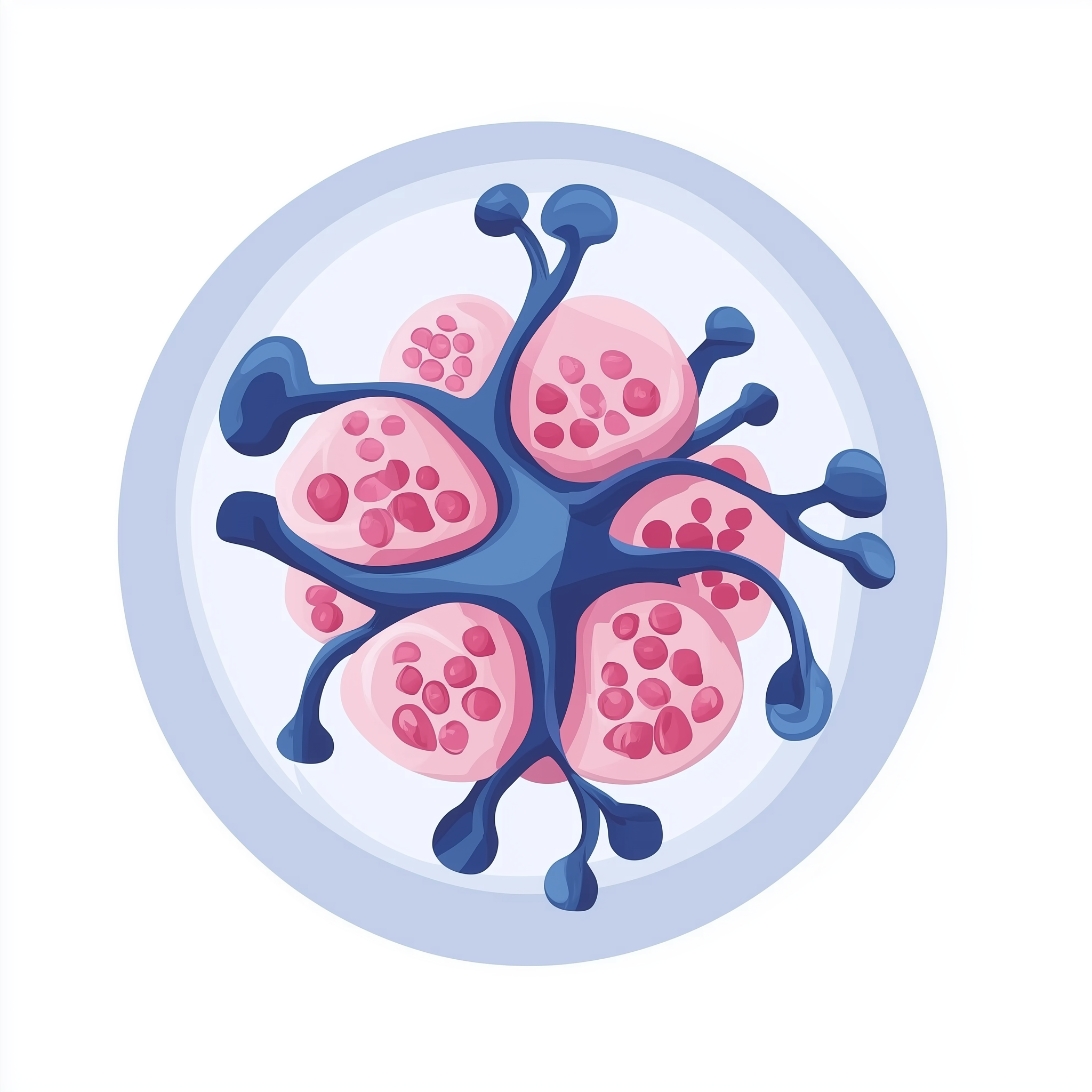
CAMT primarily affects the bone marrow, which is the soft, spongy tissue inside bones where blood cells are produced. In CAMT, the bone marrow fails to produce sufficient megakaryocytes, the precursor cells for platelets. Over time, the bone marrow's ability to produce all types of blood cells-red blood cells, white blood cells, and platelets-becomes impaired, leading to a condition called aplastic anaemia.
While the primary affected organ is the bone marrow, the consequences of low platelet counts and subsequent aplastic anaemia can affect almost any organ system due to bleeding complications or increased infection risk. For example, severe bleeding can impact the brain, gastrointestinal tract, or other internal organs. Recurrent infections associated with low white blood cell counts can affect various organ systems.

Risks & severity
CAMT is considered a severe condition from birth due to the profound thrombocytopenia. The main risk in infancy is life-threatening bleeding, particularly intracranial haemorrhage (bleeding within the skull) [PMID:27068598]. Without appropriate treatment, the condition can be life-threatening early in life. The severity is compounded by the typical progression to aplastic anaemia within the first few years, which further increases health risks.
The long-term prognosis for individuals with CAMT is generally poor without a definitive treatment like a bone marrow transplant. The risks associated with aplastic anaemia include severe infections and persistent fatigue. Early diagnosis and careful management are critical to improving outcomes and mitigating the severe risks associated with this rare disorder.
Genetic causes
Congenital amegakaryocytic thrombocytopenia is caused by pathogenic variants in specific genes that play crucial roles in blood cell development. The most commonly identified gene associated with CAMT is MPL (MPL proto-oncogene, thrombopoietin receptor). The MPL gene provides instructions for making the thrombopoietin receptor, a protein found on the surface of megakaryocytes and other blood stem cells.
This receptor binds to a growth factor called thrombopoietin (TPO), which is vital for stimulating the production, growth, and maturation of megakaryocytes and, consequently, platelets. Pathogenic variants in MPL disrupt the normal function of this receptor, preventing megakaryocytes from developing properly, leading to their absence or severe reduction in the bone marrow and thus, a lack of platelets [PMID:10712711]. In some rare cases, CAMT may also be associated with variants in the THPO gene, which encodes thrombopoietin itself.
- MPL MPL proto-oncogene, thrombopoietin receptorThe MPL gene provides instructions for producing the thrombopoietin receptor, a protein vital for the proliferation of specific blood cells and the maintenance of haematopoietic stem cells.
- THPO thrombopoietin
Inheritance pattern
Congenital amegakaryocytic thrombocytopenia is inherited in an autosomal recessive pattern. This means that a person must inherit two copies of a pathogenic gene variant-one from each parent-to develop the condition.
Individuals who inherit only one copy of a pathogenic variant are called carriers. Carriers typically do not show symptoms of CAMT, but they can pass the variant on to their children. If two carriers have a child, there is a 25% chance with each pregnancy that the child will inherit two copies of the variant and develop CAMT, a 50% chance the child will be a carrier, and a 25% chance the child will inherit two unaffected copies and not be a carrier or have the condition. Genetic counselling is recommended for families with a history of CAMT.
When both parents are carriers, each child has a 25% chance of being affected, 50% of being a carrier, and 25% of being unaffected.
Diagnosis & testing
Diagnosis of CAMT typically begins based on clinical signs, such as severe bleeding in a newborn combined with very low platelet counts. Blood tests will show severe thrombocytopenia. A bone marrow biopsy is usually performed to confirm the diagnosis, which will reveal an absence or severe reduction of megakaryocytes. Genetic testing is then used to identify pathogenic variants in genes like MPL or THPO, confirming the diagnosis and helping to differentiate CAMT from other forms of thrombocytopenia.
In the UK, genetic testing for suspected inherited bone marrow failure conditions like CAMT is typically accessed through the NHS Genomic Medicine Service (GMS). Referrals for testing are usually made by a paediatric haematologist or a clinical geneticist. Diagnostic testing for specific gene panels related to inherited thrombocytopenia and bone marrow failure are available under NHS R-codes, ensuring a standardised approach to genetic diagnosis.
Management & lifestyle
Management of CAMT focuses on supportive care and, ultimately, a definitive treatment to replace the faulty bone marrow. In infants, initial management involves transfusions of platelets to control bleeding episodes. These transfusions provide temporary relief but do not address the underlying issue. As the condition progresses to aplastic anaemia, transfusions of red blood cells and, sometimes, white blood cells may also be needed.
The most effective and often curative treatment for CAMT is a haematopoietic stem cell transplant, also known as a bone marrow transplant [PMID:33676878]. This procedure involves replacing the affected bone marrow with healthy stem cells from a suitable donor. In the UK, individuals with CAMT will typically be cared for by a specialist paediatric haematology team and clinical genetics services. Genetic counsellors can provide essential information and support to families regarding inheritance patterns, testing options, and reproductive choices. Regular monitoring for the progression to aplastic anaemia and for early signs of infection or bleeding is vital.
UK care pathway
In the UK, individuals and families affected by rare genetic conditions like Congenital Amegakaryocytic Thrombocytopenia are supported by the NHS Genomic Medicine Service (GMS). If there is a suspicion of CAMT, a patient would typically be referred to a specialist, such as a paediatric haematologist or a clinical geneticist, who can guide the diagnostic process. Genetic testing is available through the GMS, often using gene panels that include MPL and THPO, covered by specific NHS R-codes. Clinical geneticists and genetic counsellors play a crucial role in explaining the genetic diagnosis, inheritance patterns, and implications for the family, as well as coordinating care and offering ongoing support.
Frequently asked questions
What does 'congenital amegakaryocytic' mean?
'Congenital' means that the condition is present from birth. 'Amegakaryocytic' refers to the absence or severe lack of megakaryocytes, which are the large cells in the bone marrow responsible for producing platelets, essential for blood clotting.
Is CAMT always inherited?
Yes, Congenital Amegakaryocytic Thrombocytopenia is an inherited genetic condition. It follows an autosomal recessive inheritance pattern, meaning a person must inherit two copies of a specific gene variant (one from each parent) to develop the condition.
Can CAMT be cured?
The most effective and often curative treatment for CAMT is a haematopoietic stem cell transplant, also known as a bone marrow transplant. This procedure can replace the faulty bone marrow with healthy stem cells, potentially resolving the blood cell production issues.
What is the typical progression of CAMT?
CAMT usually begins with severe low platelet counts at birth. Over the first few years of life, the condition often progresses to aplastic anaemia, where the bone marrow fails to produce all types of blood cells, including red and white blood cells, in addition to platelets.
How is CAMT diagnosed in the UK?
Diagnosis in the UK typically involves clinical evaluation, blood tests showing low platelet counts, a bone marrow biopsy, and genetic testing through the NHS Genomic Medicine Service. A specialist paediatric haematologist or clinical geneticist usually coordinates these investigations.
References
- Gebetsberger J, Streif W, Dame C. Update on the Use of Thrombopoietin-Receptor Agonists in Pediatrics. Hamostaseologie. 2024. PMID: 38925157
- Kaseer H, Sanghavi DK. Aminocaproic Acid. 2023. PMID: 32119362
- Geddis AE. Congenital amegakaryocytic thrombocytopenia. Pediatric blood & cancer. 2011. PMID: 21337678
- Tirthani E, Said MS, De Jesus O. Amegakaryocytic Thrombocytopenia. 2024. PMID: 33760554
- Geddis AE. Congenital amegakaryocytic thrombocytopenia and thrombocytopenia with absent radii. Hematology/oncology clinics of North America. 2009. PMID: 19327586
- Geddis AE. Inherited thrombocytopenia: Congenital amegakaryocytic thrombocytopenia and thrombocytopenia with absent radii. Seminars in hematology. 2006. PMID: 16822462
- Moore CA, Krishnan K. Bone Marrow Failure. 2023. PMID: 29083589
- Davenport P, Liu ZJ, Sola-Visner M. Changes in megakaryopoiesis over ontogeny and their implications in health and disease. Platelets. 2020. PMID: 32200697