

On this page
Danon disease
This rare X-linked condition leads to significant issues, particularly with the heart muscle (cardiomyopathy), and can also impact skeletal muscle strength and brain function. It affects individuals typically starting in childhood or adolescence.
Available at Jeen Health
Clinical tests that include this
Overview
Danon disease is a rare, inherited condition that primarily affects several organ systems, including the heart, skeletal muscles, and central nervous system (brain). It is also known as glycogen storage disease type IIb or lysosomal glycogen storage disease with normal acid maltase. The condition typically presents in childhood or adolescence, although symptom severity and age of onset can vary [PMID:24072338]. Because it is an X-linked condition, males are generally more severely affected than females, and symptoms often appear earlier in males [PMID:32508779].
Symptoms & clinical features
The symptoms of Danon disease can vary widely among individuals, even within the same family. In males, the most common and often first symptom is hypertrophic cardiomyopathy, where the heart muscle thickens, making it harder to pump blood effectively [PMID:24072338]. This can lead to symptoms like shortness of breath, fatigue, and chest pain. Progressive weakening of skeletal muscles (myopathy) can also occur, causing difficulties with physical activity. Intellectual disability or learning difficulties may also be present. In females, symptoms are often milder and may appear later in life, with some remaining asymptomatic. However, females can still develop cardiomyopathy, although it might present as dilated cardiomyopathy, where the heart muscle thins and stretches, or hypertrophic cardiomyopathy [PMID:32508779].
Video: Genetics 101
Affected organs
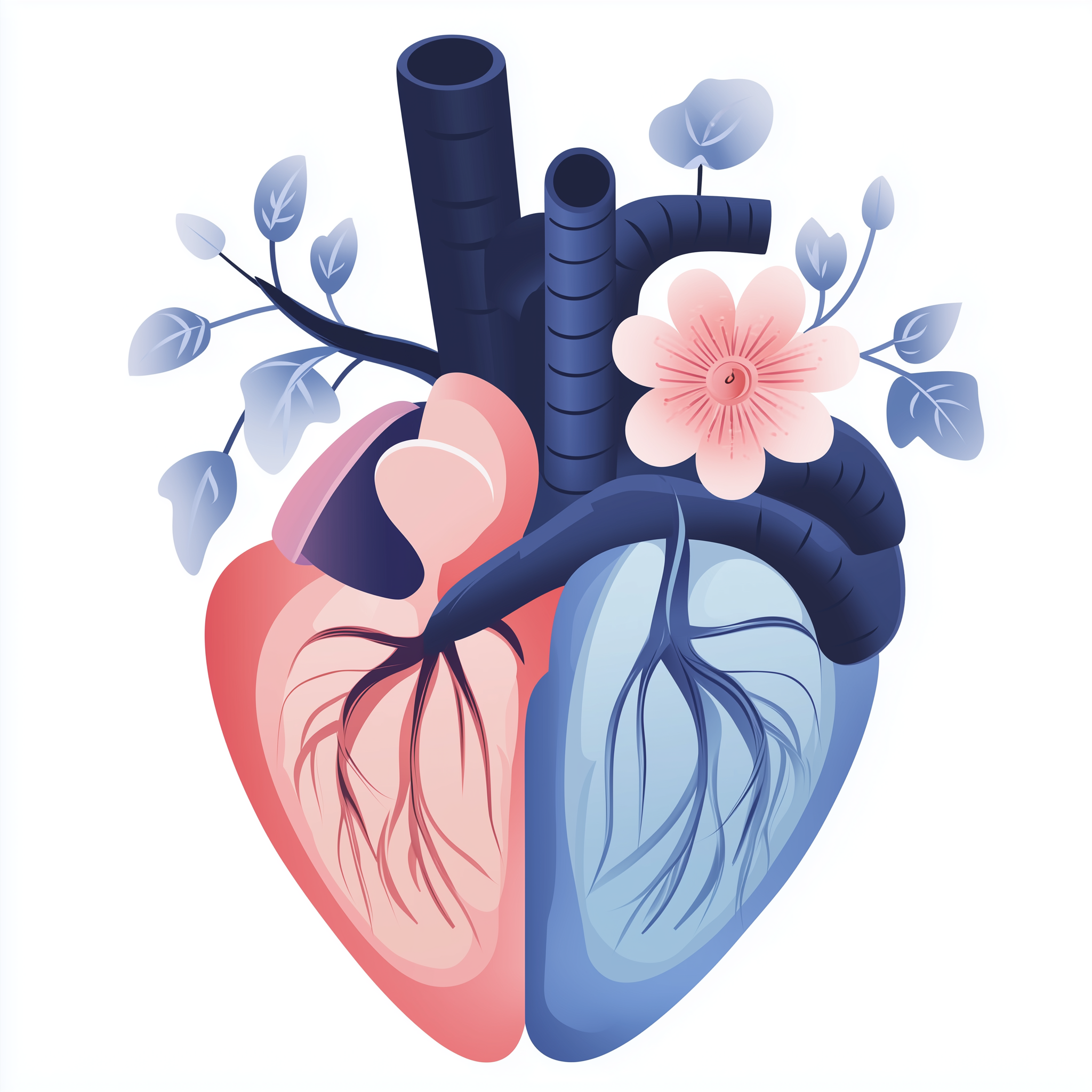
Danon disease primarily affects the heart, skeletal muscles, and the brain. The heart muscle is a major target, leading to various forms of cardiomyopathy. Skeletal muscles, responsible for movement, can become weakened. The central nervous system can also be affected, sometimes resulting in intellectual disability or learning difficulties. Other systems, less commonly, may include the liver and eyes, though these are not primary features.

Risks & severity
Danon disease can have a significant impact on quality of life and life expectancy, particularly in males. Hypertrophic cardiomyopathy is a serious complication, and without management, can lead to heart failure or life-threatening arrhythmias. The severity of intellectual disability also varies. In males, symptoms typically appear in childhood or adolescence and are often more severe. In females, symptoms tend to be milder, with a later onset or even no noticeable symptoms; however, cardiomyopathy symptoms can still develop and require careful monitoring [PMID:32508779]. Exact prevalence figures are not well established due to the rarity of the condition.
Genetic causes
Danon disease is caused by pathogenic variants in the LAMP2 gene. This gene provides instructions for making a protein called lysosome-associated membrane protein 2. The LAMP2 protein is crucial for the normal function of lysosomes, which are small compartments within cells that act like recycling centres, breaking down waste products and old cell components. When the LAMP2 protein is faulty or missing due to a genetic change, these waste products can build up inside cells, leading to cellular damage and impaired function in affected tissues, particularly the heart and muscle cells [PMID:24072338]. Over 100 different pathogenic variants in LAMP2 have been identified that cause Danon disease.
- LAMP2 lysosome associated membrane protein 2The *LAMP2* gene provides instructions for creating lysosome-associated membrane glycoprotein 2, a crucial protein involved in lysosome function and cellular waste management.
Inheritance pattern
Danon disease has an X-linked recessive inheritance pattern. This means that the LAMP2 gene is located on the X chromosome, one of the two sex chromosomes. Males have one X chromosome and one Y chromosome, while females have two X chromosomes. Because males only have one copy of the X chromosome, a pathogenic variant on their single X chromosome will typically lead to the condition. Females have two X chromosomes, so if one X chromosome carries a pathogenic variant, the other normal copy can often compensate, leading to milder symptoms or no symptoms at all. However, females can still be 'carriers' and may pass the condition on to their sons or have affected daughters (though this is much rarer) [PMID:24072338]. Each son of a female carrier has a 50% chance of inheriting the pathogenic variant and developing the condition, and each daughter has a 50% chance of being a carrier.
X-linked recessive: sons of a carrier mother have a 50% chance of being affected. Daughters have a 50% chance of being carriers.
Diagnosis & testing
Diagnosing Danon disease often begins with a clinical suspicion based on symptoms such as cardiomyopathy, muscle weakness, and, in some cases, intellectual disability. An electrocardiogram (ECG) and echocardiogram are typically used to assess heart function. Muscle biopsies might show characteristic features, but genetic testing is the most definitive way to confirm a diagnosis. Genetic testing for variants in the LAMP2 gene is available through the NHS Genomic Medicine Service. If Danon disease is suspected, a referral to a clinical geneticist or a specialist cardiology or neuromuscular team would typically be made. This testing falls under specific R-codes within the NHS Genomic Medicine Service, allowing for comprehensive genetic analysis.
Management & lifestyle
While there is currently no cure for Danon disease, management focuses on addressing the symptoms and preventing complications. For heart involvement, treatments may include medications to manage heart failure, control arrhythmias, or reduce heart muscle thickness. In some cases, a heart transplant may be considered for severe cardiomyopathy. Regular monitoring of heart function by a cardiologist is essential. Physical therapy can assist with muscle weakness, and educational support may be offered for learning difficulties. Management plans are highly individualised and are typically overseen by multidisciplinary teams within the NHS, often including cardiologists, neurologists, geneticists, and physiotherapists. Genetic counsellors can provide crucial information and support to individuals and families regarding the condition and its inheritance.
UK care pathway
In the UK, individuals suspected of having Danon disease are typically referred to specialist NHS services. This often involves clinical genetics teams who can coordinate genetic testing for the LAMP2 gene, following the NHS Genomic Medicine Service pathways and relevant R-codes for rare inherited conditions. Patients are generally managed by multidisciplinary teams including cardiologists, neurologists, and genetic counsellors, providing comprehensive support and care aligned with national guidelines and best practices.
Frequently asked questions
What is the typical age that symptoms of Danon disease appear?
In males, symptoms typically appear in childhood or adolescence. In females, symptoms usually emerge later, or they may remain without noticeable symptoms throughout their lives.
Can women have Danon disease, or are they only carriers?
Women can have Danon disease, though their symptoms are often milder and may appear later compared to men. They can also be carriers, meaning they carry the genetic change but may not experience significant symptoms themselves.
Is Danon disease curable?
Currently, there is no cure for Danon disease. Management focuses on treating the specific symptoms that arise, such as heart problems or muscle weakness, to improve quality of life and manage potential complications.
How is Danon disease inherited?
Danon disease is inherited in an X-linked recessive pattern. This means the gene responsible, LAMP2, is on the X chromosome. Males are generally more severely affected because they have only one X chromosome, while females have two.
What kind of specialist medical care will be needed?
Individuals with Danon disease typically need care from several specialists, including cardiologists for heart issues, neurologists for muscle or brain involvement, and clinical geneticists who can help coordinate care and discuss genetic implications for the family.
References
- Argiro A, Bui Q, Hong KN. Applications of Gene Therapy in Cardiomyopathies. JACC. Heart failure. 2024. PMID: 37966402
- Adam MP, Bick S, Mirzaa GM. Danon Disease. 1993. PMID: 32134616
- Hong KN, Eshraghian EA, Arad M. International Consensus on Differential Diagnosis and Management of Patients With Danon Disease: JACC State-of-the-Art Review. Journal of the American College of Cardiology. 2023. PMID: 37821174
- D'Souza RS, Law L. Danon Disease. 2023. PMID: 31424795
- Eskelinen EL. Roles of LAMP-1 and LAMP-2 in lysosome biogenesis and autophagy. Molecular aspects of medicine. 2006. PMID: 16973206
- Maurizi N, Monda E, Biagini E. Hypertrophic cardiomyopathy: prevalence of disease-specific red flags. European heart journal. 2025. PMID: 39928417
- Liang S, Wang J, Chen Y. Danon disease. QJM : monthly journal of the Association of Physicians. 2025. PMID: 40509880
- Liang W, Sagar S, Ravindran R. Mitochondria are secreted in extracellular vesicles when lysosomal function is impaired. Nature communications. 2023. PMID: 37596294