

On this page
Dilated cardiomyopathy (TTN-truncating)
This condition can lead to symptoms like breathlessness and fatigue, potentially progressing to heart failure. It is caused by specific changes in the TTN gene and affects individuals across various age groups, often with a variable presentation.
Available at Jeen Health
Clinical tests that include this
Overview
Dilated cardiomyopathy (DCM) is a disease of the heart muscle (myocardium) where the heart's main pumping chamber, the left ventricle, becomes enlarged and weakened [PMID:33675005]. This enlargement means the heart struggles to pump blood efficiently to the rest of the body. While DCM can arise from various causes, including viral infections, toxins, or other medical conditions, a significant proportion of cases are hereditary. Dilated cardiomyopathy caused by truncating variants in the TTN gene (TTNtv-DCM) is a common genetic form of this condition.
TTNtv-DCM can affect individuals differently, with some experiencing severe symptoms at a young age, while others may remain asymptomatic for many years, or even throughout their lives [PMID:33675005]. The exact prevalence of TTNtv-DCM is estimated to be approximately 1 in 250 individuals in the general population, making it one of the most frequent genetic causes of cardiomyopathy. Understanding the genetic basis is crucial for diagnosis, risk assessment for family members, and guiding management strategies.
The condition is part of a spectrum of inherited cardiac conditions managed within the NHS Genomic Medicine Service. Diagnosis often involves a combination of clinical assessments, imaging studies of the heart, and genetic testing to identify the specific TTN truncating variant.
Symptoms & clinical features
The symptoms of dilated cardiomyopathy (TTN-truncating) can vary widely among affected individuals, even within the same family. Some people may have no noticeable symptoms for many years, while others might experience significant issues early in life. The onset of symptoms can be gradual or, less commonly, sudden.
Common symptoms result from the heart's reduced pumping efficiency. These include breathlessness, particularly during physical activity or when lying flat, which can be a sign of fluid build-up in the lungs. Fatigue and weakness are also frequently reported, as the body's tissues are not receiving enough oxygen-rich blood. Swelling in the legs, ankles, and abdomen (oedema) can occur due to fluid retention. Some individuals may experience palpitations, which are sensations of a racing, pounding, or irregular heartbeat, or dizziness and light-headedness due to reduced blood flow to the brain [PMID:33675005].
In more severe cases, or as the condition progresses, individuals may experience more serious complications such as heart failure, where the heart cannot pump enough blood to meet the body's needs, or arrhythmias, which are abnormal heart rhythms that can sometimes be life-threatening. Rarely, individuals may present with sudden cardiac arrest as the first symptom.
Video: Genetics 101
Affected organs
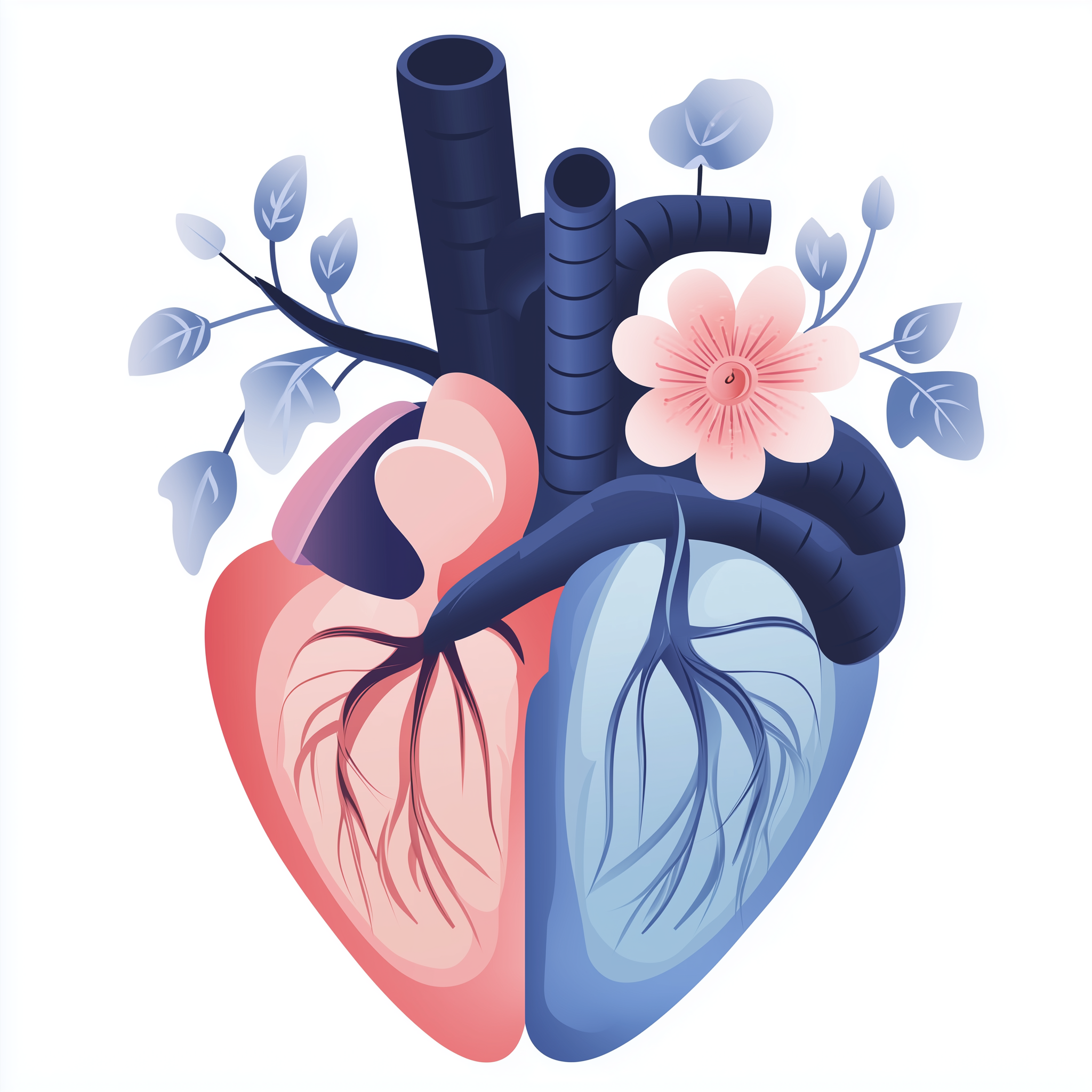
The primary organ affected in dilated cardiomyopathy (TTN-truncating) is the heart, specifically the left ventricle. This is the main pumping chamber responsible for circulating oxygenated blood to the rest of the body. In this condition, the walls of the left ventricle become stretched and thinned, leading to an overall enlargement of the chamber.
This structural change directly impairs the heart's ability to contract effectively, reducing its ejection fraction - the percentage of blood pumped out with each beat. Over time, the other chambers of the heart may also enlarge, and the heart's valves can be affected, potentially leading to leaky valves (regurgitation) which further reduces pumping efficiency. While the impact is predominantly on the heart, the reduced cardiac output can indirectly affect other organ systems by compromising their blood supply, potentially leading to symptoms related to kidney function, liver congestion, or brain perfusion, particularly in advanced stages of heart failure.

Risks & severity
The severity of dilated cardiomyopathy (TTN-truncating) is highly variable. Some individuals carrying a TTN truncating variant may never develop significant heart problems, a phenomenon known as reduced penetrance. Others may develop mild symptoms that are managed effectively for many years, while a subset may experience severe and progressive heart failure requiring advanced treatments like heart transplantation [PMID:31548079]. The lifetime risk of developing symptomatic DCM in individuals with a TTN truncating variant is estimated to be significant, though precise figures can vary across studies. Onset of symptoms typically occurs in adulthood, but it can present in childhood or adolescence, though this is less common.
Potential complications associated with TTNtv-DCM include progressive heart failure, which can significantly impact quality of life and longevity. Abnormal heart rhythms (arrhythmias), including atrial fibrillation and ventricular arrhythmias, are also common and can sometimes lead to sudden cardiac death. Blood clots can form in enlarged heart chambers due to stagnant blood flow, increasing the risk of stroke or other embolic events. Regular cardiac surveillance is crucial for individuals with a known TTN truncating variant to monitor heart function and detect any changes early, allowing for timely intervention.
Genetic causes
Dilated cardiomyopathy (TTN-truncating) is caused by specific types of genetic changes, known as truncating variants, in the *TTN* gene. The *TTN* gene provides instructions for making a protein called titin. Titin is the largest known human protein and plays a crucial role in the structure, elasticity, and passive stiffness of muscle, particularly cardiac muscle [PMID:31548079]. It acts as a molecular spring within muscle cells, helping to maintain the structural integrity of the sarcomere, the basic contractile unit of muscle, and contributing to the heart's ability to relax and contract.
Truncating variants in *TTN* are genetic changes that lead to a shortened, non-functional version of the titin protein. These variants typically include nonsense variants, frameshift variants, and splice-site variants that result in premature termination of protein synthesis. When the titin protein is truncated, it can disrupt the normal architecture and function of the heart muscle cells. This disruption weakens the heart muscle over time, leading to the enlargement and reduced pumping ability characteristic of dilated cardiomyopathy.
While *TTN* truncating variants are a common genetic cause of DCM, the precise mechanism by which they lead to the disease is still an area of active research. It is thought that the abnormal titin protein may not integrate correctly into the sarcomere, or that the body's cells may attempt to compensate for the defective protein, leading to stress on the cardiac muscle and eventual dysfunction.
- TTN titin
Inheritance pattern
Dilated cardiomyopathy (TTN-truncating) is inherited in an autosomal dominant pattern. This means that a person only needs to inherit one copy of the altered *TTN* gene from one parent to be at an increased risk of developing the condition. The presence of a normal copy of the gene cannot compensate for the effect of the altered copy.
If one parent has a *TTN* truncating variant, there is a 50% chance that each child they have will inherit the altered gene. This probability applies to each pregnancy independently. Individuals who inherit the altered gene may or may not develop symptoms of dilated cardiomyopathy due to variable penetrance, as discussed previously. Family members of an affected individual, such as siblings, parents, and children, may be offered genetic counselling and testing to determine if they also carry the *TTN* truncating variant and to assess their risk of developing the condition.
Each child has a 50% chance of inheriting the pathogenic variant, regardless of sex.
Diagnosis & testing
Diagnosing dilated cardiomyopathy (TTN-truncating) typically involves a combination of clinical assessment, cardiac imaging, and genetic testing. A clinical diagnosis of dilated cardiomyopathy is often made based on symptoms like breathlessness or fatigue, combined with findings from tests such as an echocardiogram (an ultrasound of the heart) that shows an enlarged and weakened left ventricle. Other tests like an electrocardiogram (ECG) and cardiac MRI may also be used to assess heart structure and function.
Once DCM is diagnosed, or if there is a family history of the condition, genetic testing is often recommended to identify the underlying cause. For TTNtv-DCM, this involves a blood test to analyse the *TTN* gene for truncating variants. Genetic testing is usually arranged through a clinical genetics service or specialist cardiology clinic. The relevant NHS Genomic Medicine Service R-code for inherited cardiac conditions, including dilated cardiomyopathy, would typically be R100. Identifying a pathogenic *TTN* truncating variant confirms the genetic diagnosis and can have implications for family screening and management.
Management & lifestyle
The management of dilated cardiomyopathy (TTN-truncating) focuses on alleviating symptoms, preventing disease progression, and reducing the risk of complications. Management plans are individualised and overseen by a cardiologist, often in conjunction with a clinical geneticist. Medical treatment typically involves medications to improve heart function, reduce fluid retention, and control blood pressure. These may include ACE inhibitors, beta-blockers, diuretics, and mineralocorticoid receptor antagonists, among others.
For individuals at risk of dangerous heart rhythms, an implantable cardioverter-defibrillator (ICD) may be recommended. In some cases, cardiac resynchronisation therapy (CRT) using a specialised pacemaker might be considered to improve the heart's pumping efficiency. Regular monitoring of heart function, usually with echocardiograms, is essential to track the condition's progression and adjust treatments as needed.
Lifestyle modifications, such as following a heart-healthy diet, maintaining a healthy weight, regular physical activity as advised by a doctor, and avoiding smoking and excessive alcohol, are also important components of management. In advanced stages of heart failure, heart transplantation may be considered as a treatment option. Genetic counsellors play a vital role in discussing the implications of the diagnosis for patients and their families, including options for family screening and reproductive choices.
UK care pathway
In the UK, individuals with suspected or confirmed dilated cardiomyopathy (TTN-truncating) are typically managed through specialist cardiac services within the National Health Service (NHS). If a genetic cause is suspected, referral to a clinical genetics service is usually made. This pathway involves a team of healthcare professionals, including cardiologists, clinical geneticists, and genetic counsellors.
Genetic testing for inherited cardiac conditions, including TTNtv-DCM, is available through the NHS Genomic Medicine Service. This is guided by specific National Genomic Test Directory R-codes, such as R100 for inherited cardiomyopathy. Following a diagnosis, genetic counsellors provide crucial support, offering information about the condition, its inheritance pattern, and the implications for family members. They also facilitate cascade screening, where at-risk relatives are offered genetic testing and cardiac screening.
Frequently asked questions
What does 'truncating' mean in relation to the TTN gene?
A 'truncating' variant in the *TTN* gene means there's a genetic change that causes the protein made from that gene to be cut short, or 'truncated'. This results in a non-functional or partially functional protein, which can disrupt the normal structure and function of heart muscle cells, leading to dilated cardiomyopathy.
If I have a TTN truncating variant, will I definitely get dilated cardiomyopathy?
Not necessarily. While carrying a *TTN* truncating variant increases your risk, not everyone who inherits it will develop symptoms of dilated cardiomyopathy. This is known as reduced penetrance. Some people may never experience heart problems, while others might develop symptoms later in life or more severely. Regular cardiac screening is important to monitor your heart health.
How often should I have my heart checked if I have this condition?
The frequency of heart checks will be determined by your cardiologist, based on your specific condition, symptoms, and the severity of your heart's function. Typically, this involves regular echocardiograms and other cardiac assessments. It's important to follow your medical team's advice for surveillance.
Can dilated cardiomyopathy (TTN-truncating) be passed on to children?
Yes, dilated cardiomyopathy (TTN-truncating) is inherited in an autosomal dominant pattern. If you have a *TTN* truncating variant, there is a 50% chance that each child you have will inherit the altered gene. Genetic counselling can provide more detailed information and discuss options for family planning.
Are there any specific lifestyle changes I should make?
Yes, lifestyle modifications can be an important part of managing dilated cardiomyopathy. These generally include adopting a heart-healthy diet, maintaining a healthy weight, engaging in regular physical activity as advised by your doctor, avoiding smoking, and limiting alcohol intake. Your medical team can provide tailored advice.