

On this page
Dyskeratosis congenita (X-linked)
This condition can lead to bone marrow failure, increasing risks of infections and bleeding. It typically affects males due to its X-linked inheritance pattern, though females can be carriers or sometimes show milder symptoms.
Available at Jeen Health
Clinical tests that include this
Overview
Dyskeratosis congenita (X-linked), sometimes abbreviated as DC, is a rare genetic disorder that impacts several parts of the body. Key features often include changes to the skin pigmentation, distinctive nail abnormalities, and significant problems with bone marrow function [PMID:33671239]. The condition typically presents with a range of symptoms that can vary in severity between affected individuals. While considered rare, understanding its systemic impact is crucial for early diagnosis and appropriate management.
Symptoms & clinical features
Individuals with Dyskeratosis congenita (X-linked) often develop a characteristic triad of symptoms: abnormal skin pigmentation, nail dystrophy, and white patches in the mouth (oral leukoplakia) [PMID:19307590]. Skin changes typically involve a lacy, net-like pattern of hyperpigmentation (darker skin patches), particularly on the neck and chest. Nails may become thin, ridged, or lose their structure completely. Oral leukoplakia can increase the risk of developing oral cancer.
Beyond these classic signs, individuals can experience other problems such as bone marrow failure, which means the body cannot produce enough healthy blood cells. This can lead to anaemia (low red blood cells), frequent infections (due to low white blood cells), and easy bruising or bleeding (due to low platelets) [PMID:19307590]. Other possible features include developmental delays, lung problems (pulmonary fibrosis), abnormalities of the tear ducts or oesophagus, and an increased risk of certain cancers.
Video: Genetics 101
Affected organs
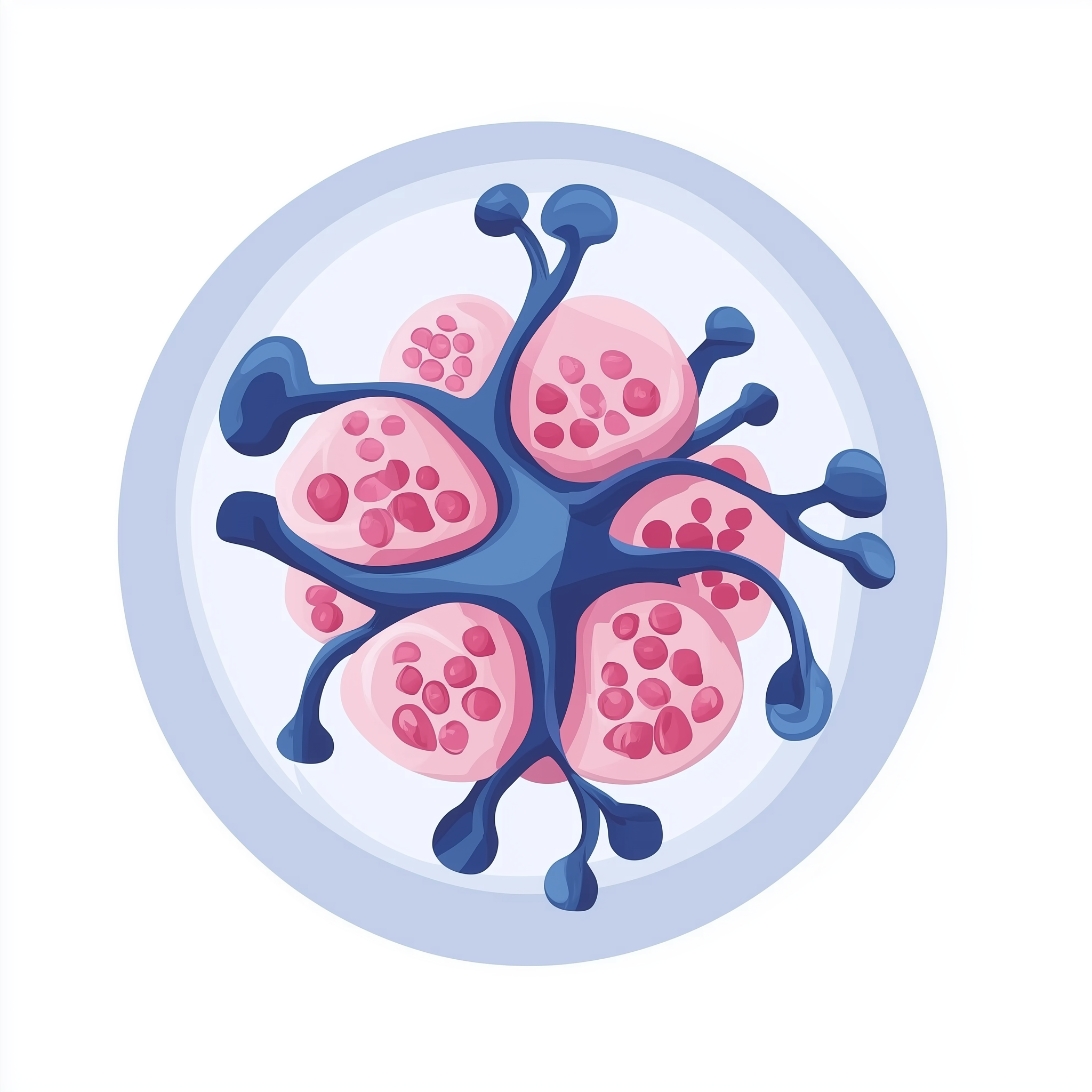
Dyskeratosis congenita (X-linked) primarily affects the skin, nails, and mucous membranes (like those in the mouth), leading to characteristic changes. However, its impact extends to several vital internal body systems. The bone marrow is critically affected, often resulting in bone marrow failure and related blood disorders such as anaemia and immunodeficiency. The lungs can be impacted, potentially leading to pulmonary fibrosis, a condition where lung tissue becomes scarred and stiff. The gastrointestinal tract may also be affected, with issues in the oesophagus and other areas. Additionally, the condition can affect the brain and nervous system, leading to developmental differences in some individuals.

Risks & severity
The severity of Dyskeratosis congenita (X-linked) can vary significantly, even within the same family. The condition typically presents in childhood, but symptoms can emerge at different ages. A major long-term risk is progressive bone marrow failure, which is a leading cause of morbidity and mortality for affected individuals. This can necessitate stem cell transplantation in some cases.
Individuals with Dyskeratosis congenita also have a higher lifetime risk of developing certain cancers, including squamous cell carcinoma of the skin, head and neck, and gastrointestinal tract [PMID:33671239]. Lung disease, particularly pulmonary fibrosis, is another serious complication that can impact quality of life and lifespan. Regular monitoring and proactive management are crucial to address these potential risks.
Genetic causes
Dyskeratosis congenita (X-linked) is caused by pathogenic variants in the DKC1 gene. The DKC1 gene provides instructions for making a protein called dyskerin. This protein is essential for the healthy functioning of cells throughout the body.
Dyskerin plays a vital role in two key cellular processes: maintaining telomeres and processing ribosomal RNA (rRNA). Telomeres are protective caps at the ends of chromosomes, important for maintaining genomic stability. Dyskerin helps ensure telomeres are properly maintained, preventing them from becoming too short [PMID:19307590]. It also assists in the production of ribosomes, the cellular machinery that creates proteins. When DKC1 is altered by a pathogenic variant, these crucial functions can be disrupted, leading to prematurely shortened telomeres and impaired protein production, which underpins the diverse symptoms seen in Dyskeratosis congenita.
- DKC1 dyskerin pseudouridine synthase 1The DKC1 gene provides instructions for producing dyskerin, a protein vital for maintaining telomere stability and ribosomal RNA production, impacting cell division and overall cellular health.
Inheritance pattern
Dyskeratosis congenita (X-linked) follows an X-linked recessive inheritance pattern. This means the DKC1 gene is located on the X chromosome, one of the two sex chromosomes. Males have one X and one Y chromosome, so if they inherit a pathogenic variant on their single X chromosome, they will typically develop the condition.
Females have two X chromosomes. If a female inherits a pathogenic variant on one X chromosome, the other healthy X chromosome can often compensate, so they are usually carriers and do not develop severe symptoms. However, carrier females can sometimes experience milder features of the condition. Affected males cannot pass the condition to their sons but will pass the pathogenic variant to all of their daughters, who will then be carriers. Carrier females have a 50% chance with each pregnancy of passing the pathogenic variant to their children; sons who inherit it will be affected, and daughters will be carriers.
X-linked recessive: sons of a carrier mother have a 50% chance of being affected. Daughters have a 50% chance of being carriers.
Diagnosis & testing
Diagnosing Dyskeratosis congenita involves a combination of clinical evaluation and genetic testing. A healthcare professional will look for the characteristic physical signs, such as skin pigmentation changes, nail dystrophy, and oral leukoplakia. Blood tests may also be performed to assess bone marrow function and identify any anaemia or immune deficiencies.
Confirmation of Dyskeratosis congenita (X-linked) is achieved through genetic testing that identifies pathogenic variants in the DKC1 gene. This testing is available through the NHS Genomic Medicine Service (GMS) and is typically requested by a clinical geneticist or a specialist haematologist. The relevant R-codes for genetic testing for inherited bone marrow failure syndromes, including Dyskeratosis congenita, would be used as part of the GMS testing directory.
Management & lifestyle
Due to the multi-system nature of Dyskeratosis congenita (X-linked), management strategies involve a multidisciplinary team of specialists, including haematologists, dermatologists, respiratory specialists, and oncologists. The focus of care is to manage symptoms, monitor for complications, and minimise risks. Regular surveillance for bone marrow failure, typically involving frequent blood counts, is essential. Treatments for bone marrow failure can include blood transfusions, medications to stimulate blood cell production, and in severe cases, stem cell transplantation.
Monitoring for cancer development, particularly squamous cell carcinoma, is an important part of ongoing care. This might involve regular dermatological examinations and oral screenings. Pulmonary function tests are also often conducted to monitor for lung disease. Individuals and families are supported by clinical genetics services and genetic counsellors who can provide information about the condition, inheritance patterns, and reproductive options, as well as psychosocial support.
UK care pathway
In the UK, individuals suspected of having Dyskeratosis congenita (X-linked) would typically be referred to a clinical geneticist or a specialist within the NHS Genomic Medicine Service. This referral usually follows initial clinical observations by an attending paediatrician or another specialist. The GMS provides access to specialist diagnostic genetic testing, which is crucial for confirming the diagnosis, often utilising specific R-codes from the National Genomic Test Directory. Genetic counsellors play a key role in supporting families, explaining the inheritance patterns, and discussing implications for other family members.
Frequently asked questions
How rare is Dyskeratosis congenita (X-linked)?
Dyskeratosis congenita (X-linked) is considered a very rare condition. Its exact prevalence is not well established, but it is one of several forms of dyskeratosis congenita.
Can females be affected by Dyskeratosis congenita (X-linked)?
Because the condition is X-linked, males are more commonly and severely affected. Females are typically carriers, but some carrier females can show milder symptoms due to a process called X-inactivation, where one of their two X chromosomes is randomly 'switched off' in their cells.
What is bone marrow failure?
Bone marrow failure is a serious complication where the bone marrow, located inside your bones, stops producing enough healthy blood cells (red cells, white cells, and platelets). This can lead to anaemia, frequent infections, and problems with bleeding or bruising.
What is the life expectancy for someone with Dyskeratosis congenita (X-linked)?
Life expectancy for individuals with Dyskeratosis congenita (X-linked) can vary significantly depending on the severity of their symptoms and the development of complications like bone marrow failure, lung disease, or cancer. With advances in medical care, management has improved, but it remains a serious condition.
Is there a cure for Dyskeratosis congenita (X-linked)?
Currently, there is no cure for Dyskeratosis congenita (X-linked). However, treatments are available to manage symptoms and complications, such as blood transfusions, medications, and sometimes stem cell transplantation for bone marrow failure. Ongoing research aims to develop new therapeutic approaches.
References
- Gonçalves Ramos LL, Plaza Pinto I, Deb R. Copy Number Gain at Xq28 in a Child with Global Developmental Delay Associated with a Variant Form of Hoyeraal-Hreidarsson Syndrome. Molecular syndromology. 2019. PMID: 31602194
- Tamhankar PM, Zhao M, Kanegane H. Identification of DKC1 gene mutation in an Indian patient. Indian journal of pediatrics. 2010. PMID: 20091372