

On this page
Early-onset Alzheimer disease (APP)
This form of Alzheimer disease is caused by specific changes in the APP gene and is passed down through families. It leads to problems with memory, thinking, and daily functions, usually starting earlier in life than more common forms of Alzheimer disease.
Overview
Early-onset Alzheimer disease (EOAD) linked to the APP gene is a type of dementia characterised by a decline in cognitive functions, such as memory, thinking, and reasoning. Unlike the more common forms of Alzheimer disease, which typically begin after age 65, EOAD often presents between the ages of 30 and 65. This condition is progressive, meaning symptoms gradually worsen over time, significantly impacting a person's ability to carry out everyday activities.
While Alzheimer disease in general affects many individuals, the genetic, early-onset forms are considerably rarer. The underlying biology involves changes in brain chemistry and structure, leading to cell damage and loss in critical brain regions responsible for memory and thought. Understanding the genetic basis, particularly variants in the APP gene, helps explain why some families experience this condition at an earlier age.
Symptoms & clinical features
The initial symptoms of early-onset Alzheimer disease linked to APP variants often include subtle changes in memory and difficulties with language or problem-solving. Individuals may struggle to recall recent events, follow conversations, or manage complex tasks they previously found easy [PMID:35773130]. These symptoms are similar to those seen in later-onset Alzheimer disease but manifest at an earlier age.
As the disease progresses, cognitive difficulties become more pronounced. This can lead to impaired judgment, disorientation regarding time and place, and significant challenges with daily activities. Behavioural and psychological changes, such as mood swings, increased anxiety, or apathy, may also become apparent. The rate of progression can vary between individuals, but the overall trajectory is one of gradual deterioration of cognitive and functional abilities.
Video: Genetics 101
Affected organs
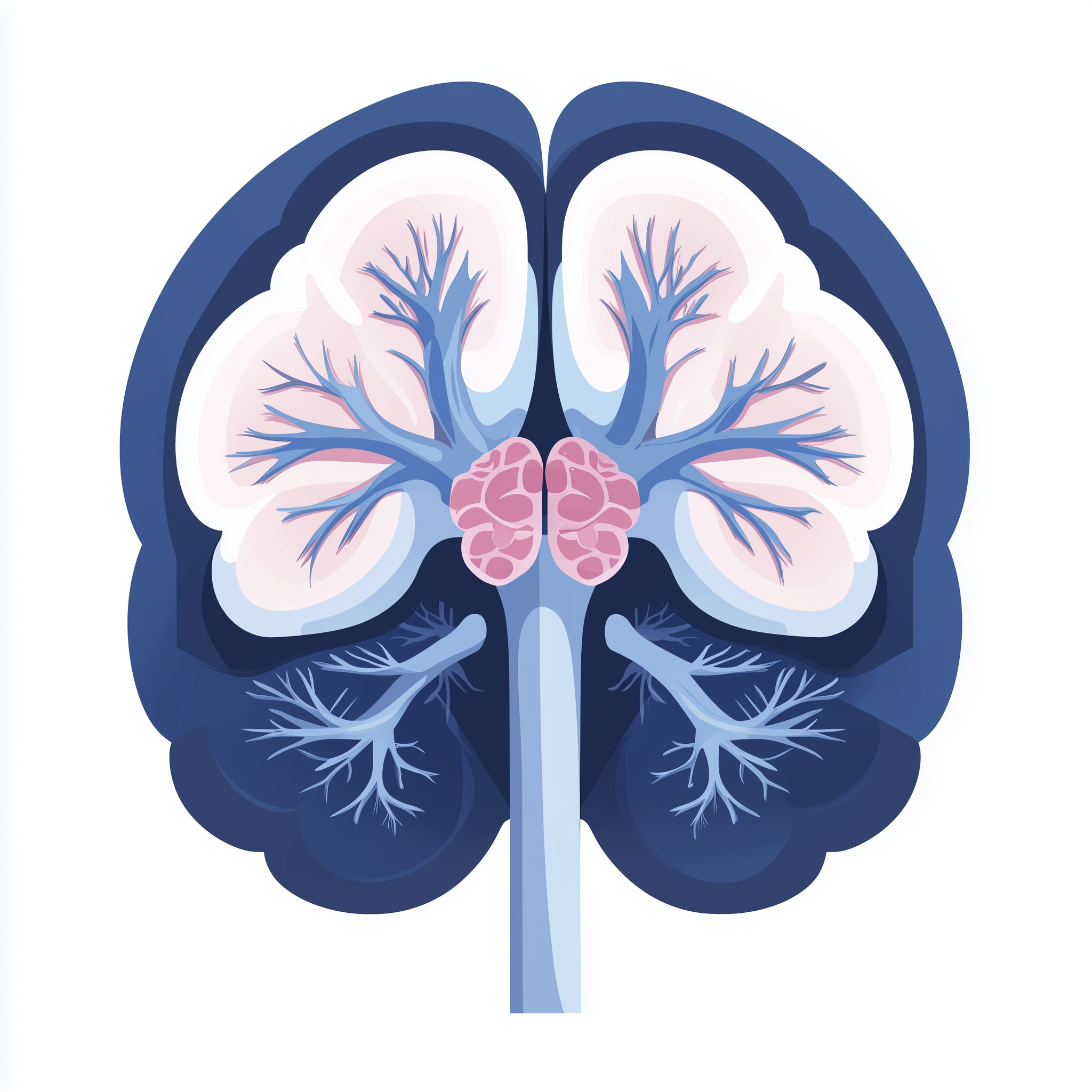
Early-onset Alzheimer disease primarily affects the brain. The disease is characterised by the accumulation of abnormal protein deposits, specifically amyloid plaques and tau tangles, within the brain tissue. These deposits are thought to disrupt communication between nerve cells and lead to the progressive death of neurons.
Over time, this neuronal loss results in shrinkage of specific brain regions, particularly those involved in memory (like the hippocampus) and higher-level cognitive functions (like the cerebral cortex). While the primary impact is neurological, the consequences of cognitive decline can indirectly affect other body systems due to impaired self-care and mobility in later stages of the disease.

Risks & severity
Early-onset Alzheimer disease associated with APP gene variants is a severe, progressive condition. The lifetime risk of developing the condition for individuals carrying a pathogenic APP variant is very high, often approaching 100% penetrance. Symptoms typically begin between the 30s and 60s, with an average onset often in the 40s or 50s [PMID:35773130].
Disease severity increases over time, leading to significant cognitive impairment and dependence on carers. The duration of the illness can range from a few years to more than a decade after symptom onset, varying among individuals. This form of Alzheimer disease generally follows a strong familial pattern due to its autosomal dominant inheritance.
Genetic causes
Early-onset Alzheimer disease linked to the APP gene is caused by pathogenic variants in the APP (amyloid beta precursor protein) gene. The APP gene provides instructions for making a protein found in many tissues, including the brain. This APP protein is normally broken down into smaller fragments.
In individuals with specific APP variants, the APP protein is processed abnormally, leading to the excessive production and accumulation of a specific fragment called amyloid beta-peptide. This peptide is a primary component of the amyloid plaques observed in the brains of individuals with Alzheimer disease [PMID:33671236]. These plaques are believed to be toxic to nerve cells, initiating the cascade of neuronal damage and cell death that characterises the disease.
- APP amyloid beta precursor protein
Inheritance pattern
Early-onset Alzheimer disease associated with the APP gene typically follows an autosomal dominant inheritance pattern. This means that a person only needs to inherit one copy of the altered APP gene from one parent to develop the condition. Each child of an affected parent has a 50% chance of inheriting the pathogenic gene variant.
Individuals who inherit the altered gene variant will almost certainly develop symptoms, though the exact age of onset can vary within families. This inheritance pattern means the condition can often be observed in multiple generations of a family, with a direct parent-to-child transmission.
Each child has a 50% chance of inheriting the pathogenic variant, regardless of sex.
Diagnosis & testing
Diagnosing early-onset Alzheimer disease involves a comprehensive clinical assessment, including a detailed medical history, neurological examination, and cognitive testing. Brain imaging (such as MRI, CT, or PET scans) may also be used to look for characteristic brain changes and to rule out other causes of dementia. Confirmation of a specific underlying genetic cause, such as an APP gene variant, requires genetic testing.
Genetic testing for suspected inherited forms of Alzheimer disease is usually initiated by a neurologist or a clinical genetics specialist within the NHS. The NHS Genomic Medicine Service provides genetic testing through specific R-codes, such as R180 for early-onset dementia, which includes testing for variants in the APP gene among others. A referral to clinical genetics allows for pre-test counselling to discuss the implications of genetic findings for the individual and their family.
Management & lifestyle
While there is currently no cure for early-onset Alzheimer disease, management focuses on supportive care to help manage symptoms and improve quality of life. This can include medications prescribed to help with cognitive symptoms, such as memory loss, though these treatments primarily address symptoms rather than halting disease progression.
Individuals often benefit from multidisciplinary support, including occupational therapy to help with daily tasks, speech and language therapy, and psychological support for both the individual and their family. Regular follow-ups with a neurologist are important for monitoring disease progression and adjusting symptom management strategies. Joining support groups can also provide valuable assistance and connect families with shared experiences. Management within the NHS typically follows established dementia care pathways, with specialist input from memory clinics and neurology teams.
UK care pathway
In the UK, suspected cases of early-onset Alzheimer disease, particularly when there is a family history, often lead to a referral to a neurologist or a clinical genetics service within the NHS. Genetic testing is typically requested through the NHS Genomic Medicine Service (GMS) pathways, using relevant R-codes such like R180 for early-onset dementia panels. A genetic counsellor plays a crucial role in providing information and support before and after genetic testing, helping families understand the implications of a diagnosis.
Frequently asked questions
What is the typical age of onset for early-onset Alzheimer disease linked to APP?
Symptoms for early-onset Alzheimer disease associated with the APP gene typically begin between the ages of 30 and 65, often in a person's 40s or 50s. This is earlier than the more common forms of Alzheimer disease, which usually start after age 65.
How is early-onset Alzheimer disease inherited?
This condition is inherited in an autosomal dominant pattern. This means that if one parent has a pathogenic APP gene variant, each of their children has a 50% chance of inheriting that variant and developing the disease.
Can genetic testing confirm early-onset Alzheimer disease due to APP?
Yes, genetic testing can identify pathogenic variants in the APP gene, which can confirm a diagnosis of early-onset Alzheimer disease. This testing is usually arranged by a neurologist or clinical genetics specialist within the NHS as part of an R180 early-onset dementia panel.
Is there a cure for early-onset Alzheimer disease?
Currently, there is no cure for early-onset Alzheimer disease. Management focuses on supportive treatments to help manage symptoms and improve quality of life, alongside multidisciplinary care from neurology, occupational therapy, and other specialists.
What support is available for families affected by this condition?
Families can receive support from clinical genetics teams, genetic counsellors, neurologists, and memory clinics within the NHS. Additionally, charities and support groups focused on dementia and Alzheimer disease can provide valuable resources, advice, and a community for affected families.