

On this page
Early-onset Alzheimer disease (PSEN1)
This condition leads to progressive memory loss and other cognitive impairments, usually starting in a person's 30s, 40s, or 50s. It arises from specific changes in the PSEN1 gene and is passed down in families.
Overview
Early-onset Alzheimer disease (EOAD) caused by changes in the PSEN1 gene is a form of Alzheimer disease that appears at a younger age than the more common sporadic type. Unlike typical Alzheimer disease, which usually affects individuals over 65, EOAD often begins between the ages of 30 and 65, though onset can vary [PMID:25721869]. It is a progressive neurodegenerative condition, meaning that symptoms worsen over time as brain cells are damaged and lost.
Symptoms & clinical features
The primary symptoms of Early-onset Alzheimer disease involve a gradual decline in cognitive abilities. This often begins with memory problems, particularly difficulties remembering new information or recent events. As the condition progresses, individuals may experience increasing difficulties with language, such as finding words or understanding conversations, and may have trouble with visual-spatial tasks, like navigating familiar places [PMID:25721869].
Other symptoms can include changes in personality and behaviour, impaired judgement, and problems with daily activities such as managing finances or personal care. In some instances, seizures, movement disorders, or psychiatric symptoms like depression may also be observed, especially as the disease advances.
Video: Genetics 101
Affected organs
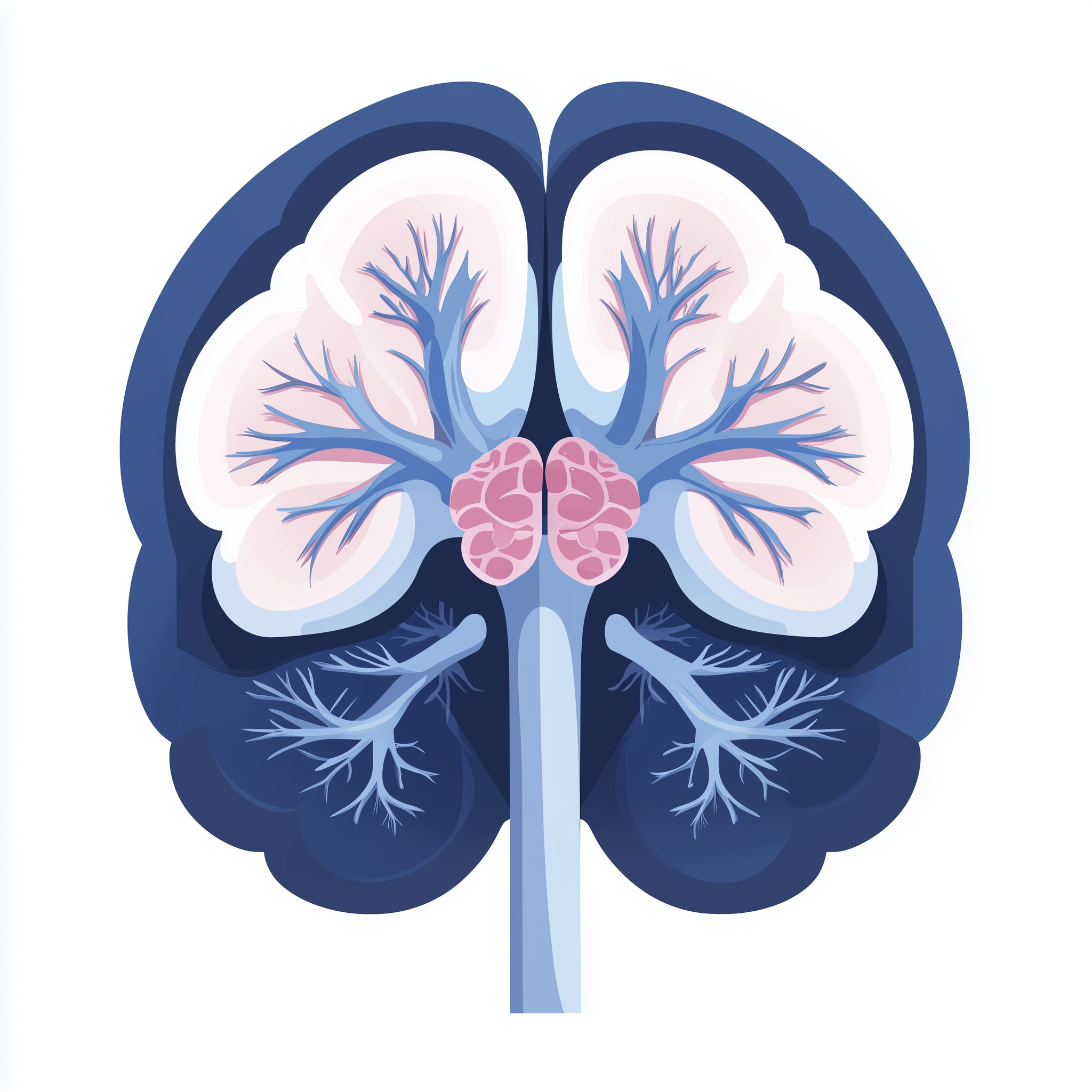
Early-onset Alzheimer disease primarily affects the brain. The progressive damage and loss of brain cells (neurons) mainly occur in areas responsible for memory, thought, and language. Over time, these changes lead to brain shrinkage, particularly in parts like the hippocampus, crucial for memory formation [PMID:24269151]. The specific protein abnormalities seen in Alzheimer disease, such as amyloid plaques and tau tangles, accumulate within the brain tissue, disrupting normal brain function.

Risks & severity
Early-onset Alzheimer disease due to PSEN1 variants is a severe, progressive condition. The age of symptom onset is highly variable, ranging from the late 20s to the 60s, but is most commonly in the 30s, 40s, or 50s [PMID:25721869]. Once symptoms begin, the disease typically follows a course similar to late-onset Alzheimer disease, with a gradual but continuous decline in cognitive and functional abilities.
The condition significantly shortens life expectancy, with the duration from onset of symptoms to death typically ranging from 6 to 10 years, though this can vary between individuals. This form of Alzheimer disease is rare, but inherited cases account for a small percentage of all Alzheimer disease diagnoses.
Genetic causes
Early-onset Alzheimer disease can be caused by pathogenic variants in several genes including PSEN1. The PSEN1 gene provides instructions for making a protein called presenilin 1, which is part of a larger protein complex known as gamma-secretase [PMID:24269151]. This complex is essential for processing other proteins, including amyloid-beta precursor protein (APP).
Pathogenic variants in PSEN1 alter the normal function of presenilin 1, leading to an increased production of a specific, toxic form of amyloid-beta peptide, amyloid-beta 42. This peptide is prone to clumping together and forming abnormal deposits called amyloid plaques in the brain, which are a hallmark of Alzheimer disease. The accumulation of these plaques is believed to trigger a cascade of events that ultimately leads to nerve cell damage and brain dysfunction.
- PSEN1 presenilin 1
Inheritance pattern
Early-onset Alzheimer disease caused by PSEN1 variants is inherited in an autosomal dominant pattern. This means that a person only needs to inherit one copy of the altered gene from one parent to develop the condition. Each child of an affected parent has a 50% chance (1 in 2) of inheriting the pathogenic variant and therefore the condition.
Individuals who inherit the altered PSEN1 gene typically develop symptoms of Early-onset Alzheimer disease. The condition does not skip generations; if a person has the pathogenic variant, they will generally show symptoms, although the age of onset can vary.
Each child has a 50% chance of inheriting the pathogenic variant, regardless of sex.
Diagnosis & testing
Diagnosis of Early-onset Alzheimer disease usually involves a comprehensive clinical evaluation, including a detailed medical history, neurological examination, and cognitive assessments. Brain imaging, such as MRI or PET scans, may be used to identify changes in brain structure or function. Confirmation of a genetic cause, such as a pathogenic variant in PSEN1, requires genetic testing.
Within the NHS, individuals with suspected Early-onset Alzheimer disease or a family history of the condition are typically referred to specialist neurological services or clinical genetics teams. Genetic testing for genes associated with EOAD, including PSEN1, can be accessed via the NHS Genomic Medicine Service (GMS) under relevant R-codes following a referral from a specialist clinician. Genetic counselling is an important part of this process, supporting individuals and families through testing decisions and result interpretation.
Management & lifestyle
Currently, there is no cure for Early-onset Alzheimer disease, and management focuses on supporting individuals and managing symptoms. Medical treatments, such as cholinesterase inhibitors and memantine, may be prescribed to help manage some cognitive and behavioural symptoms, though their effectiveness can vary. These treatments aim to slow the progression of symptoms rather than reverse the damage.
Supportive care is crucial, including occupational therapy, speech and language therapy, and psychological support. Lifestyle adjustments, such as maintaining physical activity, a balanced diet, and engaging in mentally stimulating activities, may also contribute to overall well-being. NHS care pathways involve a multidisciplinary team approach, often coordinated through memory clinics or specialist neurology services, to provide comprehensive support and care for individuals and their families. Genetic counsellors can provide information and support to families regarding inheritance and future planning.
UK care pathway
In the UK, individuals and families affected by suspected inherited neurological conditions, including Early-onset Alzheimer disease, often enter the NHS Genomic Medicine Service (GMS) pathway. This typically begins with a referral from a GP or specialist to a clinical genetics service. Genetic counsellors play a key role in explaining the implications of genetic testing, which may be coordinated under specific R-codes from the NHS National Genomic Test Directory. This ensures equitable access to appropriate genomic testing and interpretation.
Frequently asked questions
What is the typical age of onset for PSEN1-related Early-onset Alzheimer disease?
Symptoms of this condition typically begin between the ages of 30 and 65. However, there can be significant variation, with some individuals showing symptoms earlier or later within this range [PMID:25721869].
Is PSEN1-related Early-onset Alzheimer disease inherited?
Yes, it is inherited in an autosomal dominant manner. This means that if one parent has the genetic variant, there is a 50% chance that each child will inherit the variant and develop the condition.
Can genetic testing confirm if I have PSEN1-related Early-onset Alzheimer disease?
Genetic testing can identify pathogenic variants in the PSEN1 gene. If there is a family history or clinical suspicion, a specialist doctor or genetic counsellor can discuss whether genetic testing is appropriate for you through the NHS Genomic Medicine Service.
Is there a cure for Early-onset Alzheimer disease due to PSEN1 variants?
Currently, there is no cure for Early-onset Alzheimer disease. Management focuses on treating symptoms and providing supportive care to improve quality of life. Research is ongoing into new therapies.
How does PSEN1 affect the brain?
The PSEN1 gene helps produce a protein involved in processing other proteins, including one that leads to amyloid-beta peptides. Changes in PSEN1 can cause an overproduction of a harmful form of amyloid-beta, which accumulates in the brain as plaques, contributing to nerve cell damage and brain dysfunction [PMID:24269151].