

On this page
Familial cortical myoclonus with epilepsy (FAME)
FAME typically begins in adolescence or early adulthood, causing brief muscle jerks (myoclonus) that worsen with movement and generalised seizures. The condition follows an autosomal dominant inheritance pattern, meaning it often affects multiple family members across generations. Though symptoms can be disabling, the condition does not typically cause progressive cognitive decline.
Overview
Familial cortical myoclonus with epilepsy represents a distinct group of inherited movement disorders where affected individuals experience both myoclonic jerks and epileptic seizures. The myoclonus - sudden, brief, involuntary muscle contractions - arises from abnormal electrical activity in the cerebral cortex, the outer layer of the brain responsible for voluntary movement and higher mental functions. This cortical origin distinguishes FAME from other forms of myoclonus that may arise from deeper brain structures.
The condition is rare, though exact prevalence figures are not well established. FAME typically emerges during adolescence or young adulthood, though onset age can vary between families. Because it follows an autosomal dominant pattern, the condition often affects multiple generations within a family, which can help clinicians recognise the familial nature of symptoms. The clinical course is generally non-progressive in terms of cognitive function, meaning most affected individuals maintain their intellectual abilities throughout life, though the physical symptoms may impact quality of life and daily activities.
Several genetic loci have been linked to FAME in different families worldwide, suggesting genetic heterogeneity - multiple different genetic causes can produce similar clinical features. Research continues to identify the specific genetic variants responsible in different kindreds, which may eventually help explain variation in severity and specific symptoms between families.
Symptoms & clinical features
The hallmark feature of FAME is cortical myoclonus, which manifests as sudden, brief, shock-like muscle jerks. These jerks are typically action-sensitive, meaning they become more pronounced when individuals attempt voluntary movements such as reaching for objects, writing, or eating. The myoclonus commonly affects the hands and arms but can involve other body parts. Some affected individuals experience tremor-like movements that represent very frequent, small-amplitude myoclonic jerks. These involuntary movements can significantly interfere with fine motor tasks and coordination.
Generalised tonic-clonic seizures - what were previously called grand mal seizures - occur in most individuals with FAME, though seizure frequency varies considerably. These seizures involve loss of consciousness and convulsive movements affecting the entire body. The seizures typically respond reasonably well to antiepileptic medications, and many affected individuals experience relatively infrequent seizures once treatment is established. Some people with FAME may also experience absence seizures or other seizure types. Unlike some progressive myoclonic epilepsies, FAME does not typically cause cognitive decline, cerebellar ataxia (balance and coordination problems), or visual impairment, which helps distinguish it from other conditions combining myoclonus and epilepsy.
Video: Genetics 101
Affected organs
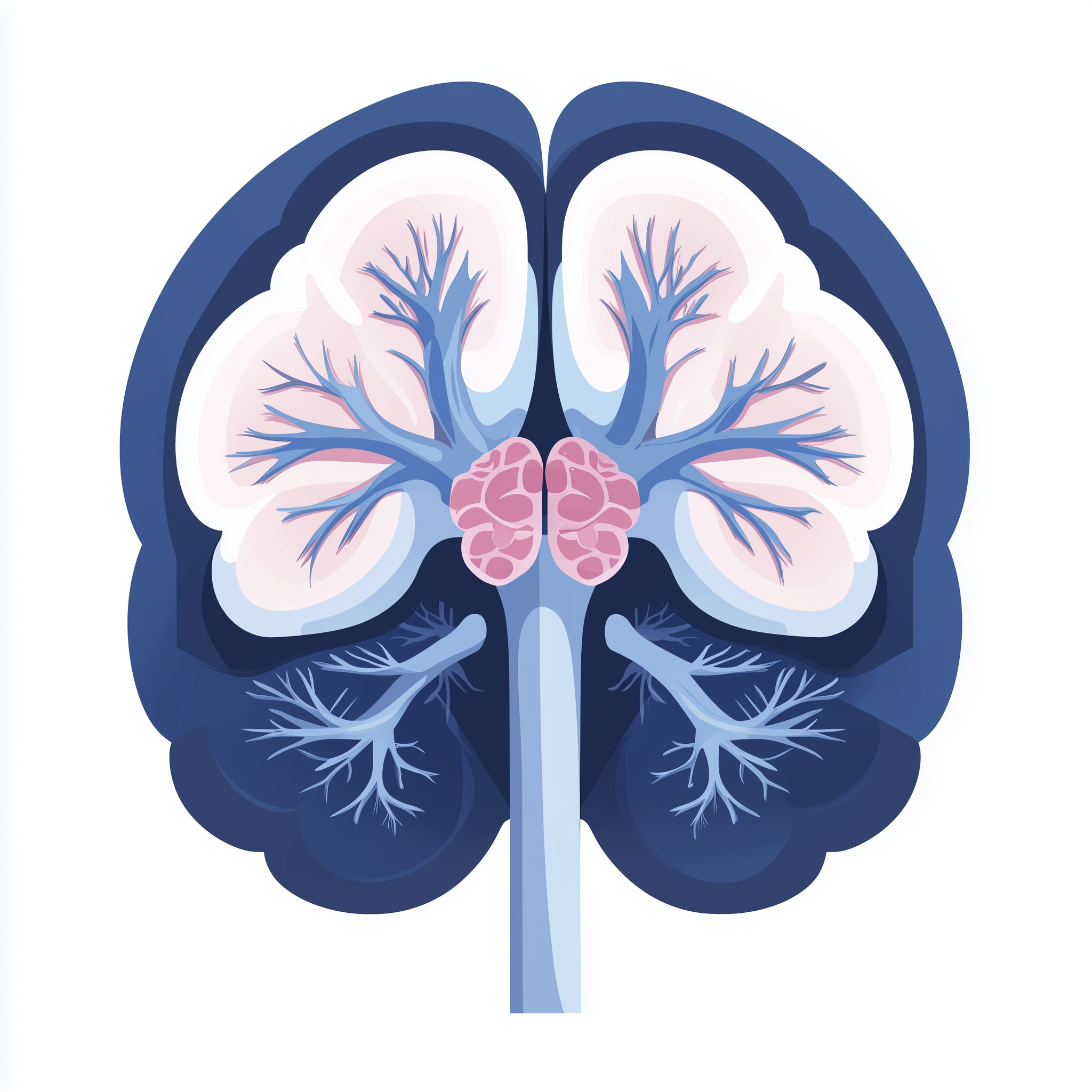
FAME primarily affects the central nervous system, specifically the cerebral cortex. Neurophysiological studies using electroencephalography (EEG) reveal abnormal electrical discharges originating from the motor cortex, the brain region controlling voluntary movement. These cortical discharges trigger the characteristic myoclonic jerks. The widespread cortical involvement explains why seizures can generalise to affect the entire brain.
Importantly, FAME does not typically cause structural brain abnormalities visible on standard brain imaging such as MRI scans. The cerebellum - the brain region coordinating movement and balance - remains functionally intact, unlike in some other myoclonic epilepsy syndromes. Other organ systems are not directly affected by FAME, though the physical manifestations of myoclonus and seizures can have secondary effects on daily functioning and quality of life.

Risks & severity
The severity of FAME varies considerably between individuals, even within the same family. Some affected people experience relatively mild myoclonus that causes minor inconvenience, whilst others have disabling myoclonic jerks that significantly impair hand function and activities of daily living. The action-sensitive nature of the myoclonus means tasks requiring fine motor control - such as writing, using utensils, or handling small objects - often become particularly challenging.
Seizure frequency also shows considerable variation. Some individuals experience only occasional generalised seizures that are well controlled with medication, whilst others may have more frequent events despite treatment. The condition typically begins in adolescence or early adulthood, most commonly between ages 10 and 40 years, though onset outside this range occurs. Unlike progressive myoclonic epilepsies, FAME does not usually lead to cognitive deterioration, severe disability, or shortened lifespan. Most affected individuals maintain their intellectual abilities and can lead relatively independent lives with appropriate management, though the physical symptoms may require adaptations in education, employment, or daily routines.
Genetic causes
FAME follows an autosomal dominant inheritance pattern and shows genetic heterogeneity, meaning pathogenic variants in different genetic locations can cause similar clinical features. Several chromosomal loci have been linked to FAME in different families, including regions on chromosomes 8q, 2p, 5p, and 3q, among others. However, the specific causative genes for many of these loci have not yet been definitively identified, which represents an active area of research.
Recent research has identified intronic repeat expansions - abnormal repetitive DNA sequences within non-coding regions of genes - as a genetic mechanism in some FAME families. These expansions may affect how genes are regulated or processed, though the precise pathogenic mechanisms remain under investigation. The genetic complexity of FAME means that different families may carry pathogenic variants in different genes, all resulting in similar clinical presentations of cortical myoclonus and epilepsy.
Understanding the specific genetic cause in a particular family can help confirm diagnosis, enable predictive testing for at-risk relatives, and inform genetic counselling. As research progresses and additional causative genes are identified, genetic testing for FAME continues to evolve, potentially improving diagnostic accuracy and our understanding of disease mechanisms.
Inheritance pattern
FAME is inherited in an autosomal dominant pattern, meaning a pathogenic variant in just one copy of the responsible gene is sufficient to cause the condition. Each child of an affected parent has a 50% (1 in 2) chance of inheriting the familial genetic variant and developing symptoms. The condition affects males and females equally.
Because FAME shows high penetrance - most people who inherit the genetic variant will develop symptoms - the family history often reveals multiple affected individuals across generations. However, there can be variation in age of onset and severity between family members, even when they carry the same genetic variant. Very rarely, FAME may appear to arise in someone with no family history, potentially representing a new genetic change, though incomplete family history or unrecognised mild symptoms in relatives should be considered. Genetic counselling can help families understand inheritance risks and options for predictive testing in unaffected relatives.
Each child has a 50% chance of inheriting the pathogenic variant, regardless of sex.
Diagnosis & testing
Diagnosis of FAME rests on the combination of clinical features - cortical myoclonus and epilepsy - alongside family history demonstrating autosomal dominant inheritance. Neurophysiological testing plays a crucial role in confirming the cortical origin of myoclonus. EEG typically shows characteristic features including abnormal cortical discharges, particularly affecting the motor regions. Specialised neurophysiology techniques such as back-averaging EEG time-locked to muscle jerks can demonstrate that cortical spikes precede the myoclonic movements, confirming cortical origin.
Brain MRI is usually normal in FAME, which helps distinguish it from structural causes of myoclonus and epilepsy. Genetic testing is increasingly available as causative genes are identified, though the genetic heterogeneity means that testing may not identify a pathogenic variant in all families. In the UK, individuals with suspected FAME would typically be referred to neurology services, and those meeting criteria may be referred to clinical genetics for genetic counselling and consideration of genetic testing through the NHS Genomic Medicine Service. The familial nature of the condition often becomes apparent through careful family history taking.
Management & lifestyle
Management of FAME focuses on controlling seizures and minimising the impact of myoclonus on daily function. Antiepileptic medications can effectively reduce seizure frequency in most affected individuals, with treatment chosen based on seizure types and individual response. Some medications used for epilepsy may also help reduce myoclonic jerks, though myoclonus can be more challenging to control than seizures in some cases. Treatment requires specialist neurological oversight and may need adjustment over time.
Occupational therapy input can help individuals develop strategies for managing action-sensitive myoclonus during daily activities. Adaptations such as weighted utensils, wrist weights, or assistive devices may improve function for some people. Avoiding triggers that worsen myoclonus - such as stress, fatigue, or alcohol - may help reduce symptoms. Regular follow-up with neurology services allows monitoring of symptom control and medication side effects. Genetic counselling provides affected individuals and their families with information about inheritance, risks to relatives, and options for predictive testing. People with FAME should inform healthcare providers about their condition, particularly before procedures or when prescribed new medications that might lower seizure threshold.
UK care pathway
Within the NHS, individuals with suspected FAME would typically be under the care of neurology services for ongoing management of myoclonus and epilepsy. Referral to clinical genetics services may be appropriate for genetic counselling, particularly when family planning or predictive testing for relatives is being considered. As genetic causes for FAME continue to be identified, genetic testing may become available through the NHS Genomic Medicine Service for eligible families.
Access to specialist epilepsy nurses, occupational therapy, and neurophysiology services supports comprehensive care. The National Society for Epilepsy and similar organisations provide information and support for people living with epilepsy. Because FAME is rare, care may be coordinated with specialist centres that have particular expertise in inherited epilepsies and movement disorders, ensuring individuals benefit from the most current knowledge about this evolving diagnostic category.
Frequently asked questions
Will my cognitive abilities decline over time with FAME?
Unlike some other conditions that combine myoclonus and epilepsy, FAME does not typically cause progressive cognitive decline. Most affected individuals maintain their intellectual abilities throughout life, though the physical symptoms of myoclonus and seizures may require adaptations in daily activities.
Can the myoclonic jerks be controlled with medication?
Myoclonus in FAME can be challenging to manage, though some antiepileptic medications may help reduce the frequency and severity of jerks. Response varies between individuals, and complete control is not always achievable. Your neurologist can work with you to find the most effective treatment approach.
If I have FAME, what are the chances my children will develop it?
Because FAME follows autosomal dominant inheritance, each of your children has a 50% chance of inheriting the familial genetic variant. Genetic counselling can help you understand these risks and discuss options such as predictive testing for family members.
How does FAME differ from juvenile myoclonic epilepsy?
Whilst both conditions involve myoclonus and epilepsy, FAME typically shows more prominent action-sensitive cortical myoclonus, a clear autosomal dominant family history, and characteristic neurophysiological findings. Juvenile myoclonic epilepsy usually has a different EEG pattern and the myoclonus is less prominently action-induced. Specialist neurological assessment can help distinguish between these conditions.