

On this page
Fanconi-Bickel syndrome
This rare genetic disorder, caused by changes in the SLC2A2 gene, impairs how the body handles certain sugars. It typically leads to symptoms such as poor growth, enlarged liver, and kidney problems, often appearing in infancy or early childhood.
Available at Jeen Health
Clinical tests that include this
Overview
Fanconi-Bickel syndrome is a rare, inherited metabolic disorder that affects the body's ability to properly use certain sugars, specifically glucose and galactose. This condition leads to a build-up of these sugars, causing issues in several organs, most notably the kidneys and liver [PMID:17907246]. Symptoms usually become apparent during infancy or early childhood.
The syndrome was first described by two independent researchers, Fanconi and Bickel, in the mid-20th century. It is considered a very rare condition globally, with limited reported cases worldwide. Understanding this condition is important for early diagnosis and appropriate management to help improve long-term outcomes for affected individuals.
Symptoms & clinical features
Individuals with Fanconi-Bickel syndrome often experience a range of symptoms, which can vary in severity. A key feature is glycogen accumulation, particularly in the liver and kidneys, leading to an enlarged liver (hepatomegaly) and kidney dysfunction [PMID:10729227]. Poor growth and short stature are commonly observed, often accompanied by a distinctive facial appearance, though this is not always present.
Kidney involvement typically manifests as renal Fanconi syndrome, where the kidney tubules fail to reabsorb essential substances like glucose, phosphate, amino acids, and bicarbonate. These substances are then lost in the urine, rather than being returned to the bloodstream. This can lead to frequent urination, excessive thirst, and a higher risk of developing rickets, a condition that weakens bones [PMID:17907246]. Blood glucose levels can fluctuate significantly, with low blood sugar (hypoglycaemia) after fasting and high blood sugar (hyperglycaemia) after meals. Muscle weakness and abdominal distension may also occur.
Video: Genetics 101
Affected organs
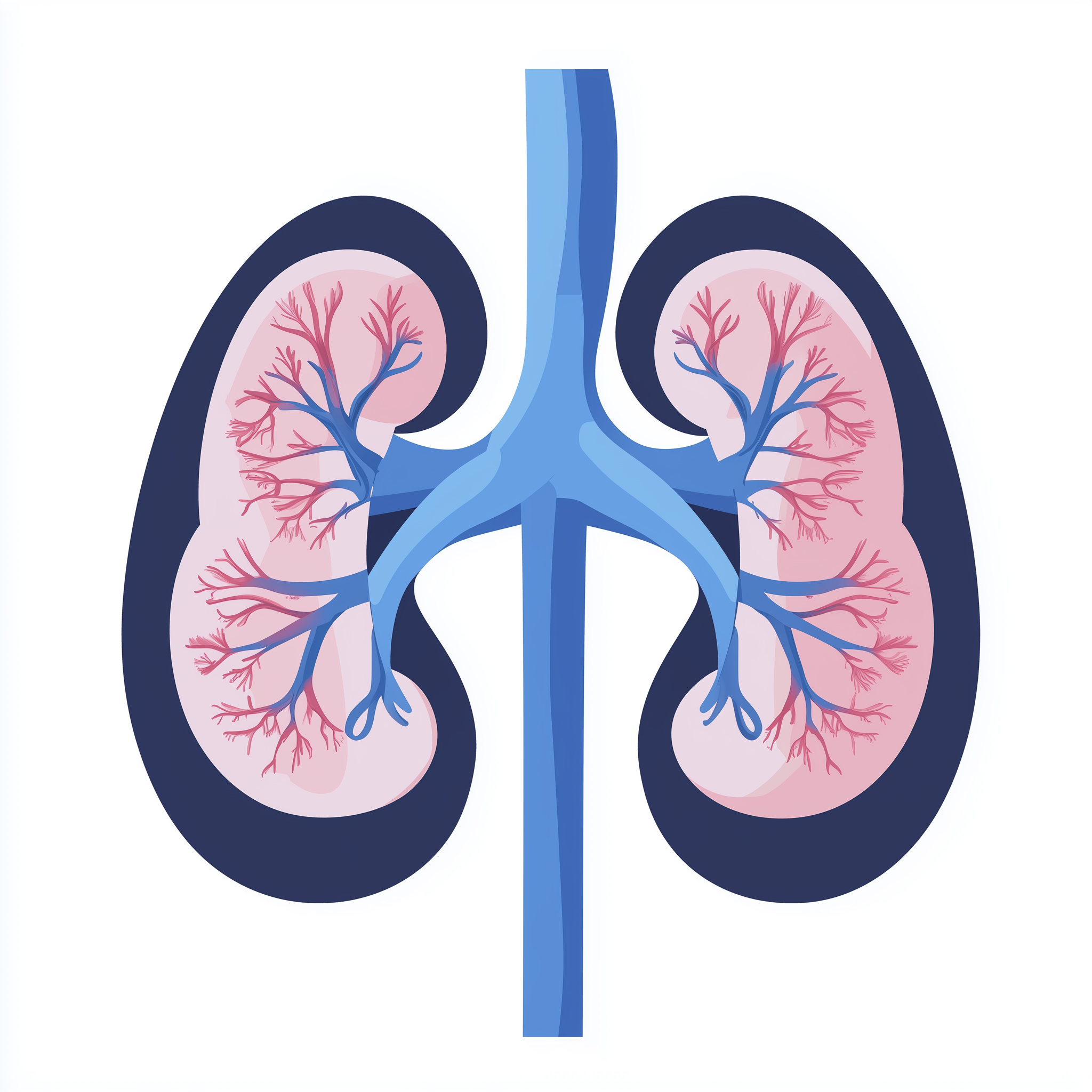
The primary organs affected in Fanconi-Bickel syndrome are the kidneys and the liver. The kidneys are impacted by renal Fanconi syndrome, where the proximal tubules, which are responsible for reabsorbing necessary nutrients, do not function correctly. This malfunction causes important solutes to be lost in the urine.
The liver is also significantly affected due to the accumulation of glycogen, a stored form of glucose. This glycogen storage can cause the liver to become enlarged (hepatomegaly) and may impair its function. Other organs, such as bones, can be indirectly affected due to the loss of minerals through the kidneys, leading to conditions like rickets.

Risks & severity
Fanconi-Bickel syndrome presents with a spectrum of severity, though most individuals experience symptoms from infancy. The main risks are associated with chronic kidney and liver complications. Renal Fanconi syndrome can lead to dehydration, electrolyte imbalances, and bone demineralisation, increasing the risk of rickets and bone pain. Frequent episodes of low blood sugar (hypoglycaemia) can also be a concern if not managed properly [PMID:10729227].
The long-term prognosis depends significantly on early diagnosis and consistent management of metabolic and renal issues. While the exact prevalence is not well established globally, it is considered a very rare condition. Consistent medical follow-up is crucial for monitoring kidney and liver function and addressing any emerging complications.
Genetic causes
Fanconi-Bickel syndrome is caused by pathogenic variants in the SLC2A2 gene. This gene provides instructions for making a protein called GLUT2, which is a glucose transporter [PMID:17907246]. The GLUT2 protein is primarily found in the liver, pancreas, intestines, and kidneys.
Its main role is to facilitate the transport of glucose and galactose across cell membranes. When there are pathogenic changes in SLC2A2, the GLUT2 protein either does not work correctly or is not produced in sufficient quantities. This impairs the body's ability to move glucose and galactose into and out of cells, leading to their accumulation in certain tissues, particularly the liver and kidneys. This accumulation contributes to the symptoms observed in Fanconi-Bickel syndrome, such as glycogen storage in the liver and kidney dysfunction. Other, more common causes of changes in blood sugar regulation, such as diabetes, are not caused by variants in SLC2A2.
- SLC2A2 solute carrier family 2 member 2
Inheritance pattern
Fanconi-Bickel syndrome is inherited in an autosomal recessive pattern. This means that an individual must inherit two copies of the altered SLC2A2 gene - one from each parent - to develop the condition. Typically, the parents of an affected child are carriers, meaning they each have one working copy and one altered copy of the gene, but they do not show symptoms themselves [PMID:10729227].
When both parents are carriers of a pathogenic SLC2A2 variant, there is a 25% chance with each pregnancy that their child will inherit two altered copies and develop Fanconi-Bickel syndrome. There is a 50% chance the child will be a carrier like their parents, and a 25% chance the child will inherit two working copies of the gene and not be a carrier or be affected. Genetic counselling can provide detailed information about inheritance patterns and risks for family members.
When both parents are carriers, each child has a 25% chance of being affected, 50% of being a carrier, and 25% of being unaffected.
Diagnosis & testing
Diagnosis of Fanconi-Bickel syndrome typically involves a combination of clinical assessment and laboratory tests. Doctors may suspect the condition based on symptoms like poor growth, an enlarged liver, abnormal blood glucose levels, and signs of kidney dysfunction with excessive loss of glucose and phosphate in the urine [PMID:10729227].
Confirmation of the diagnosis is made through genetic testing. This involves analysing the SLC2A2 gene to identify pathogenic variants. In the UK, genetic testing for rare conditions like Fanconi-Bickel syndrome is usually initiated following a referral to a clinical genetics service or a specialist paediatric metabolic team. The NHS Genomic Medicine Service offers diagnostic pathways, and relevant R-codes can be found on PanelApp UK for this condition, assisting clinicians in ordering the appropriate tests for suspected cases.
Management & lifestyle
Management of Fanconi-Bickel syndrome focuses on alleviating symptoms and preventing complications, as there is currently no cure for the underlying genetic cause. This often involves a multi-disciplinary approach, with input from paediatricians, metabolic specialists, nephrologists (kidney specialists), and dietitians. Dietary modifications are crucial to manage blood glucose fluctuations and include regular, small meals high in complex carbohydrates to maintain stable blood sugar levels and avoid prolonged fasting [PMID:18452445].
Medications may be prescribed to manage specific symptoms, such as phosphate supplements for rickets and bicarbonate to correct acidosis if present. Consistent monitoring of kidney function, bone health, and liver status is essential. In the UK, individuals with suspected or confirmed Fanconi-Bickel syndrome would typically be managed through specialist NHS centres, often following referral from a GP or other healthcare professional to a paediatric or metabolic consultant. Genetic counsellors can provide support and information to families regarding the condition and its inheritance.
UK care pathway
In the UK, individuals suspected of having Fanconi-Bickel syndrome typically enter the NHS Genomic Medicine Service (GMS) pathway. Referral is usually made by a GP or specialist, such as a paediatrician or metabolic consultant, to a clinical genetics service or a specialist metabolic team. These teams can assess clinical features, coordinate diagnostic investigations, including genetic testing for the SLC2A2 gene (guided by PanelApp UK R-codes), and provide ongoing management or onward referrals. Genetic counsellors play a vital role, offering support and detailed information about the condition, its inheritance, and implications for family planning.
Frequently asked questions
What is the life expectancy for someone with Fanconi-Bickel syndrome?
With early diagnosis and consistent medical management, individuals with Fanconi-Bickel syndrome can often lead extended lives. However, long-term outcomes depend on the severity of the symptoms and the effectiveness of symptom management, particularly concerning kidney and liver health.
Can Fanconi-Bickel syndrome be prevented?
As Fanconi-Bickel syndrome is a genetic condition inherited in an autosomal recessive manner, it cannot be prevented. However, for families with a known history, genetic counselling can provide information on recurrence risks and reproductive options.
Is there a special diet for Fanconi-Bickel syndrome?
Yes, dietary management is a cornerstone of treatment. This typically involves a diet rich in complex carbohydrates and frequent, small meals to maintain stable blood glucose levels and prevent both high and low blood sugar episodes. A dietitian will provide tailored advice.
How common is Fanconi-Bickel syndrome?
Fanconi-Bickel syndrome is a very rare condition. The exact prevalence is not precisely known, but it is considered to affect a very small number of individuals worldwide.
Where can I find support for Fanconi-Bickel syndrome in the UK?
In the UK, support is often available through specialist NHS metabolic and genetics services. Genetic counsellors can connect families with patient support groups or organisations focused on rare metabolic conditions. Your clinical team should be able to provide details on local and national resources.
References
- Manz F, Bickel H, Brodehl J. Fanconi-Bickel syndrome. Pediatric nephrology (Berlin, Germany). 1987. PMID: 3153325
- Karande S, Kumbhare N, Kulkarni M. Fanconi-Bickel syndrome. Indian pediatrics. 2007. PMID: 17413201
- von Schnakenburg C, Santer R. Fanconi-Bickel syndrome and fertility. American journal of medical genetics. Part A. 2011. PMID: 21910231
- Mohandas Nair K, Sakamoto O, Jagadeesh S. Fanconi-Bickel syndrome. Indian journal of pediatrics. 2012. PMID: 21327337
- Govindarajan S, Khandelwal P, Sharma S. Clinical Features and Genetic Sequencing of Children with Fanconi-Bickel Syndrome. Indian journal of pediatrics. 2023. PMID: 36324017
- Sharari S, Abou-Alloul M, Hussain K. Fanconi-Bickel Syndrome: A Review of the Mechanisms That Lead to Dysglycaemia. International journal of molecular sciences. 2020. PMID: 32877990
- Musa SA, Ibrahim AA, Hassan SS. Fanconi Bickel syndrome: clinical phenotypes and genetics in a cohort of Sudanese children. International journal of pediatric endocrinology. 2020. PMID: 33292488
- Demirbilek H, Galcheva S, Vuralli D. Ion Transporters, Channelopathies, and Glucose Disorders. International journal of molecular sciences. 2019. PMID: 31137773