

On this page
Fatal familial insomnia
FFI is a progressive brain disorder caused by a genetic change in the PRNP gene. It leads to severe insomnia, motor difficulties, and cognitive decline, typically appearing in middle to late adulthood. The condition is very rare and inherited in an autosomal dominant pattern.
Overview
Fatal familial insomnia (FFI) is a rare inherited neurodegenerative condition that primarily impacts the brain. It falls under a group of disorders known as prion diseases, which are characterised by the accumulation of abnormally folded prion proteins. FFI is distinguished by severe and worsening insomnia, hence its name, but also involves problems with movement, coordination, and cognitive function [PMID:33671217].
The condition typically manifests in adulthood, with symptoms gradually worsening over time. Due to its progressive nature and impact on vital brain functions, FFI ultimately leads to profound neurological decline. It is considered a very rare disease, affecting only a small number of families worldwide.
Symptoms & clinical features
The primary symptom of FFI is progressive and debilitating insomnia, meaning individuals find it increasingly difficult to sleep. This sleep disturbance often becomes resistant to treatment and can lead to vivid dreams and confusion between sleep and wakefulness [PMID:33671217].
Beyond sleep issues, individuals with FFI often develop a range of other neurological symptoms. These can include problems with balance and coordination (ataxia), speech difficulties (dysarthria), and motor disturbances such as involuntary muscle jerks (myoclonus) or stiffness. As the disease progresses, cognitive impairment may develop, affecting memory, attention, and executive functions. Autonomic nervous system dysfunction, leading to issues like sweating, changes in blood pressure, and body temperature regulation, can also be present [PMID:24656041].
Video: Genetics 101
Affected organs
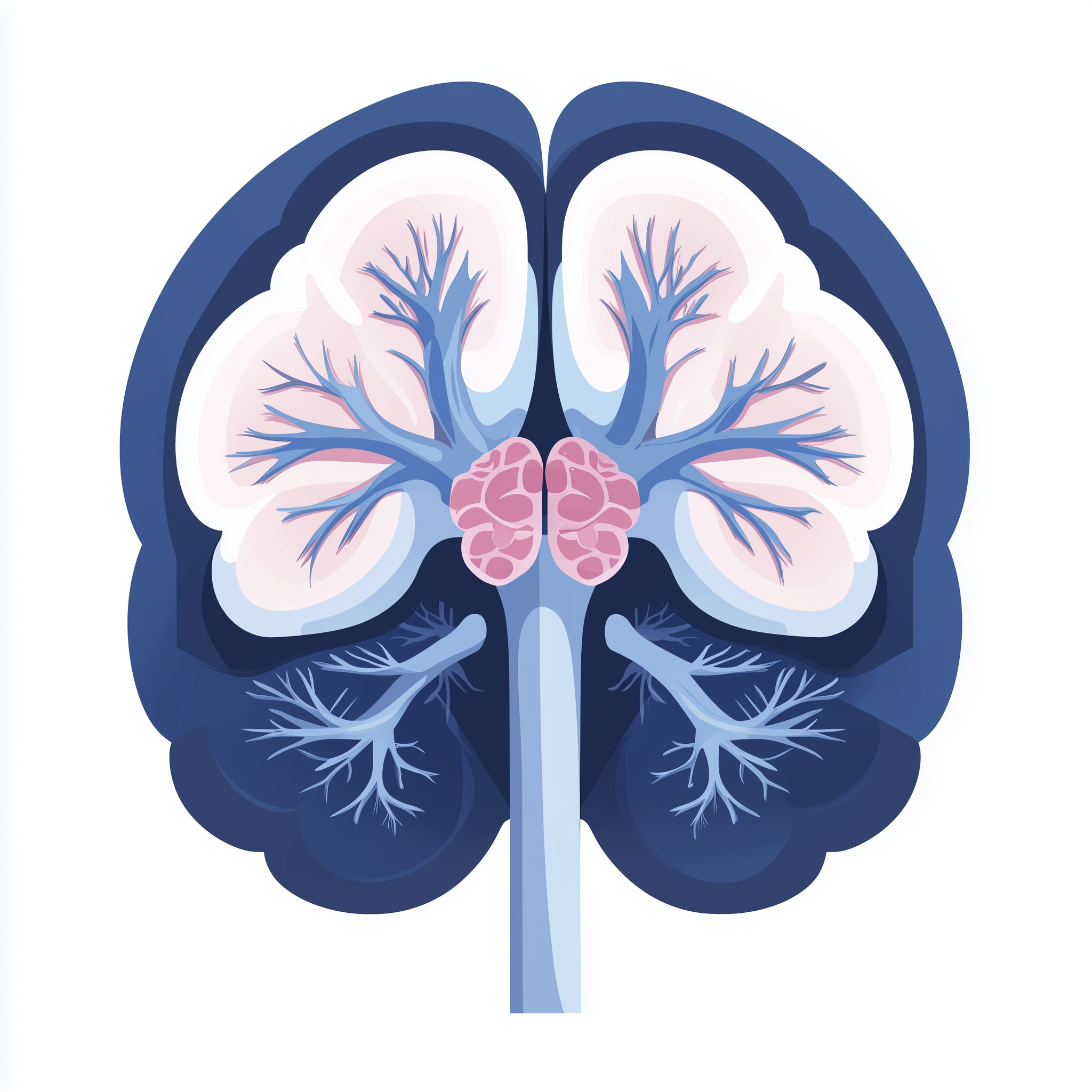
FFI predominantly affects the brain, specifically the thalamus, which plays a crucial role in regulating sleep, consciousness, and relaying sensory information. Pathological changes, including nerve cell loss and the accumulation of abnormal prion protein, are particularly pronounced in this region. However, other parts of the brain, such as the cerebral cortex and cerebellum, can also be affected, contributing to the wide range of neurological symptoms observed.

Risks & severity
FFI is a progressive and ultimately fatal condition. The age of onset can vary, typically ranging from 30 to 60 years, with an average onset around 50 years of age. Once symptoms appear, the disease progresses relatively rapidly, with survival times often ranging from a few months to a few years. The severity of symptoms and the rate of progression can differ even within the same family, although the outcome is consistently severe.
Since FFI is a genetic condition, individuals who inherit the causative genetic change have a significant risk of developing the disease. The rare nature of FFI means that exact prevalence figures are difficult to establish, but it is known to affect very few families globally.
Genetic causes
Fatal familial insomnia is caused by specific pathogenic changes in the PRNP gene. This gene provides instructions for making the prion protein (PrP), which is normally found on the surface of many cells, especially in the brain. The exact function of the normal prion protein is not fully understood, but it is thought to play a role in cell signalling and protecting against cell damage.
In FFI, a specific change in the PRNP gene (typically a mutation at codon 178, leading to an aspartic acid to asparagine substitution, D178N, when paired with a methionine at codon 129) leads to the production of an abnormal, misfolded version of the prion protein [PMID:33671217]. This misfolded protein is resistant to degradation and accumulates in the brain, particularly in the thalamus, forming aggregates that are toxic to nerve cells. This accumulation and resulting cell damage disrupt normal brain function, leading to the symptoms characteristic of FFI.
- PRNP prion protein (Kanno blood group)
Inheritance pattern
Fatal familial insomnia is inherited in an autosomal dominant pattern. This means that only one copy of the altered PRNP gene, out of the two copies an individual has, is enough to cause the condition. If a person has FFI, there is a 50% chance that each of their children will inherit the altered gene and therefore be at risk of developing the condition.
The condition can also arise from a new, spontaneous genetic change in the PRNP gene, which means there is no family history of the disease. However, in most documented cases, FFI is inherited through generations. Family members of an affected individual may be offered genetic counselling to discuss the inheritance pattern and options for genetic testing.
Each child has a 50% chance of inheriting the pathogenic variant, regardless of sex.
Diagnosis & testing
Diagnosing FFI involves a combination of clinical evaluation, neuroimaging, sleep studies, and genetic testing. Doctors will look for the characteristic symptoms of progressive insomnia, motor problems, and cognitive decline. Polysomnography, a sleep study, can reveal significant disruptions to normal sleep architecture. Brain imaging, such as MRI, may show changes over time, though these are not always specific to FFI in its early stages.
The definitive diagnosis of FFI relies on genetic testing for pathogenic changes in the PRNP gene. This test, often requested by a clinical geneticist or neurologist, can confirm the presence of the specific genetic alteration responsible for the condition. In the UK, such testing would be accessed via the NHS Genomic Medicine Service, typically following referral through an R-code testing pathway for neurodegenerative disorders, such as R301 'Inherited prion disease'.
Management & lifestyle
Currently, there is no cure for fatal familial insomnia, and treatments are primarily focused on managing symptoms and providing supportive care. Medications may be used to try and improve sleep, address involuntary movements, or manage other neurological symptoms, though their effectiveness in FFI is often limited given the progressive nature of the disease.
Care for individuals with FFI generally follows the NHS care pathway for progressive neurodegenerative conditions, focusing on maintaining comfort and quality of life. This can involve input from a multidisciplinary team, including neurologists, palliative care specialists, physiotherapists, occupational therapists, and speech and language therapists. Genetic counselling is an important part of care for affected families, offering information, support, and discussions about the implications of the condition for relatives.
UK care pathway
In the UK, individuals suspected of having a genetic condition like FFI would typically be referred by their GP or a specialist (such as a neurologist) to a Clinical Genetics service within the NHS Genomic Medicine Service. A clinical geneticist or genetic counsellor would assess the individual and family history, discuss the possibility of inherited conditions, and, if appropriate, arrange genetic testing. Testing for FFI is covered under specific R-codes for inherited prion diseases (e.g., R301 and R303) within the NHS National Genomic Test Directory. Genetic counsellors provide crucial support, explaining the inheritance patterns, testing options, and potential implications for the wider family.
Frequently asked questions
What is a prion disease?
Prion diseases are a group of rare, fatal neurodegenerative conditions caused by an abnormal form of a normal protein called prion protein. This misfolded protein accumulates in the brain, damaging nerve cells and leading to various neurological symptoms.
Can FFI be prevented or cured?
Currently, there is no known way to prevent or cure FFI. Research is ongoing in the field of prion diseases, but at present, treatment focuses on managing the symptoms and providing supportive care to improve comfort and quality of life.
If someone in my family has FFI, should I be tested?
If there is a family history of FFI, it is advisable to seek genetic counselling. A genetic counsellor can explain the inheritance pattern, discuss the implications of testing, and help you decide if genetic testing is appropriate for you. They can also offer emotional support.
How rare is Fatal Familial Insomnia?
Fatal familial insomnia is considered a very rare disease worldwide. It affects only a small number of families globally, making it one of the least common neurodegenerative disorders. Exact prevalence figures are difficult to obtain due to its rarity.
At what age do symptoms of FFI typically start?
The age when FFI symptoms begin can vary significantly among affected individuals, but it typically manifests in middle to late adulthood. The average age of onset is around 50 years, though it can range roughly from 30 to 60 years of age.
References
- Sankari A, Bollu PC. Fatal Familial Insomnia. 2024. PMID: 29489284
- Piñar-Morales R, Barrero-Hernández F, Aliaga-Martínez L. Human prion diseases: An overview. Medicina clinica. 2023. PMID: 37088611
- Baldwin KJ, Correll CM. Prion Disease. Seminars in neurology. 2019. PMID: 31533183
- Geschwind MD. Prion Diseases. Continuum (Minneapolis, Minn.). 2015. PMID: 26633779
- Islam MT. Oxidative stress and mitochondrial dysfunction-linked neurodegenerative disorders. Neurological research. 2017. PMID: 27809706
- Ironside JW, Ritchie DL, Head MW. Prion diseases. Handbook of clinical neurology. 2017. PMID: 28987186
- Benarroch EE. The central autonomic network: functional organization, dysfunction, and perspective. Mayo Clinic proceedings. 1993. PMID: 8412366
- Adam MP, Bick S, Mirzaa GM. Genetic Prion Disease. 1993. PMID: 20301407