

On this page
HDR syndrome
HDR syndrome typically involves three main features: low parathyroid hormone levels, hearing loss due to inner ear issues, and kidney structural abnormalities. It is a lifelong condition that can affect individuals from birth.
Overview
HDR syndrome is a rare genetic disorder, also known as Barakat syndrome, named after the primary symptoms it involves: hypoparathyroidism, deafness, and renal (kidney) abnormalities [PMID:33671285]. Hypoparathyroidism means the body produces too little parathyroid hormone, which is important for controlling calcium and phosphate levels. Deafness in HDR syndrome is usually of the sensorineural type, meaning it results from damage to the inner ear or the nerve pathways from the inner ear to the brain. Renal anomalies refer to structural problems or improper development of the kidneys. The severity of these features can vary significantly among affected individuals, even within the same family [PMID:24075133].
Symptoms & clinical features
The main symptoms of HDR syndrome relate to the three core components. Hypoparathyroidism can lead to low blood calcium levels (hypocalcaemia), which may cause muscle cramps, tingling sensations in the fingers and toes, and sometimes seizures. These symptoms can appear at any age, from infancy to adulthood. Sensorineural deafness can range from mild to profound and is present from birth, though it might only be noticed as a child develops [PMID:24075133].
Kidney abnormalities associated with HDR syndrome are diverse. They can include a range of structural problems like hypoplasia (underdevelopment), dysplasia (abnormal development), or agenesis (absence) of one or both kidneys. Other issues might involve abnormal kidney shape, cysts, or vesicoureteral reflux, where urine flows backward from the bladder to the kidneys. These renal issues can lead to problems with kidney function, potentially progressing to chronic kidney disease in some individuals.
Video: Genetics 101
Affected organs
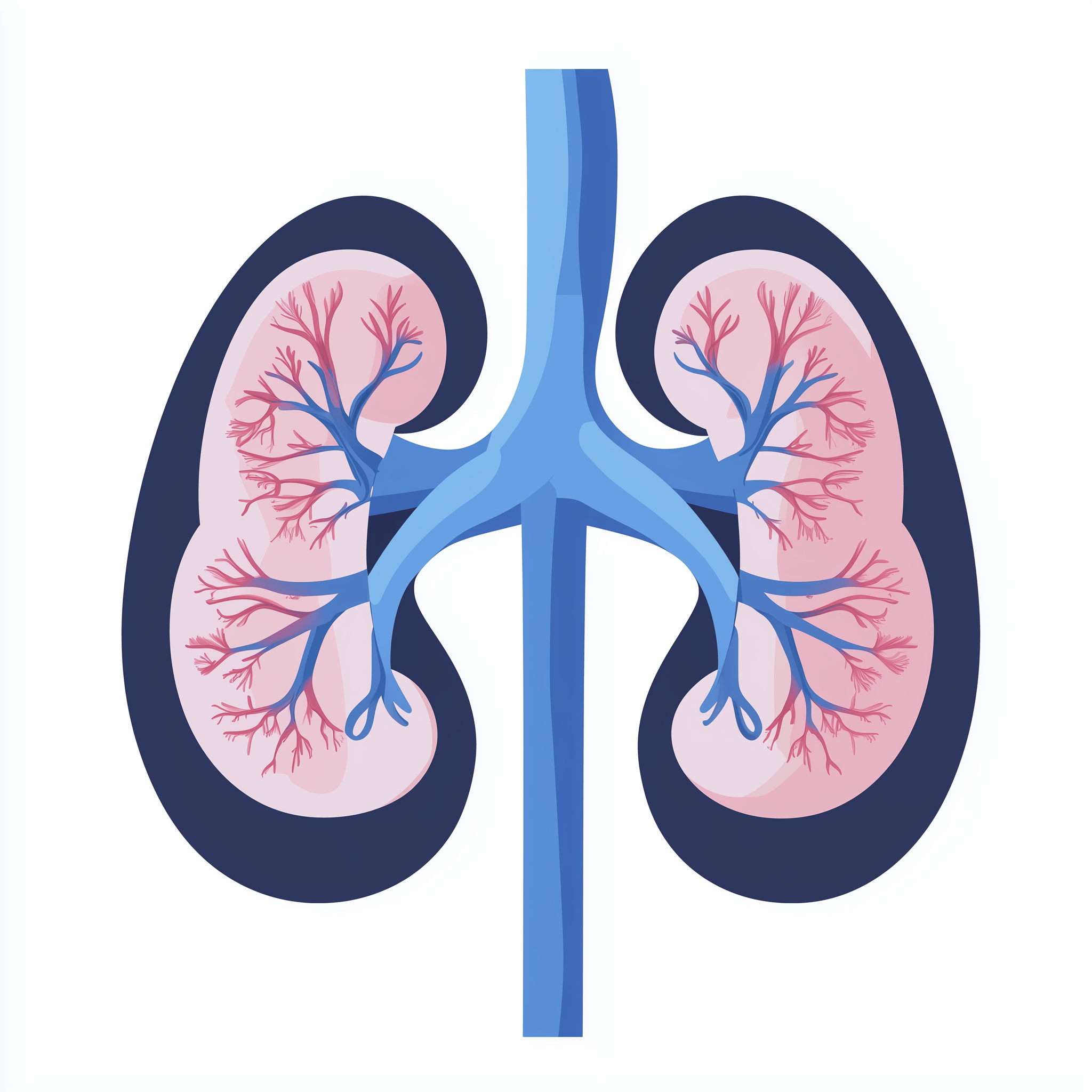
The organs primarily affected in HDR syndrome are the parathyroid glands, the inner ear, and the kidneys. The parathyroid glands, typically four small glands located in the neck behind the thyroid, are responsible for producing parathyroid hormone. In HDR syndrome, these glands may be underdeveloped or function improperly, leading to hypoparathyroidism.
The inner ear, particularly the cochlea and vestibular system, is affected, resulting in sensorineural hearing loss. The kidneys are also significantly impacted, with various developmental abnormalities that can affect their ability to filter waste and maintain fluid balance.

Risks & severity
The severity of HDR syndrome can vary widely. Some individuals may have mild symptoms, while others experience more severe health challenges [PMID:33671285]. For instance, hearing loss can range from mild to profound, and kidney problems can range from minor structural changes to severe kidney dysfunction requiring dialysis or transplantation. The hypoparathyroidism component is generally manageable with medication, but if left untreated, low calcium levels can be life-threatening.
While HDR syndrome is a lifelong condition, the progression of kidney disease is variable. Some individuals may maintain normal kidney function for many years, while others might develop chronic kidney disease earlier in life. Regular monitoring and appropriate medical management are crucial to address the specific symptoms and potential complications associated with each component of the syndrome.
Genetic causes
HDR syndrome is caused by pathogenic variants in the GATA3 gene [PMID:24075133]. The GATA3 gene provides instructions for making a protein called GATA binding protein 3, which acts as a transcription factor. Transcription factors are proteins that bind to specific regions of DNA and help control the activity of other genes. The GATA3 protein is particularly important during the embryonic development of several body parts, including the parathyroid glands, inner ear, and kidneys.
When there is a pathogenic variant in GATA3, the protein may not function correctly or may be produced in insufficient amounts. This disruption affects the normal development and function of the parathyroid glands, inner ear, and kidneys, leading to the characteristic features of HDR syndrome.
- GATA3 GATA binding protein 3
Inheritance pattern
HDR syndrome is inherited in an autosomal dominant pattern. This means that an individual only needs one copy of the altered GATA3 gene in each cell to develop the condition. If a parent has HDR syndrome, there is a 50% chance with each pregnancy that their child will also inherit the condition. This inheritance pattern applies equally to male and female offspring. In some cases, HDR syndrome can also result from a new (de novo) pathogenic variant in the GATA3 gene, meaning it occurs for the first time in an individual with no family history.
Each child has a 50% chance of inheriting the pathogenic variant, regardless of sex.
Diagnosis & testing
Diagnosis of HDR syndrome is typically based on the presence of the characteristic clinical features: hypoparathyroidism, sensorineural deafness, and renal anomalies. Once these clinical signs are observed, genetic testing can confirm the diagnosis by identifying a pathogenic variant in the GATA3 gene [PMID:33671285]. Genetic testing is available through the NHS Genomic Medicine Service (GMS).
Referrals for genetic testing are generally made by a clinical geneticist, paediatrician, or relevant specialist (e.g., endocrinologist for hypoparathyroidism, nephrologist for kidney issues, or audiologist for deafness). The specific R-codes for genetic testing would fall under renal disorders (R113 Renal agenesis, dysgenesis and hypoplasia) or endocrine disorders, depending on the presenting features. A genetic counsellor can provide further information about the testing process and implications for the individual and their family.
Management & lifestyle
Management of HDR syndrome focuses on addressing the specific symptoms and potential complications. Hypoparathyroidism is typically managed with calcium and vitamin D supplements to maintain normal blood calcium levels. Regular blood tests are needed to monitor calcium and phosphate levels. Hearing loss is managed with hearing aids or, in some cases, cochlear implants, depending on the severity.
Kidney involvement requires careful monitoring of kidney function, often through regular blood and urine tests, and blood pressure checks. A nephrologist will guide care for kidney issues, which may include medication to manage blood pressure or other complications. In severe cases of kidney failure, dialysis or kidney transplantation may be considered. Individuals with HDR syndrome generally receive care from a multidisciplinary team of specialists within the NHS, including endocrinologists, audiologists, nephrologists, and clinical geneticists, supported by genetic counsellors. Lifestyle adjustments, such as dietary considerations for kidney health, may also be recommended.
UK care pathway
In the UK, individuals suspected of having HDR syndrome would typically be referred to a clinical geneticist or a relevant specialist through their GP or other healthcare professional. Genetic testing, when appropriate, is offered via the NHS Genomic Medicine Service. This involves a referral to a regional Genomic Laboratory Hub. Genetic counselling forms an important part of this pathway, offering information and support to individuals and families regarding genetic testing, inheritance, and the implications of a diagnosis. HDR syndrome is recognised within the NHS GMS testing directory, often falling under broad categories like R113 Renal agenesis, dysgenesis and hypoplasia, or specific endocrine panels.
Frequently asked questions
What does 'hypoparathyroidism' mean?
Hypoparathyroidism means that your body doesn't produce enough parathyroid hormone. This hormone is crucial for controlling calcium and phosphate levels in your blood. Too little parathyroid hormone can lead to low calcium levels, causing symptoms like muscle cramps and tingling.
Is HDR syndrome curable?
HDR syndrome is a lifelong genetic condition, meaning it cannot be cured. However, the symptoms are manageable. Treatments aim to control calcium levels, improve hearing, and manage kidney function to help individuals live as well as possible.
How common is HDR syndrome?
HDR syndrome is considered a rare condition. The exact prevalence is not well established, but it is not commonly encountered.
Will my children inherit HDR syndrome?
HDR syndrome is inherited in an autosomal dominant manner. If you have HDR syndrome, there is a 50% chance for each child you have to inherit the altered GATA3 gene and develop the condition. A genetic counsellor can provide detailed information about inheritance patterns and reproductive options.
What type of doctors will be involved in my care?
Managing HDR syndrome typically involves a team of specialists. This may include an endocrinologist for hypoparathyroidism, an audiologist or ENT specialist for hearing loss, a nephrologist for kidney issues, and a clinical geneticist, all working together within the NHS.
References
- Barakat AJ, Raygada M, Rennert OM. Barakat syndrome revisited. American journal of medical genetics. Part A. 2018. PMID: 29663634
- Rive Le Gouard N, Lafond-Rive V, Jonard L. HDR syndrome: Large cohort and systematic review. Clinical genetics. 2024. PMID: 38940299
- Van Esch H, Devriendt K. Transcription factor GATA3 and the human HDR syndrome. Cellular and molecular life sciences : CMLS. 2001. PMID: 11577985
- Vroegindewey L, Kim J, Joseph DJ. Hypoparathyroidism, sensorineural deafness and renal disease (HDR) syndrome due to a novel GATA3 mutation p.Ala287Asp. Endocrinology, diabetes & metabolism case reports. 2024. PMID: 39700338
- Ma LJ, Yang W, Zhang HW. HDR syndrome presented with nephrotic syndrome in a Chinese boy: A case report. World journal of clinical cases. 2024. PMID: 39328859
- Spennato U, Siegwart J, Hartmann B. Barakat syndrome diagnosed decades after initial presentation. Endocrinology, diabetes & metabolism case reports. 2023. PMID: 38116790
- Tanaka Y, Nagano C, Asagai Y. Clinical and genetic characteristics of hypoparathyroidism, deafness, and renal dysplasia syndrome in a chronic kidney disease cohort. Pediatric nephrology (Berlin, Germany). 2026. PMID: 42595857
- Nizar R, Sarr L, Saunders T. A case of HDR syndrome with recurrent matured ovarian teratomas. Endocrinology, diabetes & metabolism case reports. 2025. PMID: 40932684